Neighborhood guide
Samcheong-ro Art WalkFifty years of Korean galleries on one street
By the Anthology editors ·
AI translation of the original written in 繁體中文.
In April 1970, what is often called Korea's first professional gallery opened across from the east gate of Gyeongbokgung Palace. More than fifty years later, this short stretch of Samcheong-ro is lined with a national art museum, a folk museum, and several of the country's most important galleries. Walking north along it is like walking through half the history of Korea's modern art market.
This guide introduces seven places in the order they opened. Galleries are not covered by our exhibition data, so check each gallery's website for current shows; exhibitions at the museums are listed under each entry.
Venue details are from official sites and public sources as of October 7, 2026. Opening hours and closing days follow each venue's own announcements.
The beginning: 1970
Gallery Hyundai갤러리현대
It all started with this gallery across from the palace wall.
Opened in April 1970 at the start of Samcheong-ro, across from Gyeongbokgung's east gate, it is often regarded as Korea's first professional gallery. Over the following decades, galleries opened one after another further north, and the street slowly became what it is today.
On now and coming up
Not in our listings. See the venue's website for what's on.
The 1980s: a gallery street takes shape
Kukje Gallery국제갤러리
Moved here from Insa-dong, and brought international contemporary art to Samcheong-ro.
Founded in Insa-dong in 1982 and moved to Sogyeok-dong, where it stands today, in 1987. Known for introducing world-renowned contemporary artists, it is one of Seoul's key windows onto international art.
On now and coming up
Not in our listings. See the venue's website for what's on.
Hakgojae Gallery학고재
Named after a line from the Analects: review the old to learn the new.
Opened in 1988, its name comes from the Confucian saying about reviewing the old to understand the new. It opened a branch in Shanghai in 2013. A gallery named for the past, on a road that leads to a palace.
On now and coming up
Not in our listings. See the venue's website for what's on.
Kumho Museum of Art금호미술관
A corporate gallery that grew into a museum.
It began as Kumho Gallery in 1989 and moved here in 1996, expanding into the Kumho Museum of Art. Its building, four floors above ground and three below, holds seven exhibition spaces.
On now and coming up
Not in our listings. See the venue's website for what's on.
After 2000: out into the world
PKM GalleryPKM갤러리
The first Korean gallery invited to Frieze.
Opened in 2001, and in 2004 became the first Korean gallery invited to the Frieze Art Fair in London. Set in a side street off Samcheong-ro, it has a main building, an annex, and a garden restaurant and café.
On now and coming up
Not in our listings. See the venue's website for what's on.
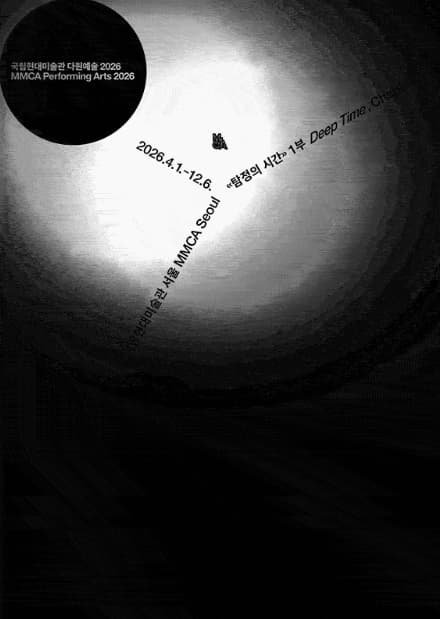
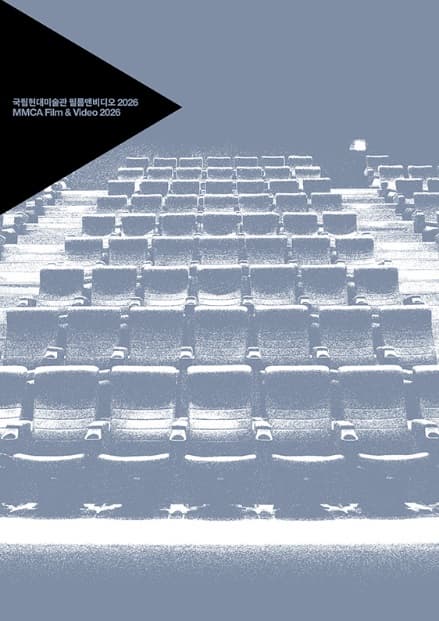
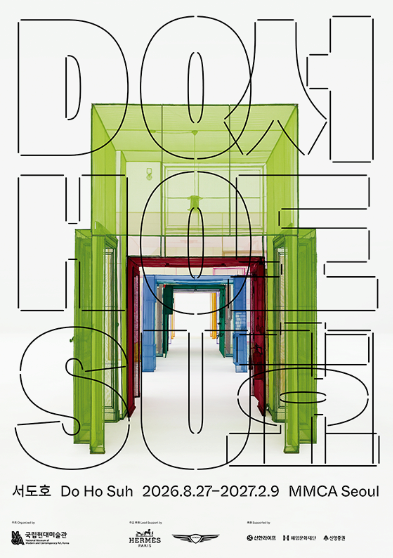
MMCA Seoul국립현대미술관 서울관
Halfway up the street, the national museum faces the palace wall.
Opened in 2013 as the National Museum of Modern and Contemporary Art's base in central Seoul. A street that galleries started half a century ago was finally joined by the national museum. It stays open until 9 pm on Wednesdays and Saturdays, so it can wait until evening.
On now and coming up
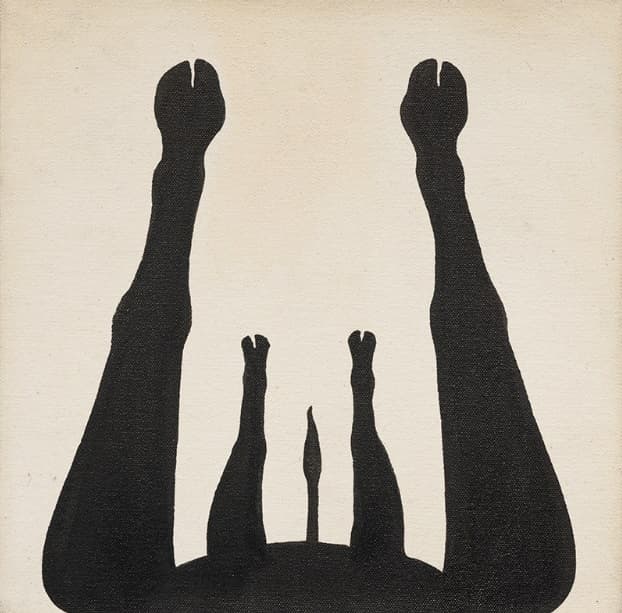
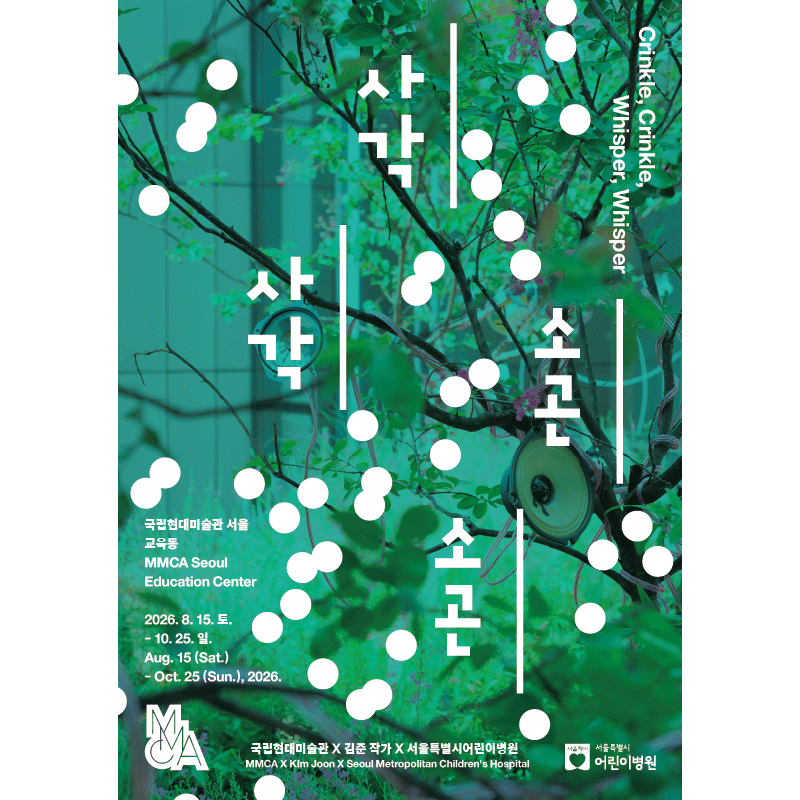
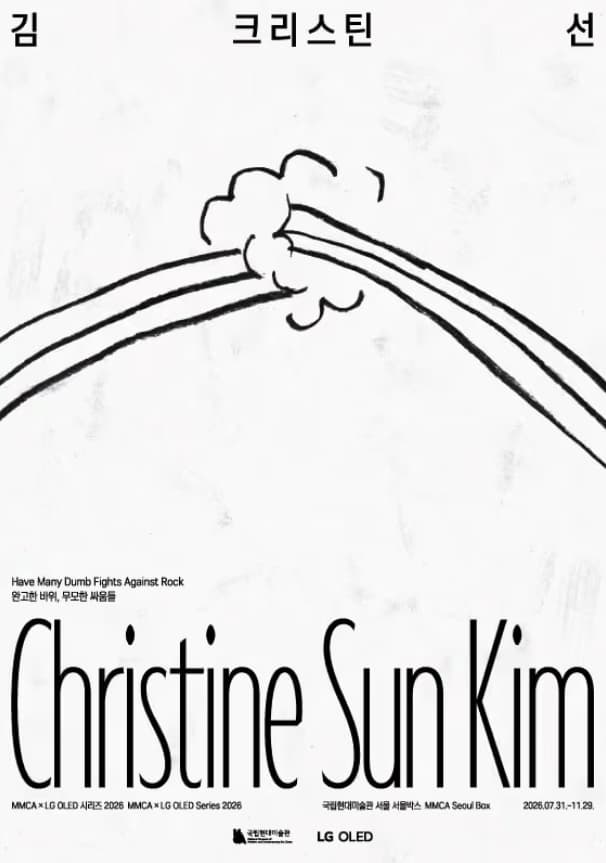
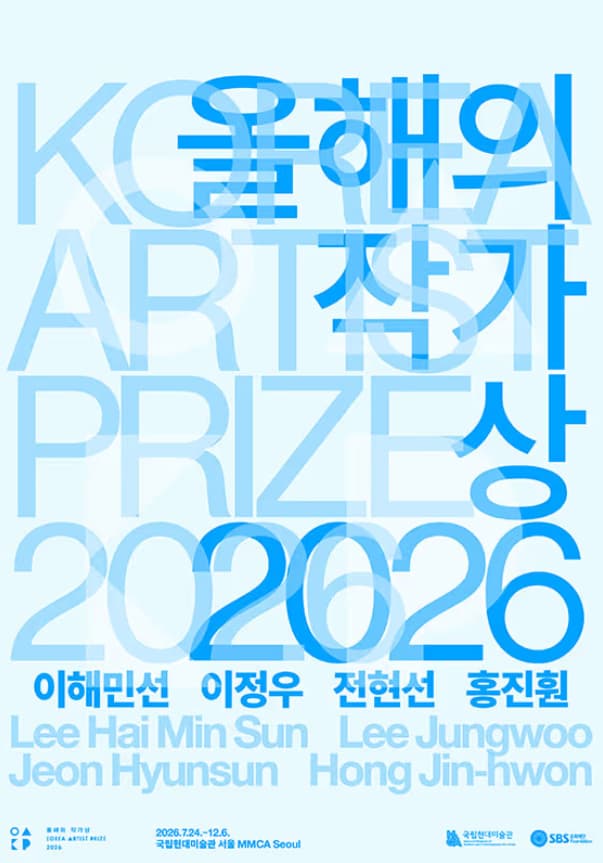

Inside the palace walls: another kind of time
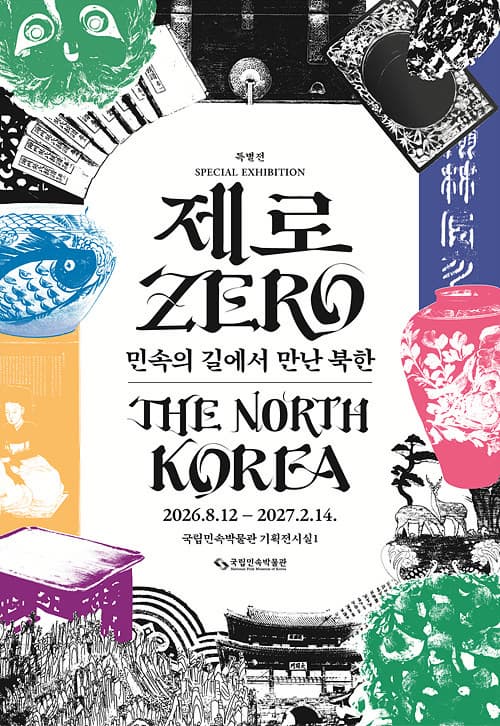
National Folk Museum of Korea국립민속박물관
From the galleries into the palace, to see how Koreans have lived.
Inside Gyeongbokgung, with free admission. Its permanent galleries are built around three themes, a Korean's day, year, and lifetime, and show folk materials from traditional life; there is also a children's museum. After a street of contemporary art, it offers a different scale of time.
Titles and venue names are AI-translated by DeepL. The Korean original is shown in gray below each one.
Get the monthly guide by email
Once a month, the exhibitions worth planning a trip around. Free, and you can unsubscribe anytime.
We use your address only to send the newsletter. Privacy