81 days left#Sculpture & installation
Do Ho Suh
Korean original:
서도호
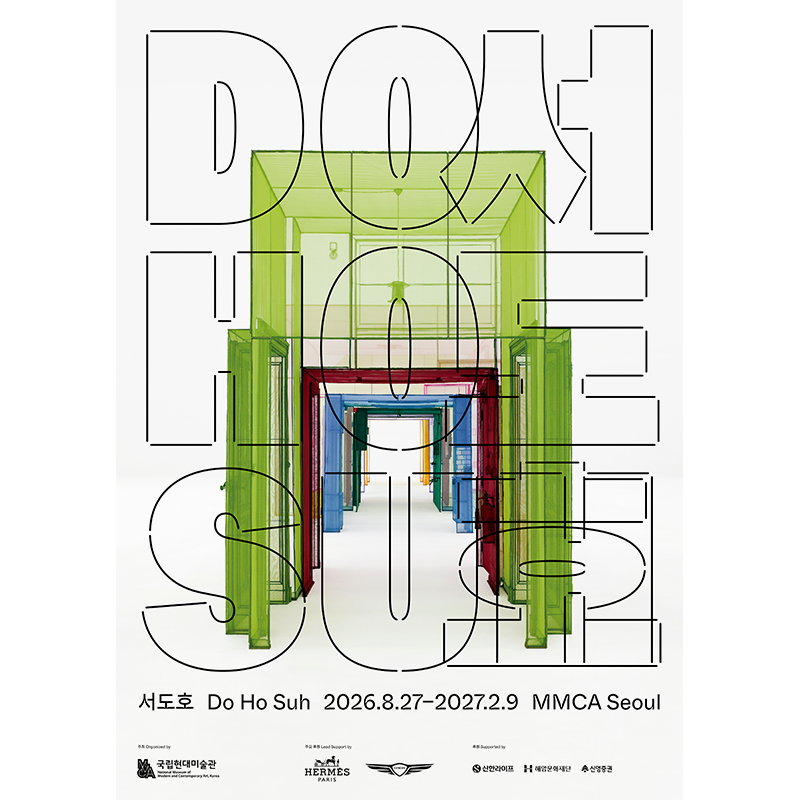
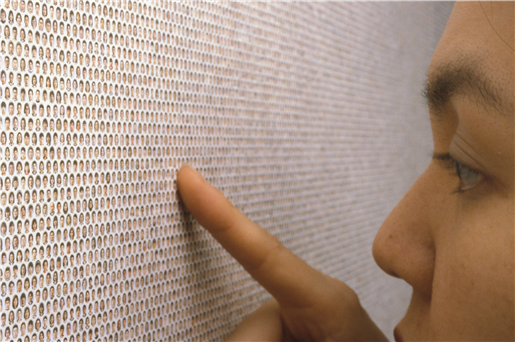
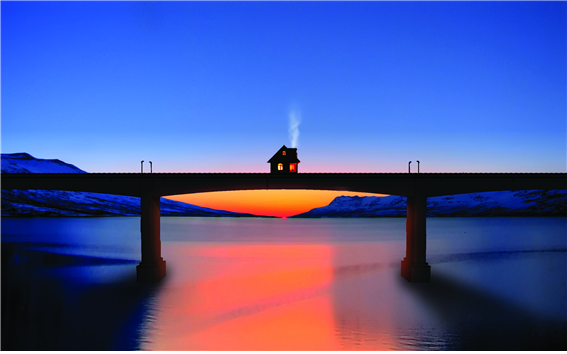
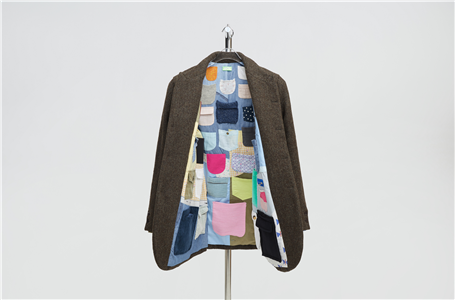
Do Ho Suh is a Korean installation artist, and this large solo exhibition fills Galleries 3–5 on basement level 1 and the MMCA Studio on the 2nd floor of the National Museum of Modern and Contemporary Art (MMCA), Seoul, tracing more than thirty years of work, from early pieces and major works to projects still in progress. Through themes of migration and dwelling, the individual and the community, he has long questioned space, memory, and identity. Early works and drawings that have never been shown before are also on view for the first time.
Featured in: Seoul Anthology: December · Seoul Anthology: November · Seoul Winter Exhibitions 2026–27

- Dates
- Aug 27, 2026 – Feb 9, 2027
- Venue
- MMCA Seoul (National Museum of Modern and Contemporary Art) (국립현대미술관 서울관) · Samcheong-dong & Bukchon서울특별시 종로구 삼청로 30 국립현대미술관 서울관Open in Naver Map
Getting there
Exit 1, Anguk Station (Line 3)
- Admission
- ₩8,000Original: 8,000원
- Artists
The calendar entry covers the whole run, so you won't need to look the dates up again. Please check opening hours and closing days before your visit.
Booking
Booking recommended.
Booking recommended; tickets are also sold at the door.
From the venue's announcements, checked Nov 20, 2026. Slots and availability can change; please check the official page before you book. Source: 국립현대미술관:서도호 예매(회차별 현장 판매도 있음)
Entry notes
Admission is 8,000 won. MMCA is free on Wednesday and Saturday evenings, 18:00–21:00, and on the last Wednesday of each month.
- Admission is 8,000 won. MMCA is free on Wednesday and Saturday evenings, 18:00–21:00, and on the last Wednesday of each month. (Source: 국립현대미술관:서도호, 2026)
- Open 10:00–18:00, until 21:00 on Wednesdays and Saturdays; closed on Tuesday, December 1 (temporary closure). Free for visitors aged 24 and under, aged 65 and over, and undergraduate students. (Source: 국립현대미술관 서울:관람 시간·관람 정보, 2026)
- The exhibition page on the museum's website has a 12-part audio guide in Korean, with subtitles, to play on your phone as you go. (Source: 국립현대미술관:서도호(오디오가이드), 2026)
- Online booking opens every Monday at 18:00 one week at a time (for example, on 7 September at 18:00 the slots for 14–20 September open), up to four tickets per account for each show. Tickets are also sold on site by slot, but they can sell out early. Cancellation is possible until the slot starts, with a full refund; after the start there is no cancellation or refund. (Source: 국립현대미술관:서도호 예약하기, 2026)
From the organizer's announcements and press reports. Arrangements can change; please check the official site before your visit.
Guided tours
MMCA Seoul holds scheduled docent tours (전시해설) of 서도호 at 12:00、14:00、16:00, meeting B1 next to the escalator. The page mentions no reservation or language; no tours during the Seollal and Chuseok holidays.
- TourMMCA Seoul holds scheduled docent tours (전시해설) of 서도호 at 12:00、14:00、16:00, meeting B1 next to the escalator. The page mentions no reservation or language; no tours during the Seollal and Chuseok holidays.
- Audio guideThe MMCA website marks this exhibition as having an audio guide (오디오가이드); languages and fee are not stated on the page.
Source: 국립현대미술관 전시해설 시간표, 국립현대미술관. From the venue's and organizer's announcements. Schedules, languages and fees can change; please check the official site before your visit.
Written for this exhibition
I can never come back to this place. Every time I am about to leave somewhere, I think so. So on the last day, once everything is loaded up and the rooms are empty, I photograph every corner, even behind the doors and inside the cupboards. In an empty house the click of the shutter is unusually clear, once, then again. I used to think that once I had photographed a place I had taken it with me. After the move I understood that what a photograph keeps is the look of a corner. The place itself does not come along. Furniture, clothes and books can all be loaded up. A house cannot. The relationship between a person and a house is not quite like the one between a person and a thing. While you live there you want to leave, and after you leave it follows you, for a long time.
Knowledge cards
Installation Art설치 미술Not a single object on a wall or pedestal, but three-dimensional work that changes a whole space and that visitors move through.Read moreClose
01About
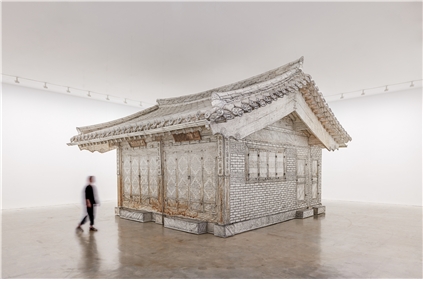
Installations are often made for a particular site, and visitors move within them, so where your body stands is part of the looking. The materials can be everyday objects, fabric, video, or sound, and a work may be taken down after the exhibition and never shown again. The term first appears in writing in 1969; earlier, in 1958, Allan Kaprow called the indoor spaces he transformed “Environments.” Do Ho Suh's Seoul Home (1999) is a life-size replica of his childhood home in Korea in polyester fabric and silk on thin metal rods; it folds up for transport, and each time it moves to a new city, that city's name is added to the title.
02In the gallery
Look from several places, outside, inside, and from a distance, and notice how the light, the sound, and your path change.
Wall label terms in Korean
- 설치
- Installation
- 장소 특정적
- Site-specific
- 환경
- Environment
03Notes
An installation changes the whole space, and where your body stands is part of the looking.
This time, at Do Ho Suh —
Once you are inside the work, what changes with where you stand?
04Related
Nearby, after this one
Same venue · MMCA Seoul (National Museum of Modern and Contemporary Art)

Same neighborhood · Samcheong-dong & Bukchon
Shows open on the same days as this one are listed first (regular closing days only).