8 days left
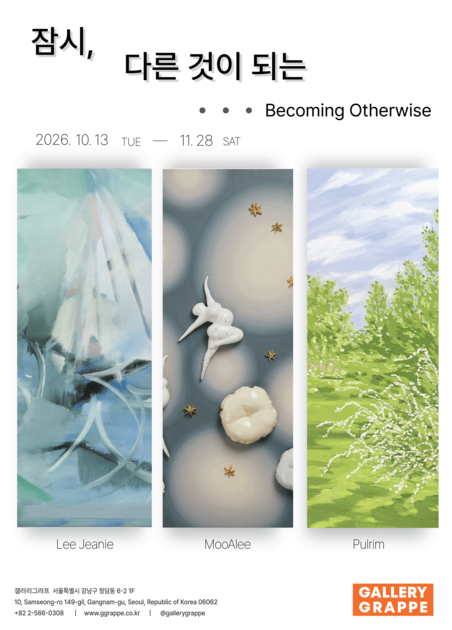
For a Moment, Becoming Something Else (Becoming Otherwise) Lee Jin-hee, Muari, Pulim
Korean original:
잠시, 다른 것이 되는 (Becoming Otherwise) 이진희, 무아리, 풀림
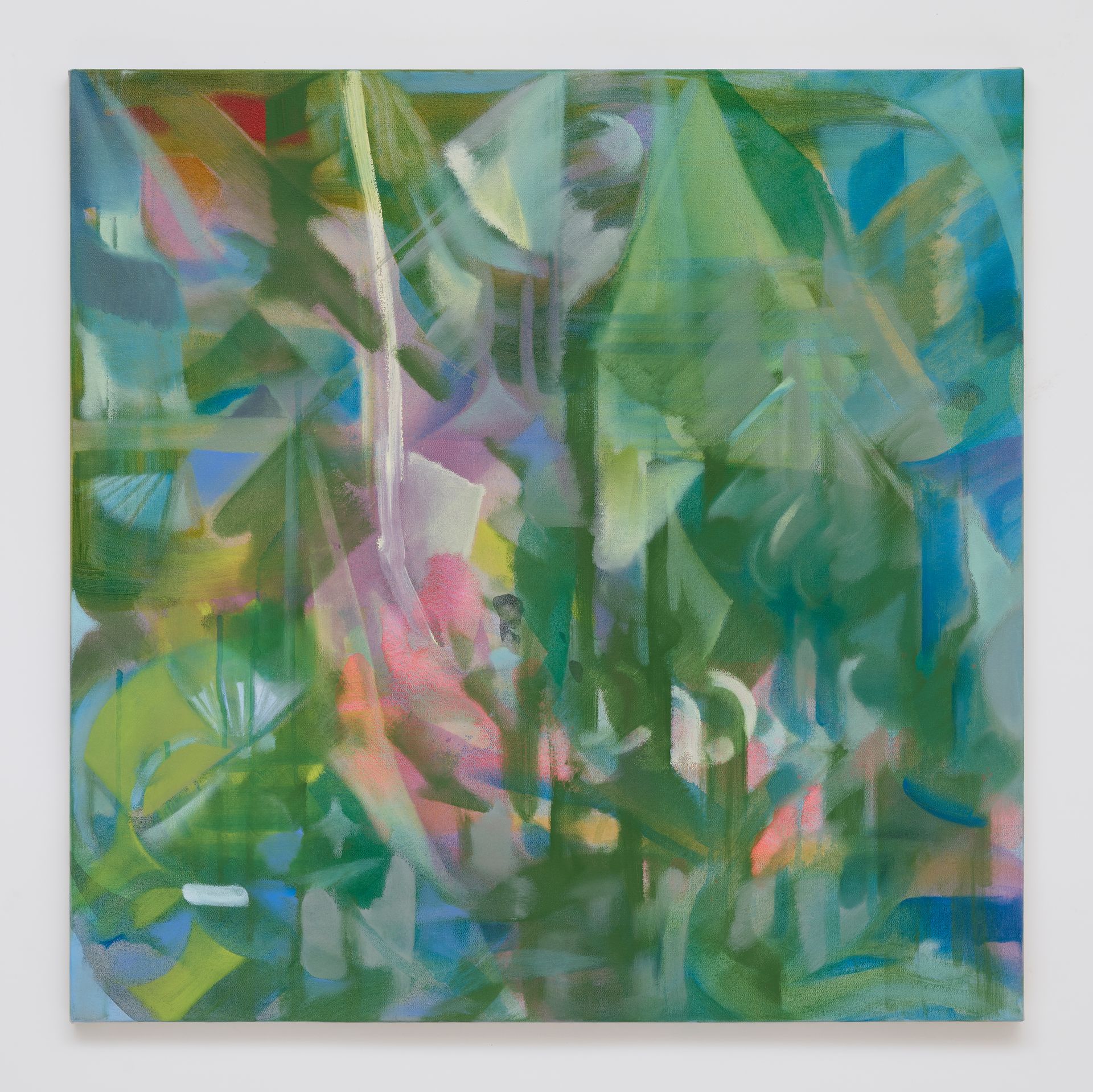
A three-artist show that starts from Heraclitus's view of the world as constant flux, looking at the subtle changes as one state passes into another. Lee Jeanie observes the forms, colours, and lines of nature and builds them up on canvas. MooAlee uses ceramic human figures, slip casting, and gold decoration to express an inner change in which the boundaries of the self loosen and merge with others. Pulrim records the movement of wind and light with layered colour and quick brushwork.
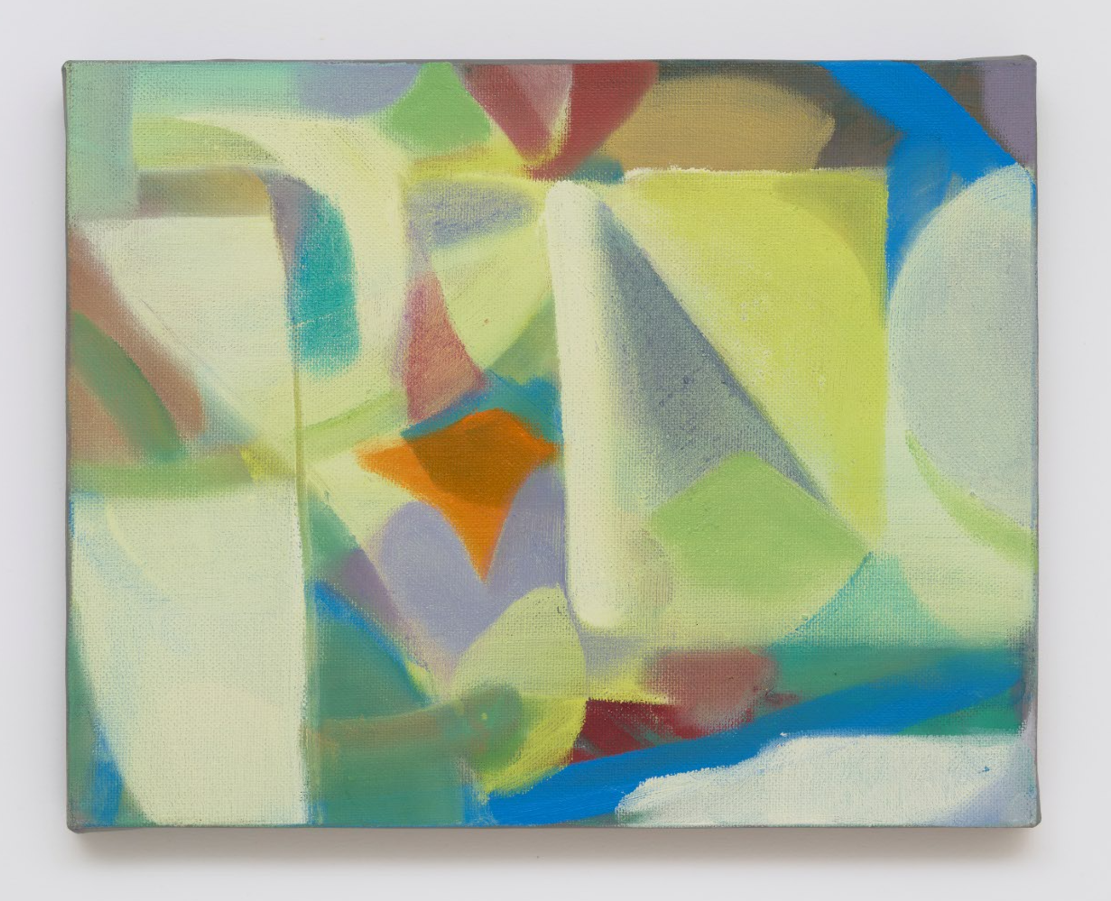
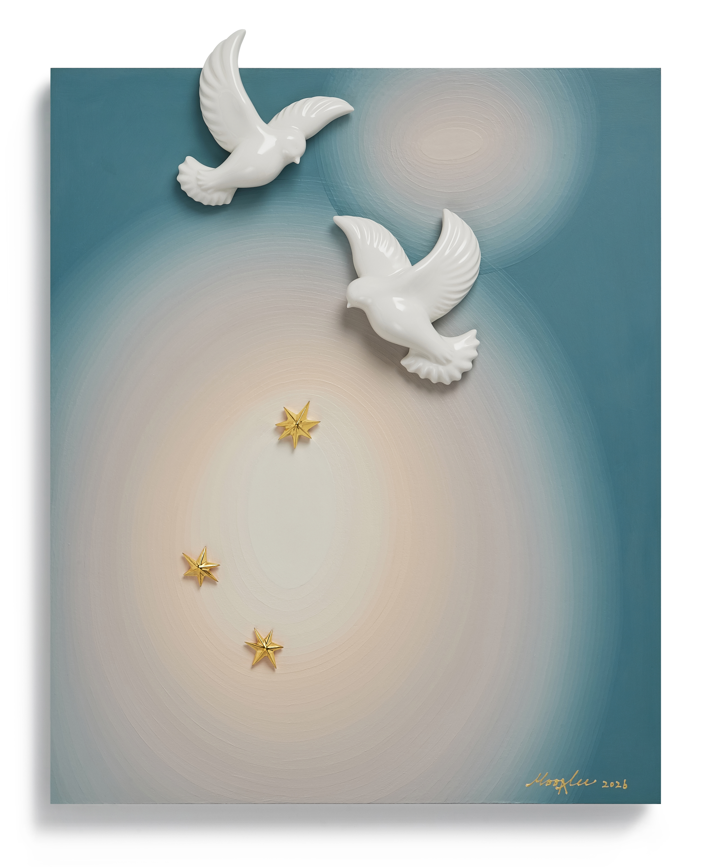
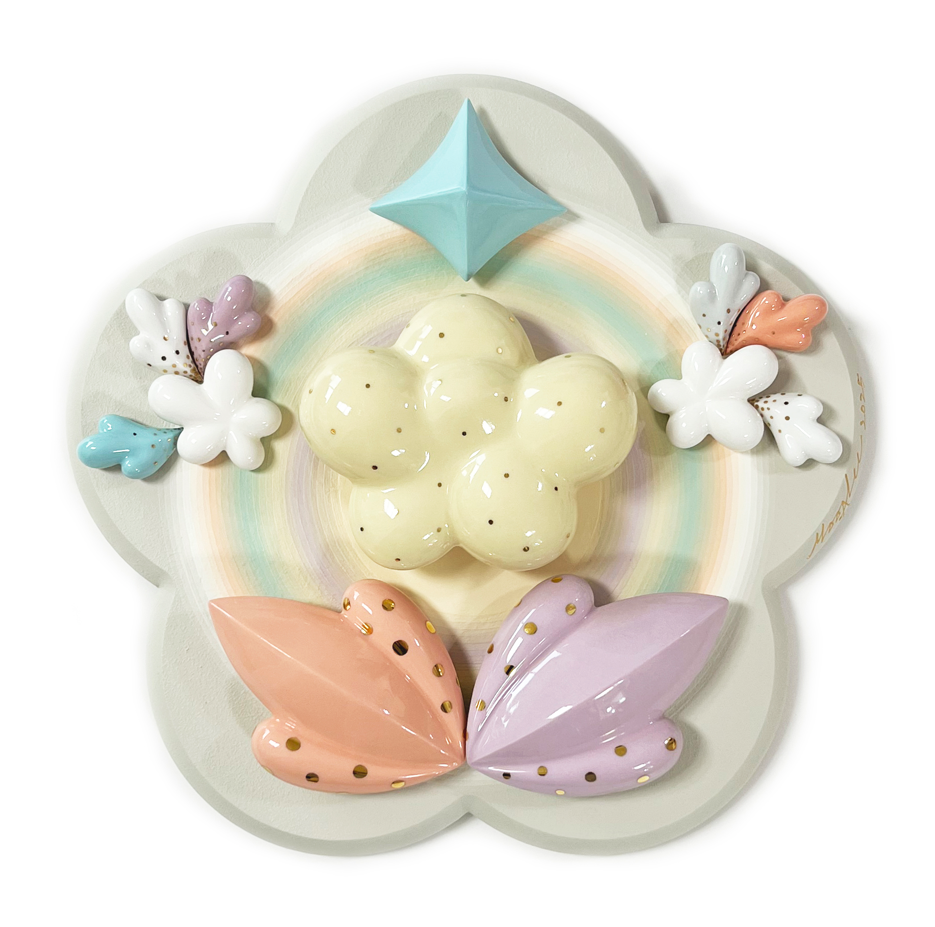
1 / 5 Image: Gallery Graf Exhibition Hall
- Dates
- Oct 15 – Nov 28, 2026
- Venue
- Gallery Graf Exhibition Hall (갤러리 그라프 전시실) · Gangnam & CheongdamOpen in Naver MapOpen in Google Maps
- Hours
- Tue–Sat 11:00–19:00 · Closed: Sun, MonClosed: Sun, MonOriginal: 화-토 11:00~19:00 (일, 월 휴무)
- Admission
- Free
- Artists
The calendar entry covers the whole run, so you won't need to look the dates up again. Please check opening hours and closing days before your visit.
Knowledge cards
Ceramics도자Objects and works shaped from clay and fired in a kiln; by firing temperature and material they fall roughly into earthenware, stoneware, and porcelain.Read moreClose
01About
Fired at high temperature, clay changes permanently and hardens. Earthenware can be fired in an open fire at around 600°C and is normally fired below 1,200°C; unglazed, it lets water through. Stoneware is fired at about 1,100–1,300°C and is dense and watertight. Porcelain, usually made with kaolin, is fired at 1,200–1,400°C and is hard and slightly translucent. Glaze is a glassy coating on the surface that makes a piece watertight and also decorates it. The earliest way of shaping was by hand: pinching, joining slabs, or building up coils of clay ring by ring; throwing on the potter's wheel came later. On the Korean peninsula, Goryeo celadon developed the sanggam inlay technique in the early 12th century, and in the Joseon period buncheong ware and white porcelain led.
02In the gallery
Look closely at the surface: is the glaze glossy or matte? Where it is thin, does the colour of the clay show through?
Wall label terms in Korean
- 토기
- Earthenware
- 석기(炻器)
- Stoneware
- 자기
- Porcelain
- 유약
- Glaze
- 코일링
- Coiling
03Notes
A pot can be pinched, coiled, or thrown on the wheel, and each leaves its own marks.
This time, at For a Moment, Becoming Something Else (Becoming Otherwise) Lee Jin-hee, Muari, Pulim —
Up close, what marks of making can you see?
04Related
Nearby, after this one
Same neighborhood · Gangnam & Cheongdam
Shows open on the same days as this one are listed first (regular closing days only).