21 days left#Photography
Sunday-Only Scenes | Special Exhibition of the International Migrant Workers Photography Award
Chinese original:
週日限定風景|移工國際攝影獎攝影特展
Migrant workers who get only one day off a week often pick up a camera or phone on Sunday to record their own lives. The exhibition shows work by winners of the One-Forty migrant worker photography award, in three themes, Limited Space, Limited Time and Limited Self, looking at how they live and become themselves outside work. It is at the National Theater, co-organized by the National Theater and Concert Hall and One-Forty, and is free.
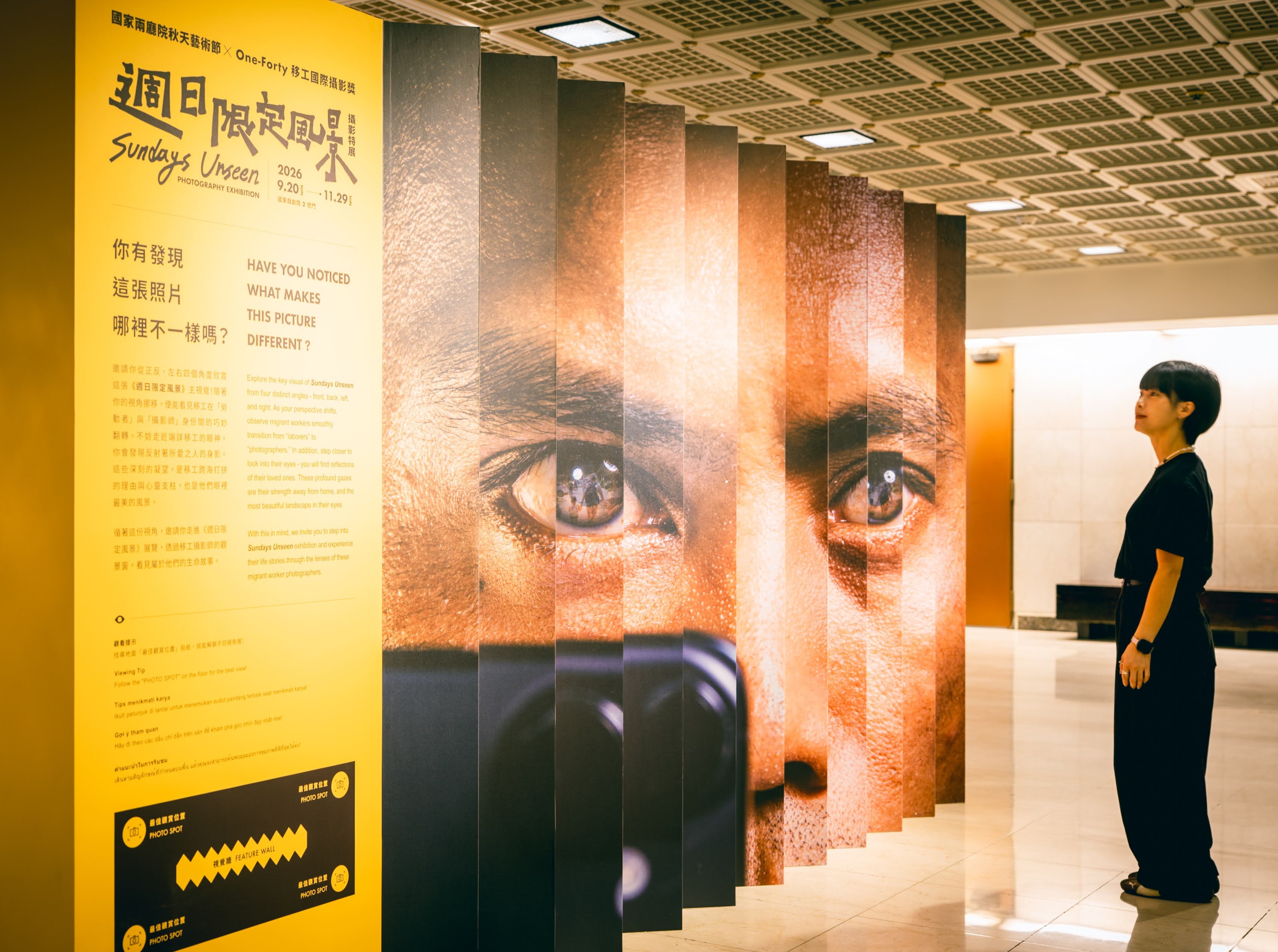
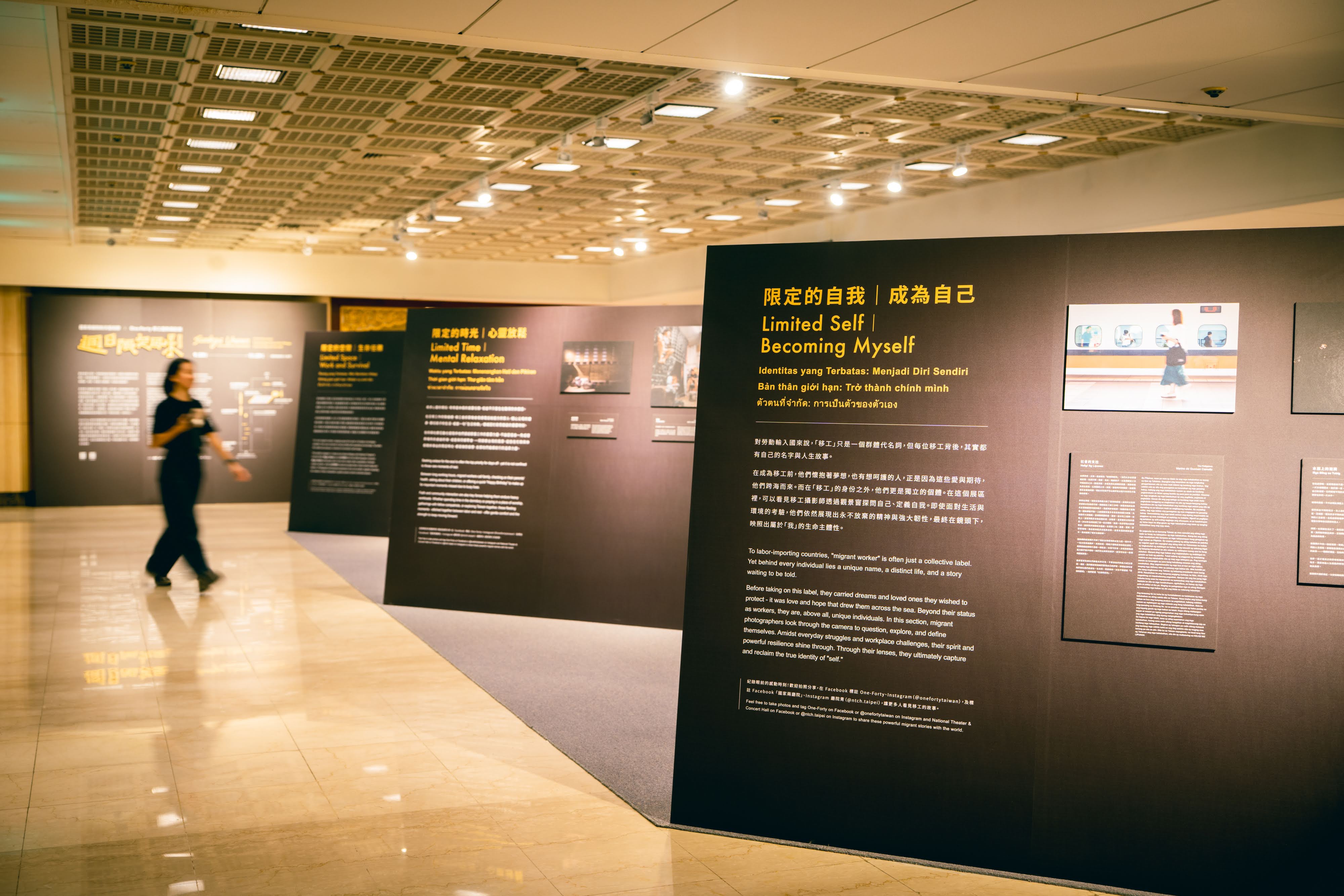
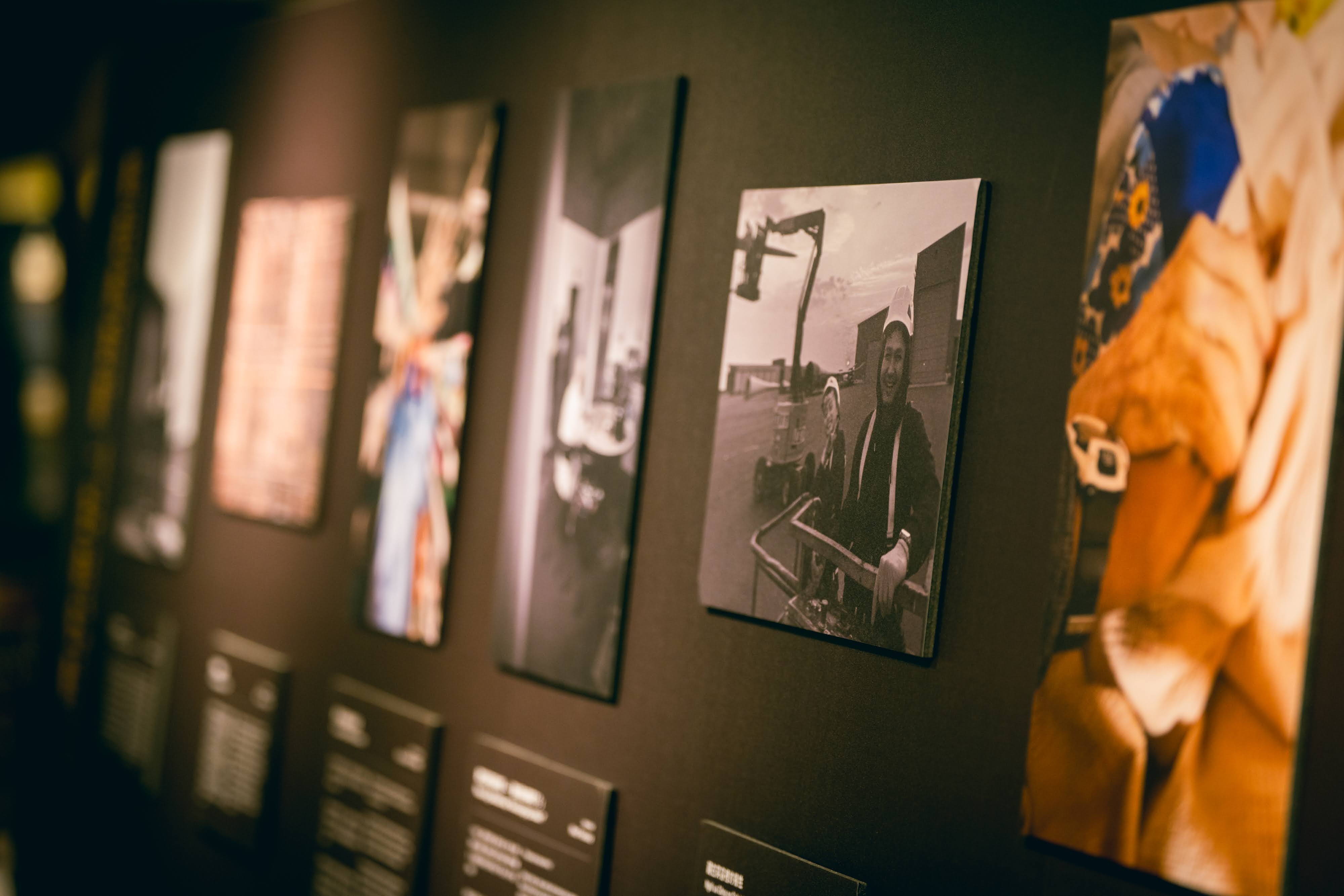
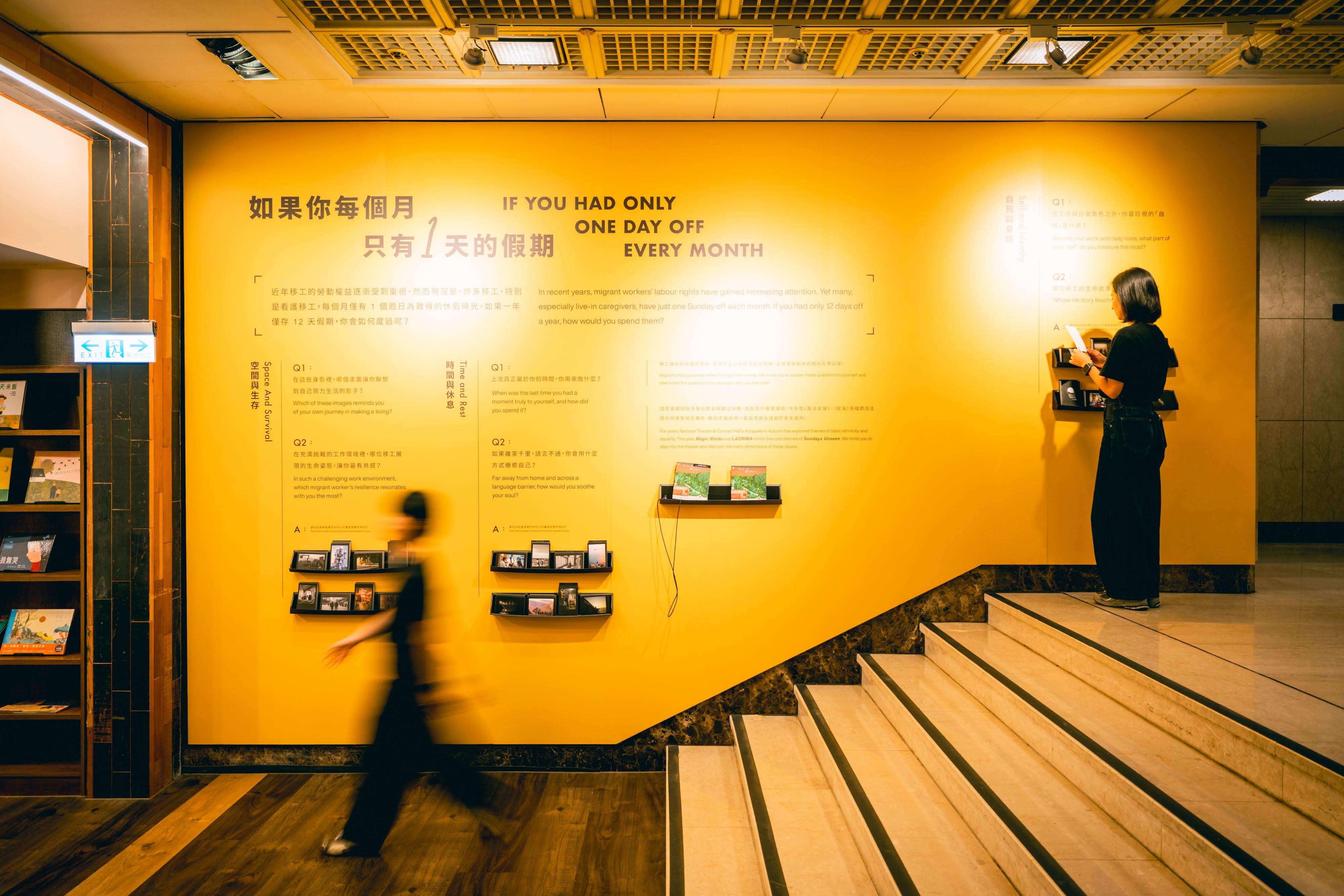
1 / 4 Image: National Theater and Concert Hall
- Dates
- Sep 20 – Nov 29, 2026
- Venue
- National Theater and Concert Hall (國家兩廳院) · Chiang Kai-shek Memorial Hall
- Address
- 臺北市中正區中山南路21-1號Chiang Kai-shek Memorial Hall MRT Station; the venue recommends Exit 5Open in Google Maps
- Hours
- 12:00–20:00
- Admission
- FreeOriginal: 免費
Visit planning
The calendar entry covers the whole run of the exhibition. Please check opening hours and closing days before your visit.
Nearby, after this one
Related exhibitions
Same genre · Photography
Credits
- Organized by
- National Theater and Concert Hall
- Co-organized by
- One-Forty
- In cooperation with
- ASML (designated sponsor of One-Forty), STARLUX Airlines (designated sponsor of One-Forty), 馬尼拉經濟文化辦事處勞工中心, 泰國貿易經濟辦事處勞工處(台北), 微波造浪
Knowledge cards
Photography攝影Making images by recording light, chemically on a light-sensitive material such as film, or electronically with an image sensor.Read moreClose
01About
In 1826 or 1827 Nicéphore Niépce first fixed an image captured with a camera, after an exposure of at least eight hours. His associate Louis Daguerre developed the daguerreotype, the first photographic process to be publicly announced and commercially viable; its details were made public in Paris in August 1839. Later materials cut exposures from minutes to seconds, and then to a fraction of a second. Labels may name how a print was made: the gelatin silver print is the most common process in black-and-white photography, and a chromogenic print, or C-print, is a colour print made from a colour negative, a transparency, or a digital image. A photograph is not always taken at the moment the shutter meets the scene. For Landscape Sublime (2013–), Anastasia Samoylova printed stock landscape images from the internet, built them into collages in her studio, and photographed them again; for Image Cities (2021–2022) she used telephoto lenses, reflections, and spatial compression to layer advertising, buildings, and passers-by into dense compositions.
02In the gallery
Choose one photograph, take in the whole frame, then step closer and look at its edges: what did the photographer keep inside the frame, and what was left out?
Wall label terms in Chinese
- 照片
- Photograph
- 曝光
- Exposure
- 明膠銀鹽相片
- Gelatin silver print
- 顯色印相(C-print)
- Chromogenic print (C-print)
03Notes
A photograph isn't always the instant the shutter fell; it may be staged or collaged and photographed again.
This time, at Sunday-Only Scenes | Special Exhibition of the International Migrant Workers Photography Award —
Looking at what's inside and outside the frame, was it caught in a moment, or arranged?