The Monthly
Tokyo Anthology: DecemberDecember, when clear days keep coming, in Tokyo's museums
Chosen by our editor and checked against each venue's official site. No paid listings. About this anthology
In December Tokyo keeps its dry, clear days, and the mornings and evenings turn colder. From the 17th to the 19th, stalls of hagoita line the grounds of Sensō-ji in Asakusa, with some ten thousand Edo oshi-e hagoita, decorative battledores, on display, from about 15 centimeters to about two meters long. The market is said to have begun when hagoita decorated with the faces of kabuki actors were sold at the year-end markets of the Edo period. There was also a custom of giving hagoita to homes with children at the end of the year. New Year's cards, sent at the year's end, are accepted five days later than usual this year, starting on December 20.
Here is our Tokyo anthology for December. May it be like browsing the hagoita stalls, and may you find one you like in it.
— Yu


1 / 6 Image: Edo-Tokyo Museum
In 1778, Maruyama Ōkyo painted two puppies: one white, one spotted.
Maruyama Ōkyo built his style on shasei, sketching from life, and tried to catch not only the forms of living things but their very presence. In Puppies (1778, Tsuruga Municipal Museum), two round-bodied puppies lie on pale silk: one white, one spotted.
In the An'ei era, when he painted it, Ōkyo was in his forties. Through Yūjō, abbot of Enman-in, he was connected to the court nobility, and with the backing of the great Kyoto merchant houses, the Mitsui first among them, he began to take on large screens. The next year he painted White Fox, and the year after that Tiger (1780), now at the Sainsbury Centre in Britain.
The Edo-Tokyo Museum in Ryogoku reopened at the end of March after about four years of renovation. In this special exhibition celebrating it, the work of Ōkyo, who lived in Kyoto, is set out in five chapters, one for each era name.
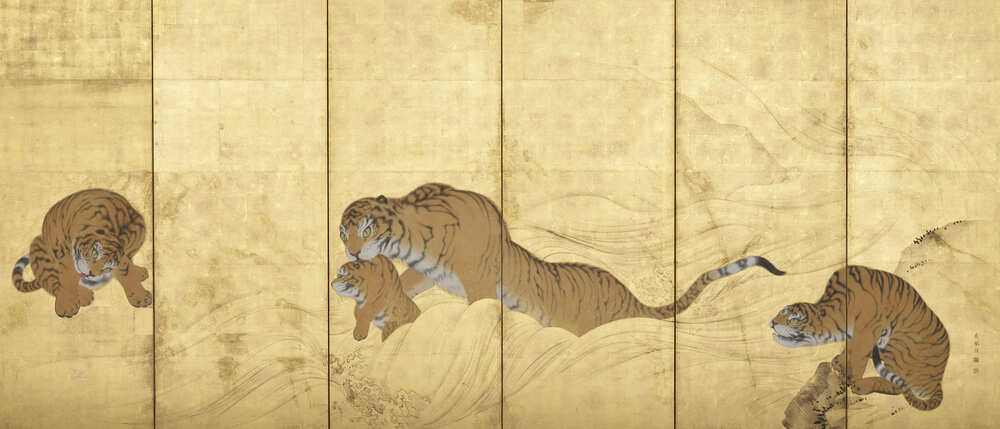
The tiger in Tiger sits on a rock, its mouth open, looking up.
- Works change during the run
- Open on certain days only


1 / 6 Image: National Museum of Western Art
In his last years, Turner painted a single whaling ship in a golden haze.
At the National Museum of Western Art in Ueno, the seas Turner painted face works from later times that answer them. Turner (1775–1851) painted shifting light and atmosphere, stormy seas, and the steam and smoke people began to put out in the Industrial Revolution. In Hurrah! for the Whaler Erebus! Another Fish!, shown in 1846, the shadow of a sailing ship melts into a golden haze while out on the sea the work of taking a whale goes on.
By Stormy Sea with Dolphins (around 1835–40), forms have retreated to the edges, and water and light in grey-white and yellow-brown fill almost the whole canvas. All of the more than eighty works here come from Tate in London, which holds more of Turner's work than anywhere else.
The exhibition also shows later works inspired by Turner. Hydra Decapita (2010), a film by the Otolith Group, formed in 2002, draws on the massacre aboard the slave ship Zong in 1781, Turner's The Slave Ship (1840, not in this exhibition) and Ruskin's writing on that painting.
In one scene of the film, waves break on a rocky shore, and out at sea a single black rock can be seen.
- Open on certain days only



1 / 6 Image: The National Museum of Modern Art, Tokyo
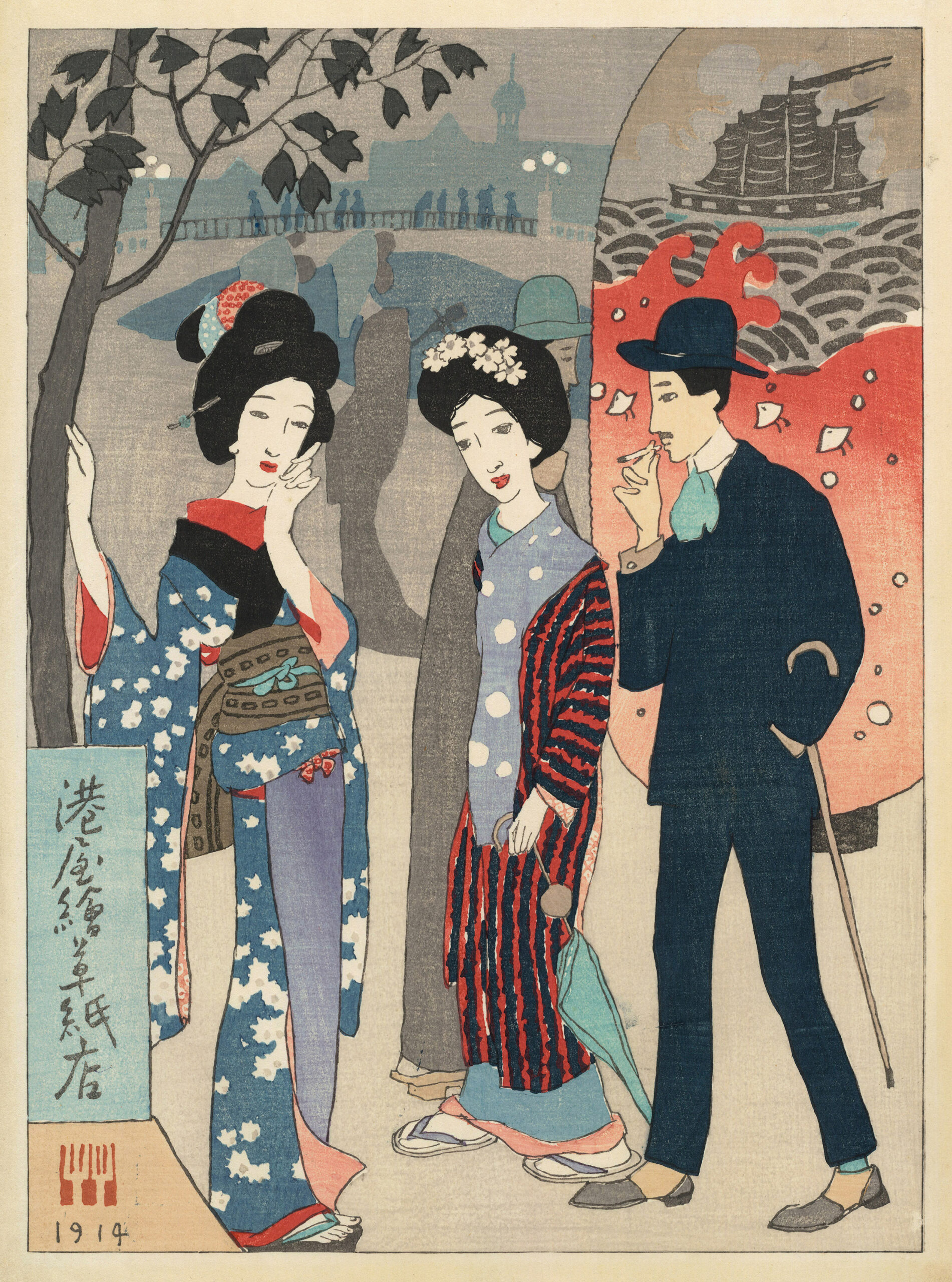
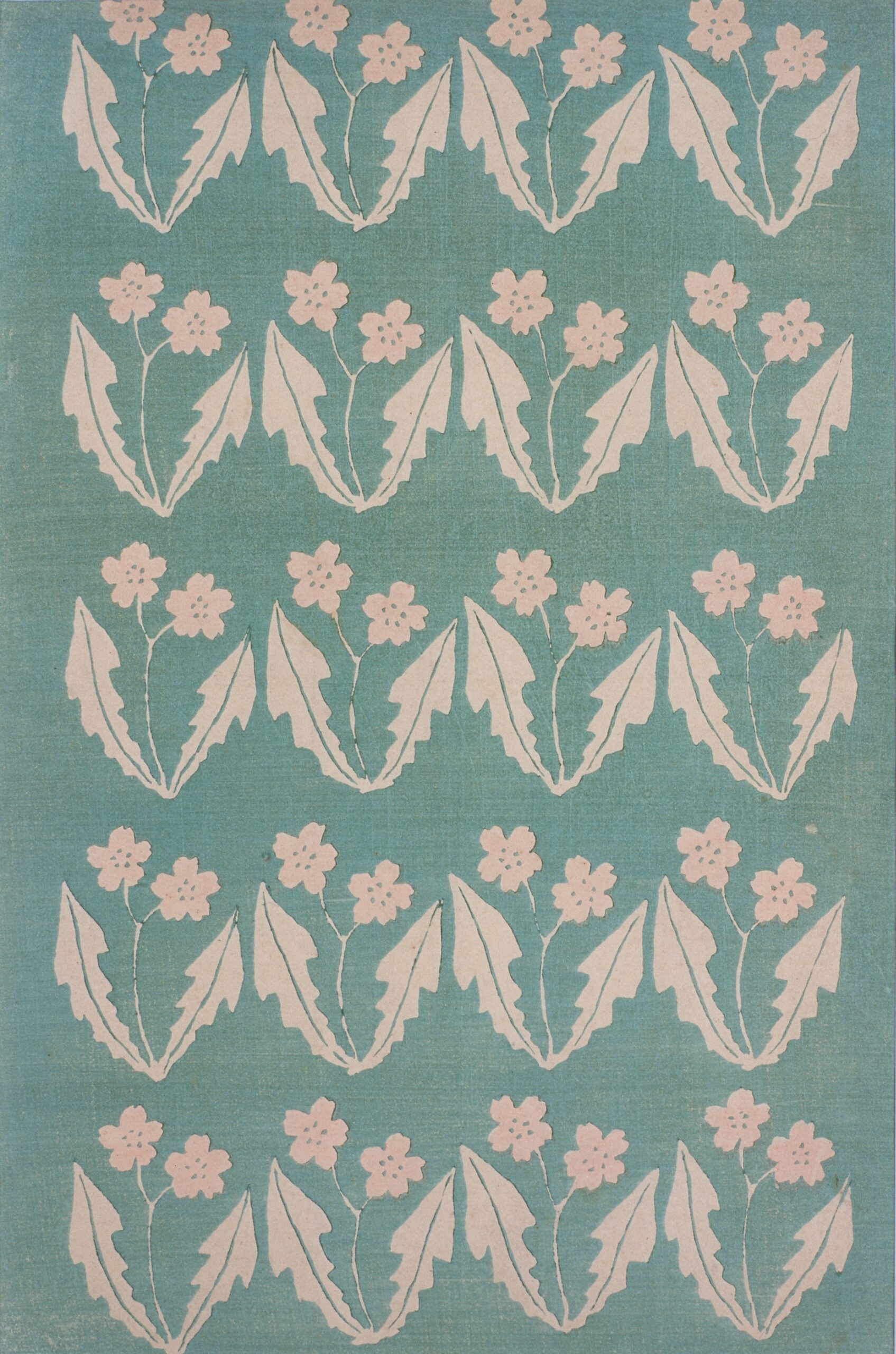
In 1914, Takehisa Yumeji opened a small shop in Nihonbashi, Tokyo, selling decorated paper and envelopes he had designed himself.
The Takehisa Yumeji exhibition at the National Museum of Modern Art, Tokyo follows the work of a painter who lived in Tokyo and rose and fell with it. In 1914 Yumeji opened Minatoya, a shop for picture books and prints, in Nihonbashi. On its shelves were chiyogami papers, picture postcards, envelopes and decorative kimono collars, all of his own design, and young painters came and went almost every day. Yumeji wanted to make everyday life beautiful. Around this time he met a young woman, Kasai Hikono.
Thirteen years earlier, in the summer of 1901, the seventeen-year-old Yumeji had come to Tokyo. Working his way through school, he kept sending in contributions, and in time came to draw and write for newspapers and magazines. The words of the popular song "Yoimachigusa" are his. His slender, large-eyed women came to be called "Yumeji style" and became the defining pictures of Taishō Romanticism.
Hikono later fell ill with tuberculosis. In the Edo period, keeping a black cat was believed to cure the disease. Kurofuneya (1919) shows a woman in a kihachijō kimono holding a black cat, seated on a wooden box marked "Kurofuneya", and it is thought he painted it with the sick Hikono in mind. The museum has gathered some 500 works from across Japan, and Kurofuneya is shown in Tokyo for the first time in about forty years.
In 1923 the Great Kanto Earthquake left Tokyo a burnt plain. Yumeji went out into the streets and sketched the stricken city (Earthquake Sketches: Tsukiji Holy Trinity Church). After that his popularity declined. In Shōnen Sansō, the house and studio he designed himself, he made art dolls, and in his last years he planned to open an art institute on Mount Haruna in Gunma.
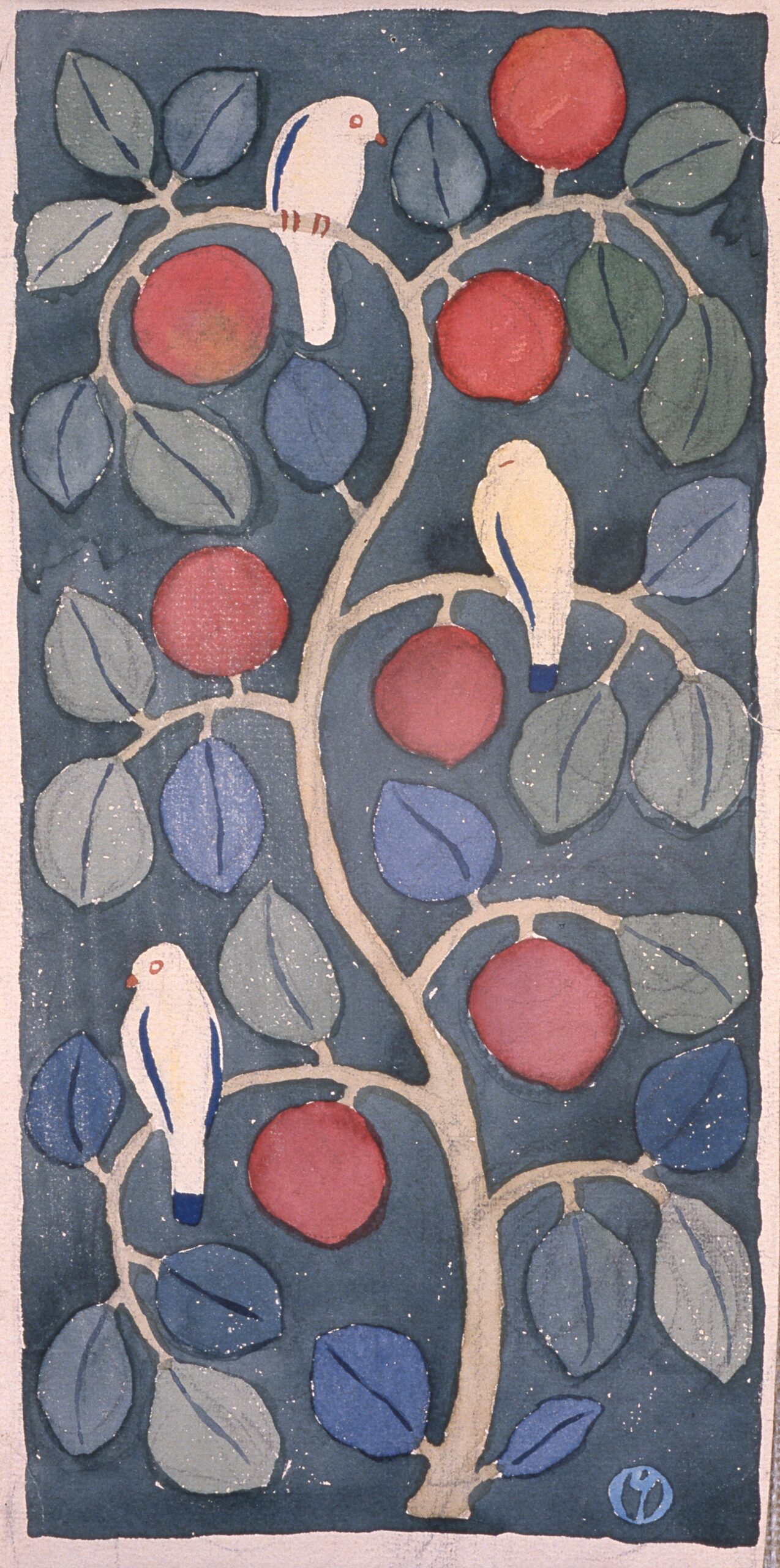
One original design for a kimono collar from the Minatoya days: on a deep indigo ground a small tree grows, and among its red berries perches a little white bird.
- Works change during the run
- Open on certain days only


1 / 5 Image: The National Art Center, Tokyo
In 1515, Dürer made a woodcut of a rhinoceros he had never seen.
In Renaissance Europe, people pictured faraway things from the letters and sketches that reached them. In 1515 a rhinoceros arrived in Lisbon from India and was presented to the King of Portugal. In Nuremberg, Albrecht Dürer, without seeing the animal, cut his woodcut Rhinoceros from a letter and a sketch that had reached him. Its skin overlaps like plates of armour, and on its back is a second, smaller horn.
It looked nothing like the real animal, but the print was pulled again and again, and for a long time Europeans pictured the rhinoceros this way.
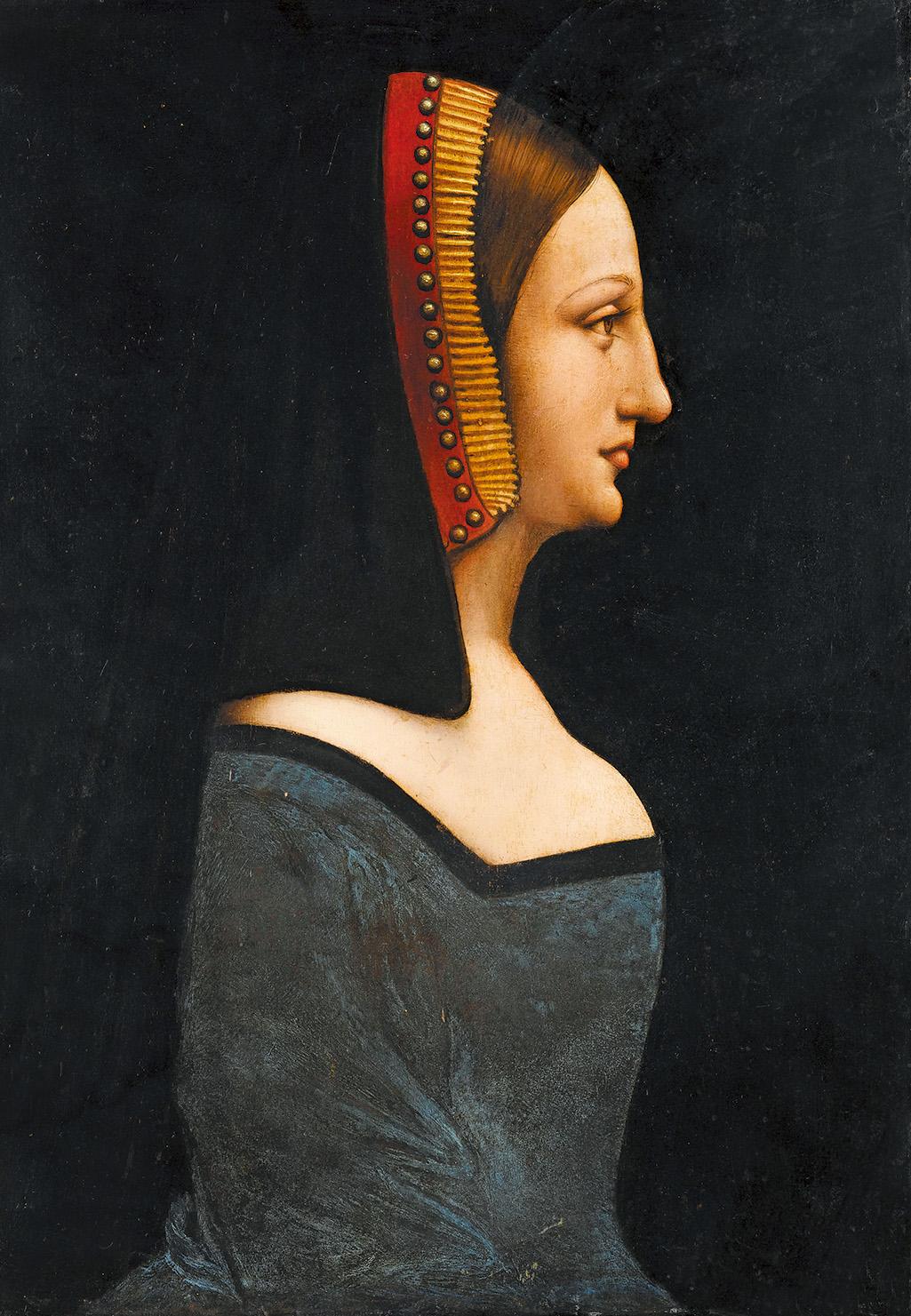
This exhibition at the National Art Center, Tokyo in Roppongi shows some fifty works from the Louvre, taking Leonardo da Vinci as its starting point, in four themes: travel, technique, antiquity and the portrait. Among them is The Reception of the Venetian Ambassadors in Damascus (around 1511), by a Venetian painter.
In that painting the governor sits on a dais in the middle of Damascus, receiving the Venetian envoys in their black robes. Nearby are a camel and a deer.
- Booking required


1 / 4 Image: Yamatane Museum of Art
For its sixtieth anniversary, the Yamatane Museum of Art had four painters create new works.
The Yamatane Museum of Art in Hiroo presents The Best of the Yamatane Collection II, from Higashiyama Kaii and Hirayama Ikuo to Senju Hiroshi and Yamaguchi Akira, about forty masterpieces of Japanese-style painting from the postwar years to the present, all from the museum's own holdings.
The museum opened in 1966 as Japan's first museum devoted to Nihonga, and in 2026 it turns sixty. The new works were painted by four artists, Miyasako Masaaki, Morita Rieko, Fukuda Miran and Yamaguchi Akira, and include Miyasako's Hanra and Fukuda's Hanmyō.
Among the postwar masters are four works by Higashiyama Kaii (春静, 緑潤う, 年暮る and 秋彩) and Hirayama Ikuo's Royal Palace of Babylon, through to Senju Hiroshi's Waterfall. There are also early works by painters who entered the Yamatane Museum Prize, such as Tabuchi Toshio's Wajū no Mura, Nishida Toshihide's Keman and Yasuhara Narumi's Ugo no Hōhō.
Yamaguchi Akira's 東京圖 1・0・4 輪之段 is also on view.

1 / 5 Image: Mitsubishi Ichigokan Museum, Tokyo
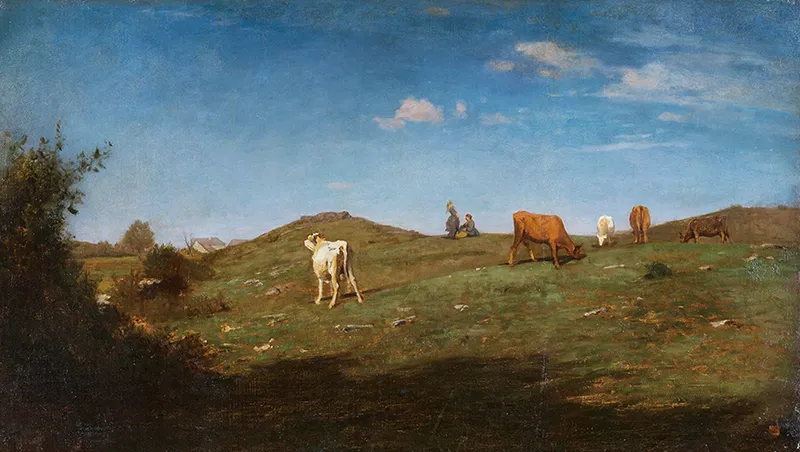
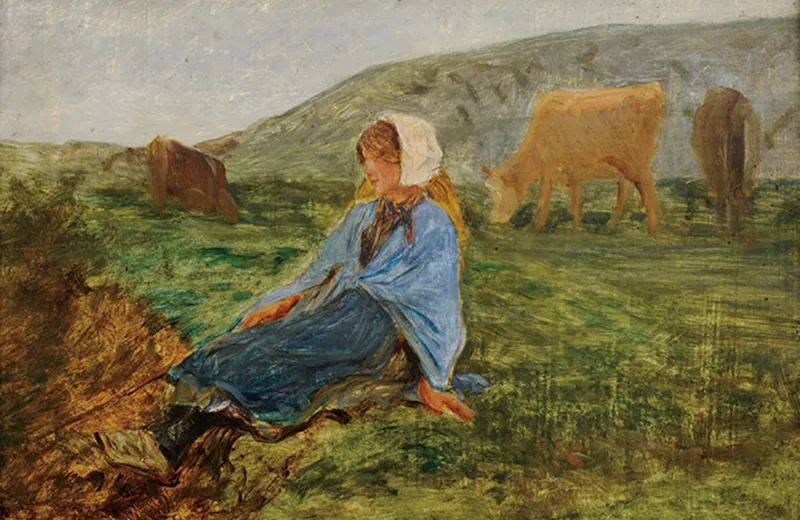
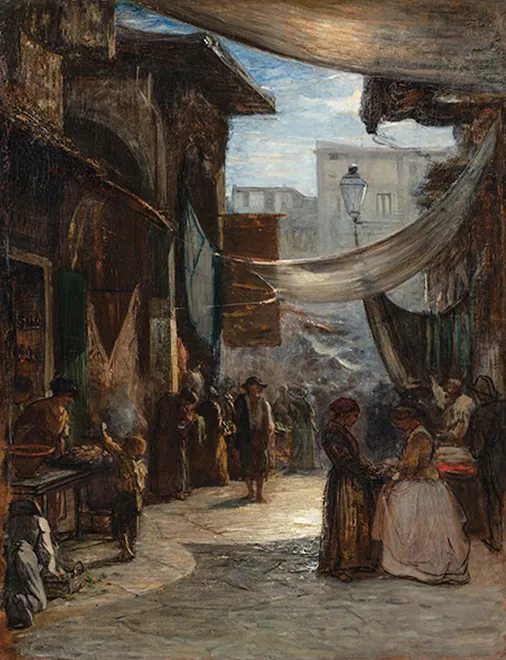
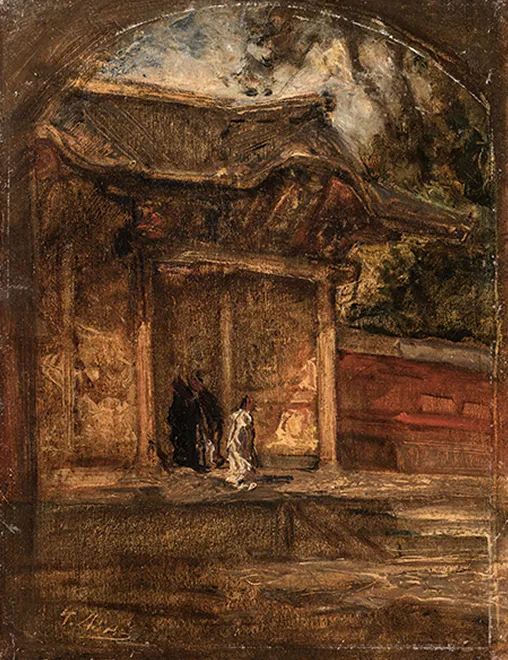
In 1876, an Italian landscape painter came to teach at an art school in Japan.
This exhibition at the Mitsubishi Ichigokan Museum in Marunouchi surveys the work of Antonio Fontanesi (1818–1882), from his early years to his last, in about 200 works. It is the first major retrospective in Japan, held with the cooperation of the GAM, Turin's Galleria Civica d'Arte Moderna e Contemporanea.
Fontanesi was born in Reggio Emilia, in northern Italy, and in 1848 joined the war of independence as a volunteer. He later based himself in Geneva, and in 1869 became professor of landscape painting at the Accademia Albertina in Turin. In 1876 he was invited to the Technical Fine Arts School (Kōbu Bijutsu Gakkō) as an oyatoi gaikokujin, a foreign adviser hired by the Japanese government, and taught painting in Japan for two years.
The show also looks at his ties to his Japanese pupils, Asai Chū and Koyama Shōtarō. From Bujey Plateau (1859–60) to Clouds (1880), 200 centimeters high and 301 wide, works held by the Turin museum have come to Tokyo.
- Works change during the run


1 / 6 Image: Tokyo Opera City Art Gallery 浅野友理子 《土の戯れ》 2024 作家蔵
Even in the cracks of Tokyo's roadsides and vacant lots, introduced species and plants that grew up on their own have put down roots.
This exhibition at Tokyo Opera City Art Gallery in Hatsudai turns to the gaps in the city, such as roadsides and vacant lots. Most city dwellers live far from the soil, but in the city's gaps, introduced and native plants and creatures living alongside concrete and plastic are making new ecosystems. Seeds carried on the wind put out roots where they land and draw up nourishment. Living by gently taking change on, neither resisting nor going back, the museum writes; the exhibition's title, Seeds and Roots, refers to this.
Ten artists look at the relationship between the city and nature through the daily acts of living, dressing, eating and excreting. The galleries are laid out like a community garden in the city, or a garden where many plants stand side by side.
Mika Kato stopped showing her work in 2006, lived with her family in a small wood in Mie, and showed new work in 2024. Hatsune Suzuki processes her own materials from Jerusalem artichoke stalks, sand, soil and lime from burnt shells. Her works are born from nature and return to nature, the museum says.
Yoko Daihara's I Want Roots (2025) is wool tufted like a rug. From a bulb-like shape in the middle, roots and branches in deep purple, brown and orange reach out in every direction.


1 / 6 Image: Tokyo Metropolitan Art Museum
In a field after the harvest, three women bend over, picking up fallen ears of wheat.
The Musée d'Orsay exhibition at the Tokyo Metropolitan Art Museum in Ueno takes What a Wonderful World as its theme. Millet's The Gleaners (1857), back in Japan for the first time in twenty-three years, is among the works. In the background the harvest is piled up like hills, while the women in front pick up the ears left on the ground. Fallen ears were left on purpose, for poor farmers who had no fields.
In the nineteenth century, as industry grew and society changed greatly, painters turned to the "now" around them. From the Orsay's collection of some 100,000 works, about 110 paintings, sculptures, crafts and photographs have been chosen that show people finding small joys in daily life and living robustly through turbulent times. It is a theme chosen by the Tokyo Metropolitan Art Museum for its 100th anniversary and the Musée d'Orsay for its 40th.
Of The Floor Scrapers (1875), which Caillebotte painted at twenty-seven, the museum writes that whether you see the joy of living in it differs from person to person.
Three craftsmen, stripped to the waist, kneel and scrape a wooden floor. Light comes in through a balcony window, and shavings lie scattered across the floor.
1 / 6 Image: Suntory Museum of Art
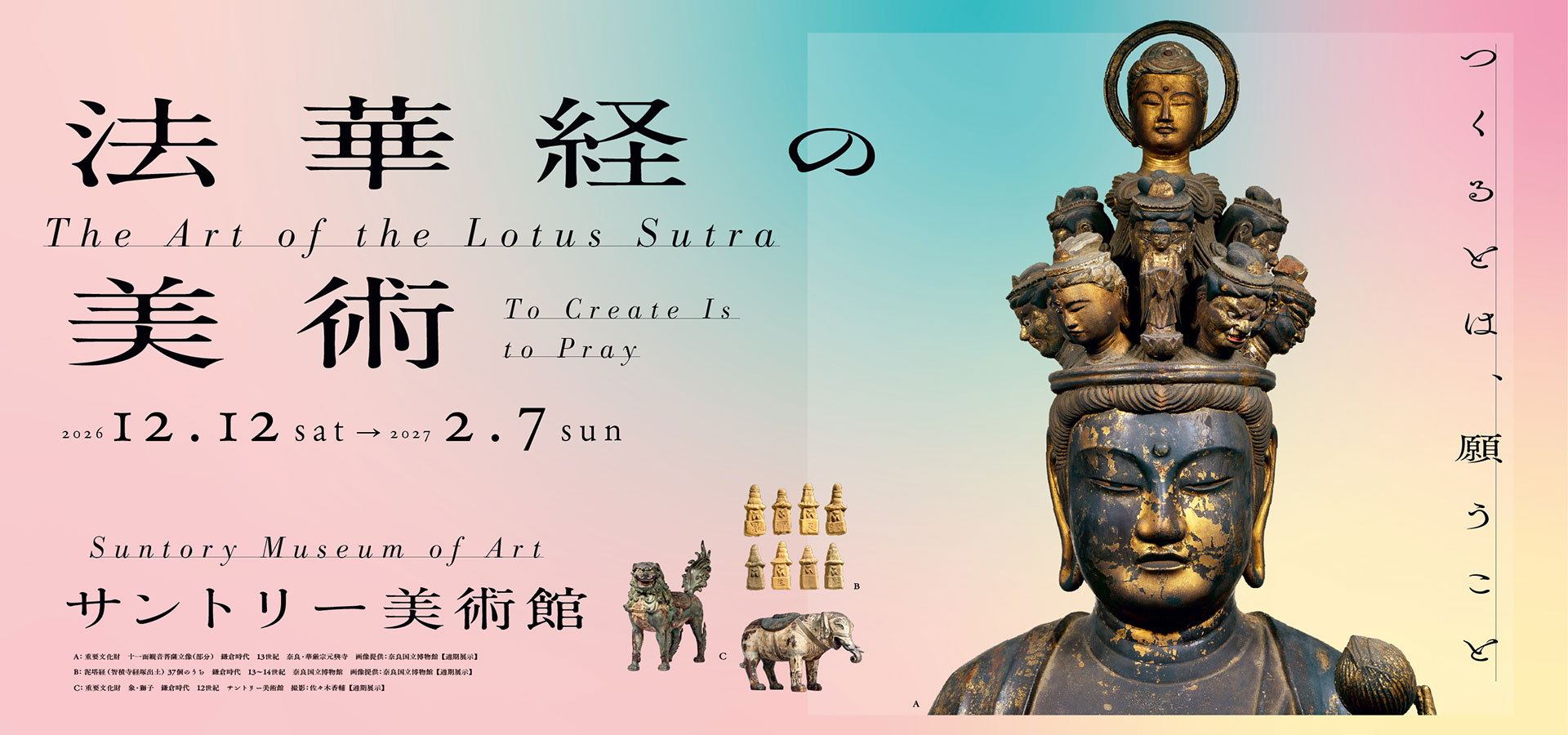
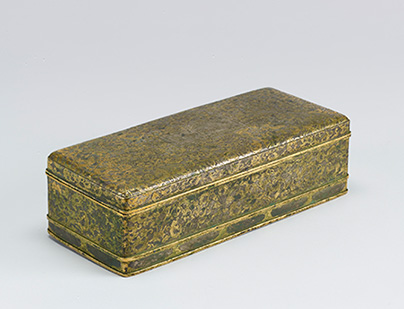
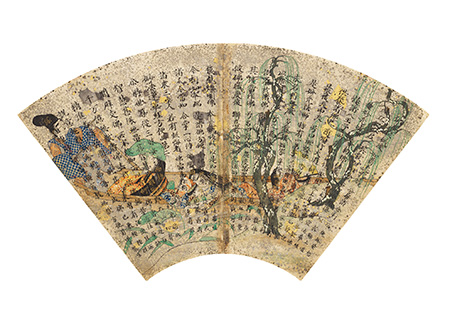
The Lotus Sutra teaches that copying the sutra, building a pagoda or making a Buddha image are all acts that lead to salvation.
This exhibition at the Suntory Museum of Art in Roppongi shows what people have made around the Lotus Sutra. The sutra teaches that all people can equally attain Buddhahood and be saved from the sufferings of this world. It took shape in India from before the Common Era to around the 3rd century, and reached Japan in the Asuka period by way of China and the Korean Peninsula.
Copying, adorning, building pagodas, making Buddha images. The Lotus Sutra counts such acts of making as sakuzen, the good works needed for salvation. The galleries are organized in three chapters, pagoda building, sutra copying and dedication, and image making, with a prologue and a closing section on early-modern painters.
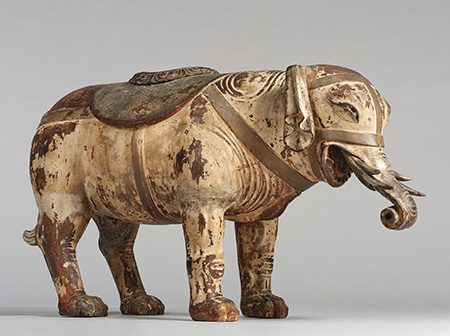
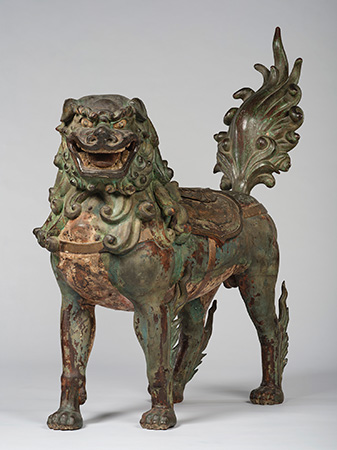
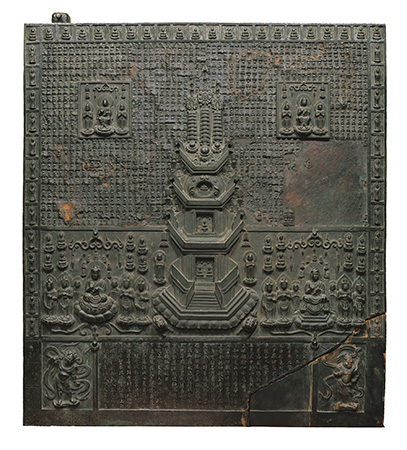
Among the works are the National Treasure Bronze Plaque Showing the Preaching of the Lotus Sutra (Asuka to Nara period, 7th–8th century), the National Treasure Gilt Sutra Box with Hōsōge Floral Design (1031), and the Important Cultural Properties Elephant and Lion (Kamakura period, 12th century). Elephant and Lion are thought to have been the pedestals of the bodhisattvas Fugen and Monju. They entered the Suntory Museum's collection in 2025 and are shown publicly for the first time since, with their original colors and cut-gold patterns still visible.
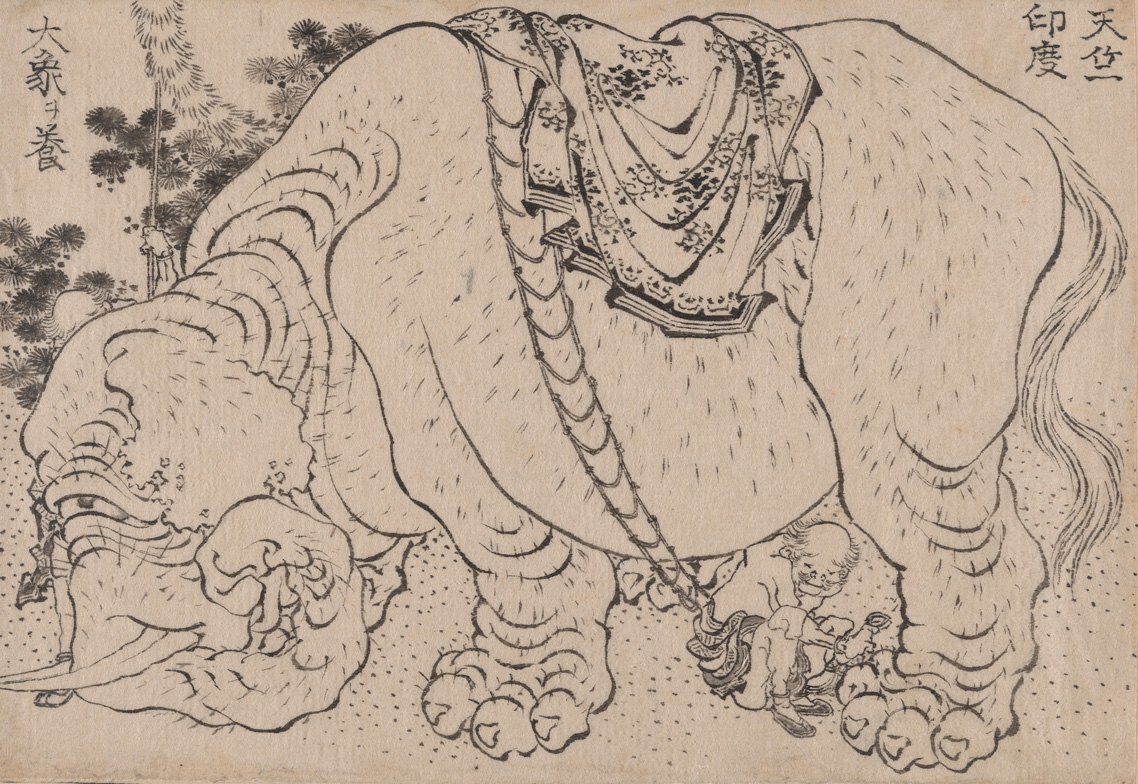
Katsushika Hokusai too believed in the Lotus Sutra, and is said to have recited a passage as he walked when he went out.
- Works change during the run
1 / 4 Image: Panasonic Shiodome Museum of Art
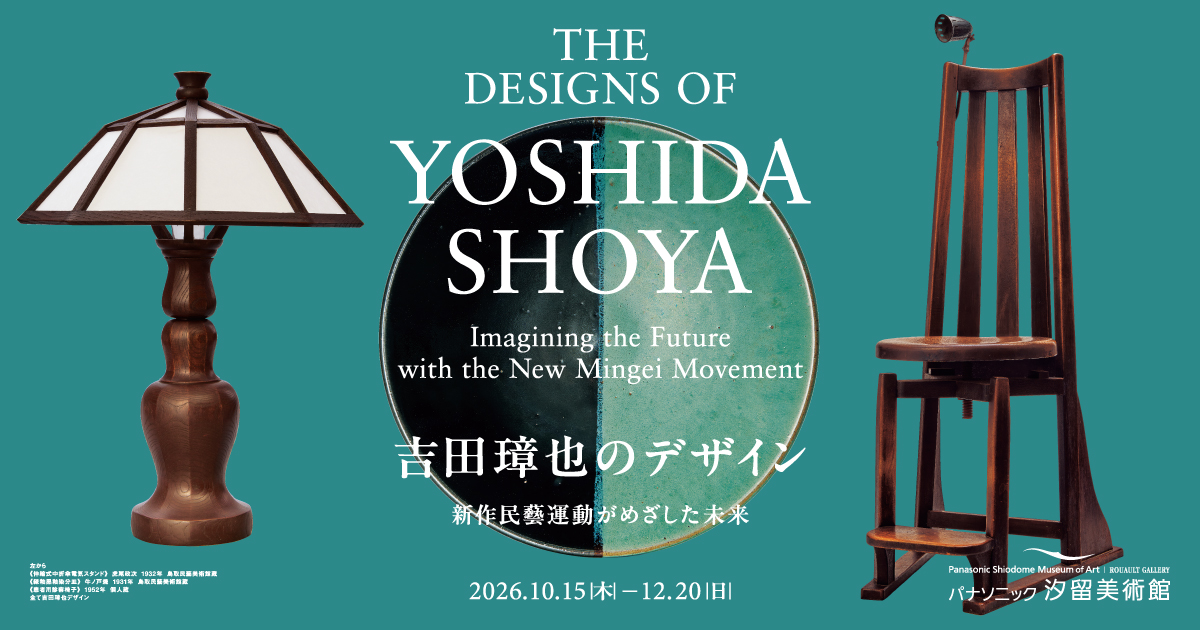
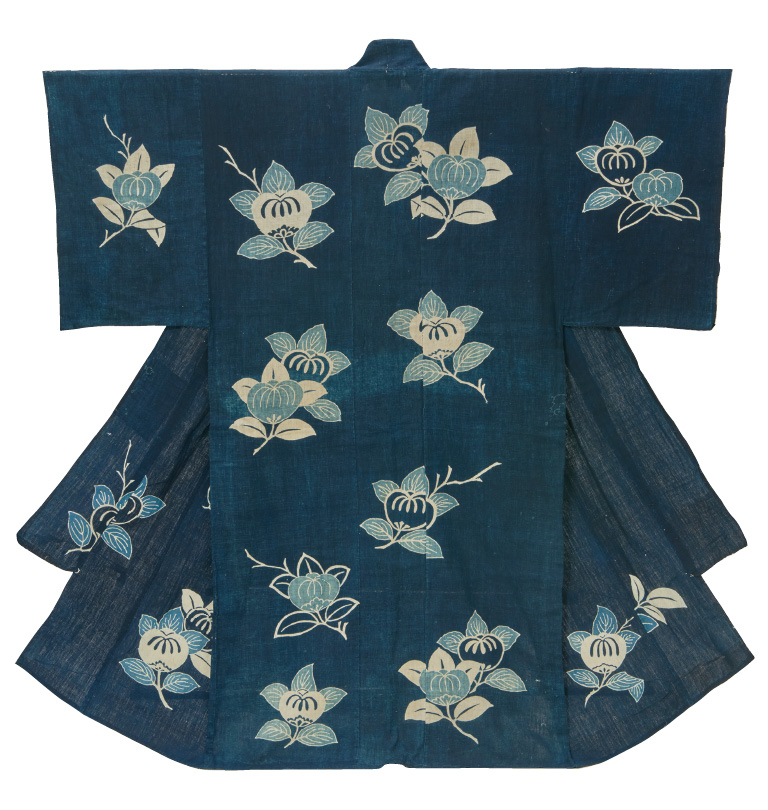
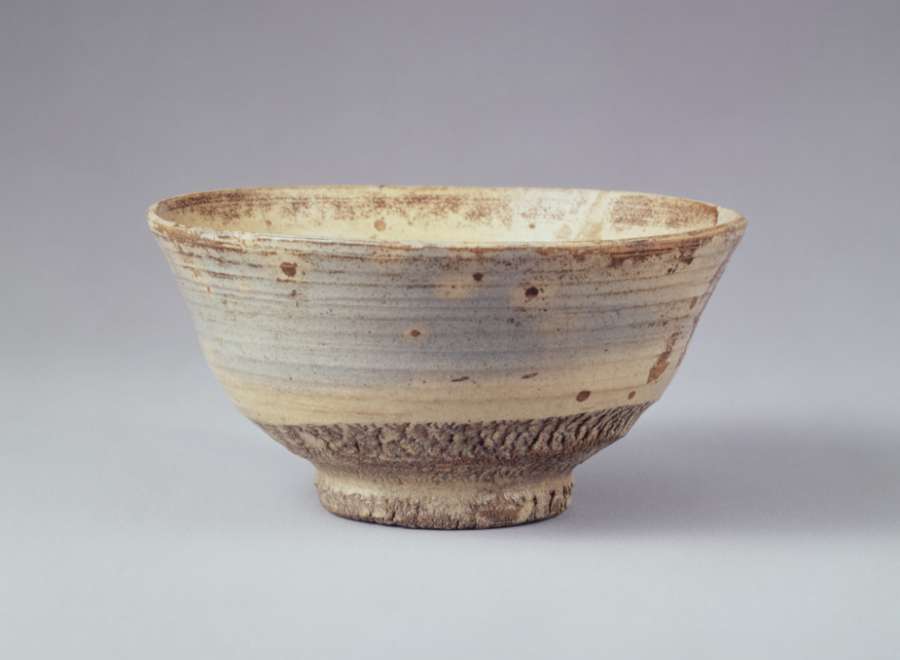
An ear, nose and throat doctor became the "producer" of mingei, the folk-craft movement, in Tottori.
This exhibition at the Panasonic Shiodome Museum of Art in Shimbashi is the first in Tokyo to carry the name of Yoshida Shōya (1898–1972) and introduce his work.
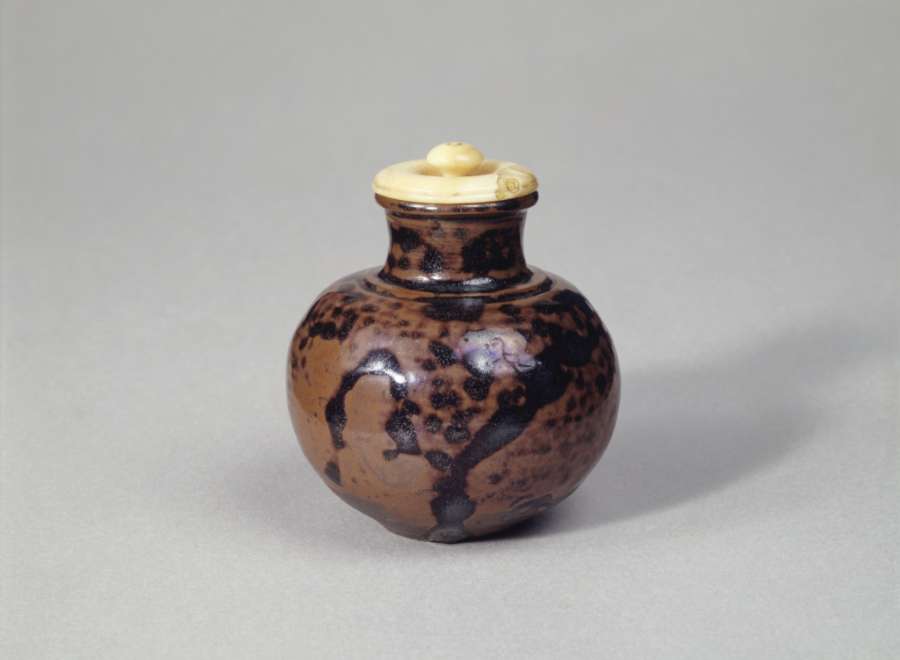
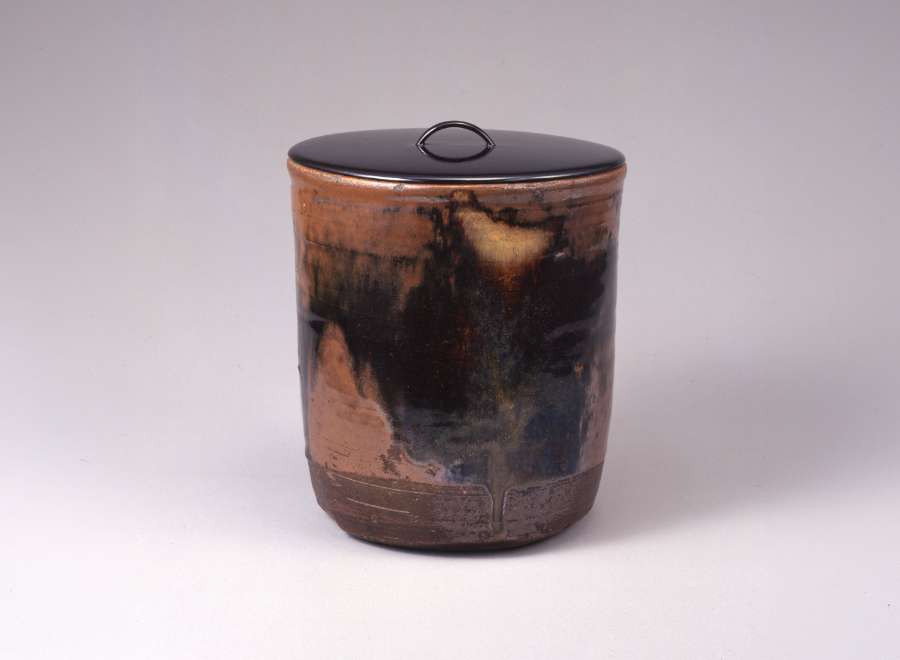
Yoshida opened an ear, nose and throat clinic in Tottori in 1931. He revived Ushinoto ware and, working with artisans in ceramics, woodwork, metalwork, textiles and washi, handled everything from design to production, distribution and sales. He set up a shop, Takumi Kōgeiten, and founded the Tottori Mingei Museum to show what he collected. He studied under Yanagi Sōetsu, and Kawai Kanjirō called him the "mother" of mingei, with Yanagi as the "father."
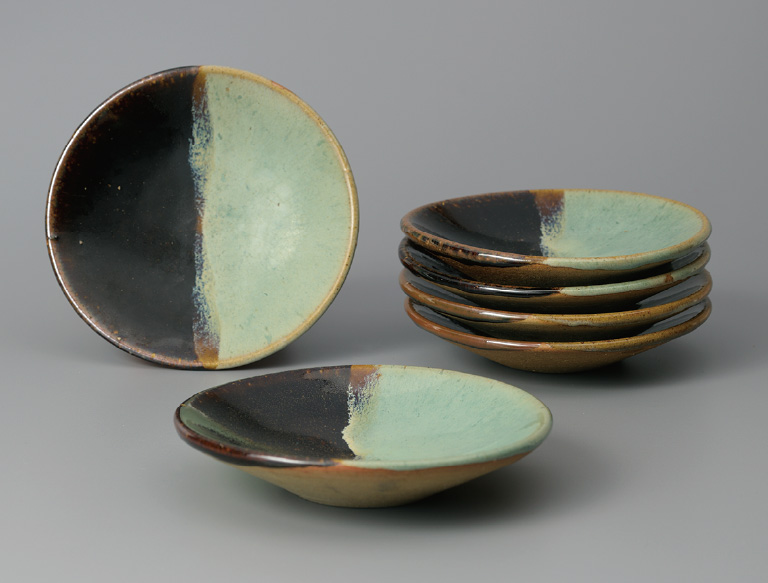
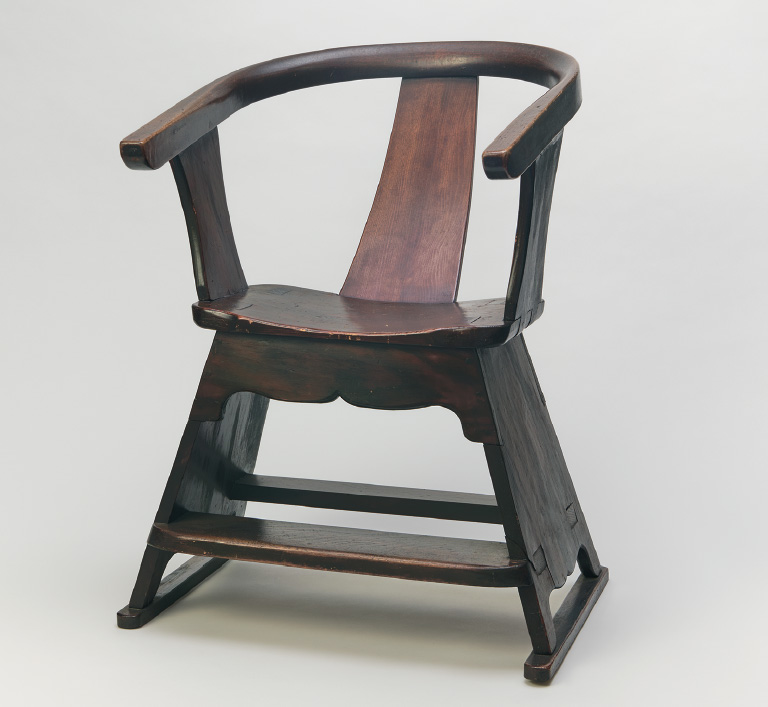
About 300 items are shown, among them a small dish with green and black glaze that Yoshida designed in 1931, and everyday objects from the early 1950s such as a bread board and a bamboo shoulder bag.
Parts of the former Yoshida Clinic and his former home are rebuilt at full size in the galleries.
- Booking required


1 / 5 Image: Artizon Museum
The painters who studied in Europe drew models, copied masterpieces, and painted the landscapes of the places they stayed.
At the Artizon Museum in Kyōbashi, this exhibition shows, with more than 100 works from the Ishibashi Foundation Collection, the paintings that Western-style painters made on the spot after going to Europe to study from the Meiji era onward.
Figure paintings made in front of a model, nude drawings from art school, copies of masterpieces, landscapes painted outdoors. Kuroda Seiki's Needlework (1890), Fujishima Takeji's Black Fan (1908–09, an Important Cultural Property), Saeki Yūzō's Advertisement on the Terrace (1927), Fujita Tsuguharu's Paris Landscape (1918). Two recent acquisitions, Hazama Inosuke's Nice Promenade (1935) and Takashima Yajūrō's Foggy Day (1930–33), are shown too.
Copies are here as well. In 1903 Wada Eisaku copied Corot's Memory of Castel Gandolfo. In 1938 Takada Rikizō copied Ingres's The Source.
1 / 4 Image: Mitsui Memorial Museum
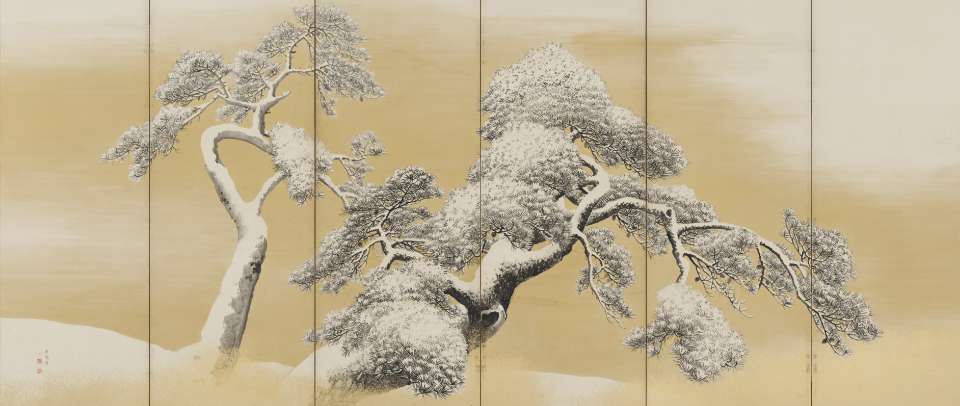
To paint snow, Maruyama Ōkyo did not use white paint; he left the paper bare.
The Mitsui Memorial Museum in Nihonbashi shows the National Treasure Snow-Covered Pines screens (Maruyama Ōkyo, Edo period, 18th century) every year from the end of the year into the new year. This year it lines up paintings, calligraphy and crafts that express the seasons and the weather, looking at technique and at mitate, the art of letting one thing stand for another.
In the Snow-Covered Pines screens, the snow is shown by leaving the paper bare, and gold pigment and gold sand are also used.
Three sets of Heian-period poem sheets, the Tsugi-shikishi, the Sunshōan-shikishi and the Masu-shikishi, are shown together, which has not happened in about six years. The four-screen Seaside Scenes of the Four Seasons (Maruyama-school style, artist unknown) is shown to the public for the first time.
Mizuno Toshikata's Mitsui Konomi, Miyako no Nishiki: Morning Snow (1904) is thought to have doubled as an advertisement for the Mitsui kimono shop, and some see the fashion of the day in the clothes of the figures.
Major shows beyond Tokyo
Major exhibitions at museums around Japan, outside Tokyo.

1 / 5 Image: Nakanoshima Museum of Art, Osaka 主視覺(展名・會期)
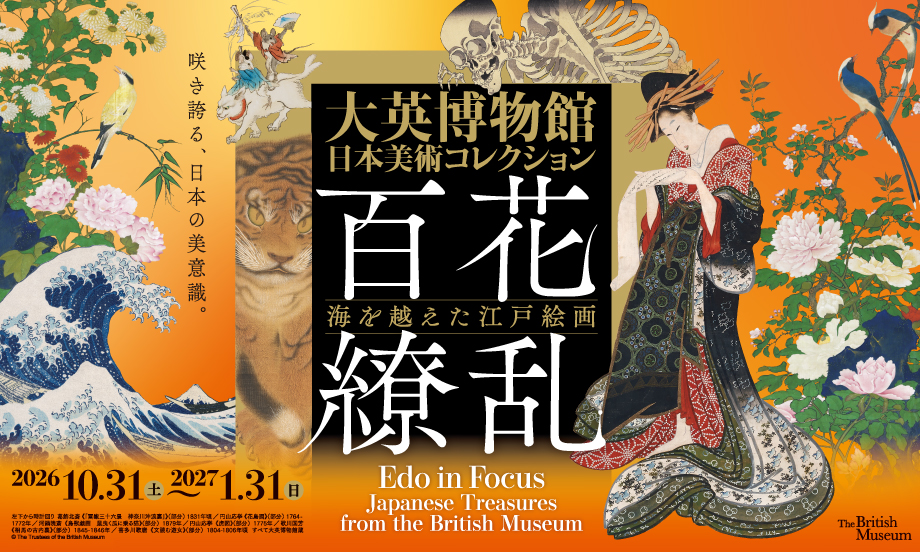
Aomori, London, Seattle: a set of sliding-door paintings that came apart is reunited in Osaka.
In the British Museum exhibition at the Osaka Nakanoshima Museum of Art, a set of fusuma paintings split between Aomori, London and Seattle comes together for the first time in about 150 years. They are Kanō school paintings with gold and silver decoration, made between the end of the Momoyama period and the beginning of the Edo period. Recent research has shown that Kanō Sōgen Shigenobu's Birds and Flowers of Autumn and Winter, in the British Museum since 1937, and Birds and Flowers in Spring, handed down in the Miyakoshi family, an old household in Nakadomari, Aomori Prefecture, belong to the same set. Masaharu, the ninth head of the Miyakoshi family, bought them in Tokyo in 1922 and installed them in Shimuan, a detached house.
On the back of Birds and Flowers of Autumn and Winter there were originally paintings of immortals at the four arts of the zither, go, calligraphy and painting. In the 1930s the fronts and backs were separated, and the back panels have been at the Seattle Art Museum in the United States since 1951.
The British Museum's collection of Japanese art numbers about 40,000 objects. This touring exhibition, of Edo-period screens, hanging scrolls and handscrolls plus more than a hundred prints by eight ukiyo-e artists from Suzuki Harunobu to Utagawa Kuniyoshi, was at the Tokyo Metropolitan Art Museum in Ueno from July to October before moving to Osaka.
On the Miyakoshi panels, wild cherry trees in thickly built-up white paint run from a stream in the thaw to the full bloom of spring. The flying geese carry straight on into the British Museum's panels.
- Works change during the run


1 / 6 Image: Osaka City Museum of Fine Arts 主視覺(展名・會期)
Ming calligraphy from the He Chuangshi Foundation in Taipei, and how Ming calligraphers copied Wang Xizhi.
Wang Xizhi was a calligrapher of the Eastern Jin in the fourth century, later called the Sage of Calligraphy. None of his own brushwork survives; those who learned from him relied on copies traced and carved, generation after generation. For anyone studying calligraphy in China, copying Wang Xizhi was a road nearly everyone walked.
Dong Qichang's Discourse on Calligraphy and Copy of Wang Xizhi's Seventeenth Day Letters, in cursive script, dates from the 35th year of Wanli (1607). The Seventeenth Day Letters are a collection of Wang Xizhi's letters in cursive. In the one work, Dong copies the letters and also sets down his own views on calligraphy; the museum describes it as a work in which his own theory and his copy of Wang Xizhi stand side by side, flowing and refined.
Wang Duo's Copy of Wang Xizhi's Yishi Letter is from the seventeenth century. It is called a copy, but it does not follow the original. The museum calls it a free work of lianmiancao, "linked cursive," in which several characters are written in one unbroken run. The style was popular in the Ming, and calligraphy came to be as personal as the expression of feeling, each hand its own. Eight works by Wang Duo are shown.
All 82 works in this exhibition at the Osaka City Museum of Fine Arts are lent by the He Chuangshi Calligraphy Foundation in Taipei, and 72 of them are shown in Japan for the first time. They fall into two chapters: the flourishing cities of the mid and late Ming, and the turmoil of the late Ming and early Qing. In Edo-period Japan too, the karayō style, modeled on the hands of Wen Zhengming and Dong Qichang, was in fashion. The exhibition's main image is Fu Shan's Wild Writing After Drinking, in cursive, its strokes looping and tangling until the edges between one character and the next can hardly be seen.
If you have seen a good exhibition that isn't written up here yet, I would be glad to hear about it: hello@anthology-art.org
About this anthology: chosen each month by our editor, Yu. Every exhibition is checked against the venue's official site (as of Oct 29, 2026), and no listing is paid for. If dates or prices change, please refer to the venue's own announcement.
The Japanese original of each title and venue name is shown in gray below it.
A little more art in your life
Every month, we write a letter about exhibitions we love and why we recommend them. Subscribing is free, and you can cancel at any time.
We will use your email address only to send the newsletter. Privacy
Seoul · Taipei
Anthology in other cities. Each is its own local edition, opening with this month's anthology.