Opens in 20 days#Painting
The Era of Art Education—Ink Art Education and Professor Huang Guangnan’s Solo Exhibition
Chinese original:
藝教紀元—水墨藝術教育暨黃光男教授創作特展
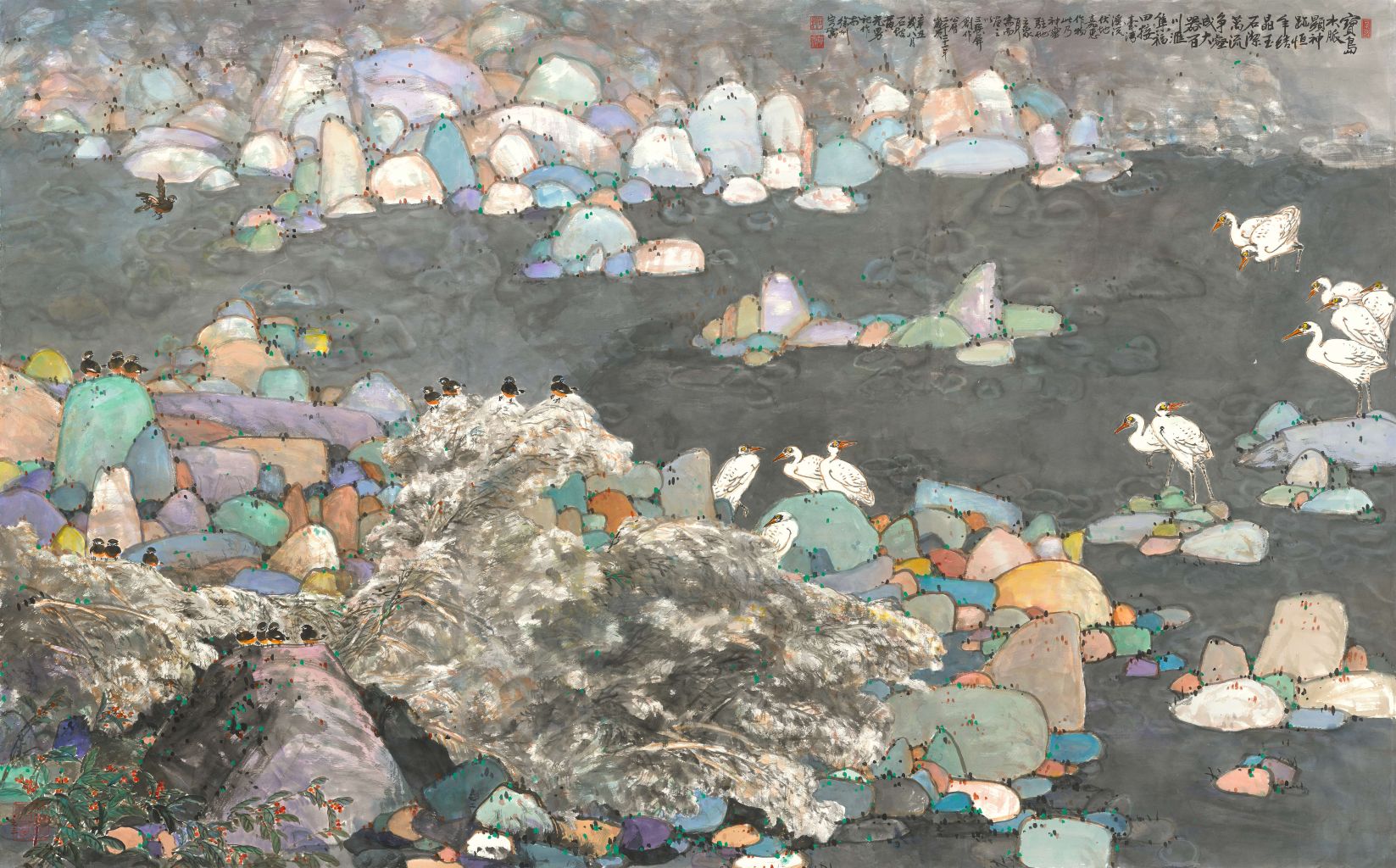
Drawing on works by noted artists in the Center's own collection, the exhibition traces how ink painting education developed in Taiwan. It also takes Professor Huang Kuang-nan as a case, showing his creative process and teaching ideas, and how ink painting carries tradition forward in the classroom while taking in a modern outlook. It is in Exhibition Halls 1 and 2 from 28 November to 27 December 2026.
- Dates
- Nov 28 – Dec 27, 2026
- Venue
- National Taiwan Arts Education Center (國立臺灣藝術教育館) · Nanhai Academy & Botanical Garden
- Address
- 臺北市中正區南海路47號MRT Chiang Kai-Shek Memorial Hall Station Exit 1 or 2, or Xiaonanmen Station Exit 3Open in Google Maps
- Hours
- 09:00–17:00Closed: Mon
Visit planning
The calendar entry starts on the opening day and covers the whole run. Please check opening hours and closing days before your visit.
Nearby, after this one
Same neighborhood · Nanhai Academy & Botanical Garden
Shows open on the same days as this one are listed first (regular closing days only).

Related exhibitions
Same genre · Painting


Credits
- Artists
- 黃光男
- Organized by
- National Taiwan Arts Education Center
Knowledge cards
Ink painting水墨畫An East Asian form of painting that uses ink as its main pigment and renders figures, animals and landscapes through the ink's lighter and darker, wetter and drier tones.Read moreClose
01About
Ink painting emerged in China during the Tang dynasty (618–907), reached its height in the Song and Yuan dynasties, and developed in its own ways in China, Korea and Japan. Ink is the main pigment, sometimes with a light wash of colour. Another kind of ink-only picture, plain line drawing (baimiao), relies on outlines; what marks ink painting is its use of gradations and blurring of ink to render surfaces. Japan’s Nipponica encyclopedia notes that Zhang Yanyuan’s Lidai minghua ji, written late in the Tang, said of the early Tang painter Yin Zhongrong that he used ink and yet had all five colours: there is nothing on the surface but lighter and darker black, and the viewer takes it as a picture in colour, a way of looking that ink painting needed before it could stand on its own. The two basic ways of handling ink are ‘broken ink’ (破墨) and ‘splashed ink’ (潑墨), which have been explained in various ways; as Nipponica describes them, broken ink lays down pale ink first and adds dark ink over it, building volume from the contrast, while splashed ink ignores outlines and pours ink onto the surface to bring out a form in one go. The brushes and ink are the same as those used for calligraphy, and a stroke, once made, cannot be changed or erased. Landscape is by far the most common subject, and the scenes are usually imagined or only loosely based on real views.
02In the gallery
Find the darkest and the palest ink, then look at the areas left blank: are they sky, water or mist?
Wall label terms in Chinese
- 水墨畫
- Ink painting (shuimo)
- 破墨
- Broken ink (pomo)
- 潑墨
- Splashed ink (pomo)
- 白描
- Plain line drawing (baimiao)
- 留白
- Blank space (liubai)
- 山水
- Landscape (shanshui)
03Notes
Ink painting aims to capture the spirit of its subject, not only its appearance.
This time, at The Era of Art Education—Ink Art Education and Professor Huang Guangnan’s Solo Exhibition —
How many different shades of ink can you find in the painting?