9 days left#Photography
Aya Fujioka Solo Exhibition “Forget Me Not”
Japanese original:
藤岡亜弥個展「Forget Me Not」
Fujioka Aya (born in Hiroshima in 1972; winner of the Kimura Ihei Award for her book Kawa wa yuku) shows a new series commissioned by BUG, including her first video work. It begins with a message she received nine years ago from a woman in Melbourne asking about a Japanese woman. The show links Kure in Hiroshima Prefecture, Melbourne and Sao Paulo, and uses old photographs kept by one family.
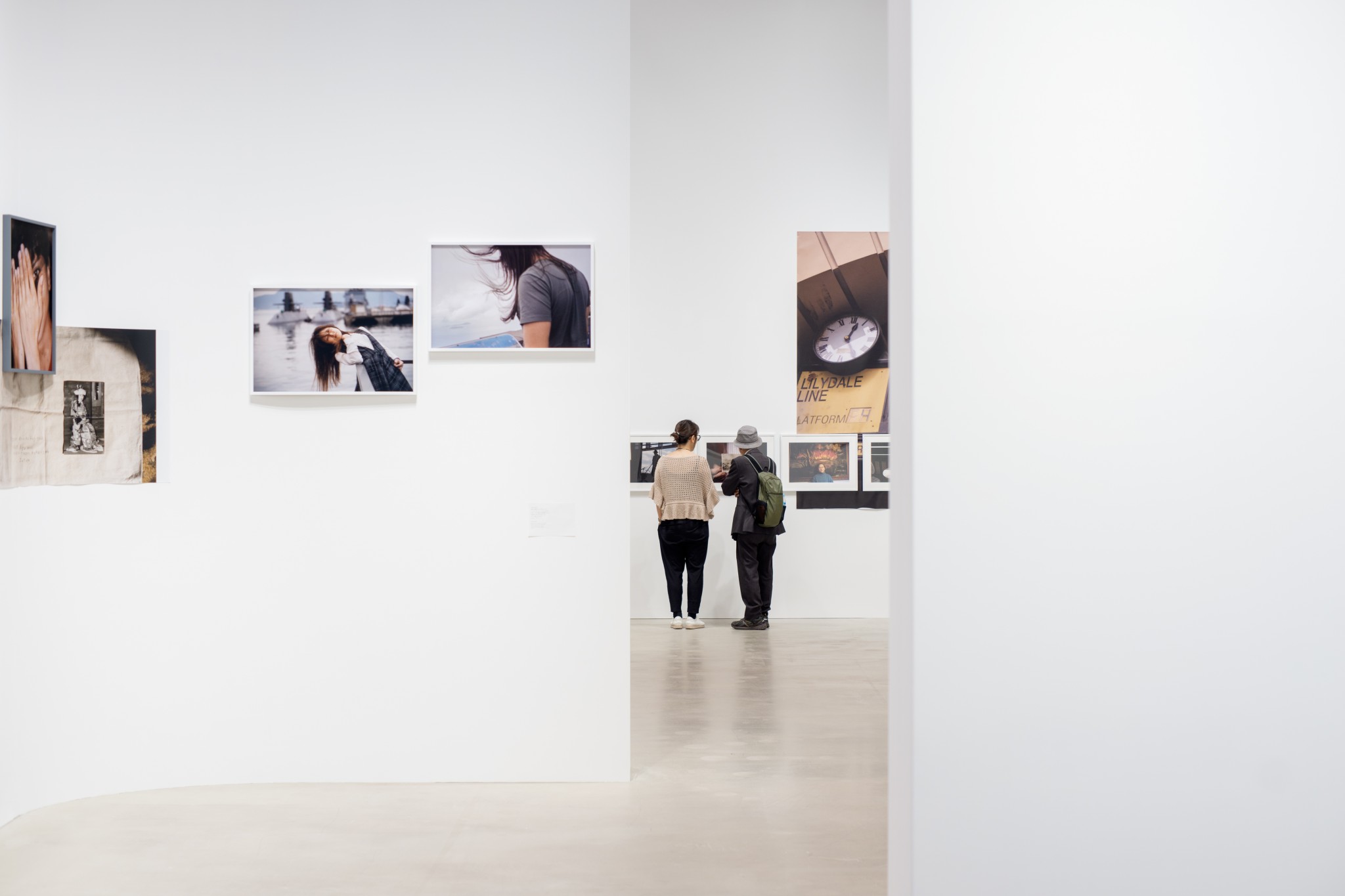
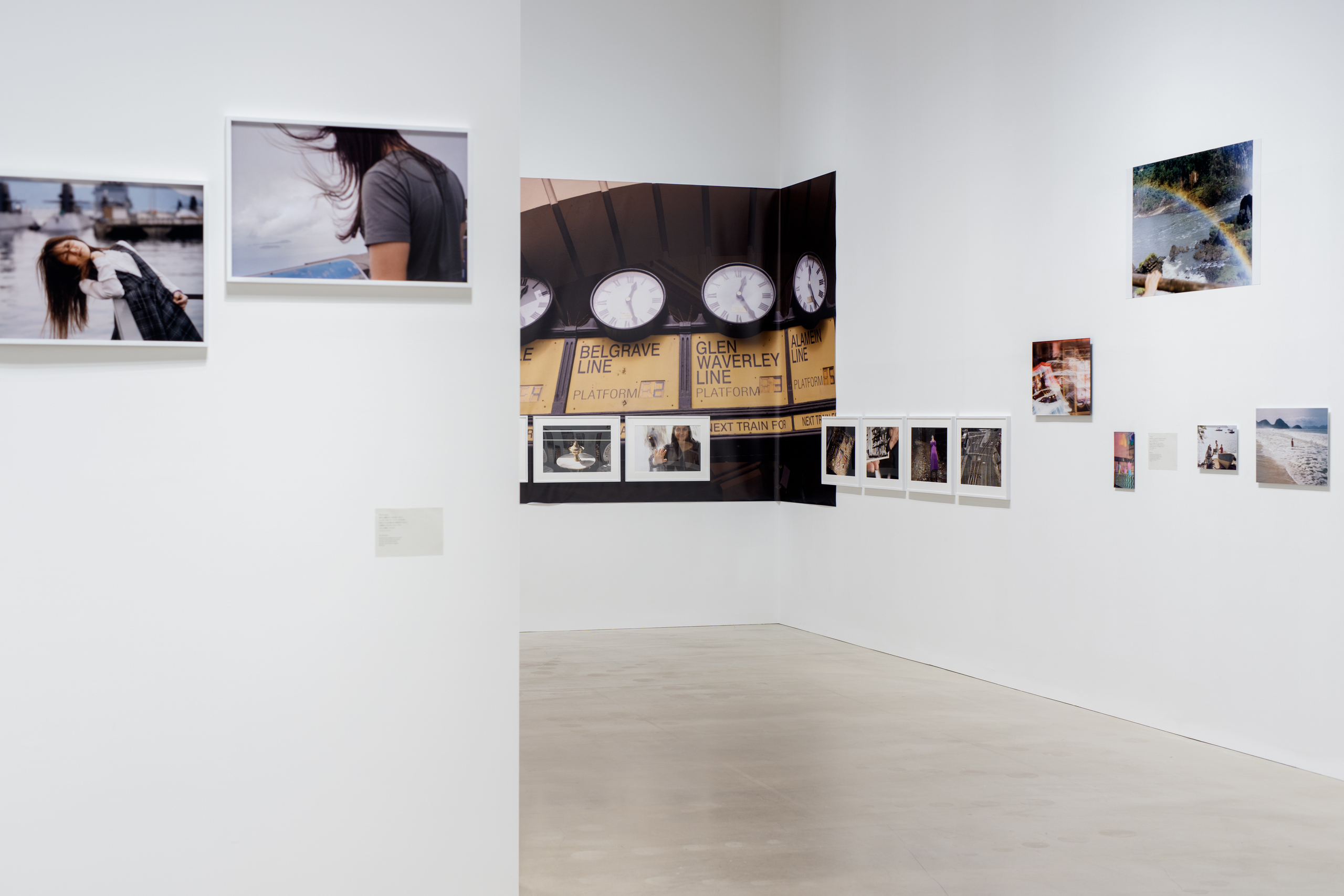
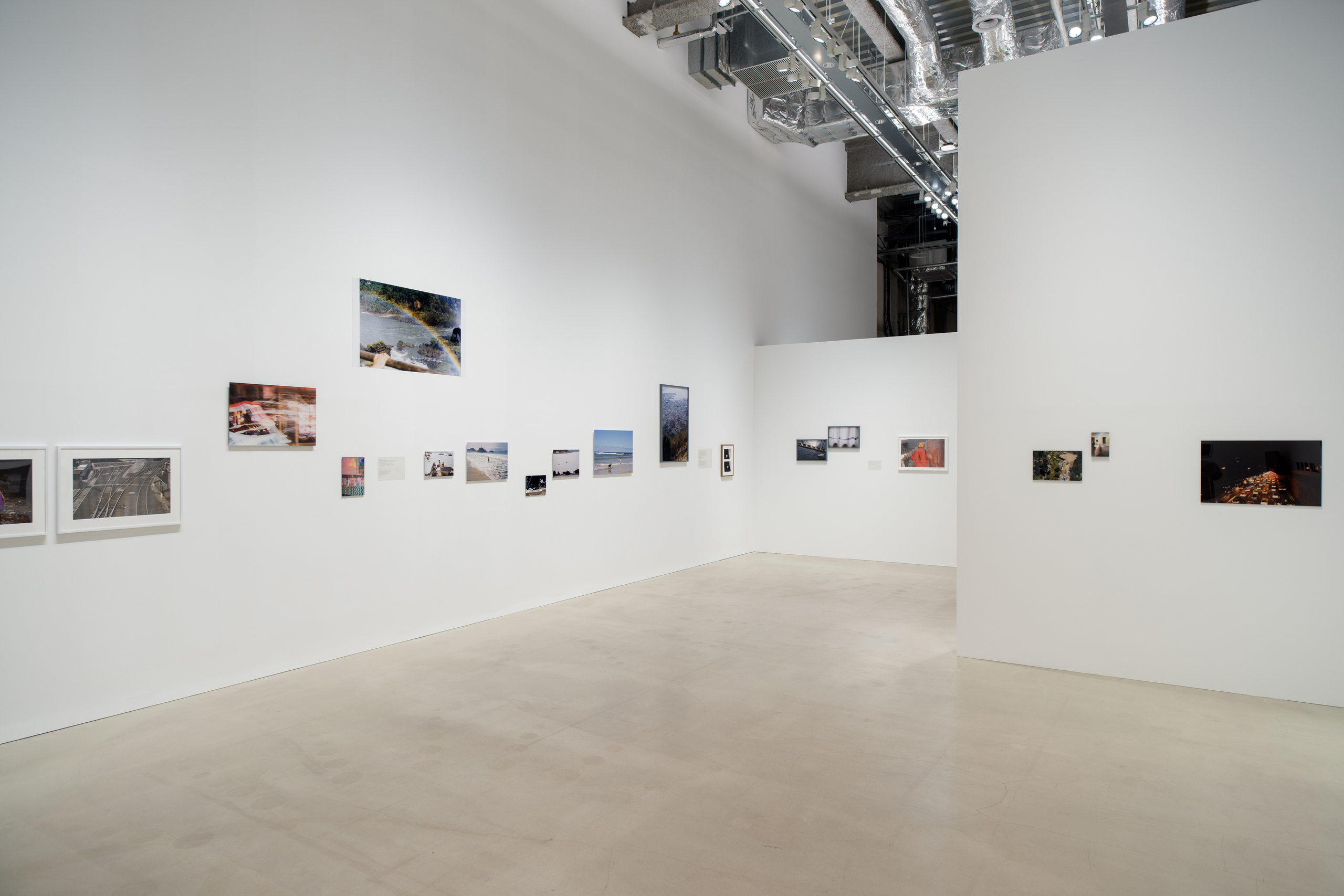
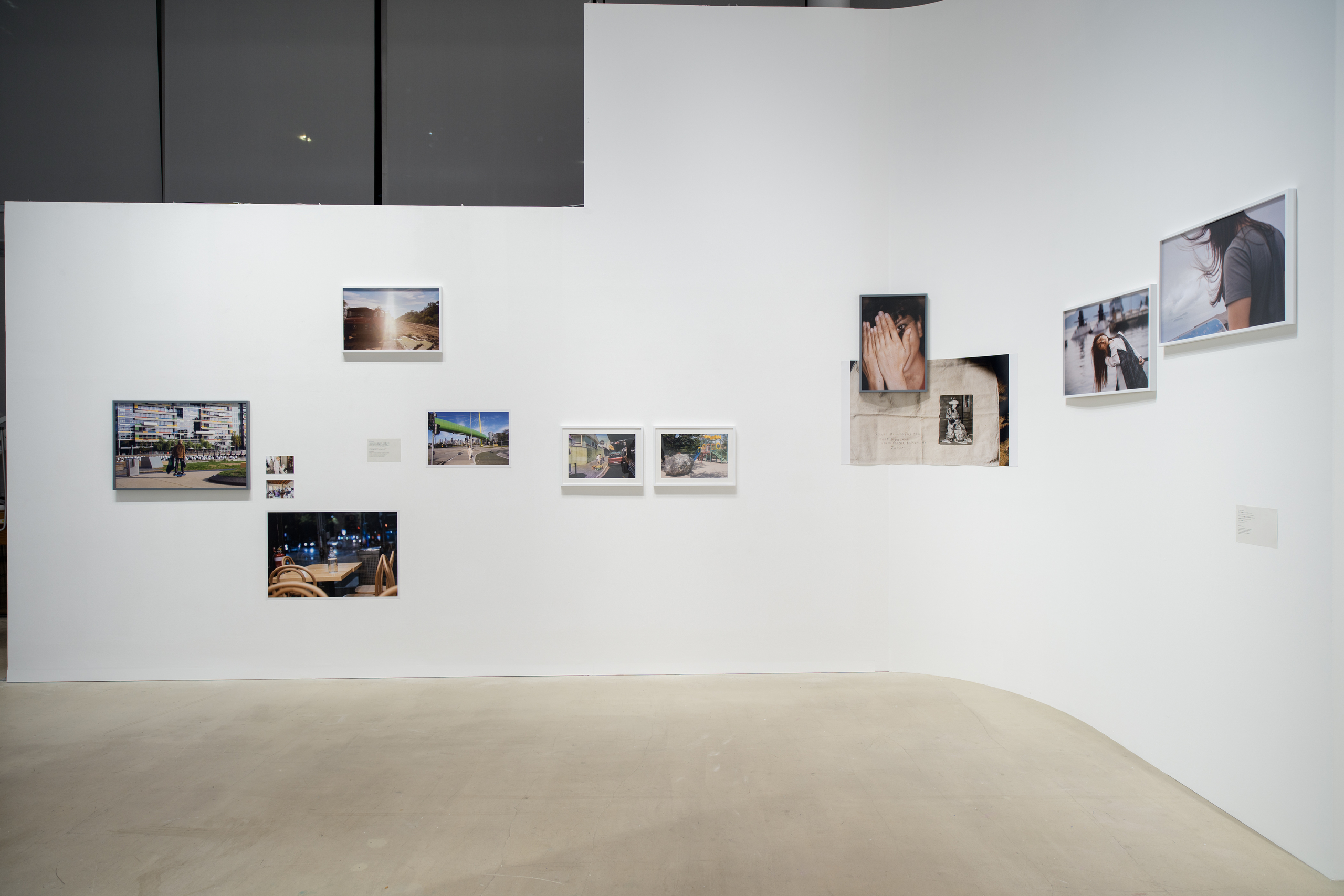
1 / 4 Image: BUG 会場風景
- Dates
- Oct 14 – Nov 29, 2026
- Venue
- BUG · Marunouchi & Kyobashi (Tokyo Station)東京都千代田区丸の内1-9-2 グラントウキョウサウスタワー1階
Getting there
Directly connected to the Yaesu South Exit of Tokyo Station (JR); 5 min walk from Exit 8 of Kyobashi Station (Tokyo Metro); 7 min walk from Exit 1 of Ginza-itchome Station (Tokyo Metro)
- Hours
- 11:00–19:00 · Closed: Tue
- Admission
- FreeOriginal: 無料
- Artists
- Aya Fujioka
- Organized by
The calendar entry covers the whole run, so you won't need to look the dates up again. Please check opening hours and closing days before your visit.
Knowledge cards
Photography写真Making images by recording light; photographers often present their work not as single prints but as groups of pictures, in photobooks, magazines, and exhibitions.Read moreClose
01About
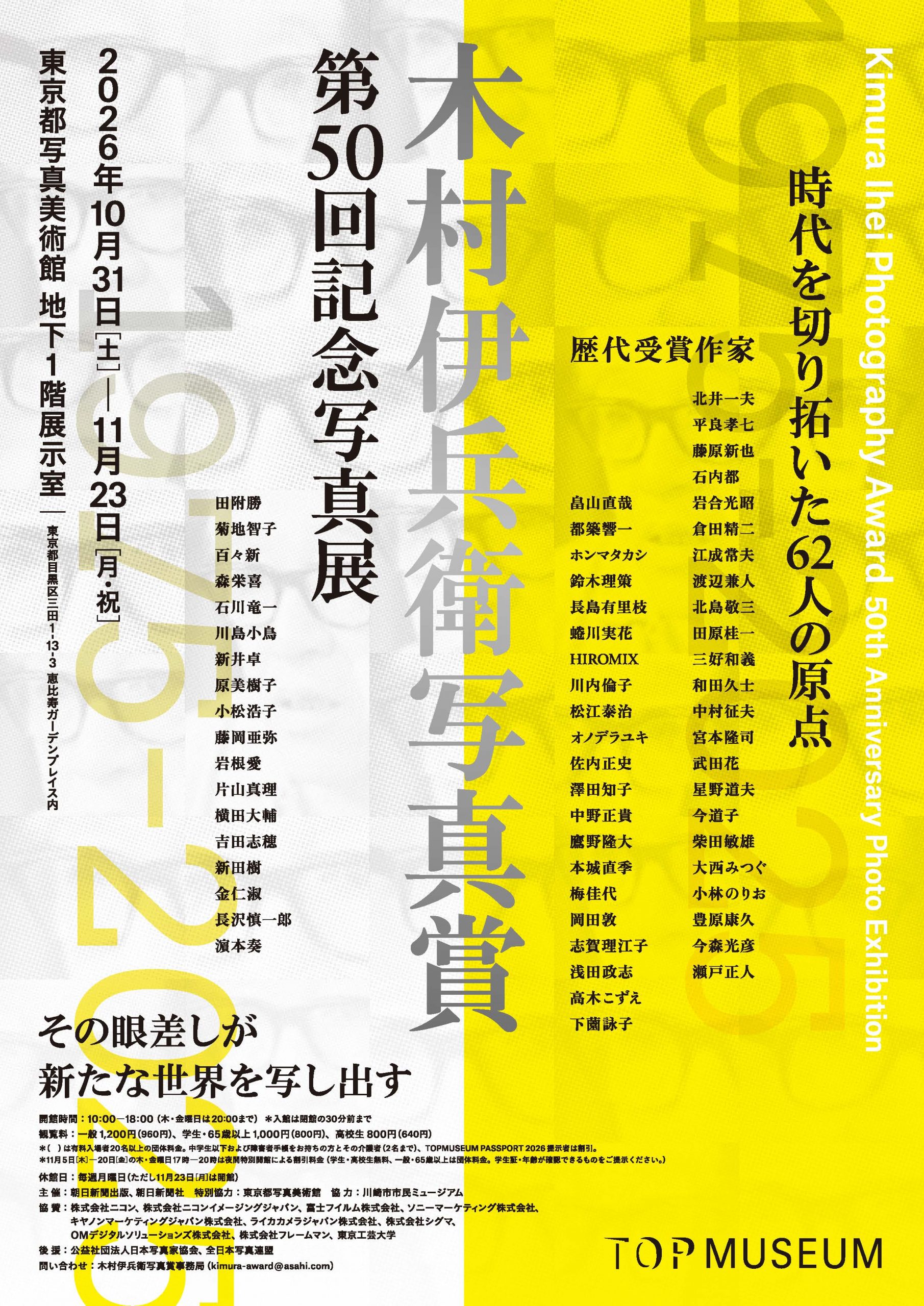
Kimura Ihei (1901–1974) took up the small Leica camera from 1930 and, without staging, caught the everyday life of people in Tokyo's shitamachi and around Ginza; after the war he led the realism photography movement together with Domon Ken. In Japan, photographs of people taken in a relaxed, everyday state, not posing for the camera, are called snapshots. The Kimura Ihei Award, founded by the Asahi Shimbun in 1975, goes to a newcomer for work published that year in photobooks, exhibitions, magazines, and other media, and is sometimes called the “Akutagawa Prize of photography.” A photobook is a set of tens to hundreds of photographs edited around a concept; Talbot's The Pencil of Nature is named as the beginning of reproducible books gathering several photographs, and a copy is in the collection of the Tokyo Photographic Art Museum. Photographers also photograph themselves: Katayama Mari starts from hand-sewn objects and develops them into self-portraits, video, and installations. On labels, a gelatin silver print is the most common process in black-and-white photography.
02In the gallery
Look at the photographs on a wall one by one, in order, then step back and see them together: what story does the arrangement tell that no single picture does?
Wall label terms in Japanese
- 写真
- Photograph
- スナップ写真
- Snapshot
- 写真集
- Photobook
- セルフポートレート
- Self-portrait
- ゼラチン・シルバー・プリント
- Gelatin silver print
03Notes
Photographers often edit many pictures into a set and publish them as a book or an exhibition.
This time, at Forget Me Not —
Going from one to the next, is a photograph meant to be seen alone, or read with the others?
04Related
Nearby, after this one
Same venue · BUG
Same neighborhood · Marunouchi & Kyobashi (Tokyo Station)
Shows open on the same days as this one are listed first (regular closing days only).