Opens in 13 days#Sculpture & installation
Naoki Funakoshi: Giving Shape to the Invisible — Another Extraordinary Talent from the Funakoshi Family —
Japanese original:
舟越直木 見えないものに形をあたえる ―舟越家から生まれたもうひとりの異才―
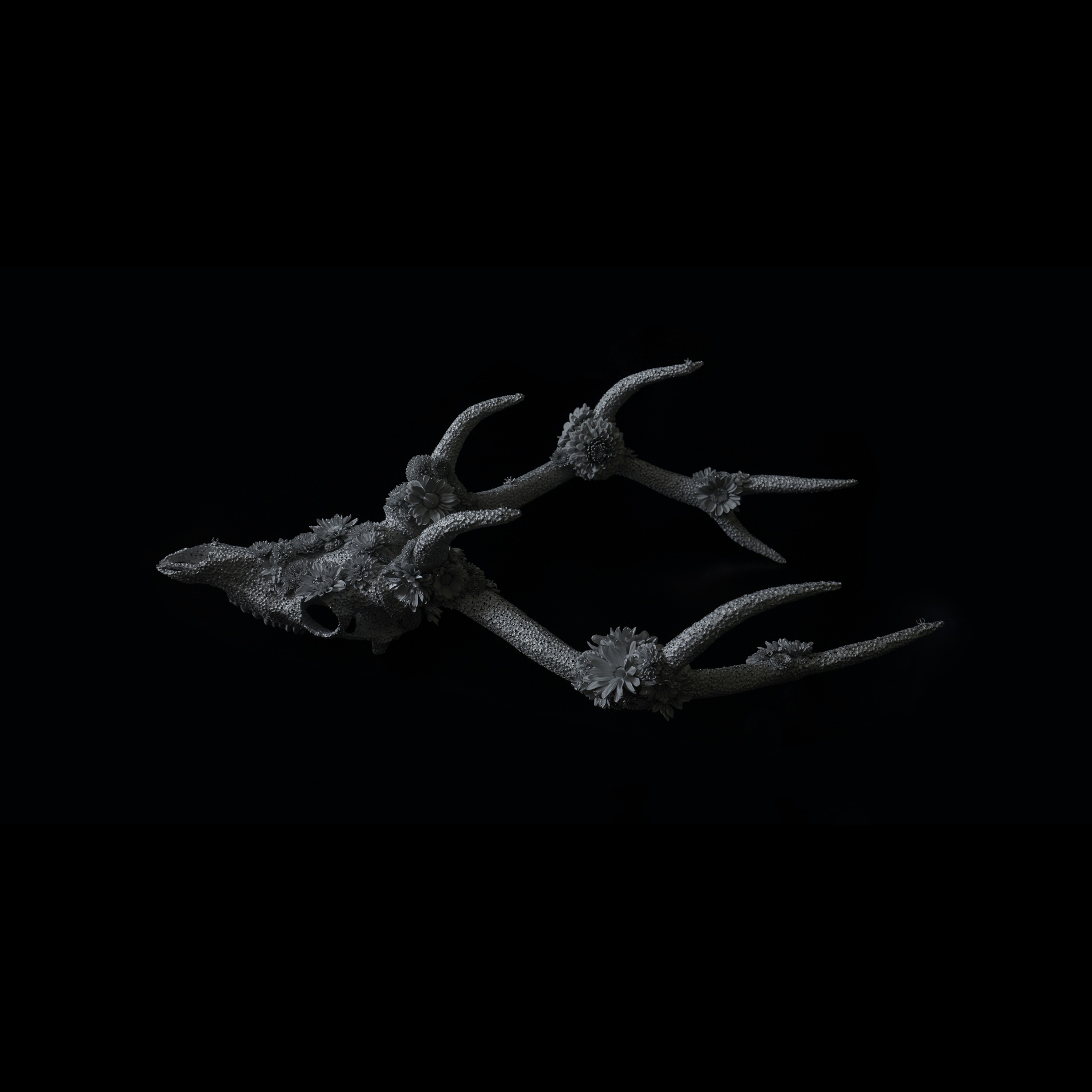
Naoki Funakoshi (1953–2017) was born in Tokyo; the father, Yasutake Funakoshi, and elder brother Katsura, two years older, were both figurative sculptors. After graduating in painting from Tokyo Zokei University, Funakoshi first showed two-dimensional work, then from the late 1980s made many abstract sculptures, moving freely between sculpture and painting. The forms changed from shapeless structures recalling buildings or the legs and tentacles of creatures to drops, hearts, and spheres; the drawings and sculptures of the 2000s seem to probe human existence itself.
- Dates
- Dec 5, 2026 – Feb 7, 2027
- Venue
- The Shoto Museum of Art (渋谷区立松濤美術館) · Shibuya Shoto & Komaba東京都渋谷区松濤2-14-14
Getting there
5 min walk from Shinsen Station (Keio Inokashira Line)
- Hours
- 10:00–18:00 · Closed: Mon
- Admission
- General ¥1,000Original: 一般 1,000円
The calendar entry starts on opening day and covers the whole run, so you won't need to look the dates up again. Please check opening hours and closing days before your visit.
Knowledge cards
Modern sculpture: from mass to space近現代の彫刻:量塊から空間へSculpture since the 20th century: not only a solid mass carved or modelled, but forms built from many materials that count the surrounding space and light as part of the work.Read moreClose
01About
Traditional sculpture has two ways of working: carving, which removes material, and modelling, which adds it, as with clay; a modelled form may then be cast in metal. In the early 20th century the Cubists assembled works from different materials, and construction became a new way of making sculpture. In 1920 Naum Gabo, with his brother Antoine Pevsner, published the Realistic Manifesto in Moscow, calling for an art freed from volume and mass and grounded in space and time. Sculpture since then has used industrial materials such as steel, acrylic, and glass; some works move (kinetic sculpture), and some take light as their material. In Japan, too, postwar abstract sculpture turned away from academic figurative work that prized mass and stability, toward space and the environment.
02In the gallery
Walk once around the work, and look from a different height. With surfaces that reflect or let light through, watch how the work changes with where you stand and with the light in the room; with open or linear forms, look at the shape of the space that passes through them.
Wall label terms in Japanese
- 彫刻(カーヴィング)
- Carving
- 塑造
- Modelling
- 鋳造
- Casting
- 構成(コンストラクション)
- Construction
- 量塊(マッス)
- Mass
- キネティック・アート
- Kinetic art
03Notes
Twentieth-century sculpture doesn't just make a mass; it brings the surrounding space and light into the work.
This time, at Naoki Funakoshi: Giving Shape to the Invisible — Another Extraordinary Talent from the Funakoshi Family — —
After walking around it, where do you think the work ends?
04Related
Nearby, after this one
Same venue · The Shoto Museum of Art
Same neighborhood · Shibuya Shoto & Komaba
Shows open on the same days as this one are listed first (regular closing days only).