Tokyo National Museum
Japanese original:
東京国立博物館
Founded in 1872, the oldest and largest museum in Japan, in Ueno Park. It holds about 120,000 objects of Japanese and Asian art and archaeology, including 89 National Treasures and 653 Important Cultural Properties (April 2025). Five exhibition buildings make up the site: the Honkan, Hyokeikan, Toyokan, Heiseikan and the Gallery of Horyuji Treasures. Works in the collection galleries rotate every four to eight weeks.
- Area
- Ueno Park
- Address
- 東京都台東区上野公園13-9
- Getting there
- 10 min walk from the Park Exit of JR Ueno Station or the South Exit of Uguisudani Station
- Hours
- 09:30–17:00
- Closed
- Mon
- Admission
- Collection galleries: ¥1,000; free for high school students and younger, under-18s, and visitors 70 and over; a special exhibition ticket also covers the collection on the same day
Regular closing days only. For public holidays, please check each venue's notices.
Directions and admission checked against the venue's website on Oct 20, 2026.
First visit
- In the regular collection galleries you may take photos and video for personal use, except of works marked no-photography; no flash, extra lights, monopods, tripods, or selfie sticks. Special exhibitions generally do not allow photography.
- Since 1 August 2026, suitcases may not be brought onto the museum grounds; put large bags in a locker or ask at the information counter.
From the venue's visitor guidelines, checked on Oct 21, 2026.
Guided tours
Behind-the-scenes tour 'Passing cultural properties to the future': two sessions, 10:30–11:40 and 14:00–15:10. Admission ticket included; advance application required.
- TourNov 26 (Thu)Behind-the-scenes tour 'Passing cultural properties to the future': two sessions, 10:30–11:40 and 14:00–15:10. Admission ticket included; advance application required.
- TourDec 10 (Thu)Behind-the-scenes tour 'Passing cultural properties to the future': two sessions, 10:30–11:40 and 14:00–15:10. Admission ticket included; advance application required.
- TourDec 17 (Thu)Behind-the-scenes tour 'Passing cultural properties to the future': two sessions, 10:30–11:40 and 14:00–15:10. Admission ticket included; advance application required.
Source: 東京国立博物館 博物館 舞台裏ツアー, 東京国立博物館 博物館 舞台裏ツアー, 東京国立博物館 博物館 舞台裏ツアー. From the venue's and organizer's announcements. Schedules, languages and fees can change; please check the official site before your visit.
On now and coming up
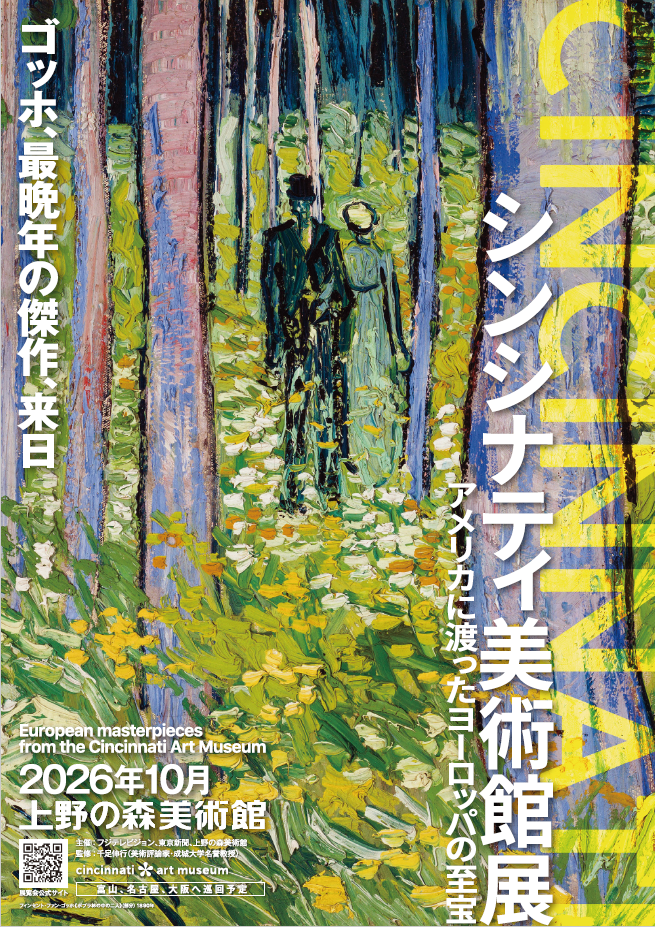
Exhibitions (Open now 2 · Opening soon 2)
The Japanese original of each title and venue name is shown in gray below it.
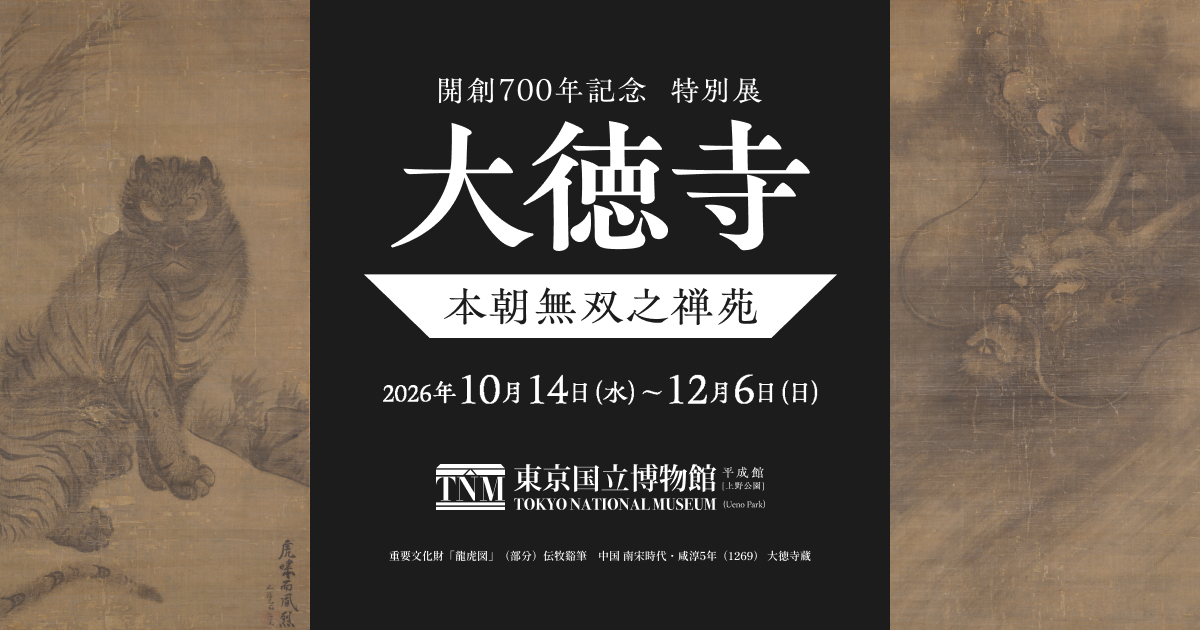
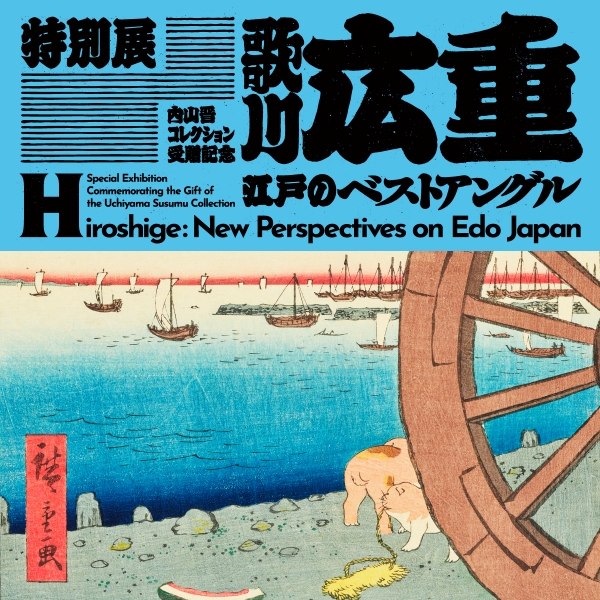

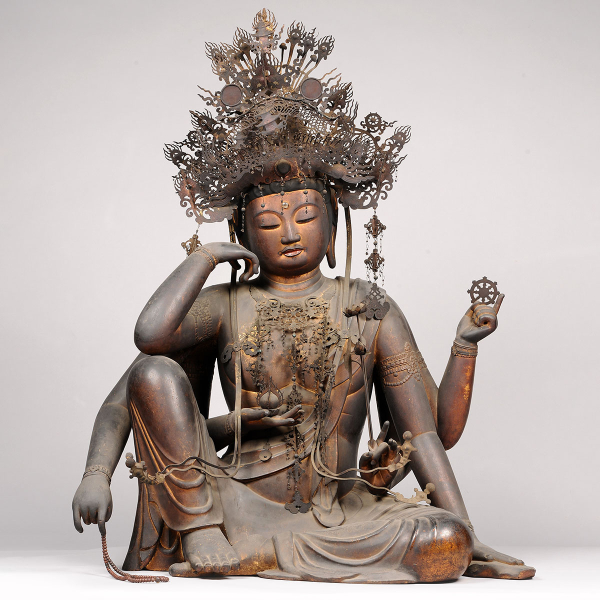
Related knowledge cards
- Ukiyo-ePictures of the life of the day, popular in Japan from the 17th to the 19th century; most are woodblock prints.
- Tea bowlThe bowl in which powdered tea is whisked and drunk in the tea ceremony; by origin it is called karamono (Chinese), kōraimono (Korean), or wamono (Japanese).
- Bokuseki and chinsō (Zen calligraphy and portraits)Two kinds of treasure handed down in Zen temples: writing in a senior monk's own hand (bokuseki), and portraits of Zen monks (chinsō).
- Genji-e (Genji pictures)Pictures of The Tale of Genji, painted on and on in changing forms: handscrolls, then square album leaves, fans, screens, printed illustrations, and ukiyo-e.
- Permanent and special exhibitionsA permanent display shows a museum's own collection; a special exhibition runs for set dates.
- Kanō schoolThe largest school of painting in Japan, active from the mid-Muromachi period through the Edo period, painters to the shogunate who joined Chinese-style ink painting with the color of Yamato-e.
- Buddhist statues (butsuzō)Images of the figures venerated in Buddhism, usually meaning statues in the round. The word first meant images of a Buddha (nyorai) but commonly covers bodhisattvas, wisdom kings and devas too: four classes in all.