Opens in 39 days#Painting
Special Exhibition Featuring the Song Su-ryeon Collection: “Contemplation—Abstraction”
Korean original:
송수련컬렉션 기증기획전 《관조―추상》
Song Su-ryeon (b. 1945) began with the traditional materials of Korean painting — hanji paper and ink — and built her own abstract language by repeating and layering dots and lines. The show centres on works donated to the Seoul Museum of Art in 2024, 16 in all, grouped into four views: the search for abstraction, the form of contemplation, the accumulation of time and the traces of emptying. It is on the second floor of the Seosomun Main Building, with free admission.
- Dates
- Dec 17, 2026 – Mar 21, 2027
- Venue
- Seoul Museum of Art (서울시립미술관) · City Hall & Deoksugung
- Address
- 서울특별시 중구 덕수궁길 614 min walk from Exit 10, City Hall Station (Line 2); 6 min from Exit 1 (Line 1)Open in Naver MapOpen in Google Maps
- Admission
- FreeOriginal: 무료
Visit planning
The calendar entry starts on the opening day and covers the whole run. Please check opening hours and closing days before your visit.
Entry notes
Admission is free. Tuesday to Thursday 10:00–20:00, Friday 10:00–21:00 (extended hours), Saturdays, Sundays and holidays 10:00–18:00 in winter (November–February). Last entry is one hour before closing; closed on Mondays and 1 January.
- Admission is free. Tuesday to Thursday 10:00–20:00, Friday 10:00–21:00 (extended hours), Saturdays, Sundays and holidays 10:00–18:00 in winter (November–February). Last entry is one hour before closing; closed on Mondays and 1 January. (Source: 서울시립미술관, 2026)
From the organizer's announcements and press reports. Arrangements can change; please check the official site before your visit.
Nearby, after this one
Same venue · Seoul Museum of Art
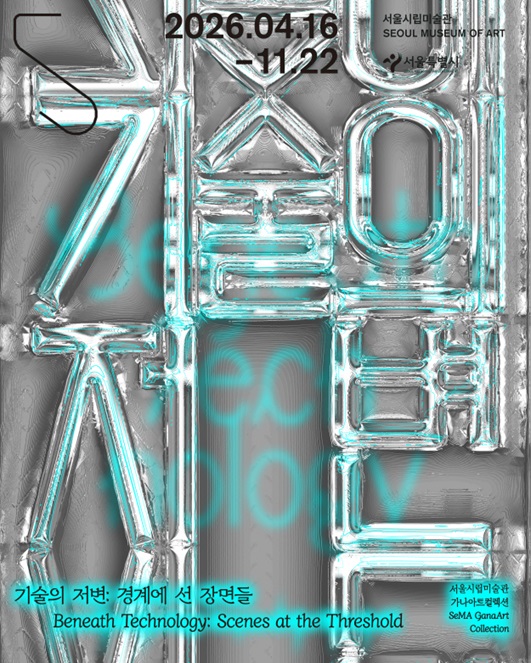
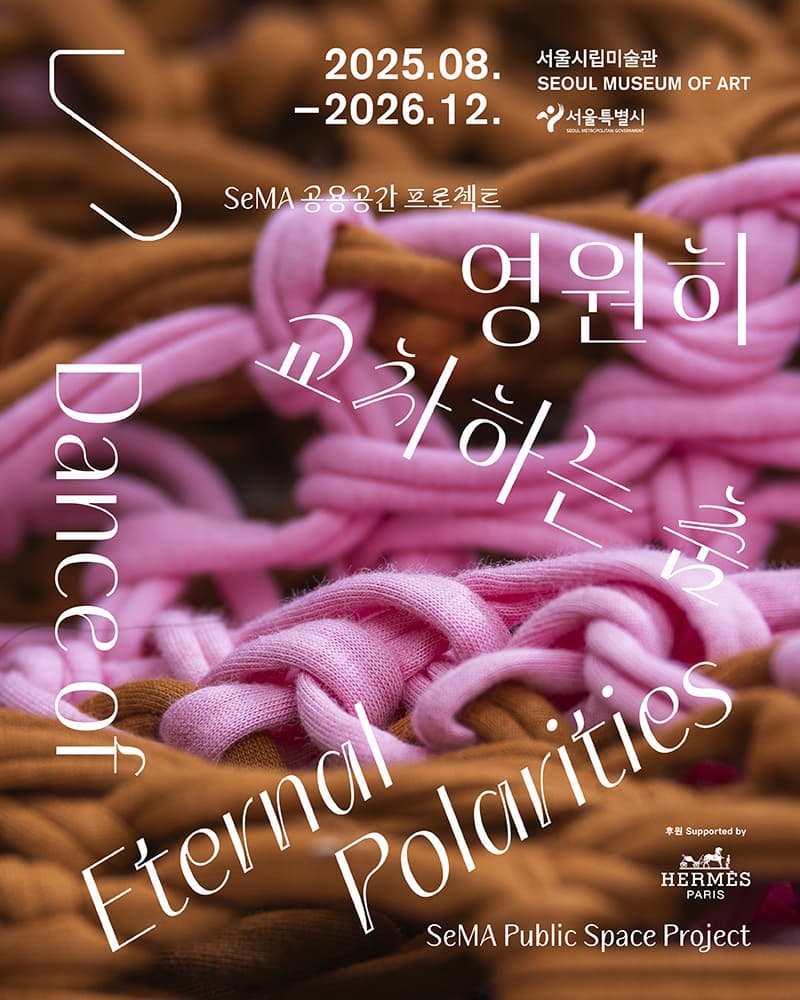
Same neighborhood · City Hall & Deoksugung
Shows open on the same days as this one are listed first (regular closing days only).

Related exhibitions
Same genre · Painting


Credits
- Artists
- 송수련
Knowledge cards
Hanji한지Traditional Korean paper made from the inner bark of the paper mulberry; its long fibers make it soft yet strong.Read moreClose
01About
In winter, one-year-old branches of paper mulberry are cut and steamed, and the inner bark is stripped off, boiled in lye from plant ash, bleached in the sun, and beaten into fiber; the paper is then lifted from water again and again on a bamboo screen. No chemical bleach is used, and the long fibers interlock, so the paper is soft yet hard to tear, and can take in water, be crumpled, and be layered. From the 1980s Park Seo-bo laid hanji on canvas and, while it was wet, pushed it into ridges with his hands and tools, giving Écriture its look from that decade on. Kim Tschang-yeul also painted water drops on hanji; in damp France, he said, the pulp was slow to dry, so most of this work was made in the studio he built in Pyeongchang-dong, Seoul, in 1988.
02In the gallery
Stand to the side of a work on hanji and look at the paper's surface: its fibers and ridges, such as the marks in Écriture where wet hanji was pushed aside and left to dry.
Wall label terms in Korean
- 한지
- Hanji
- 닥나무
- Paper mulberry
- 묘법
- Écriture
03Notes
Hanji's long fibres make it soft yet strong: it can soak up water, crumple, and be layered.
This time, at “Contemplation—Abstraction” —
In the work, is the paper a material, or the picture itself?
04Related
Abstract art추상미술Art that builds a composition from shape, colour and line themselves, with a degree of independence from recognisable things in the world.Read moreClose
01About
Abstraction is a matter of degree: some works only alter colour or form conspicuously and the subject can still be made out, while total abstraction bears no trace of anything recognisable, as in geometric abstraction. Around 1910 artists such as Wassily Kandinsky, František Kupka and Francis Picabia painted the first abstract pictures. Action painting, widespread from the 1940s to the early 1960s, had paint dribbled, splashed or smeared onto the canvas rather than carefully applied, making the physical act of painting a central part of the work. In Korea, dansaekhwa from the 1970s built its surfaces from a single tone and repeated gestures.
02In the gallery
Go close to see how thick the paint is and which way the strokes run, then step back to the masses of colour: which layer went on first, and which last?
Wall label terms in Korean
- 구상
- Figurative
- 기하학적 추상
- Geometric abstraction
- 액션 페인팅
- Action painting
- 단색화
- Dansaekhwa
03Notes
Abstract art depicts nothing recognisable; it builds the picture from shape, colour, and line themselves.
This time, at “Contemplation—Abstraction” —
With nothing to recognise, where does your eye stop first?