53 days left#Sculpture & installation#Media art
ARTE TOKYO Core Program: Waterfront Area
Japanese original:
ARTE TOKYO コアプログラム 臨海エリア
The waterfront works of ARTE TOKYO, the arts festival the Tokyo government launched in 2026, stand outdoors around Odaiba Beach, Symbol Promenade Park and the Yume-no-Ohashi bridge, all free. From 10 October Seiichi Saito's light work JIKU #024 TELEPORT BRIDGE is lit every evening; most of the others start on 7 November, among them Rhizomatiks' moving-image work Alloscape on Odaiba Beach and Yuko Nagayama's giant hammock of fishing nets discarded in Tokyo Bay. Yasuhiro Suzuki's Ship of Zipper sails only on 7–8 and 21–22 November and 5 December.
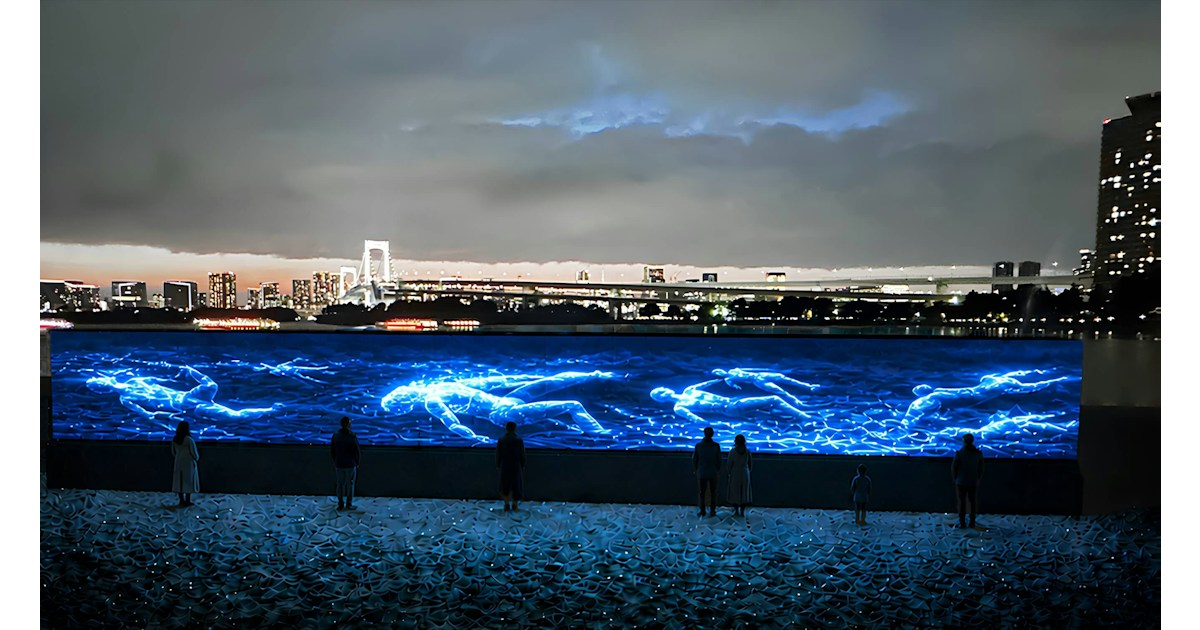
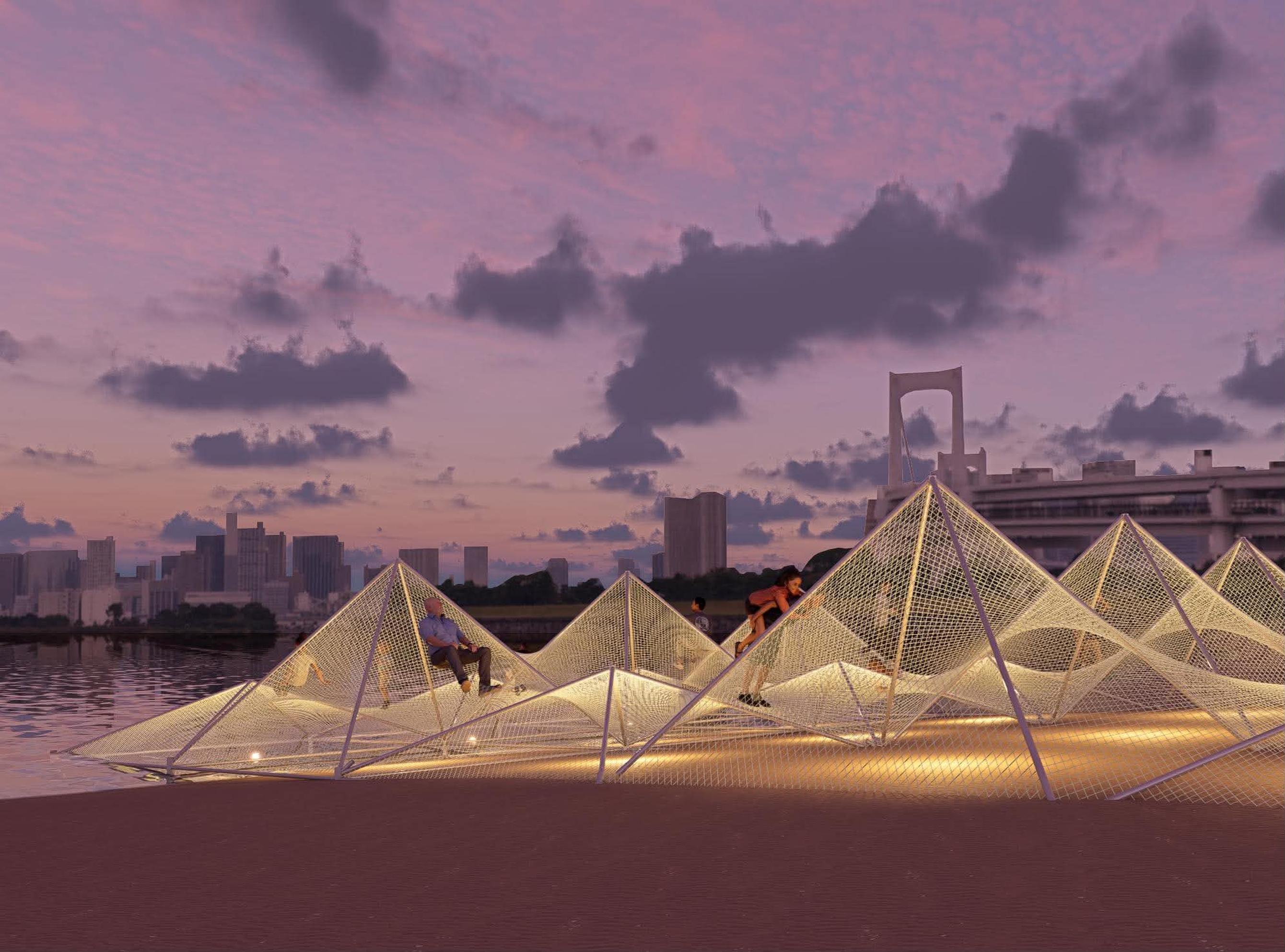
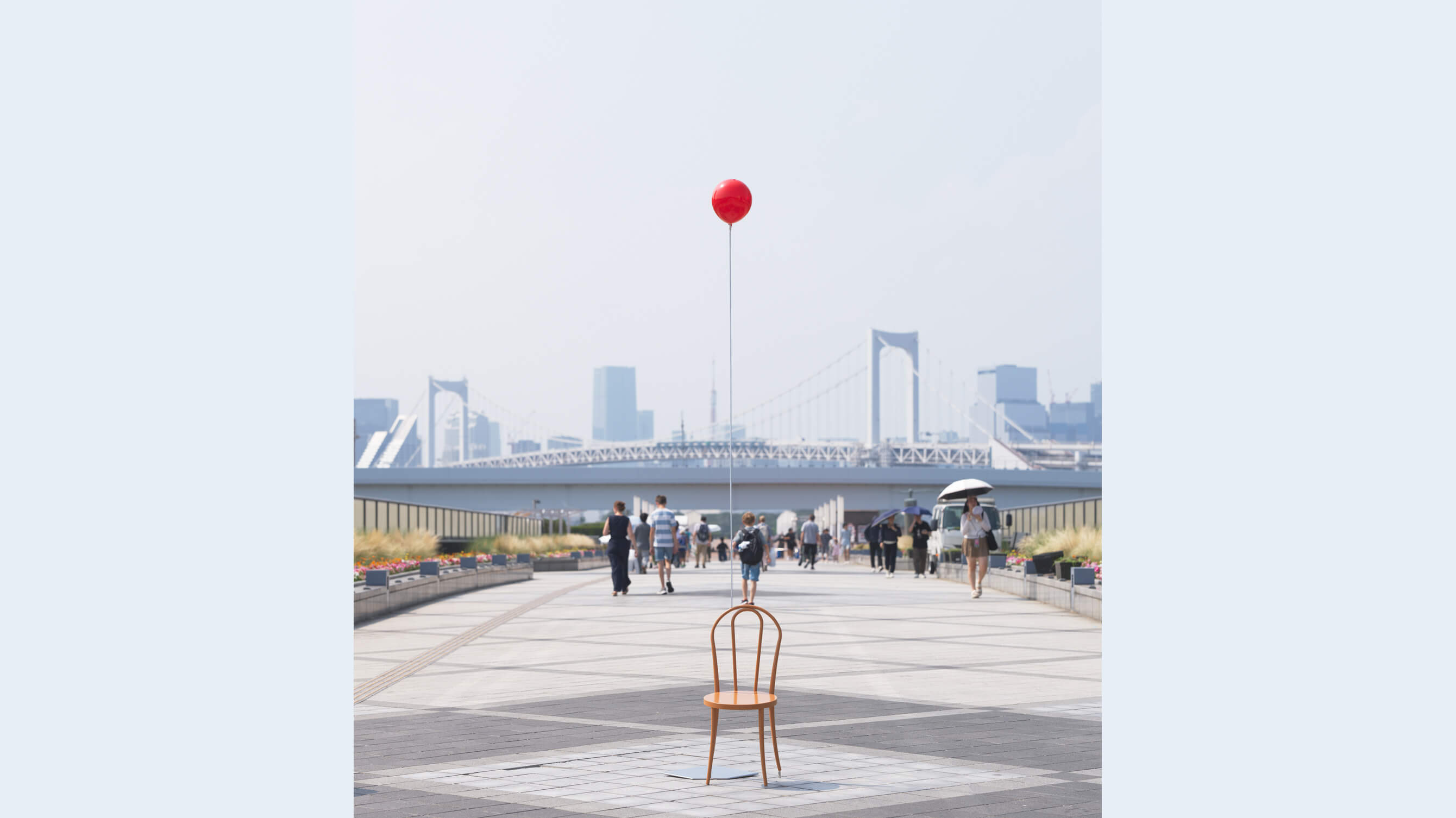
- Dates
- Oct 10 – Dec 31, 2026
- Venue
- ARTE TOKYO Waterfront Area (Symbol Promenade Park and other locations) (ARTE TOKYO 臨海エリア(シンボルプロムナード公園ほか)) · Koto
- Address
- 東京都江東区青海1-2(シンボルプロムナード公園)ほかOpen in Google Maps
- Admission
- FreeOriginal: 無料
Visit planning
The calendar entry covers the whole run of the exhibition. Please check opening hours and closing days before your visit.
Entry notes
Each work has its own dates: on the waterfront works open in turn from October 10 and run until December 31 (Saito Seiichi's JIKU #024 TELEPORT BRIDGE is planned to be lit 17:00–23:00 daily); in Hibiya-Marunouchi they run from about mid-November into December, and in Yoyogi-Shibuya from about December 1 to 27.
- Each work has its own dates: on the waterfront works open in turn from October 10 and run until December 31 (Saito Seiichi's JIKU #024 TELEPORT BRIDGE is planned to be lit 17:00–23:00 daily); in Hibiya-Marunouchi they run from about mid-November into December, and in Yoyogi-Shibuya from about December 1 to 27. (Source: ARTE TOKYO:プログラム一覧, 2026)
- On the official page of each work in this area, admission is listed as free and no reservation is needed. (Source: ARTE TOKYO:各作品ページ, 2026)
From the organizer's announcements and press reports. Arrangements can change; please check the official site before your visit.
Related exhibitions
Same genre · Sculpture & installation / Media art


Credits
- Organized by
- Tokyo Metropolitan Government, Executive Committee for the Tokyo International Festival of Arts and Culture
- Co-organized by
- 公益財團法人東京都歷史文化財團, Shinagawa City
Knowledge cards
Installation ArtインスタレーションThree-dimensional work that does not sit on a wall or a pedestal but changes how a whole space feels, and that visitors walk into.Read moreClose
01About
Installations are often made for one particular site, and visitors move through them, so where you stand is part of the looking. Materials range from everyday objects and natural materials to video and sound, and a work may be permanent or taken down when the exhibition closes. As the name of an art form, “installation” is first recorded by the Oxford English Dictionary in 1969; in 1958 Allan Kaprow called the indoor spaces he transformed “Environments.” The events the Gutai Art Association staged in Japan from 1954 are counted among early installation art, and they influenced Kaprow. Some artists step inside their own installations: Aki Sasamoto builds spaces from string, tubes, household things and sound, then talks and moves within them, so that the work becomes an event that changes over time.
02In the gallery
Look from the entrance, from the middle and from a corner. Notice how the light, the sound, and the path you take change the work.
Wall label terms in Japanese
- インスタレーション
- Installation
- サイトスペシフィック
- Site-specific
- エンヴァイラメント(環境)
- Environment
- 具体美術協会
- Gutai Art Association
- パフォーマンス
- Performance
03Notes
Installations are mostly made for a particular place, and where you stand is part of the looking.
This time, at ARTE TOKYO Core Program: Waterfront Area —
After moving to a few spots, where do you think the work begins, and where does it end?