126 days left#Media art
MAM Screen 024: Jakrawal Nilthamrong
Japanese original:
MAMスクリーン024:ジャッカワーン・ニンタムロン
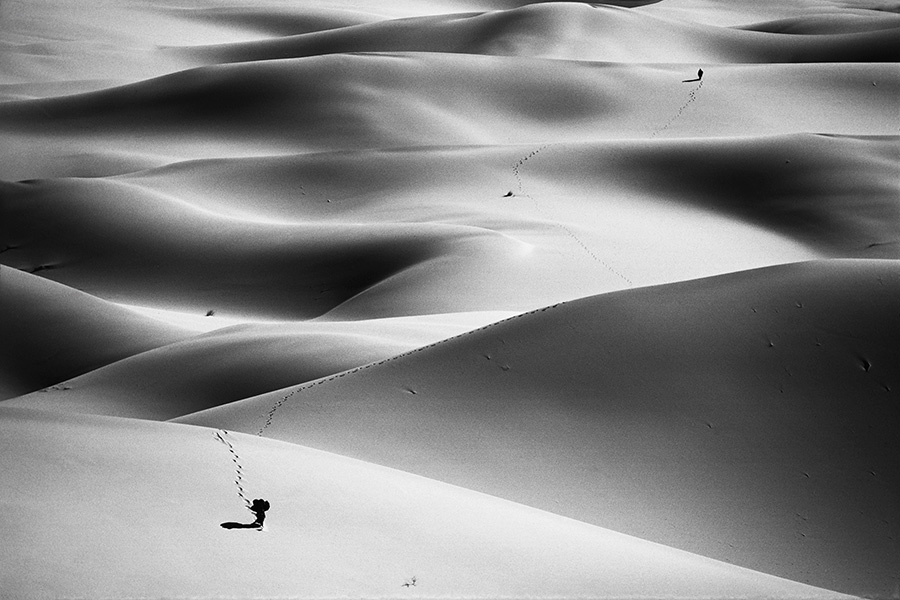
The Thai filmmaker and artist Jakrawal Nilthamrong (b. 1977, Lopburi) weaves Buddhist thought and ecological ideas into science-fiction and surreal imagery. He often makes 1960s-style special effects from organic materials, or deliberately uses expired film stock so that the projected image carries a texture of decay. The Mori Art Museum screens three works, centred on Rhizome (2022), about a man drifting on a raft through a flooded world. Not viewable on Tuesdays.
1 / 3 Image: Mori Art Museum
- Dates
- Oct 31, 2026 – Mar 28, 2027
- Venue
- Mori Art Museum (森美術館) · Roppongi東京都港区六本木6-10-1 六本木ヒルズ森タワー53階
Getting there
3 min walk via the concourse from Exit 1C, Roppongi Station (Tokyo Metro Hibiya Line)
- Hours
- 10:00–22:00
- Admission
- General ¥2,800 (weekdays)Original: 一般 2,800円(平日)
- Artists
- Jakrawal Nilthamrong
- Curators
- Yahagi Manabu
- Organized by
The calendar entry covers the whole run, so you won't need to look the dates up again. Please check opening hours and closing days before your visit.
Booking
Booking recommended.
Booking recommended; tickets are also sold at the door.
From the venue's announcements, checked Nov 12, 2026. Slots and availability can change; please check the official page before you book. Source: 森美術館:事前予約制(日時指定券)、空きがあれば当日入館可
Entry notes
Entry is by timed ticket, sold on online ticket sites; if slots remain on the day, you can enter without a reservation. It runs together with Mariko Mori: All That Shines, and a ticket for that exhibition admits you.
- Entry is by timed ticket, sold on online ticket sites; if slots remain on the day, you can enter without a reservation. It runs together with Mariko Mori: All That Shines, and a ticket for that exhibition admits you. (Source: 森美術館:MAMスクリーン024:ジャッカワーン・ニンタムロン, 2026)
- Screenings run from 18:00 to 22:00, about 39 minutes in all. There are no screenings on Tuesdays or all day on November 27 (Friday). (Source: 森美術館:MAMスクリーン024:ジャッカワーン・ニンタムロン, 2026)
From the organizer's announcements and press reports. Arrangements can change; please check the official site before your visit.
Knowledge cards
Media art and video artメディアアートとビデオ・アートArt that takes electronic and digital media, such as television, video, computers, and sensors, as its material.Read moreClose
01About
In March 1963, Nam June Paik showed Exposition of Music – Electronic Television at Galerie Parnass in Wuppertal, West Germany, scattering television sets through the rooms and distorting their pictures with magnets; this is often taken as the starting point of media art. The works that followed take a few broad forms: single-channel video, shown on one screen with a fixed running time like a film; video installation, which arranges several monitors, projections, and objects in a space that visitors walk through; and interactive works that change in response to a visitor's movement, voice, or brain waves. Cathode-ray tube sets and other equipment are produced less and less and are hard to find even second-hand, so keeping such works alive means weighing repair against replacement; Paik himself allowed owners to make the technical changes needed to keep his works running.
02In the gallery
Read the medium line on the label. “72 monitors, 4-channel video” means 72 screens are showing four different videos: find the screens playing the same one and see how they are arranged. For a single-channel work, the label gives the running time; check it before deciding where to start watching.
Wall label terms in Japanese
- メディアアート
- Media art
- シングルチャンネル
- Single-channel video
- 映像○チャンネル
- Video, N channels (N different videos)
- ビデオ・インスタレーション
- Video installation
- インタラクティブ
- Interactive
- ブラウン管
- Cathode-ray tube (CRT)
03Notes
Media art ranges from single-screen video to video installations you walk into.
This time, at MAM Screen 024: Jakrawal Nilthamrong —
Is a screen in the gallery a window to look into, or an object to walk around?
04Related
Nearby, after this one
Same venue · Mori Art Museum


Same neighborhood · Roppongi
Shows open on the same days as this one are listed first (regular closing days only).