126 days left#Photography
Mori Art Award 2026 Grand Prize Exhibition: Katayama Mari
Japanese original:
森アートアワード2026 グランプリ受賞記念展:片山真理
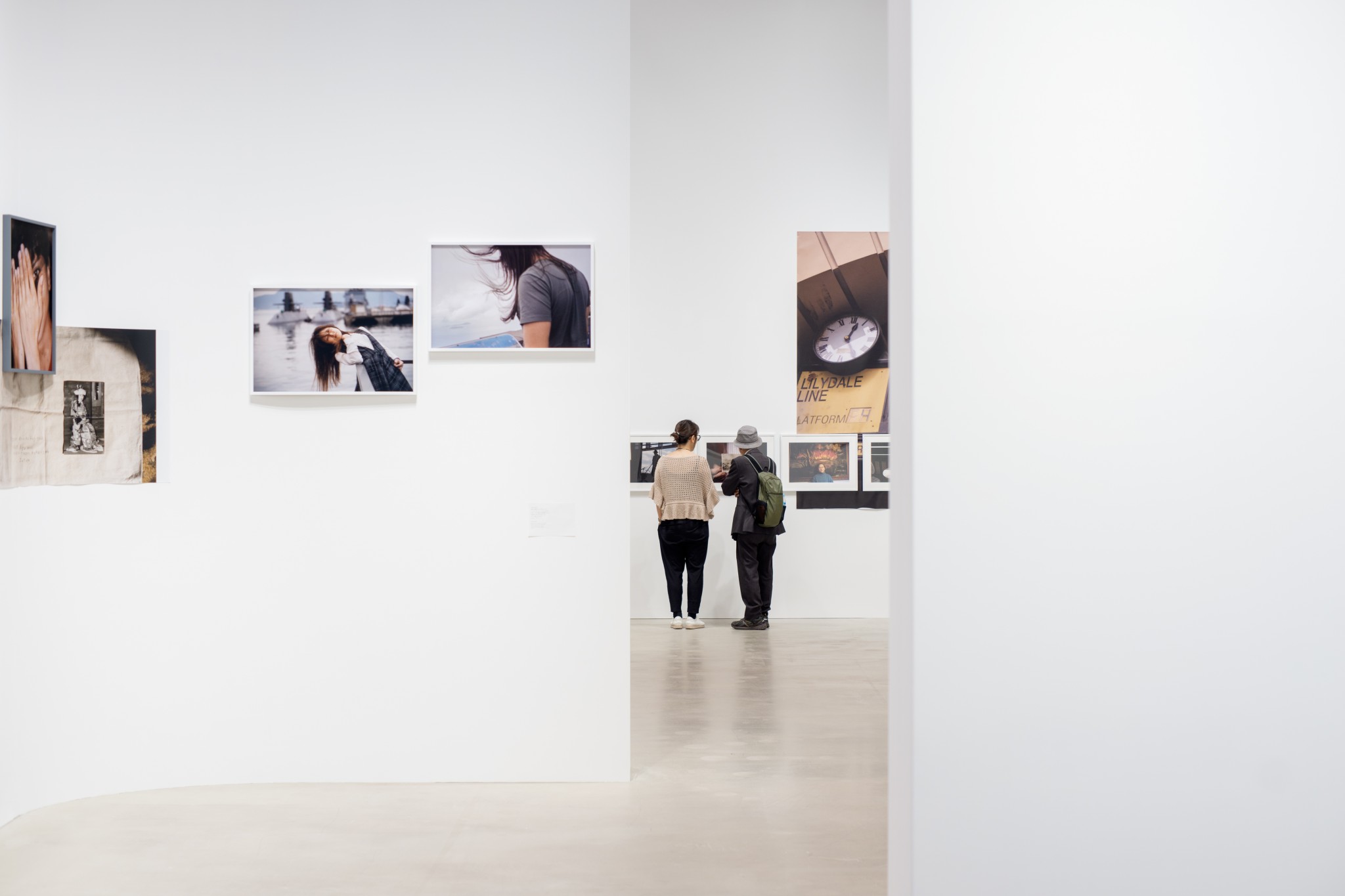
Mari Katayama has won the first grand prize of the Mori Art Award, given every two years by the Mori Contemporary Art Foundation, set up in 2025. Through film photography and handwork such as embroidery and sewing, she has powerfully shown society the possibility of extending the boundaries of her own body. The exhibition centres on her recent series tree of life (2024–), acquired by the Victoria and Albert Museum in London. In the Mori Art Museum's smaller gallery on the 53rd floor of Mori Tower; photography is allowed.
1 / 3 Image: Mori Art Museum 片山真理《tree of life #001》2024年 Cプリント(手焼き) Courtesy: Galerie Suzanne Tarasieve, Paris; Yutaka Kikutake Gallery, Tokyo ※参考図版
- Dates
- Oct 31, 2026 – Mar 28, 2027
- Venue
- Mori Art Museum (森美術館) · Roppongi東京都港区六本木6-10-1 六本木ヒルズ森タワー53階
Getting there
3 min walk via the concourse from Exit 1C, Roppongi Station (Tokyo Metro Hibiya Line)
- Hours
- 10:00–22:00
- Admission
- General ¥2,800 (weekdays)Original: 一般 2,800円(平日)
- Curators
- 德山拓一
- Organized by
- Mori Contemporary Art Foundation
- Mori Art Museum
The calendar entry covers the whole run, so you won't need to look the dates up again. Please check opening hours and closing days before your visit.
Booking
Booking recommended.
Booking recommended; tickets are also sold at the door.
From the venue's announcements, checked Nov 12, 2026. Slots and availability can change; please check the official page before you book. Source: 森美術館:事前予約制(日時指定券)、空きがあれば当日入館可
Entry notes
This show uses timed-entry tickets bought in advance, sold on the museum's online ticket site and partner ticketing sites. If timed slots are still open, tickets can also be bought at the counter on the day, with no advance booking. The ticket for the concurrent show Mariko Mori: Sanzan also admits you to this one.
- This show uses timed-entry tickets bought in advance, sold on the museum's online ticket site and partner ticketing sites. If timed slots are still open, tickets can also be bought at the counter on the day, with no advance booking. The ticket for the concurrent show Mariko Mori: Sanzan also admits you to this one. (Source: 森美術館:森アートアワード2026 グランプリ受賞記念展:片山真理, 2026)
From the organizer's announcements and press reports. Arrangements can change; please check the official site before your visit.
Knowledge cards
Photography写真Making images by recording light; photographers often present their work not as single prints but as groups of pictures, in photobooks, magazines, and exhibitions.Read moreClose
01About
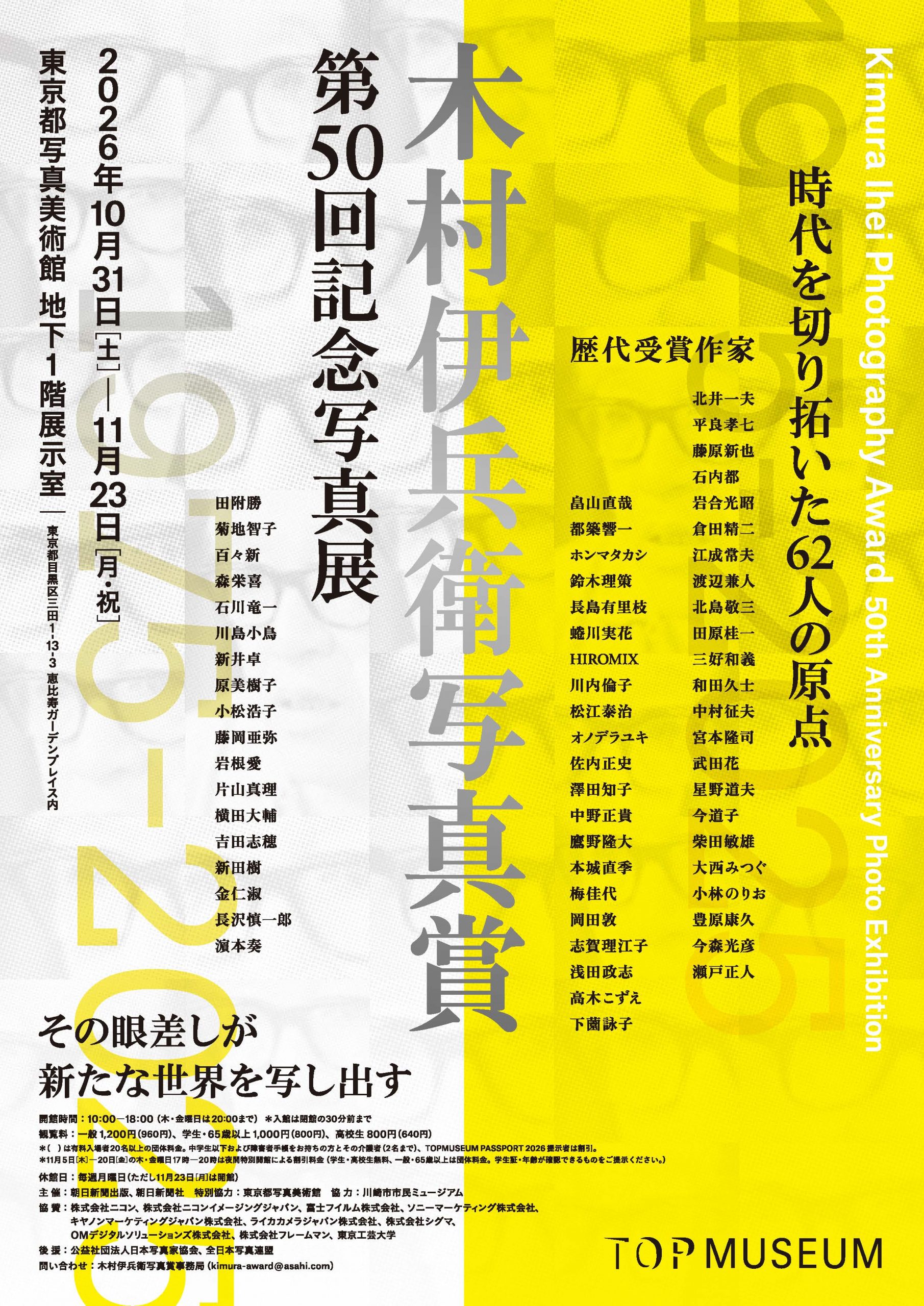
Kimura Ihei (1901–1974) took up the small Leica camera from 1930 and, without staging, caught the everyday life of people in Tokyo's shitamachi and around Ginza; after the war he led the realism photography movement together with Domon Ken. In Japan, photographs of people taken in a relaxed, everyday state, not posing for the camera, are called snapshots. The Kimura Ihei Award, founded by the Asahi Shimbun in 1975, goes to a newcomer for work published that year in photobooks, exhibitions, magazines, and other media, and is sometimes called the “Akutagawa Prize of photography.” A photobook is a set of tens to hundreds of photographs edited around a concept; Talbot's The Pencil of Nature is named as the beginning of reproducible books gathering several photographs, and a copy is in the collection of the Tokyo Photographic Art Museum. Photographers also photograph themselves: Katayama Mari starts from hand-sewn objects and develops them into self-portraits, video, and installations. On labels, a gelatin silver print is the most common process in black-and-white photography.
02In the gallery
Look at the photographs on a wall one by one, in order, then step back and see them together: what story does the arrangement tell that no single picture does?
Wall label terms in Japanese
- 写真
- Photograph
- スナップ写真
- Snapshot
- 写真集
- Photobook
- セルフポートレート
- Self-portrait
- ゼラチン・シルバー・プリント
- Gelatin silver print
03Notes
Photographers often edit many pictures into a set and publish them as a book or an exhibition.
This time, at Mori Art Award 2026 Grand Prize Exhibition: Katayama Mari —
Going from one to the next, is a photograph meant to be seen alone, or read with the others?
04Related
Nearby, after this one
Same venue · Mori Art Museum

Same neighborhood · Roppongi
Shows open on the same days as this one are listed first (regular closing days only).