52 days left#Painting
The Five Great Ukiyo-e Artists: Utamaro, Sharaku, Hokusai, Hiroshige, and Kuniyoshi
Japanese original:
五大浮世絵師 歌麿に写楽、北斎と広重、そして国芳
The show centers on five ukiyo-e artists: Kitagawa Utamaro, Toshusai Sharaku, Katsushika Hokusai, Utagawa Hiroshige and Utagawa Kuniyoshi. About 140 masterpieces cover beauty portraits, actor prints, landscapes and warrior prints, and each work has a panel explaining the story behind it and daily life in Edo.

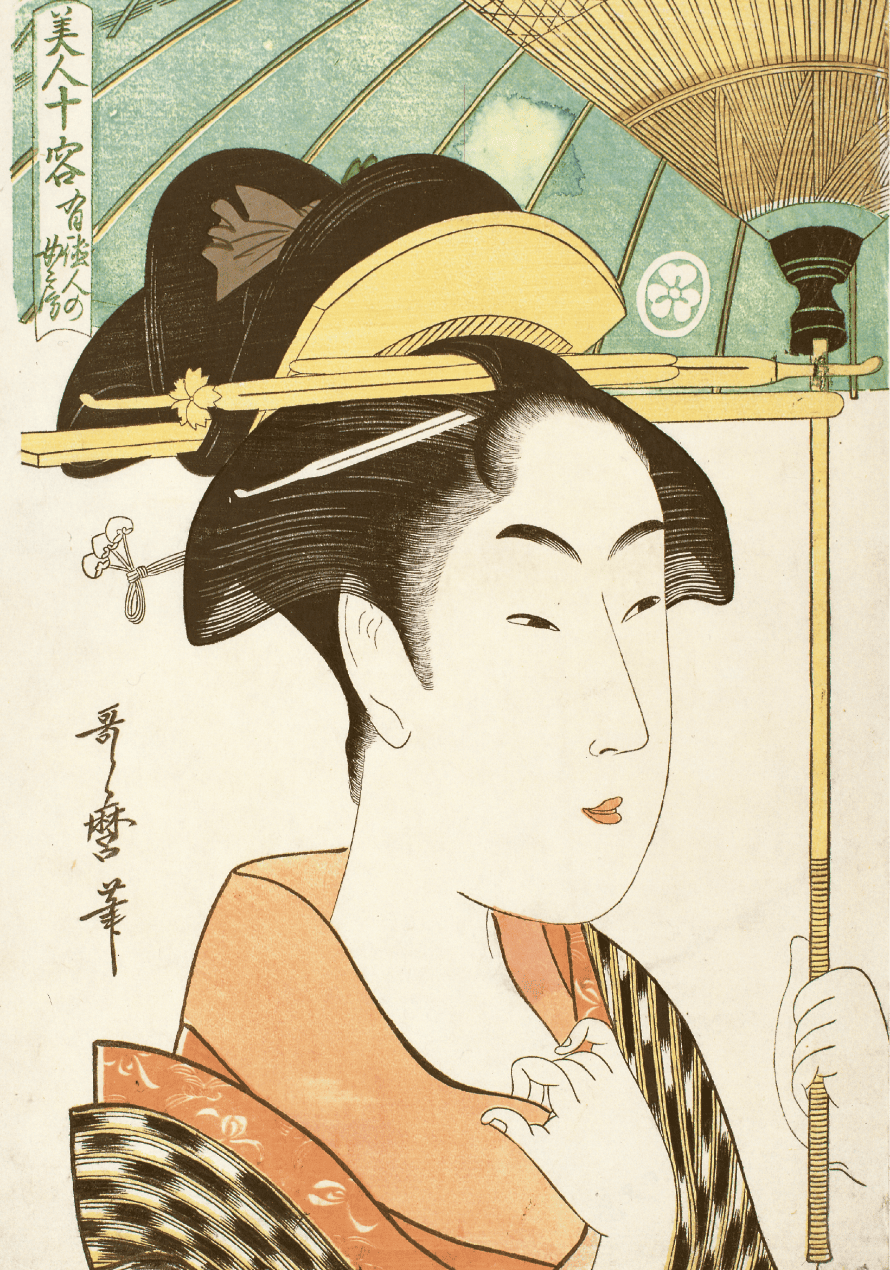


1 / 5 Image: Sapporo Art Park Museum
- Dates
- Oct 10, 2026 – Jan 11, 2027
- Venue
- Sapporo Art Park Museum (札幌芸術の森美術館) · Hokkaido北海道札幌市南区芸術の森2丁目75番地
Getting there
From Makomanai Station (Namboku Line), take a Chuo Bus on the Takino line from Bus Stop 2 for about 15 min and get off at Geijutsu-no-Mori Iriguchi (Sapporo Station to Makomanai is about 17 min by subway; bus fare ¥360 for adults)
- Hours
- 09:45–17:00 · Closed: Mon
- Admission
- General ¥1,700Original: 一般 1,700円
The calendar entry covers the whole run, so you won't need to look the dates up again. Please check opening hours and closing days before your visit.
Entry notes
Open 9:45–17:00, last entry 16:30. Closed on Mondays (open when Monday is a public holiday, closed the next day) and from 28 December to 4 January.
- Open 9:45–17:00, last entry 16:30. Closed on Mondays (open when Monday is a public holiday, closed the next day) and from 28 December to 4 January. (Source: 札幌藝術之森美術館:五大浮世繪師展, 2026)
- Day-of tickets are ¥1,700 for adults, ¥1,100 for high-school and university students and ¥700 for elementary and junior-high students; preschool children are free with a guardian. Visitors aged 65 and over pay ¥1,600 on the day with proof of age. Holders of a disability certificate and one companion enter free when they show it at the ticket window. (Source: 札幌藝術之森美術館:五大浮世繪師展, 2026)
From the organizer's announcements and press reports. Arrangements can change; please check the official site before your visit.
Guided tours
Curator mini-lectures on ukiyo-e: Monday 23 Nov (public holiday) and Saturday 12 Dec 2026, each 11:00–12:00, in the Pottery Studio workshop room (moved from the gallery); staff guide visitors from the museum. Free with a valid ticket for the day; no registration. Attendance may be limited when crowded. Language not stated.
- TalkCurator mini-lectures on ukiyo-e: Monday 23 Nov (public holiday) and Saturday 12 Dec 2026, each 11:00–12:00, in the Pottery Studio workshop room (moved from the gallery); staff guide visitors from the museum. Free with a valid ticket for the day; no registration. Attendance may be limited when crowded. Language not stated.
Source: 札幌芸術の森美術館 五大浮世絵師展. From the venue's and organizer's announcements. Schedules, languages and fees can change; please check the official site before your visit.
Organizers and partners
Organized by: Sapporo Art Park Museum
- Organized by
- Co-organized by
- The Hokkaido Shimbun Press
- Planning
- 神戸新聞社
Organizing this exhibition? Write to us to add or correct anything here: hello@anthology-art.org
Knowledge cards
Woodblock prints木版画A print made from a carved block of wood: what is cut away stays blank, and only the raised surface takes the ink and prints.Read moreClose
01About
A woodblock print is a relief print: the image is cut into a block of wood, the parts meant to print are left level with the surface, and the rest is removed. The cut-away areas carry no ink. The raised surface is inked, and the paper laid on it is pressed or rubbed, often with a hand tool called a baren. Traditional Japanese prints are cut on cherry wood and printed with water-based inks, where Western woodcut typically uses oil-based ones. Early Japanese prints were mostly monochrome, in black ink only. Colour came by cutting one block for each colour and lining the blocks up with registration marks called kentō, as in ukiyo-e prints. From the late Meiji period, artists who carved and printed their own blocks began to make what are called creative prints.
02In the gallery
Look closely at where black meets white and find the lines the knife left. Then step back and see how the black areas and the blank paper build the whole picture.
Wall label terms in Japanese
- 凸版
- Relief printing
- 馬連(ばれん)
- Baren
- 見当
- Registration mark
- 創作版画
- Creative prints
03Notes
A woodblock print is read through what the knife left behind: cut-away places stay white, raised places carry the ink.
This time, at The Five Great Ukiyo-e Artists: Utamaro, Sharaku, Hokusai, Hiroshige, and Kuniyoshi —
Is the thin line you are looking at a white line the knife cut, or a black line left standing?
04Related
Ukiyo-e浮世絵Pictures of the life of the day, popular in Japan from the 17th to the 19th century; most are woodblock prints.Read moreClose
01About
“Ukiyo” means the floating world, the world of the present. Subjects include beautiful women, kabuki actors, sumo wrestlers, scenes from history, and famous places; around the 1830s Katsushika Hokusai and Utagawa Hiroshige made landscape a genre of its own. A few are paintings by the artist's own hand, but most are prints, made by four people in turn: the publisher paid, the designer drew, the carver cut the blocks, and the printer printed. Early prints used black ink alone; around 1765, exchanging calendar prints in many colors became a fashion, publishers then sold such prints as nishiki-e, “brocade pictures,” and full-color printing spread.
02In the gallery
In front of a print, find an edge where two colors meet. Each color has its own block; the printer lines the paper up with the registration marks cut into the block and prints from light colors to dark, one over another.
Wall label terms in Japanese
- 浮世絵
- Ukiyo-e
- 錦絵
- Nishiki-e (full-color print)
- 肉筆画
- Painting (by the artist's hand)
- 見当
- Registration mark
03Notes
Ukiyo-e landscapes often tell the season with mist, rain, snow, and moonlight.
This time, at The Five Great Ukiyo-e Artists: Utamaro, Sharaku, Hokusai, Hiroshige, and Kuniyoshi —
Where in the picture do you feel the season, or the hour?