Opens in 75 days#Media art
Ebisu Film Festival 2027 (tentative)
Japanese original:
恵比寿映像祭2027(仮)
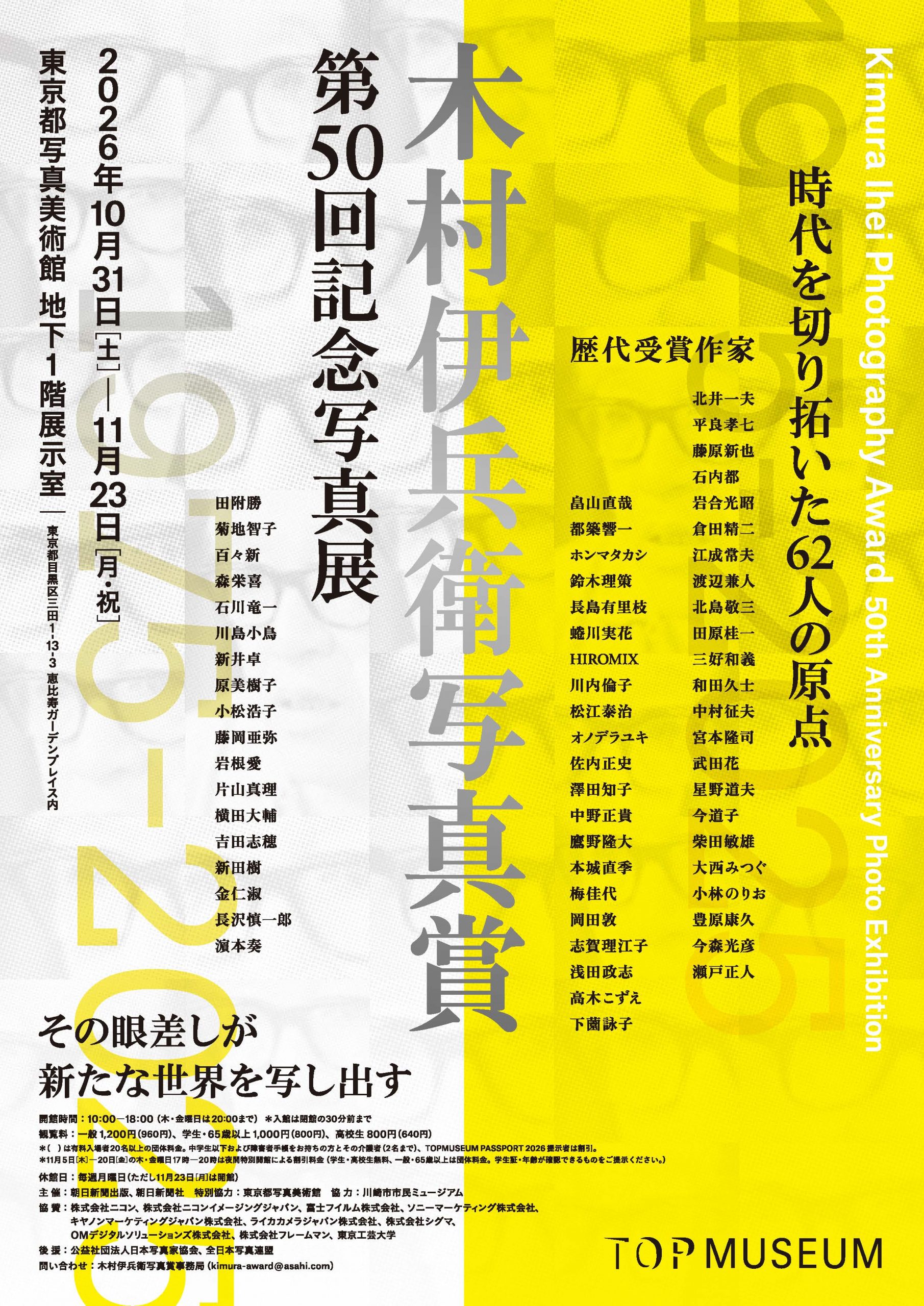
Held every year in Ebisu since 2009, the Yebisu International Festival for Art & Alternative Visions combines exhibitions, screenings, live performances, and talks on moving images and art. In recent years it has also focused on social inclusion, discovering and supporting emerging artists, local ties, and workshops. The Tokyo Photographic Art Museum is its main venue.
- Dates
- Feb 5 – Feb 21, 2027
- Venue
- Tokyo Photographic Art Museum (東京都写真美術館) · Ebisu & Meguro東京都目黒区三田1-13-3 恵比寿ガーデンプレイス内
Getting there
7 min walk from the East Exit, JR Ebisu Station
- Hours
- 10:00–18:00 · Closed: Mon
- Artists
- 石原海
- 岩根愛
- 折笠良
- 佐藤浩一
The calendar entry starts on opening day and covers the whole run, so you won't need to look the dates up again. Please check opening hours and closing days before your visit.
Entry notes
Yebisu International Festival for Art & Alternative Visions 2027 runs from 5 to 21 February 2027 at the Tokyo Photographic Art Museum and other venues. The exhibitions are free; screenings and some events require separate tickets. Closed on 8 and 15 February; open 10:00–20:00 (until 18:00 on the last day, 21 February), with entry until 30 minutes before closing. The commission project display on the third floor continues until 22 March.
- Yebisu International Festival for Art & Alternative Visions 2027 runs from 5 to 21 February 2027 at the Tokyo Photographic Art Museum and other venues. The exhibitions are free; screenings and some events require separate tickets. Closed on 8 and 15 February; open 10:00–20:00 (until 18:00 on the last day, 21 February), with entry until 30 minutes before closing. The commission project display on the third floor continues until 22 March. (Source: 恵比寿映像祭2027, 2026)
From the organizer's announcements and press reports. Arrangements can change; please check the official site before your visit.
Knowledge cards
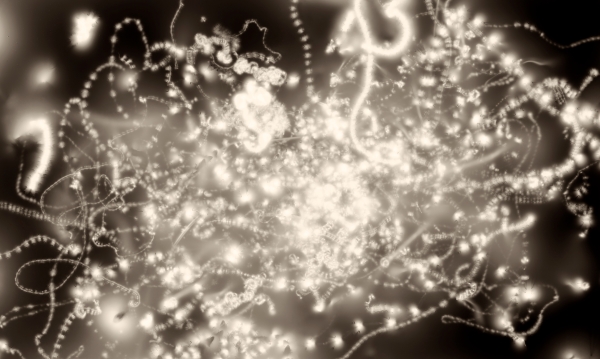
Media art and video artメディアアートとビデオ・アートArt that takes electronic and digital media, such as television, video, computers, and sensors, as its material.Read moreClose
01About
In March 1963, Nam June Paik showed Exposition of Music – Electronic Television at Galerie Parnass in Wuppertal, West Germany, scattering television sets through the rooms and distorting their pictures with magnets; this is often taken as the starting point of media art. The works that followed take a few broad forms: single-channel video, shown on one screen with a fixed running time like a film; video installation, which arranges several monitors, projections, and objects in a space that visitors walk through; and interactive works that change in response to a visitor's movement, voice, or brain waves. Cathode-ray tube sets and other equipment are produced less and less and are hard to find even second-hand, so keeping such works alive means weighing repair against replacement; Paik himself allowed owners to make the technical changes needed to keep his works running.
02In the gallery
Read the medium line on the label. “72 monitors, 4-channel video” means 72 screens are showing four different videos: find the screens playing the same one and see how they are arranged. For a single-channel work, the label gives the running time; check it before deciding where to start watching.
Wall label terms in Japanese
- メディアアート
- Media art
- シングルチャンネル
- Single-channel video
- 映像○チャンネル
- Video, N channels (N different videos)
- ビデオ・インスタレーション
- Video installation
- インタラクティブ
- Interactive
- ブラウン管
- Cathode-ray tube (CRT)
03Notes
Media art ranges from single-screen video to video installations you walk into.
This time, at Ebisu Film Festival 2027 (tentative) —
Is a screen in the gallery a window to look into, or an object to walk around?
04Related
Nearby, after this one
Same venue · Tokyo Photographic Art Museum
Same neighborhood · Ebisu & Meguro
Shows open on the same days as this one are listed first (regular closing days only).