56 days left#Photography
Duet—Asian Contemporary
Japanese original:
デュエット――アジアン・コンテンポラリー
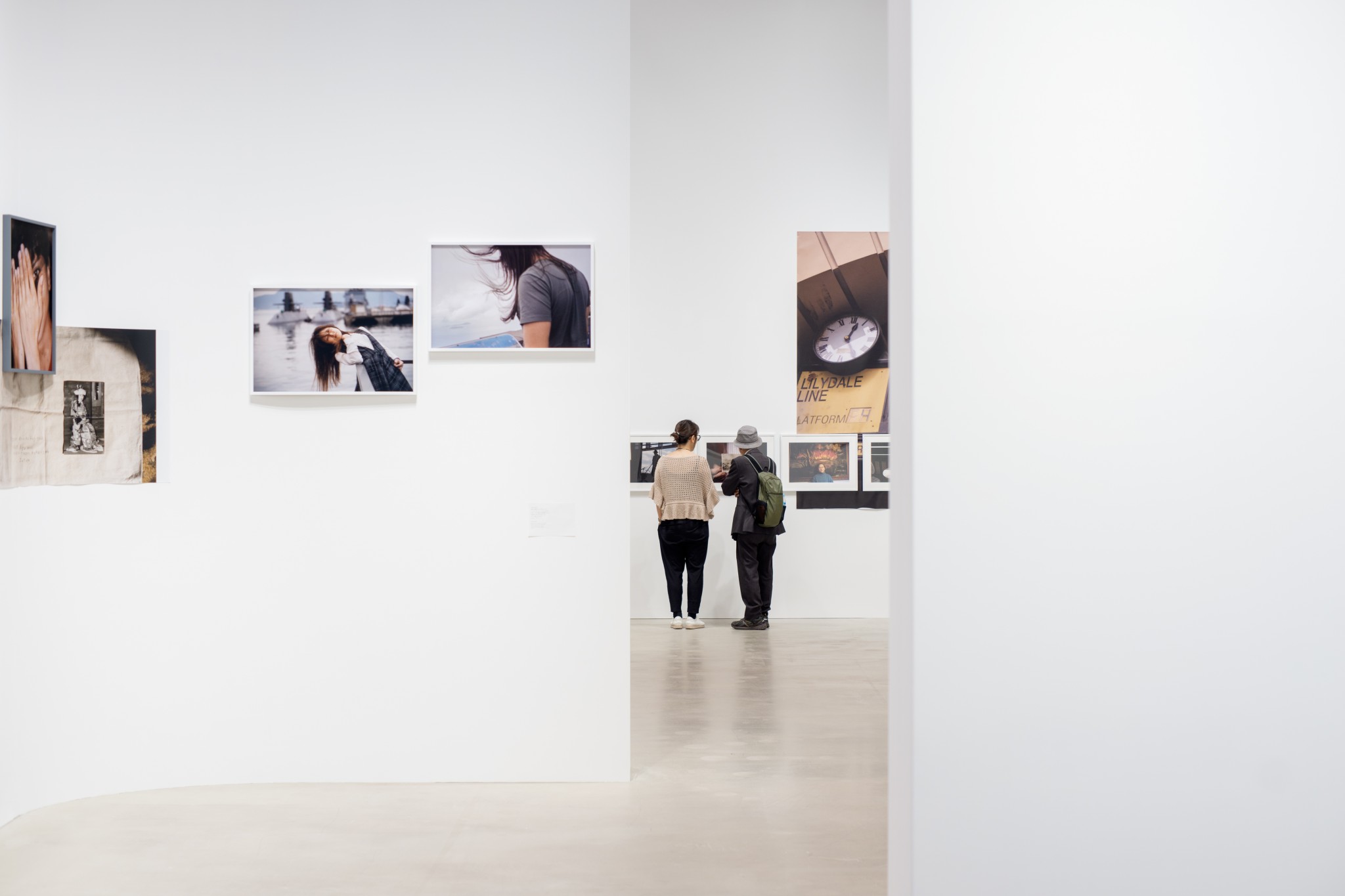
An exhibition of contemporary photography and video from China and Japan at the Tokyo Photographic Art Museum, the second in a series after Love's Body: Asian Contemporary (2018), co-curated with Teng Qingyun, executive director of the Three Shadows Xiamen Photography Art Centre; Three Shadows was founded in Beijing in 2007 by the photographer duo RongRong & inri. Taking the duet as its thread, it features Toshiya Murakoshi, Wang Tuo, Tako Sui, Luo Yang, Jiang Pengyi, and fumiko imano.
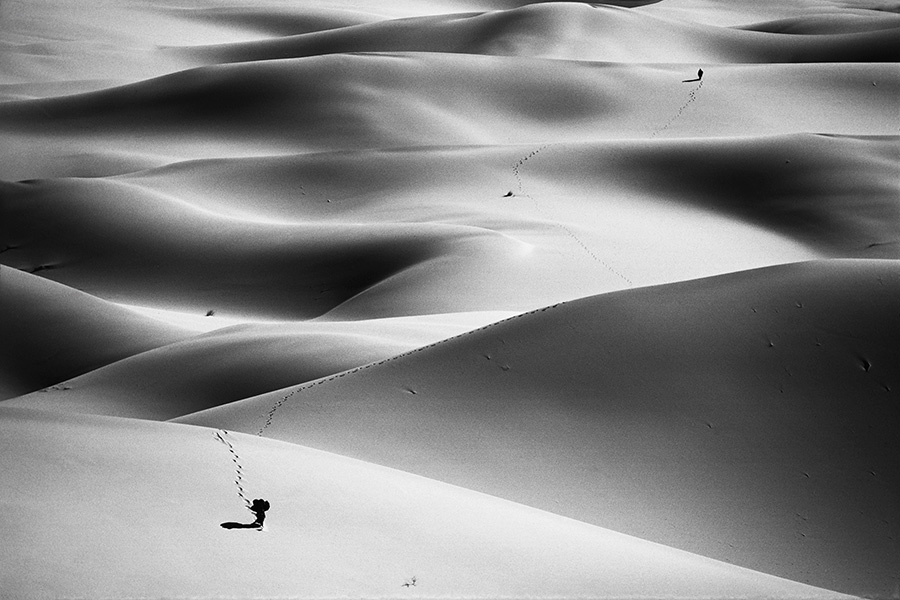
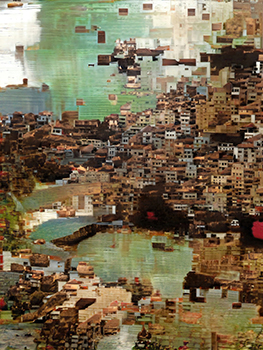
1 / 6 Image: Tokyo Photographic Art Museum ジャン・ポンイー《Dark Addiction 1H43’24”》2013年 インクジェット・プリント 作家蔵 ©Jiang Pengyi, Courtesy of ShanghART Gallery
- Dates
- Sep 30, 2026 – Jan 17, 2027
- Venue
- Tokyo Photographic Art Museum (東京都写真美術館) · Ebisu & Meguro東京都目黒区三田1-13-3 恵比寿ガーデンプレイス内
Getting there
7 min walk from the East Exit, JR Ebisu Station
- Hours
- 10:00–18:00 · Closed: Mon
- Admission
- General ¥900Original: 一般 900円
- Artists
- Toshiya Murakoshi
- Wang Tuo
- Taca Sui
- Luo Yang
- Jiang Pengyi
- fumiko imano
- Organized by
The calendar entry covers the whole run, so you won't need to look the dates up again. Please check opening hours and closing days before your visit.
Entry notes
Tickets for a chosen date and time can be bought online (external ticket site). Closed on Mondays (open when Monday is a holiday, with the next weekday closed) and from December 28 to January 1; free on October 1, January 2 and January 3, and for visitors 65 and over on the third Wednesday of each month. The museum notes that some works include nudity and depictions of sex and violence; if you have concerns, ask the staff, who will explain before you enter or buy a ticket.
- Tickets for a chosen date and time can be bought online (external ticket site). Closed on Mondays (open when Monday is a holiday, with the next weekday closed) and from December 28 to January 1; free on October 1, January 2 and January 3, and for visitors 65 and over on the third Wednesday of each month. The museum notes that some works include nudity and depictions of sex and violence; if you have concerns, ask the staff, who will explain before you enter or buy a ticket. (Source: 東京都写真美術館:デュエット――アジアン・コンテンポラリー, 2026)
From the organizer's announcements and press reports. Arrangements can change; please check the official site before your visit.
Guided tours
Gallery talks by the curator with sign-language interpretation: Fridays 20 Nov and 18 Dec 2026 at 14:00, about 50 minutes. Meet at the 2nd-floor gallery entrance with a valid ticket for the exhibition; no sign-up, and you may join or leave midway. Free with an exhibition ticket (disability certificate holders and up to 2 companions are free).
- TalkGallery talks by the curator with sign-language interpretation: Fridays 20 Nov and 18 Dec 2026 at 14:00, about 50 minutes. Meet at the 2nd-floor gallery entrance with a valid ticket for the exhibition; no sign-up, and you may join or leave midway. Free with an exhibition ticket (disability certificate holders and up to 2 companions are free).
- Audio guidePlain-language guide: introduces the exhibition in easy words. Handed out at the 2nd-floor reception (while supplies last); scan the code with the Uni-Voice app to listen, or download the PDF. A fee is not stated.
- TalkDec 12 (Sat)Inclusive program 'Q&A show with sign language': Saturday 12 Dec 2026, 14:00–15:00 in the 2nd-floor lobby, with the Deaf viewing guide 小笠原新也 asking the questions. 50 places, free, with sign-language interpretation and text display; see the museum's public program page for sign-up.
Source: 東京都写真美術館 手話通訳付きギャラリートーク, デュエット――アジアン・コンテンポラリー(東京都写真美術館). From the venue's and organizer's announcements. Schedules, languages and fees can change; please check the official site before your visit.
Knowledge cards
Photography写真Making images by recording light; photographers often present their work not as single prints but as groups of pictures, in photobooks, magazines, and exhibitions.Read moreClose
01About
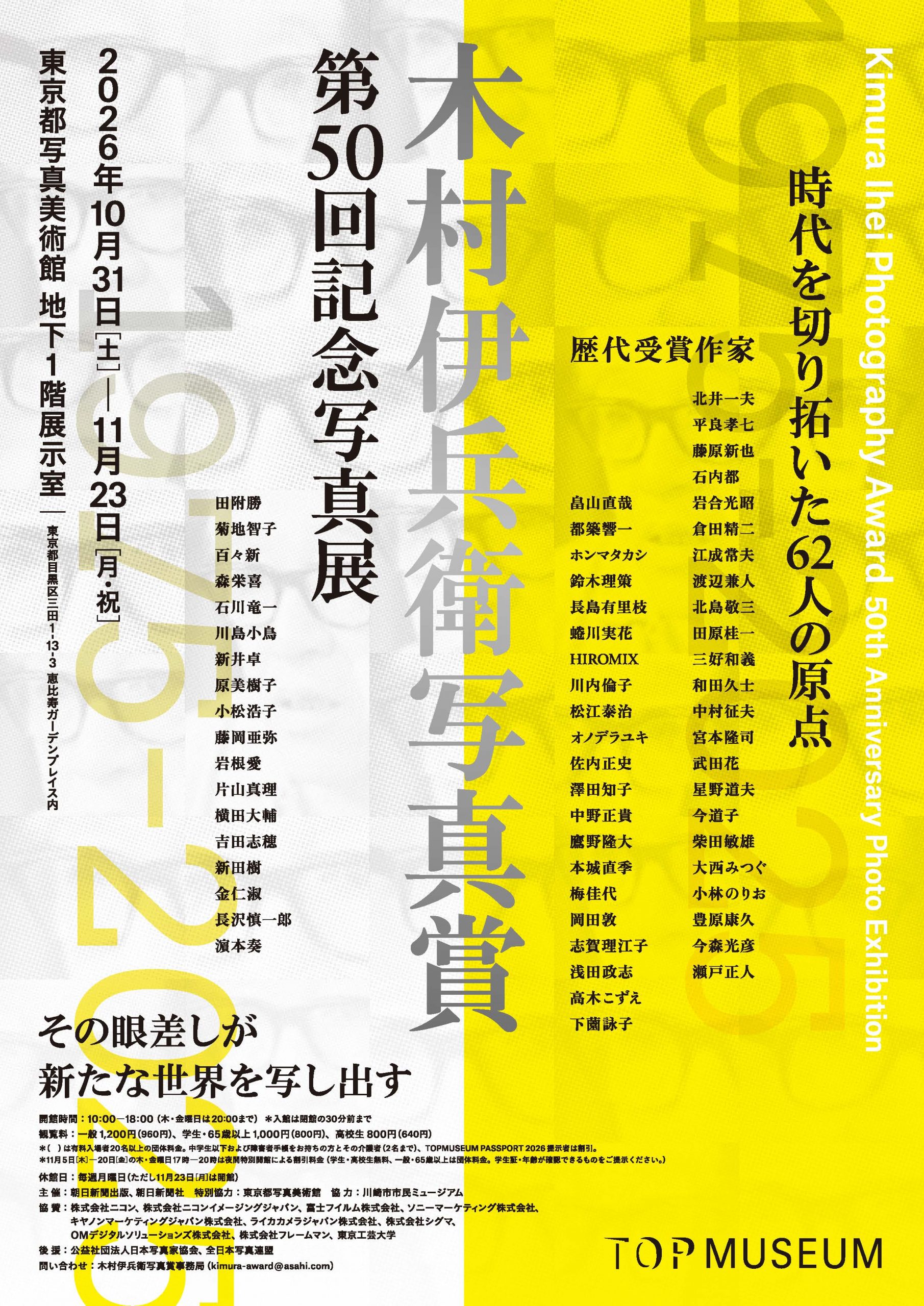
Kimura Ihei (1901–1974) took up the small Leica camera from 1930 and, without staging, caught the everyday life of people in Tokyo's shitamachi and around Ginza; after the war he led the realism photography movement together with Domon Ken. In Japan, photographs of people taken in a relaxed, everyday state, not posing for the camera, are called snapshots. The Kimura Ihei Award, founded by the Asahi Shimbun in 1975, goes to a newcomer for work published that year in photobooks, exhibitions, magazines, and other media, and is sometimes called the “Akutagawa Prize of photography.” A photobook is a set of tens to hundreds of photographs edited around a concept; Talbot's The Pencil of Nature is named as the beginning of reproducible books gathering several photographs, and a copy is in the collection of the Tokyo Photographic Art Museum. Photographers also photograph themselves: Katayama Mari starts from hand-sewn objects and develops them into self-portraits, video, and installations. On labels, a gelatin silver print is the most common process in black-and-white photography.
02In the gallery
Look at the photographs on a wall one by one, in order, then step back and see them together: what story does the arrangement tell that no single picture does?
Wall label terms in Japanese
- 写真
- Photograph
- スナップ写真
- Snapshot
- 写真集
- Photobook
- セルフポートレート
- Self-portrait
- ゼラチン・シルバー・プリント
- Gelatin silver print
03Notes
Photographers often edit many pictures into a set and publish them as a book or an exhibition.
This time, at Duet—Asian Contemporary —
Going from one to the next, is a photograph meant to be seen alone, or read with the others?
04Related
Media art and video artメディアアートとビデオ・アートArt that takes electronic and digital media, such as television, video, computers, and sensors, as its material.Read moreClose
01About
In March 1963, Nam June Paik showed Exposition of Music – Electronic Television at Galerie Parnass in Wuppertal, West Germany, scattering television sets through the rooms and distorting their pictures with magnets; this is often taken as the starting point of media art. The works that followed take a few broad forms: single-channel video, shown on one screen with a fixed running time like a film; video installation, which arranges several monitors, projections, and objects in a space that visitors walk through; and interactive works that change in response to a visitor's movement, voice, or brain waves. Cathode-ray tube sets and other equipment are produced less and less and are hard to find even second-hand, so keeping such works alive means weighing repair against replacement; Paik himself allowed owners to make the technical changes needed to keep his works running.
02In the gallery
Read the medium line on the label. “72 monitors, 4-channel video” means 72 screens are showing four different videos: find the screens playing the same one and see how they are arranged. For a single-channel work, the label gives the running time; check it before deciding where to start watching.
Wall label terms in Japanese
- メディアアート
- Media art
- シングルチャンネル
- Single-channel video
- 映像○チャンネル
- Video, N channels (N different videos)
- ビデオ・インスタレーション
- Video installation
- インタラクティブ
- Interactive
- ブラウン管
- Cathode-ray tube (CRT)
03Notes
Media art ranges from single-screen video to video installations you walk into.
This time, at Duet—Asian Contemporary —
Is a screen in the gallery a window to look into, or an object to walk around?
04Related
Nearby, after this one
Same venue · Tokyo Photographic Art Museum
Same neighborhood · Ebisu & Meguro
Shows open on the same days as this one are listed first (regular closing days only).