Opens in 66 days#Painting
Cincinnati Art Museum Exhibition
Japanese original:
シンシナティ美術館展 アメリカに渡ったヨーロッパの至宝
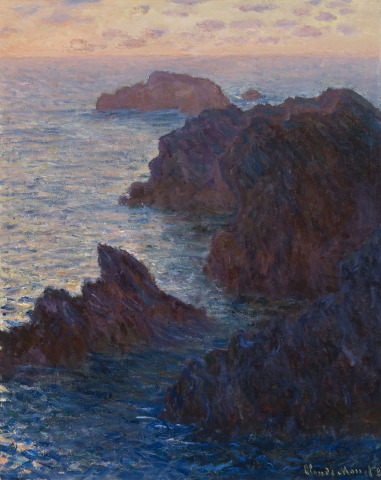
The Cincinnati Art Museum in Ohio is one of the oldest art museums in the United States, with more than 73,000 works. This show brings 84 of them to Toyama, 81 for the first time in Japan, centered on French art of the 19th and 20th centuries, among them van Gogh's Undergrowth with Two Figures from the final months of his life, Tissot's Young Women Looking at Japanese Objects and Sisley's Boucival.
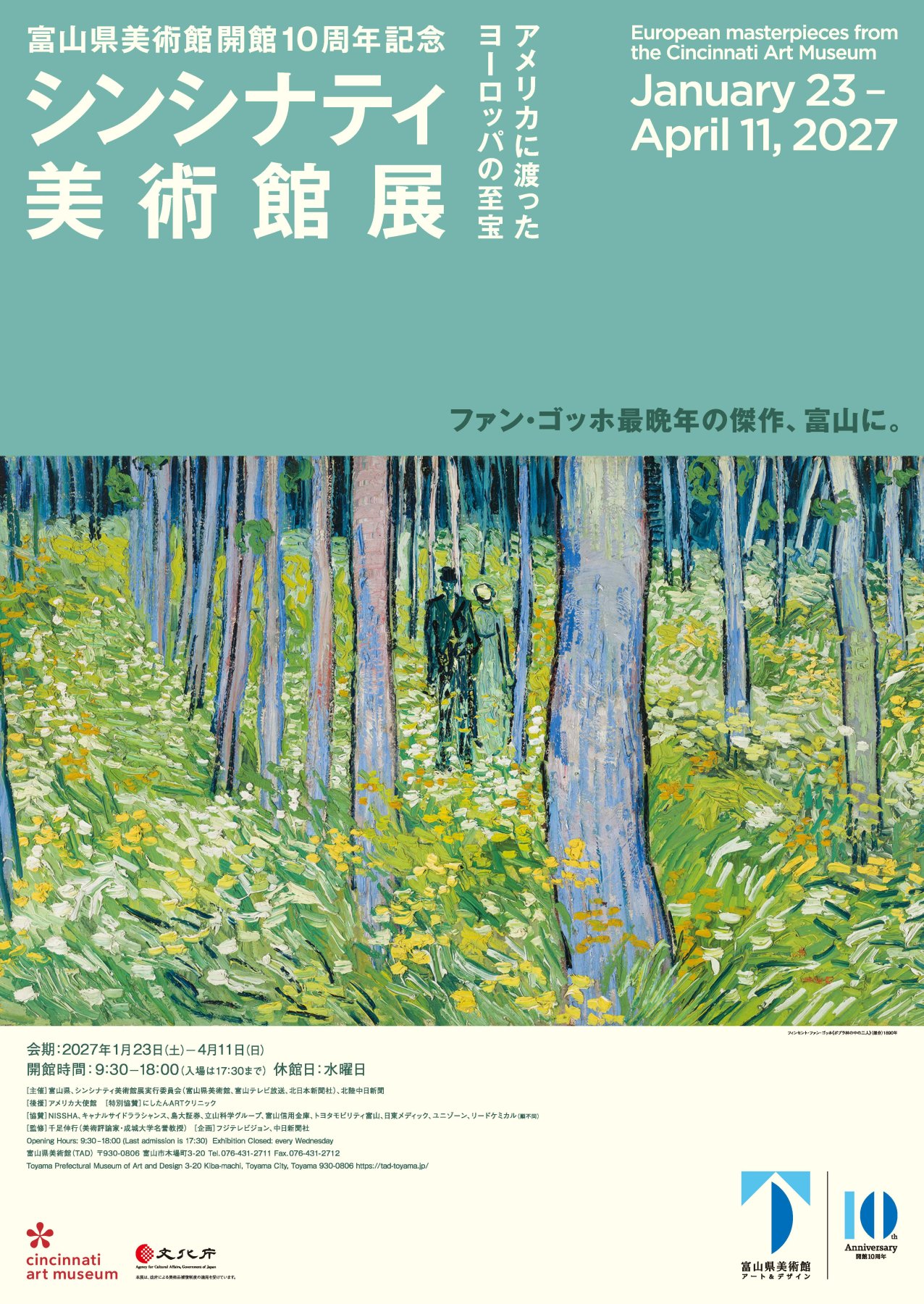
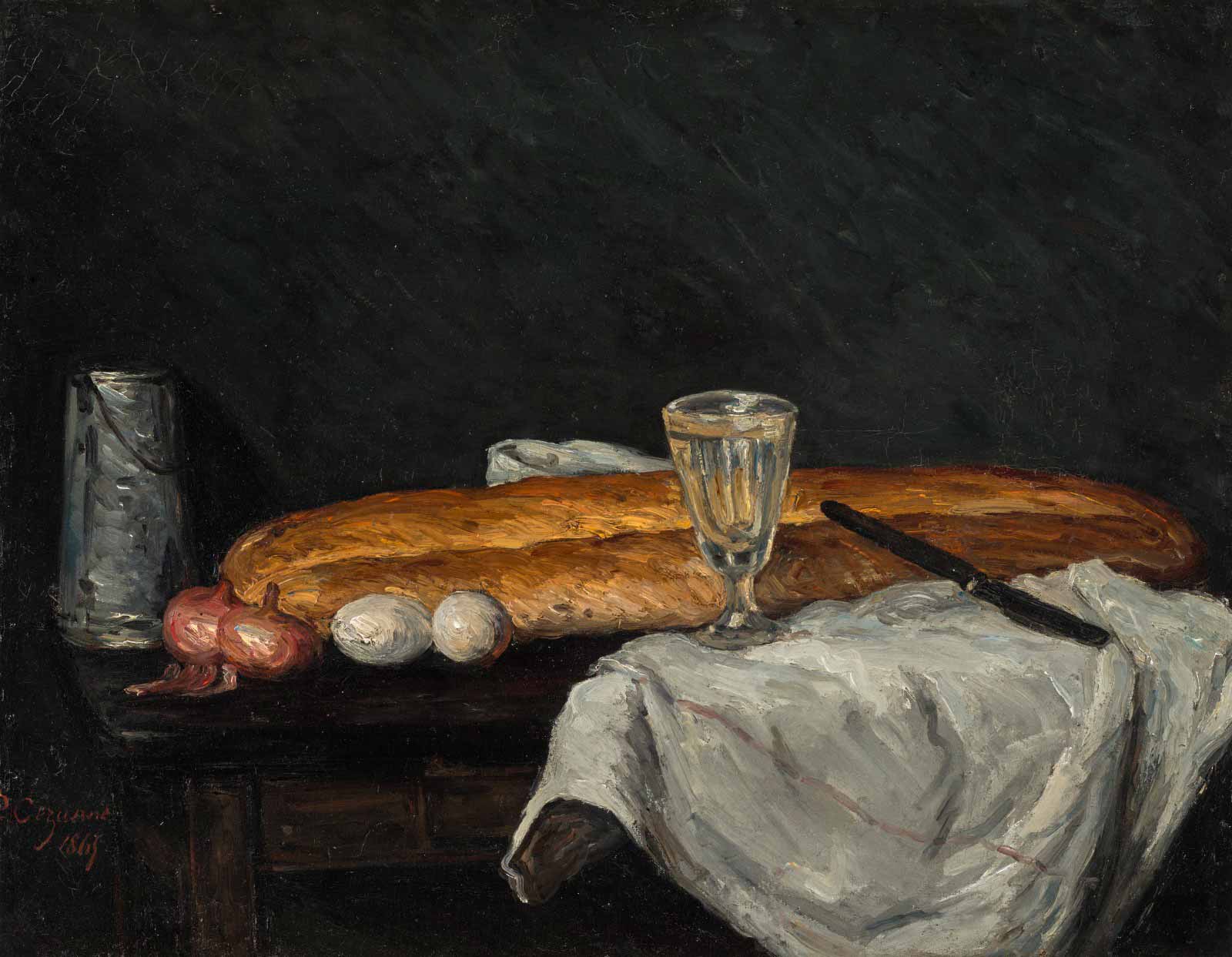
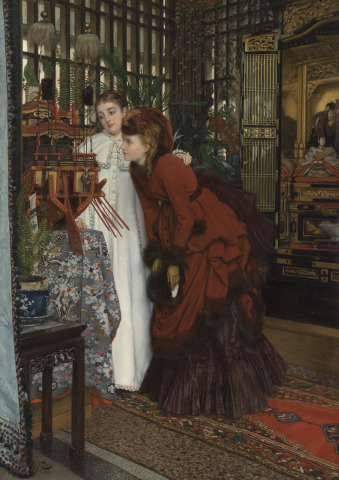
1 / 4 Image: Toyama Prefectural Museum of Art
- Dates
- Jan 23 – Apr 11, 2027
- Venue
- Toyama Prefectural Museum of Art (富山県美術館) · Toyama富山県富山市木場町3-20
Getting there
About 15 min on foot from the north exit of JR Toyama Station; or take the bus from stop 1 (Toyama Red Cross Hospital via the Prefectural Museum) and get off at Toyama Prefectural Museum of Art; by taxi, about 3 min
- Hours
- 09:30–18:00 · Closed: Wed
- Admission
- General ¥2,000Original: 一般 2,000円
- Artists
- Vincent van Gogh
- Paul Cézanne
- Claude Monet
- James Tissot
- Alfred Sisley
- Pablo Picasso
- Curators
- Senzoku Nobuyuki
The calendar entry starts on opening day and covers the whole run, so you won't need to look the dates up again. Please check opening hours and closing days before your visit.
Organizers and partners
Organized by: Toyama Prefectural Museum of Art, Toyama Prefecture
- Organized by
- Toyama Prefectural Museum of Art
- Toyama Prefecture
- Co-organized by
- Toyama Television Broadcasting
- The Kitanippon Shimbun
- Hokuriku Chunichi Shimbun
- Loans from
- Cincinnati Art Museum
- In cooperation with
- Embassy of the United States of America
- Planning
- フジテレビジョン
- 中日新聞社
Organizing this exhibition? Write to us to add or correct anything here: hello@anthology-art.org
Knowledge cards
Post-Impressionismポスト印象派A label for the painters working in France after the Impressionists, usually meaning just Cézanne, Gauguin, Seurat, and Van Gogh, each of whom took painting in a different direction.Read moreClose
01About
“Post-Impressionism” is a label added after the fact for painters who were very unlike one another. It was coined by Roger Fry, who organised the 1910 exhibition Manet and the Post-Impressionists, where Cézanne, Van Gogh, Gauguin and Seurat were shown, and Tate keeps the term mainly for those four. What they shared was that each knew the Impressionists and wanted to go beyond them; Tate dates that turn from about 1886, the year of the last Impressionist group show in Paris. Cézanne went on painting from nature, only more strictly. Seurat turned the Impressionist interest in light and colour into a method with a scientific footing. Gauguin kept strong light and colour but gave up painting what was in front of him, and brought back imagined subjects. Van Gogh still worked from nature, but his colour and brushwork were so personal that they directly expressed what he felt about a subject, and his inner life.
02In the gallery
Choose one patch of the picture and follow how the paint is laid on: in separate dabs, in flat patches, or in thick sweeping lines. Does the way it is applied seem to describe a surface, build a form, or carry feeling?
Wall label terms in Japanese
- ポスト印象派
- Post-Impressionism
- 筆触
- Brushstroke
03Notes
Post-Impressionist pictures are often more interested in what an image can symbolise or make you feel than in copying what the eye saw.
This time, at Cincinnati Art Museum Exhibition —
Do the colours look like ones you would really see in front of the subject?
04Related
Impressionism印象派A painting movement that emerged in Paris in the 1870s: painting outdoors, in short strokes of unmixed colour, to catch a passing moment of light and air.Read moreClose
01About
In April 1874 about thirty painters, among them Monet, Renoir, Pissarro, Degas and Morisot, put on their own exhibition in the studio of the photographer Nadar, without the jury of the official Salon. The critic Louis Leroy mocked Monet's Impression, Sunrise in the satirical paper Le Charivari, and the name “Impressionists” stuck; the group exhibited together eight times, until 1886. They painted outdoors to catch the changing effects of sunlight, left short, unblended brushstrokes, and set pure colours side by side with as little mixing as possible, so that they look more vivid to the eye. Japanese prints, through Japonisme, shaped many of their unusual, snapshot-like compositions. After the last group show, Seurat and Signac arranged dots of colour by rule (Pointillism), while Van Gogh and Gauguin turned to emotion and symbol; this generation came to be called Post-Impressionist, a name the critic Roger Fry spread with his 1910 London exhibition Manet and the Post-Impressionists.
02In the gallery
Stand close and look at the separate strokes of colour, then take a few steps back: where do the colours blend into another colour in your eye, and when do the water, the sky or the figures appear?
Wall label terms in Japanese
- 印象派
- Impressionism
- 戸外制作
- Painting outdoors (en plein air)
- 筆触
- Brushstroke
- 点描
- Pointillism
- ポスト印象派
- Post-Impressionism
03Notes
The Impressionists painted outdoors, chasing the light as it changed through the day.
This time, at Cincinnati Art Museum Exhibition —
What time of day do you see in the painting, and what tells you?