Fukuoka Prefectural Museum of Art
Japanese original:
福岡県立美術館
The museum began as the Fukuoka Prefectural Cultural Hall, which opened in 1964 in Suzaki Park in Tenjin and was designed by Sato Takeo. After a full renovation it restarted as the Fukuoka Prefectural Museum of Art on 3 November 1985. Its collection numbers about 10,000 works, and it holds exhibitions researching artists and art movements connected to Fukuoka as well as shows on art from Japan and abroad.
- Address
- 福岡県福岡市中央区天神5丁目2-1
- Getting there
- From Tenjin Station on the Kuko Line, walk about 10 min from Exit East 1a or 1b of the Tenjin Underground Mall; from Nishitetsu Fukuoka (Tenjin) Station, about 15 min on foot. From Hakata Station, take the Nishitetsu BRT to Fukuoka Shimin Hall Kita-guchi, then walk 2 min
- Hours
- 10:00–18:00
- Closed
- Mon
- Admission
- Admission is set for each exhibition; the collection exhibition is free for visitors aged 65 and over and for people with a disability certificate, and free for high school students and younger on Saturdays
Regular closing days only. For public holidays, please check each venue's notices.
Directions and admission checked against the venue's website on Nov 12, 2026.
First visit
- Last entry to exhibitions is 17:30 (closing 18:00). The museum is closed on Mondays (the next weekday if Monday is a holiday) and from 28 December to 4 January, with occasional temporary closures or openings.
- There is no parking at the museum, so use public transport or a nearby paid car park; bicycle and motorbike parking is near the main entrance (9:00–18:00).
From the venue's visitor guidelines, checked on Nov 12, 2026.
On now and coming up
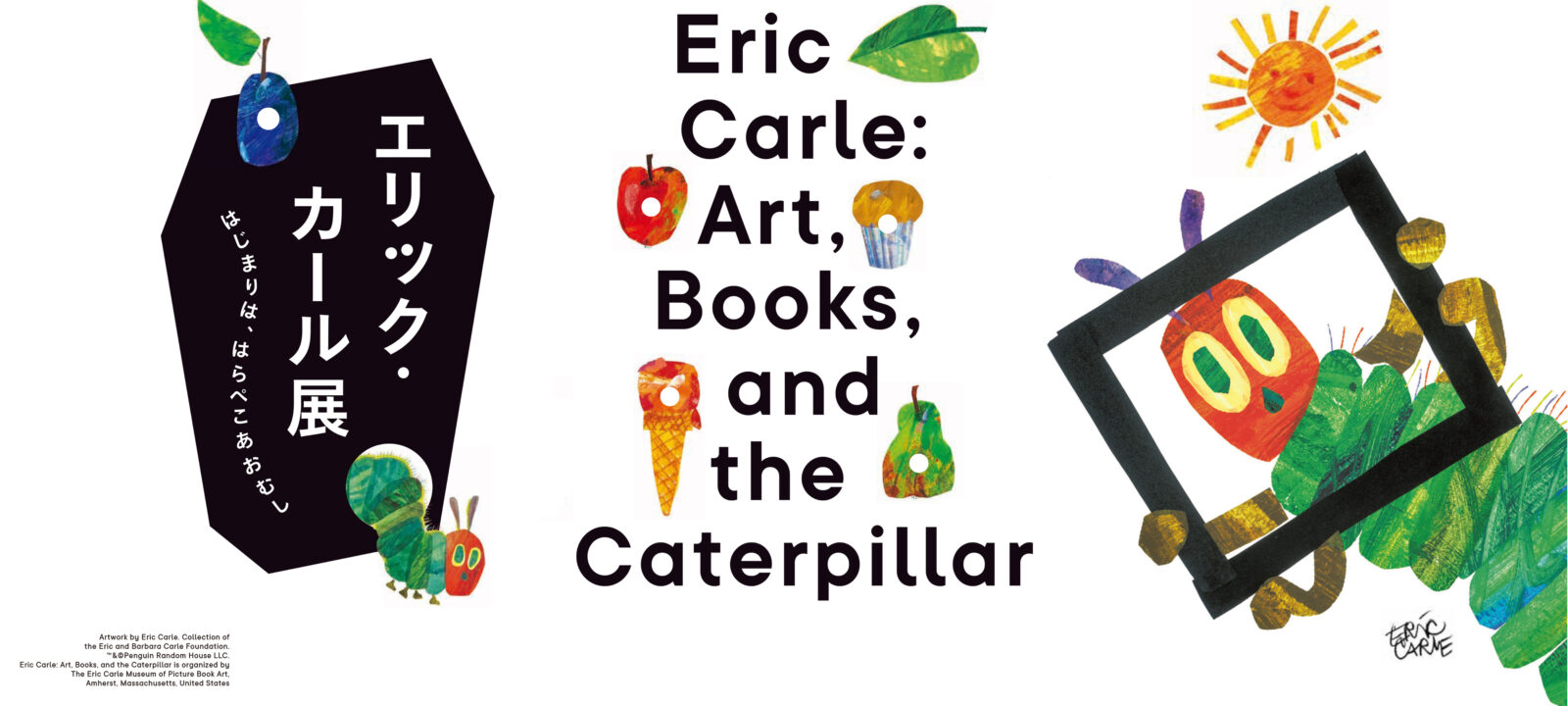
Exhibitions (Open now 1 · Opening soon 1)
The Japanese original of each title and venue name is shown in gray below it.

Related knowledge cards
- Ukiyo-ePictures of the life of the day, popular in Japan from the 17th to the 19th century; most are woodblock prints.
- Bijinga (pictures of beautiful women)Pictures whose subject is the beauty of women, in looks or in spirit; the name was born in Japan, and many follow on from the ukiyo-e of the Edo period.