Out of Town
Kaohsiung Winter Exhibitions 2026–27Six exhibitions at the Kaohsiung Museum of Fine Arts, the Pier-2 Art Center and the Neiwei Art Center, September to April
Chosen by our editor and checked against each venue's official site. No paid listings. About this anthology

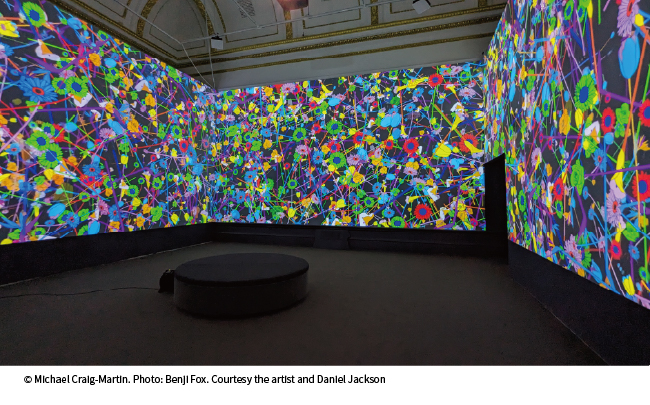
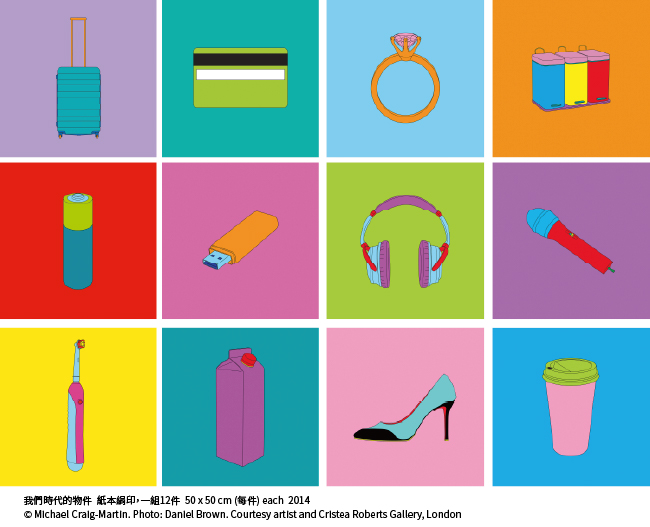
1 / 3 Image: Kaohsiung Museum of Fine Arts
In 1973, Michael Craig-Martin put a glass of water on a glass shelf and said it was an oak tree.
Michael Craig-Martin's An Oak Tree of 1973 is a glass of water on a glass shelf set high on the wall. Beside it is a text of questions and answers, in which the artist says he has changed the glass of water into an oak tree: its appearance is the same, but its substance is not. The work is often held up as a landmark of conceptual art.
For the fifty years since, he has kept working on the distance between a thing and its image. He takes everyday objects such as telephones, light bulbs and glasses out of their settings, keeps only their outlines, and fills them with bright, saturated colour.
Born in Dublin in 1941 and educated in the United States, he moved to Britain in 1966 and later taught at Goldsmiths in London, where his students included Damien Hirst. The Language of the Everyday at the Kaohsiung Museum of Fine Arts is his first solo exhibition in Taiwan, running from early conceptual pieces and large wall drawings to painting, sculpture, prints and digital works.
The last work is a digital animation from 2024, titled 宇宙 ("Universe") in the museum's Chinese, and this is its international premiere. The images he has drawn over four decades are all gathered in this one piece.
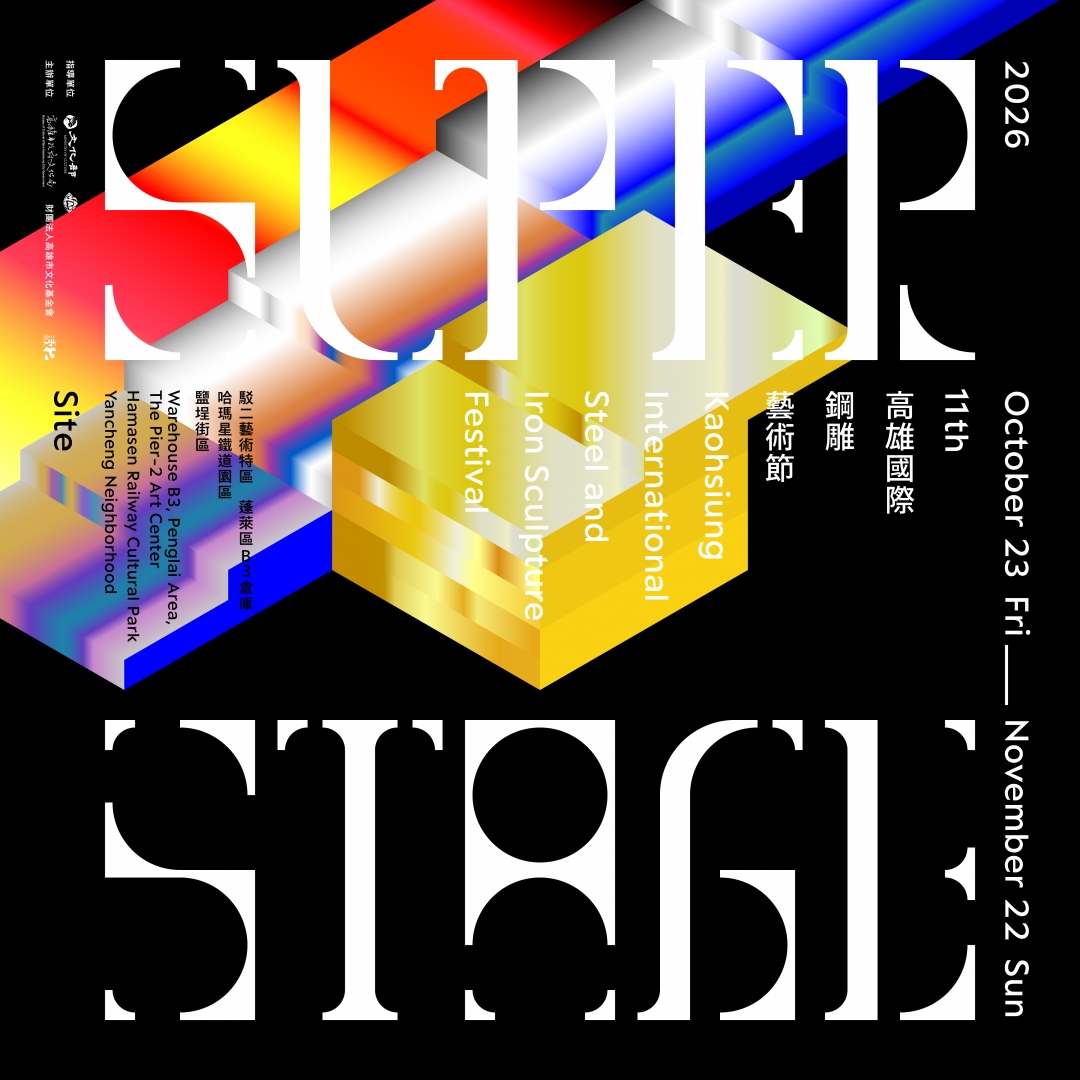
1 / 4 Image: Pier-2 Art Center
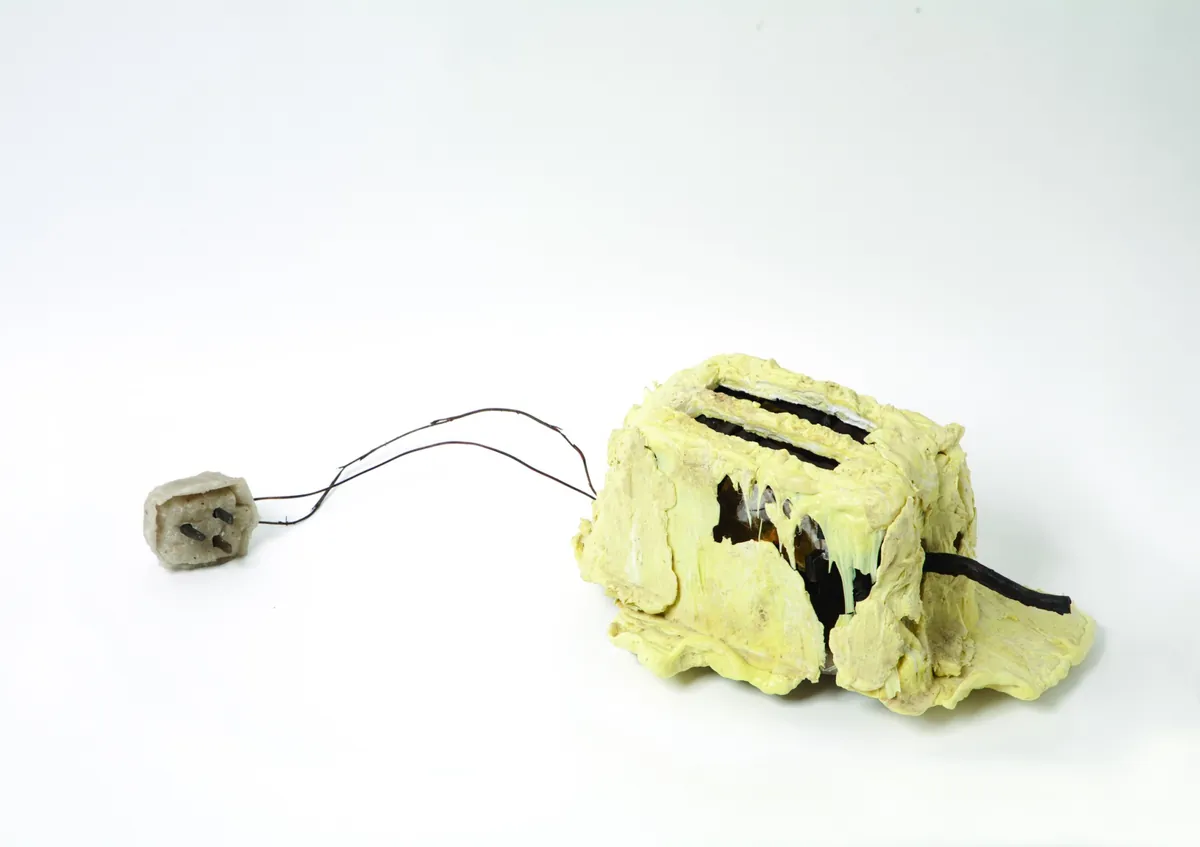
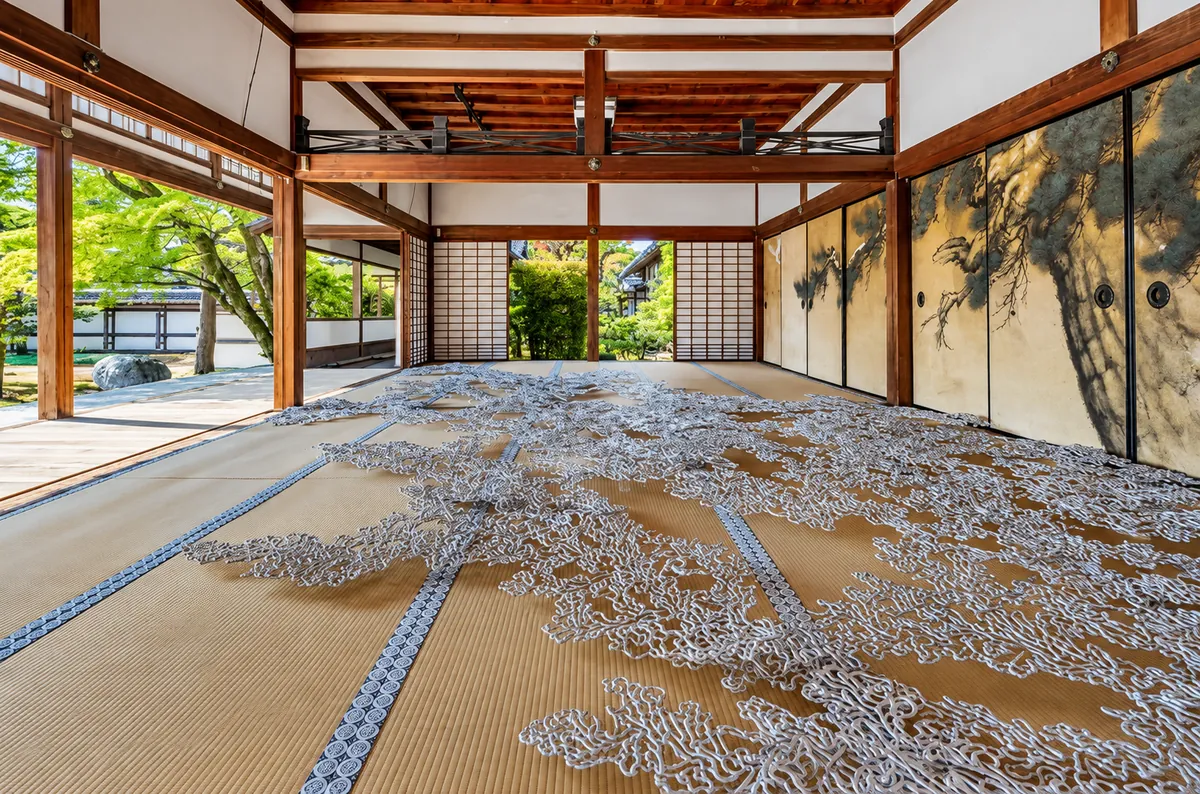
A warehouse in Penglai, a railway park in Hamasen, the streets of Yancheng: three sites in Kaohsiung.
The 2026 Kaohsiung International Steel & Iron Sculpture Festival takes the title SUPER STAGE and looks at Kaohsiung as a steel city. The city's transformation can be written as a chapter of industrial change, and it also happens in factory processes, bodily habits, and the rhythms of work and leisure.
So the festival starts from steel and invites creators from Taiwan and abroad to enter the border between manufacturing and daily life through contemporary art, design, performance, and sound. The three sites divide the work: Warehouse B3 in the Penglai area of the Pier-2 Art Center holds the indoor thematic exhibition, the Hamasen Railway Cultural Park the outdoor on-site works (until 15 November), and the Yancheng neighborhood the street-level projects.
There are events during the run. On 14 November a traditional forging workshop, with hammers, tongs, and a furnace, introduces how iron goes from heating and gripping to forging and taking shape; on 21 November the international forum has a professional harbor pilot talk about daily life in the port.
The festival explains "stage" this way: a stage is a site under construction, where ideas of the city's next move can be tested and rehearsed; a stage is also a phase of transformation, like the successive processes through which a material takes form.

1 / 3 Image: Kaohsiung Museum of Fine Arts
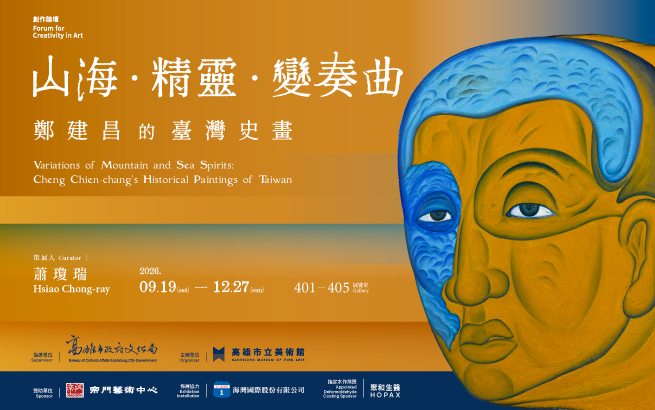
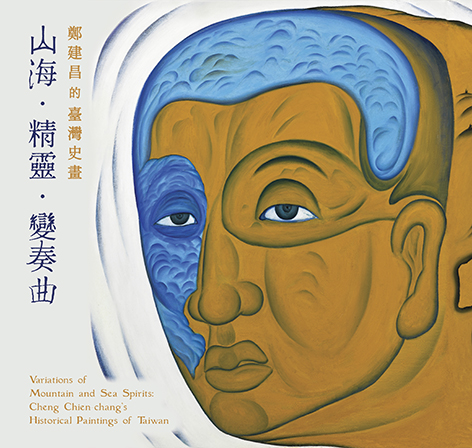
Mountains, rivers, deities, and faces, all together in Cheng Chien-chang's pictures.
Cheng Chien-chang was born in 1956 and is one of the artists called the "new generation" in the second wave of Western influence in Taiwan's art world in the 1980s. After first making a name, he decided to return to his hometown, Chiayi, and began again to look for his own history.
So his work responds to the rhythm of Taiwan's political, economic, and social change, and also cares about past history, the conflict and blending of peoples, and the struggle and coexistence between people and nature. Mountains, land, rivers, deities, and faces appear often in his pictures.
These elements are tied to the beliefs of different peoples: the Christian stories of leaving Eden and seeking Canaan, the Han history of crossing the Black Water Trench and their faith in the land, the sacred trees and trees of life of Taiwan's Indigenous peoples, and the "heroic spirits" who were politically repressed in the postwar changes.
The exhibition looks back over more than 40 years of his work in four series: Classic of Mountains and Seas, Tree Spirits, Icons, and the Large Block series. The years in which the series begin show the overall change in his thinking, while the periods in which they were made overlap.

Settlements among mountains, sea, and islands: Kochi and Kaohsiung each bring their own design.
Local Design in Taiwan and Japan: Light of the Land is about how design enters a place. The Neiwei Art Center's text says that design's help is not just packaging added from outside: it goes into the place, understands daily life, and appreciates the care and skill of craftspeople, turning the apparent disadvantage of a remote area into an irreplaceable local character.
The exhibition has 39 cases in two sections. LOCAL LOCAL shows 18 representative works by the Japanese designer Makoto Umebara from more than forty years of working deeply in local places; "Zuo-huo Creation" shows 21 community and local-brand projects that the Kaohsiung City Government has built up by bringing together localities, teams, and designers.
The two places are set side by side because the settlements in Kochi, Japan, and in Kaohsiung, Taiwan, both lie among mountains, sea, and island ecologies, where people take natural resources to make things and look for ways to live with nature. The organizers say that in the comparison one can see the two places using a shared way of thinking about design to find ways of working together with a place.
The title, Light of the Land, comes from the organizers' hope that the land in its original purity will give off a warm light bright enough to catch the eye.
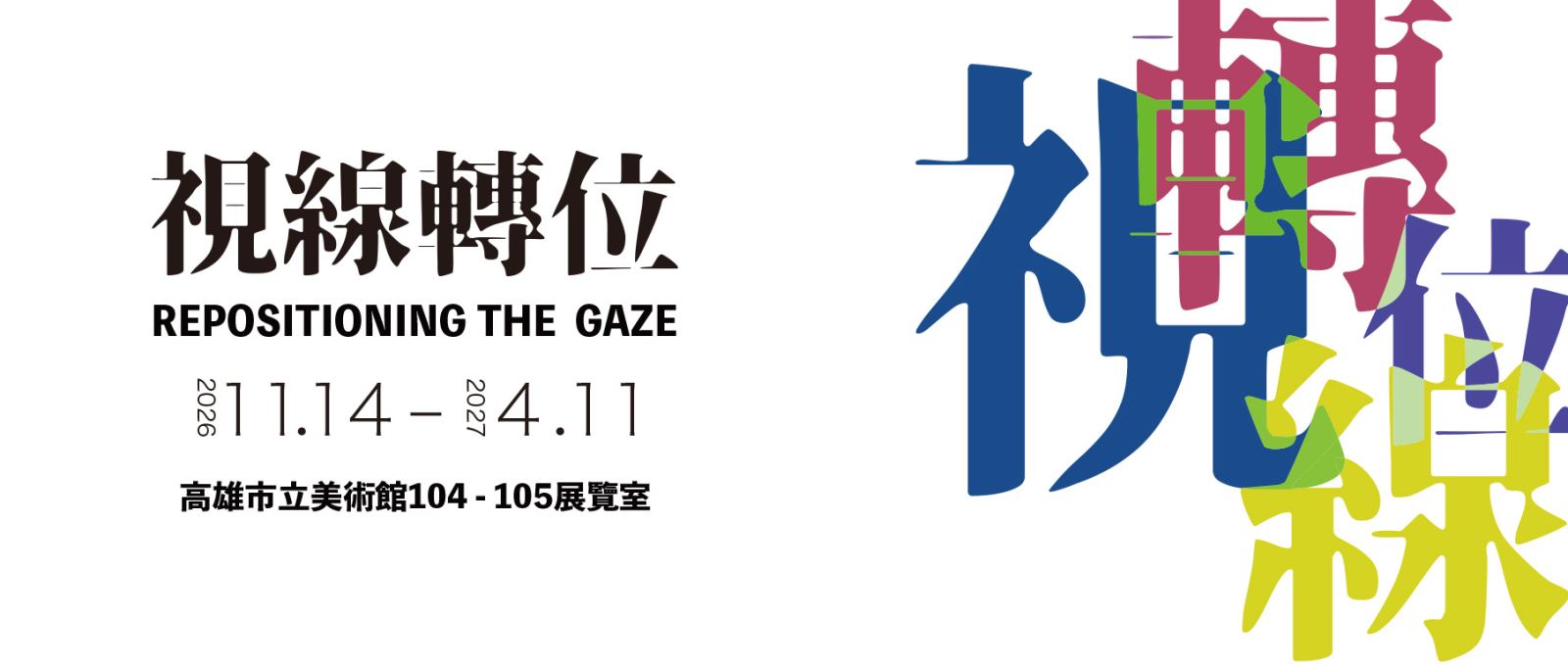
Twenty-three Taiwanese and Asian artists, facing Michael Craig-Martin's everyday objects.
Repositioning the Gaze brings together 23 Taiwanese and Asian artists of different generations in a dialogue with the British conceptual artist Michael Craig-Martin. The Kaohsiung Museum of Fine Arts is also showing a solo exhibition of Craig-Martin's work at the same time.
The museum's view is that the objective symbols of the West are minimalist and cool, while in the hands of Taiwanese artists, ordinary objects carry local collective memory and cultural psychology. That is why the show is called "Repositioning the Gaze": to change deliberately where we look from, see through the surface, and rediscover the cultural warmth and subjective value behind the most ordinary symbols of daily life.
The artists include Richard Lin, Paul Chiang, Michael Lin, Jun T. Lai, Mit Jai Inn, and LuxuryLogico.
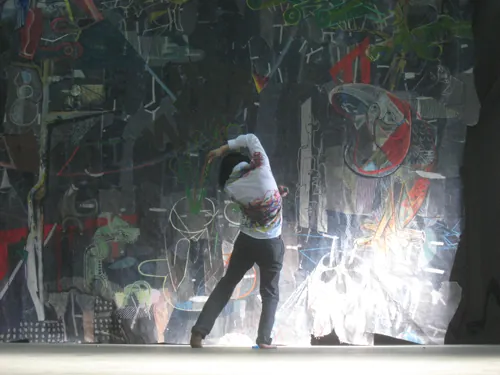
1 / 3 Image: Kaohsiung Museum of Fine Arts
Fragments of stone, smears of mud, threads strung through the space.
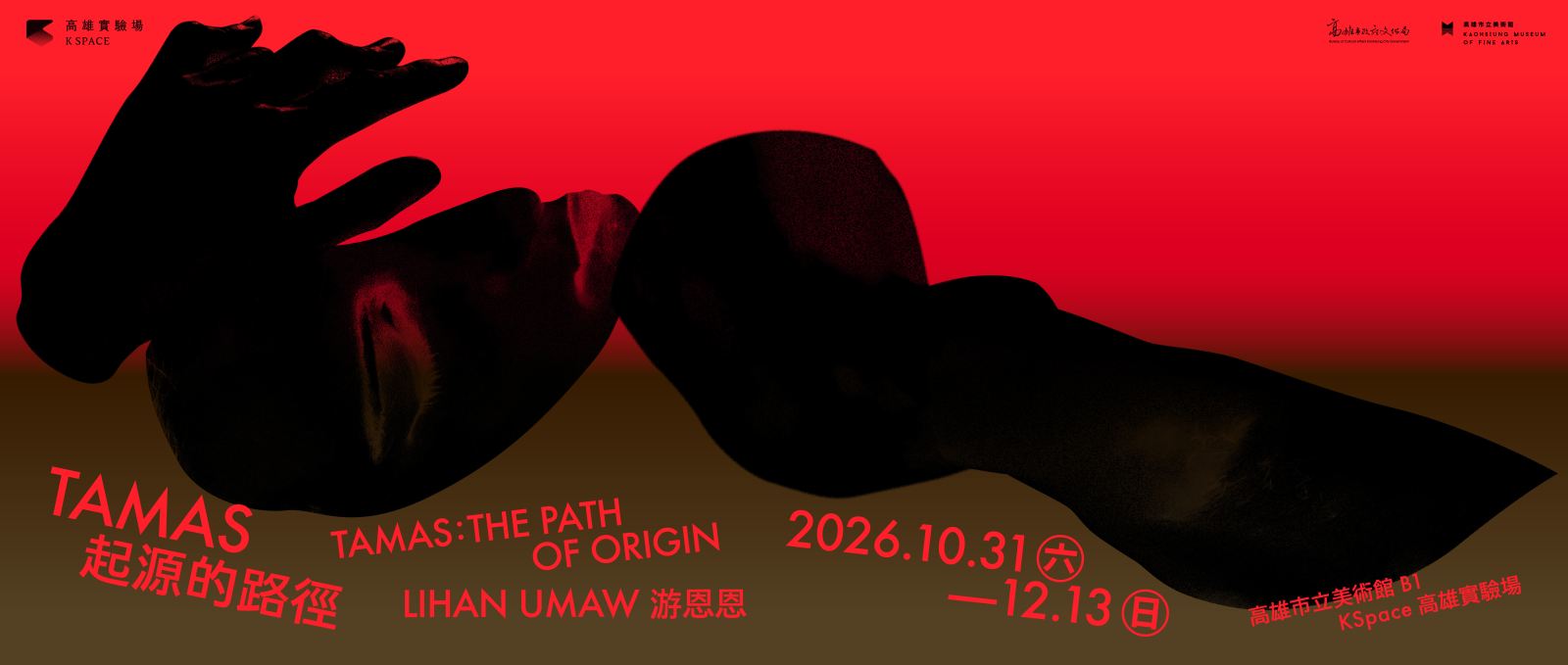
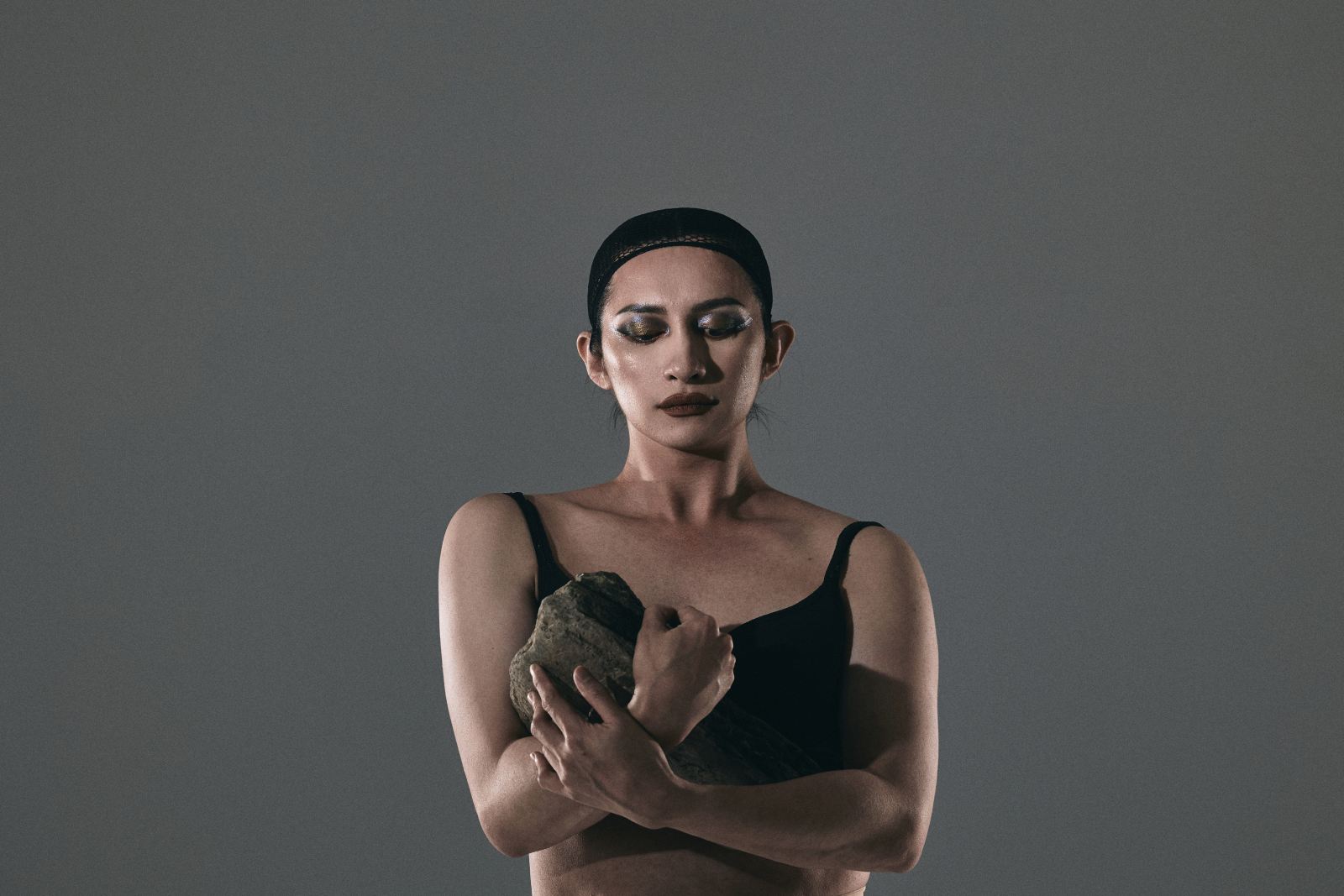
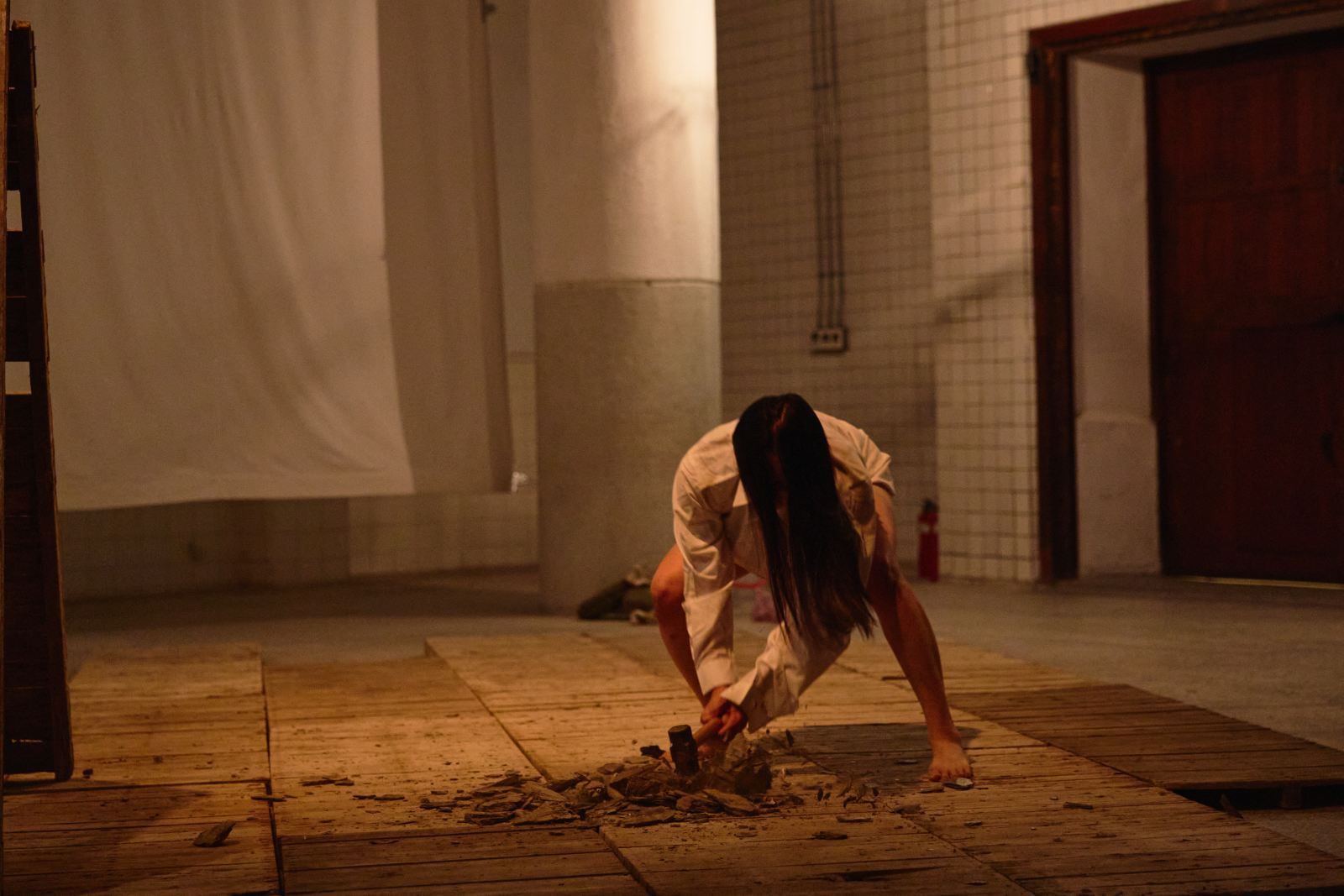
Lihan Umaw was born in Hualien in 1990 and now lives and works in Kaohsiung. He has long used bodily action and performance to explore a life shaped by the intersection of Truku identity and gender. The exhibition starts from the stone-striking, mud-smearing, and walking in his performances, actions that leave marks in the body, the performance site, and the city.
Because these actions repeat, circle back, and pile up, the stone fragments, mud marks, and threads in the gallery become witnesses to the body's movement. The museum's text says that this state of "many versions" matches both the way he explores and adjusts his strategies again and again in daily life, and the performances that build up in layers over the run.
During the run there are seven performances of the dance-like performance work tnpusu (Make a Circle), which starts from the Truku origin myth and asks whether, besides the three spirits, the great stone holds other beings not yet recognized or named. Remaining performances are on 13, 18, and 29 November and 2 and 13 December, free and without registration; times follow the museum's notices.
In the Truku language, "tamas" means "mark." It often refers to the signs a hunter leaves along the way into the mountains to mark traps and the extent of a hunting ground; depending on context, it can also mean the tracks an animal leaves, or a sign that points the way home.
If you have seen a good exhibition that isn't written up here yet, I would be glad to hear about it: hello@anthology-art.org
About this anthology: major exhibitions outside Taipei, chosen by our editor, Yu, and updated as shows open and close. Every exhibition is checked against the venue's official site or announcement (as of Nov 12, 2026), and no listing is paid for. If dates or prices change, please refer to the venue's own announcement.
The Chinese original of each title and venue name is shown in gray below it.
A little more art in your life
Every month, we write a letter about exhibitions we love and why we recommend them. Subscribing is free, and you can cancel at any time.
We will use your email address only to send the newsletter. Privacy