70 days left#Design & architecture
3rd Poem: Es Devlin, Come Home Again
Korean original:
세 번째 시: 에스 데블린, 다시 집으로
A solo exhibition of the British artist Es Devlin (b. 1971), the third chapter of FUTURA SEOUL's One Hundred Poems project. Devlin is also known for stage designs for Olympic ceremonies and the Super Bowl halftime show. The show follows a single route, from some 10,000 books, mirrors and a backstage to drawings of living creatures of Seoul and London and thirty years of sketches; the venue suggests 60 to 80 minutes, and the route includes stairs and mirrored rooms.
Featured in: Seoul Anthology: December · Seoul Winter Exhibitions 2026–27
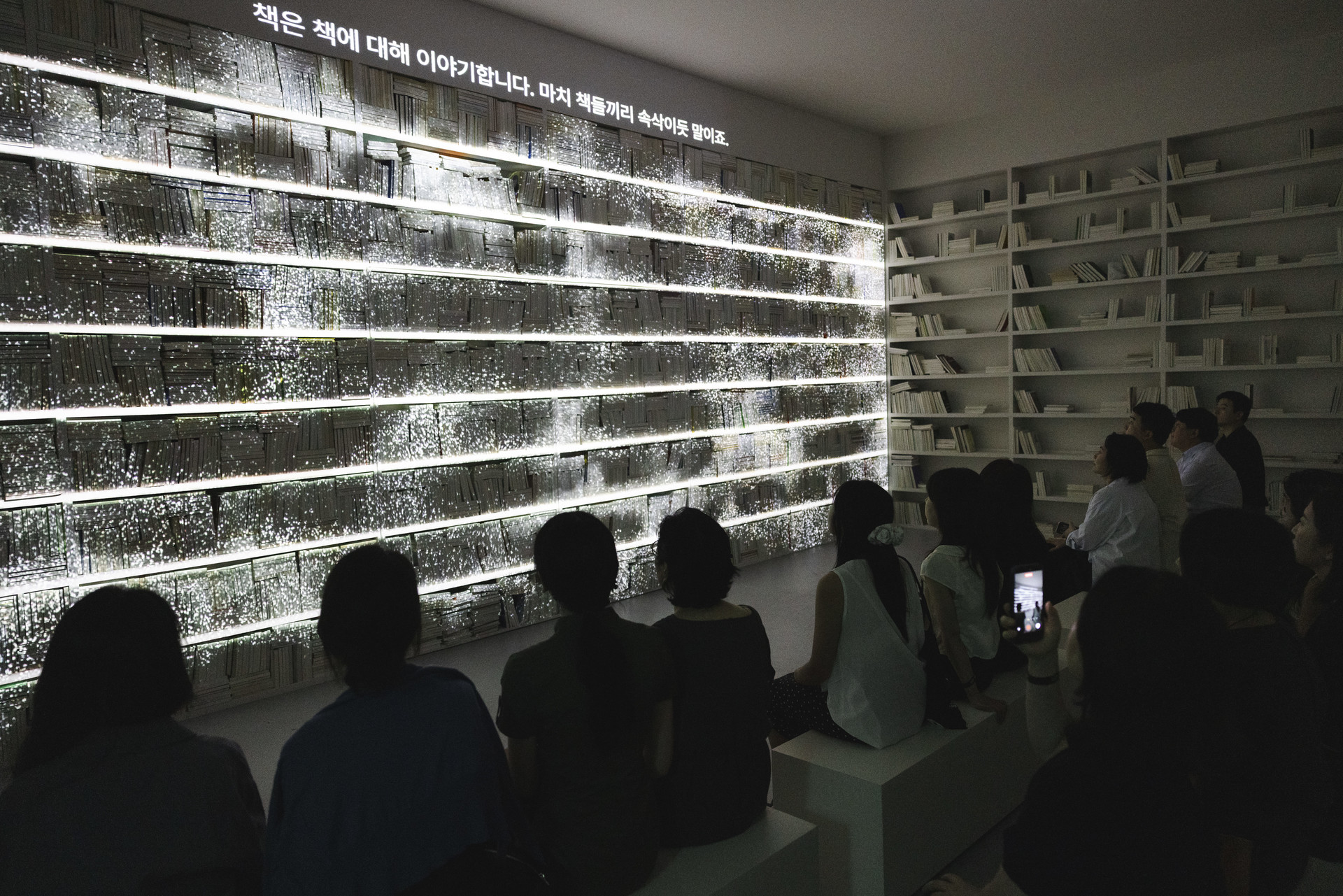
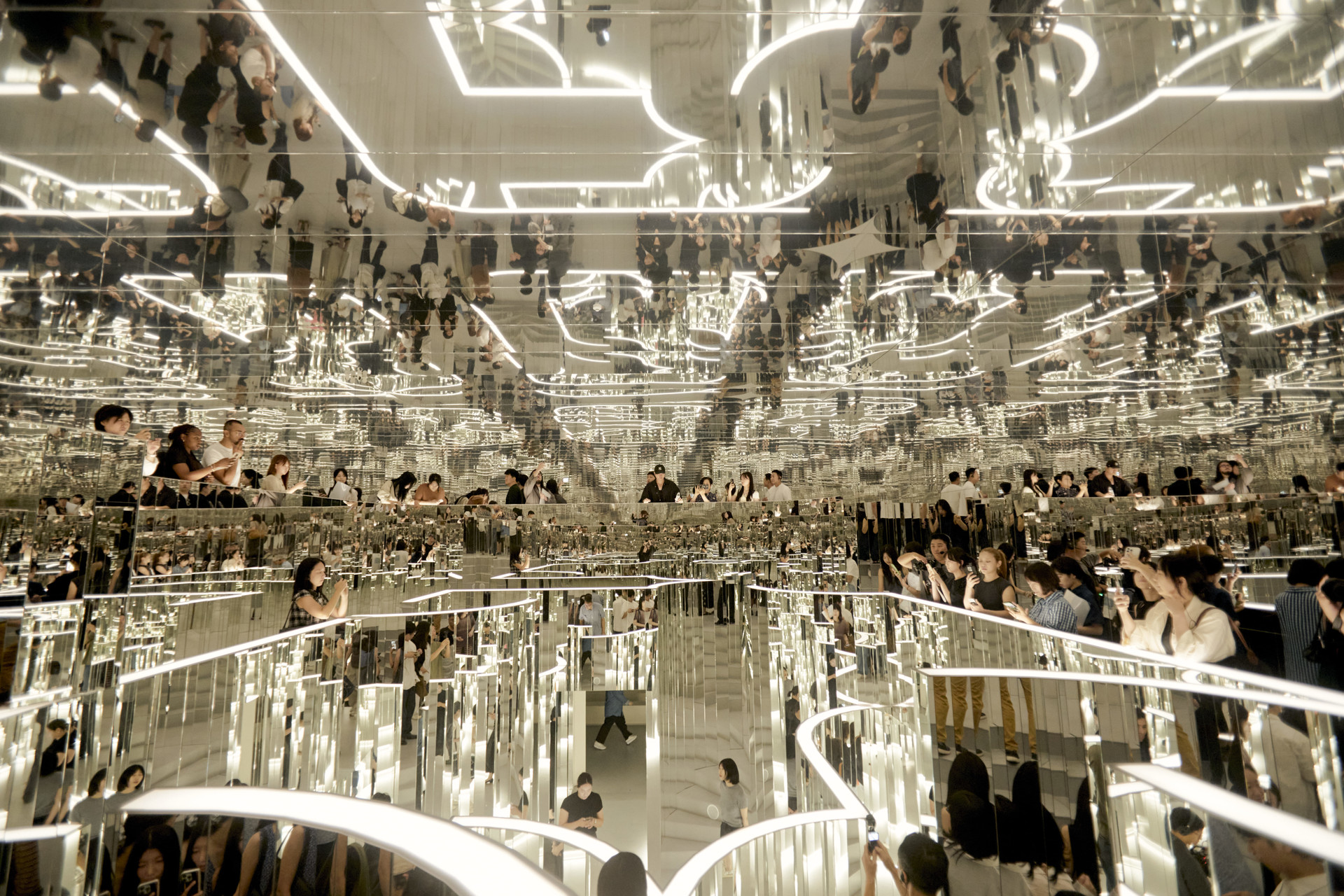
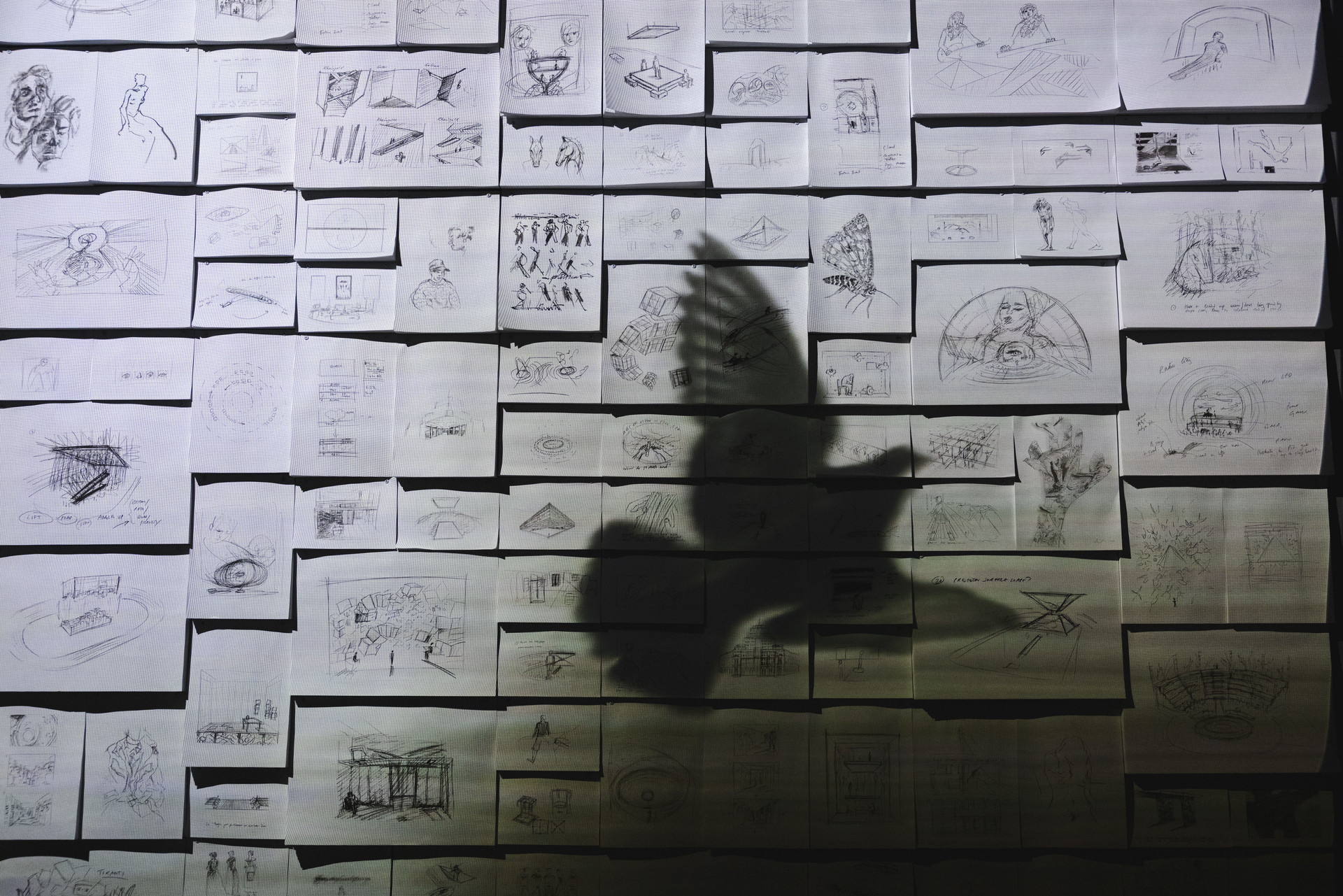
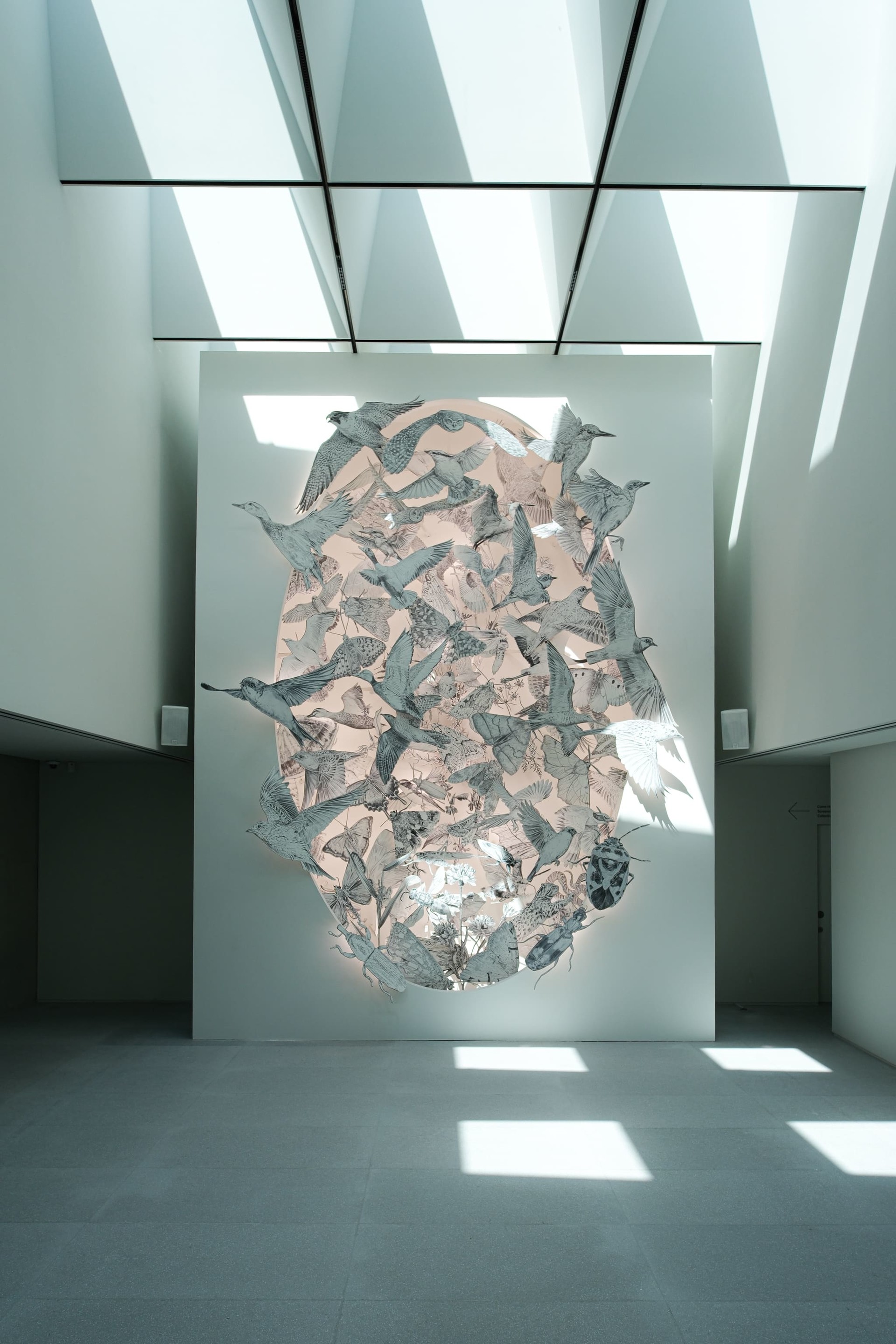
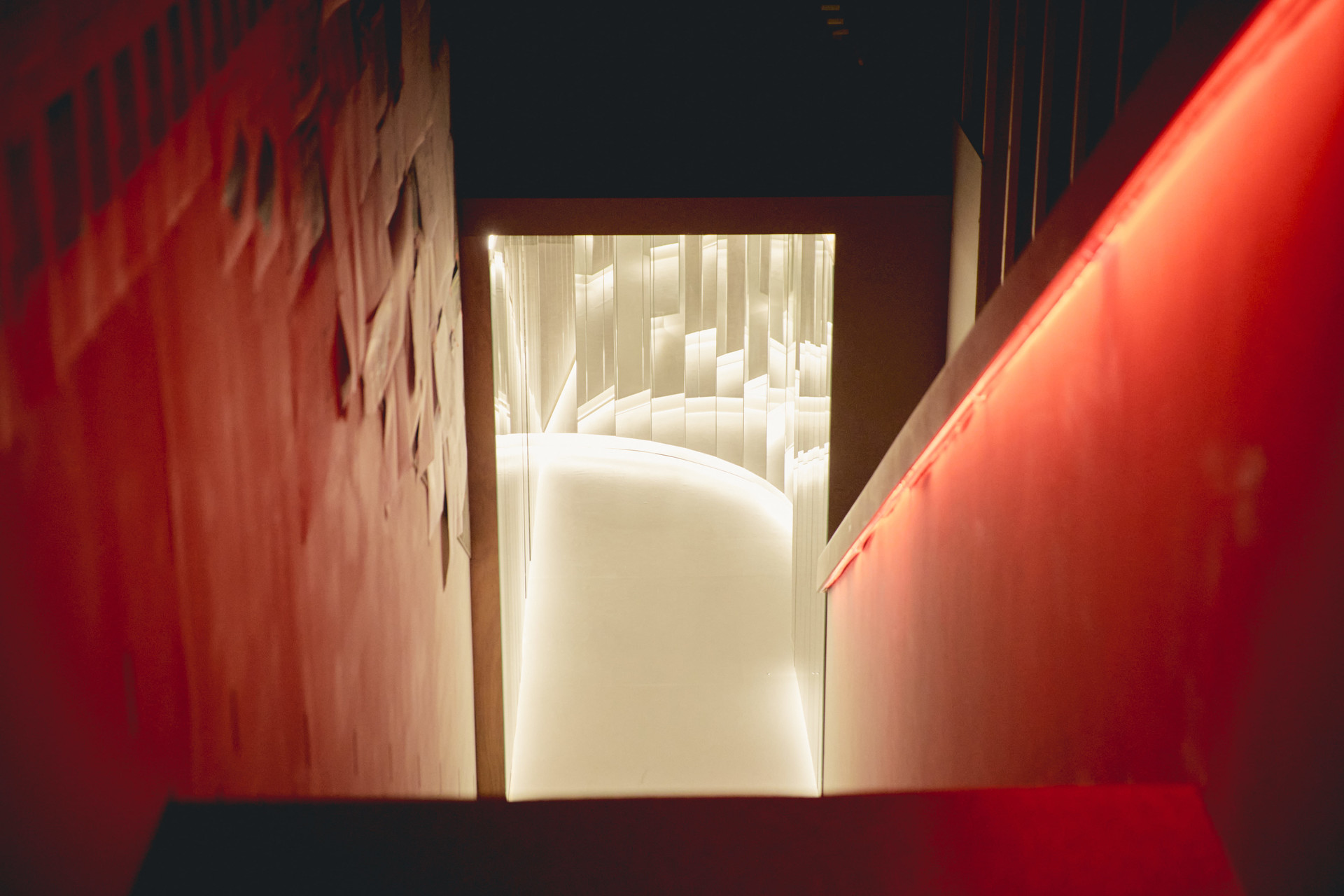
1 / 5 Image: FUTURA SEOUL
- Dates
- Aug 20, 2026 – Jan 17, 2027
- Venue
- FUTURA SEOUL (푸투라서울) · Samcheong-dong & Bukchon
- Address
- 서울특별시 종로구 북촌로 61Open in Naver MapOpen in Google Maps
- Admission
- Adults ₩22,000Original: 성인 22,000원
Visit planning
The calendar entry covers the whole run of the exhibition. Please check opening hours and closing days before your visit.
Guided tours
FUTURA SEOUL and H.Point (Hyundai Department Store) offer an audio docent (오디오 도슨트) for this exhibition, free in the H.Point app from 22 September 2026 to 17 January 2027; find it under Menu → Service → Culture discounts → FUTURA SEOUL.
- Audio guideFUTURA SEOUL and H.Point (Hyundai Department Store) offer an audio docent (오디오 도슨트) for this exhibition, free in the H.Point app from 22 September 2026 to 17 January 2027; find it under Menu → Service → Culture discounts → FUTURA SEOUL.
Source: H.Point 오디오 도슨트 서비스 | 푸투라서울. From the venue's and organizer's announcements. Schedules, languages and fees can change; please check the official site before your visit.
Nearby, after this one
Same neighborhood · Samcheong-dong & Bukchon
Shows open on the same days as this one are listed first (regular closing days only).
Related exhibitions
Same genre · Design & architecture

Credits
- Curators
- 구다회
- Organized by
- FUTURA SEOUL
Knowledge cards
Installation Art설치 미술Not a single object on a wall or pedestal, but three-dimensional work that changes a whole space and that visitors move through.Read moreClose
01About
Installations are often made for a particular site, and visitors move within them, so where your body stands is part of the looking. The materials can be everyday objects, fabric, video, or sound, and a work may be taken down after the exhibition and never shown again. The term first appears in writing in 1969; earlier, in 1958, Allan Kaprow called the indoor spaces he transformed “Environments.” Do Ho Suh's Seoul Home (1999) is a life-size replica of his childhood home in Korea in polyester fabric and silk on thin metal rods; it folds up for transport, and each time it moves to a new city, that city's name is added to the title.
02In the gallery
Look from several places, outside, inside, and from a distance, and notice how the light, the sound, and your path change.
Wall label terms in Korean
- 설치
- Installation
- 장소 특정적
- Site-specific
- 환경
- Environment
03Notes
An installation changes the whole space, and where your body stands is part of the looking.
This time, at 3rd Poem: Es Devlin, Come Home Again —
Once you are inside the work, what changes with where you stand?