Opens in 25 days#Painting#Media art
Digital × Hokusai: The Charles Lang Freer Donated Collection
Japanese original:
Digital × 北斎 with チャールズ・ラング・フリーア寄贈コレクション
The Freer collection at the Smithsonian's National Museum of Asian Art is said to hold the world's finest group of Hokusai's hand-painted works. This show takes five folding screens and the late hanging scroll Waves, digitised in the United States, and uses digital technology to recreate and extend them. An unfolded six-panel screen nearly fills the field of view, which makes viewing very different from a woodblock print. It is held in Gallery B at ICC.
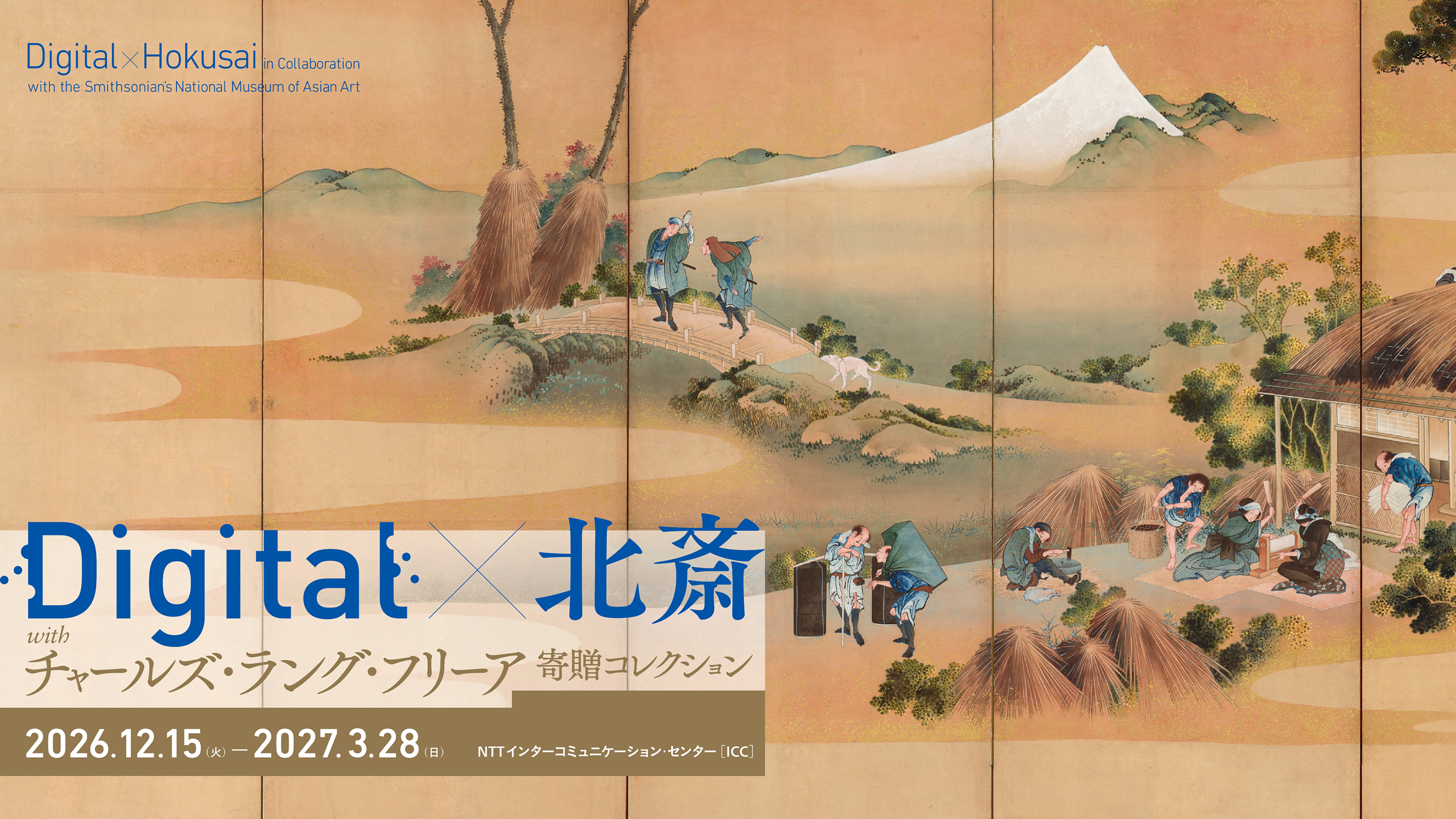
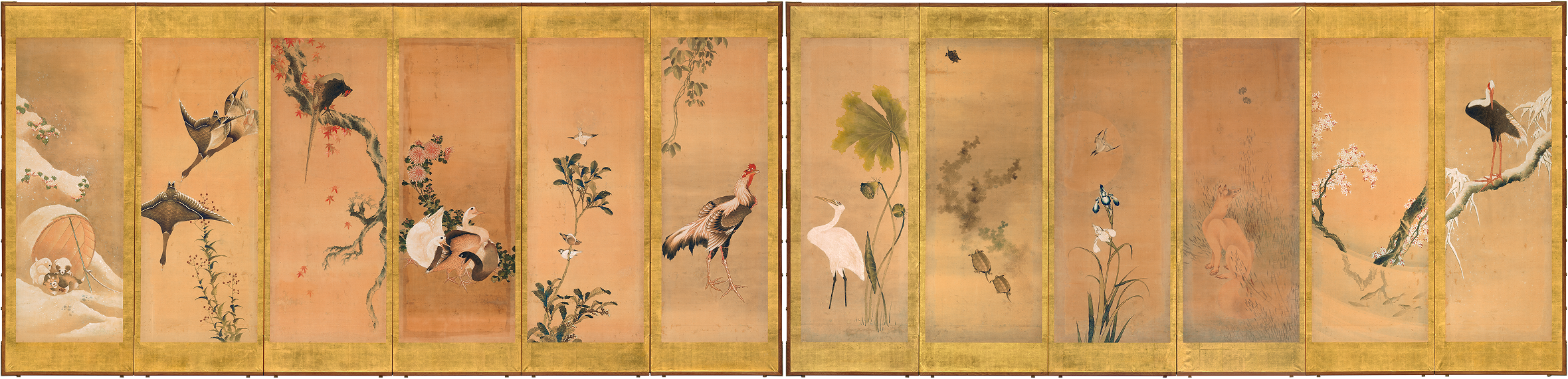
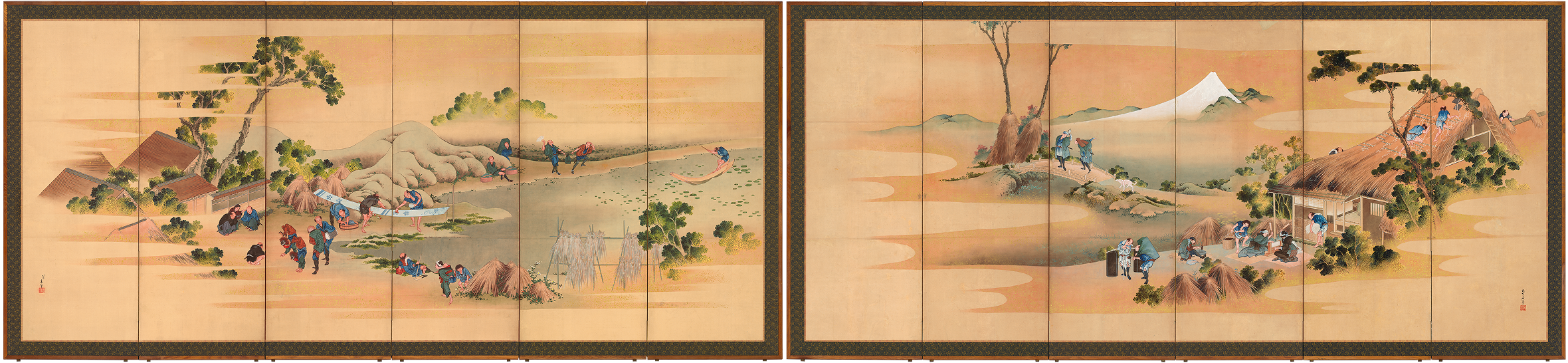
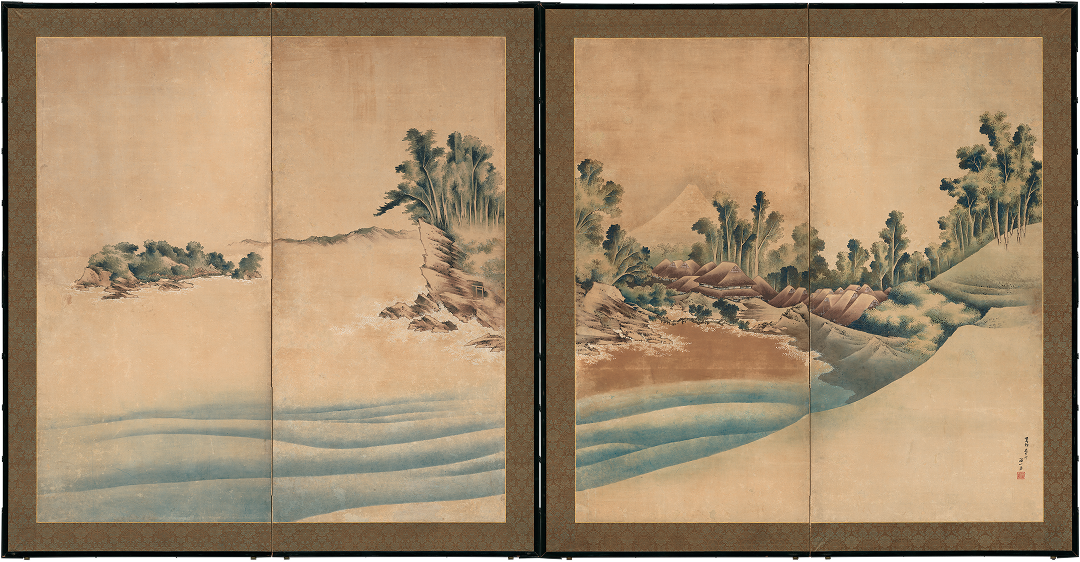
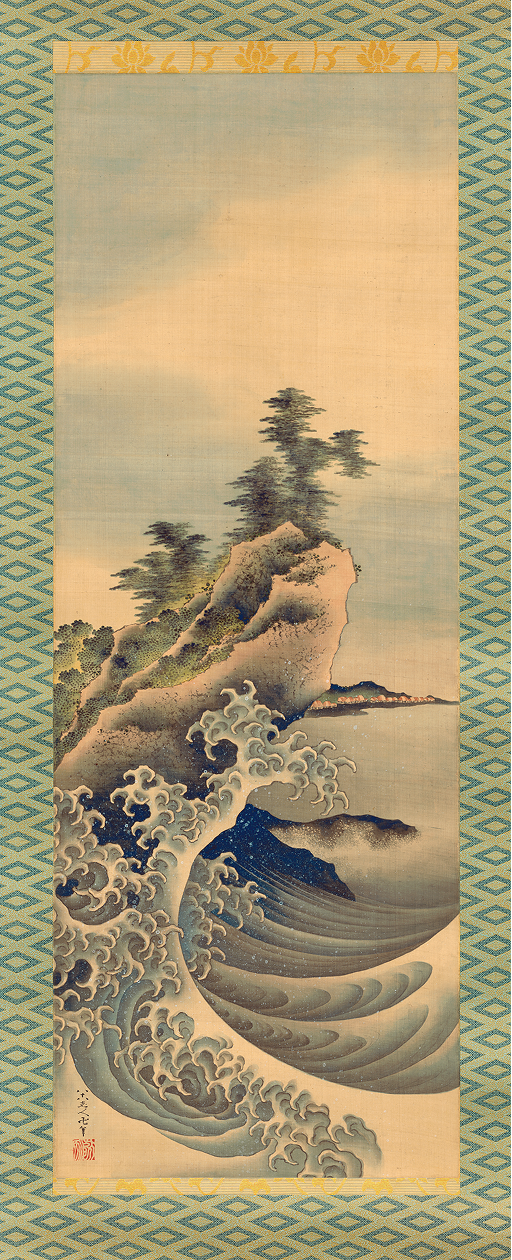
1 / 5 Image: NTT東日本
- Dates
- Dec 15, 2026 – Mar 28, 2027
- Venue
- NTT Intercommunication Center [ICC] (NTTインターコミュニケーション・センター[ICC]) · Shinjuku & Hatsudai東京都新宿区西新宿3-20-2 東京オペラシティタワー4階
Getting there
2 min walk from the East Exit, Hatsudai Station (Keio New Line)
- Hours
- 11:00–18:00 · Closed: Mon
- Admission
- General ¥1,200Original: 一般 1,200円
- Artists
- Organized by
- NTT EAST
- NTT ArtTechnology (planning and operation)
- Smithsonian National Museum of Asian Art (special cooperation)
The calendar entry starts on opening day and covers the whole run, so you won't need to look the dates up again. Please check opening hours and closing days before your visit.
Entry notes
Booking (ticket sales) opens at 11:00 a.m. seven days before the day you wish to visit. Closed on Mondays (the next day if Monday is a holiday), from December 28 to January 4, and on February 14.
- Booking (ticket sales) opens at 11:00 a.m. seven days before the day you wish to visit. Closed on Mondays (the next day if Monday is a holiday), from December 28 to January 4, and on February 14. (Source: Digital×北斎 with チャールズ・ラング・フリーア寄贈コレクション, 2026)
From the organizer's announcements and press reports. Arrangements can change; please check the official site before your visit.
Knowledge cards
Folding screens (byōbu)屏風A folding partition of wooden frames covered with paper or silk, set up to block wind, divide a room, and carry pictures, often as a left–right pair.Read moreClose
01About
A byōbu is a wooden frame covered with paper or silk, joined in two, four, six, or eight panels so that it folds. The oldest record of one reaching Japan dates from 686: the Nihon Shoki lists screens among gifts from Silla. It blocks wind, divides a room, and decorates it, and from the Middle Ages screens were made as left–right pairs with related pictures. A pair of six-panel screens is a rokkyoku issō; a single one is an isseki. In the Muromachi period screens carried ink landscapes and flowers and birds; the Momoyama period added colorful genre scenes and city views, and the screen became a main format for large paintings. The Kanō school devised a gold-ground, colored style for flower-and-bird paintings, and Sōtatsu of the Rinpa school left many fine ones. Later came small pillow screens and, for tea gatherings, the furosaki screen.
02In the gallery
Look at the two halves of a pair one after the other, moving your eyes from one end to the other; what is drawn may change along the way.
Wall label terms in Japanese
- 屏風
- Folding screen (byōbu)
- 六曲一双
- Pair of six-panel screens (rokkyoku issō)
- 右隻・左隻
- Right and left screens (useki / saseki)
- 風炉先屏風
- Furosaki screen
03Notes
On gold-ground screens, the gold shimmers as you move, and the picture seems to move with you.
This time, at Digital × Hokusai: The Charles Lang Freer Donated Collection —
As your eyes go from one end of the picture to the other, what do you see change?
04Related
Nearby, after this one
Same venue · NTT Intercommunication Center [ICC]
Same neighborhood · Shinjuku & Hatsudai
Shows open on the same days as this one are listed first (regular closing days only).


