Opens in 153 days#Painting
The Great Kano School: Kyoto National Museum 130th Anniversary Special Exhibition
Japanese original:
京都国立博物館開館130周年記念 特別展 大狩野派
The Kano school was Japan's largest studio of painters, patronized in turn by the Ashikaga shoguns, Oda Nobunaga, Toyotomi Hideyoshi and the Tokugawa shoguns. This retrospective, the first of its scale in about half a century, shows around 150 works including National Treasures and Important Cultural Properties, in two parts, Muromachi–Momoyama and Edo–Meiji, with a one-week closure in between to change every work.
Featured in: Exhibitions Beyond Tokyo 2026–27 · Kyoto Winter Exhibitions 2026–27

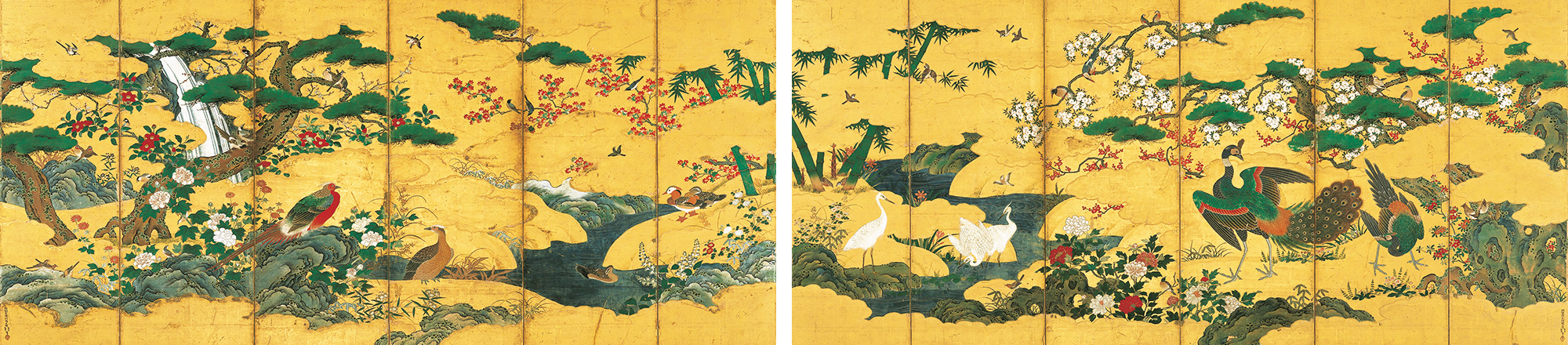

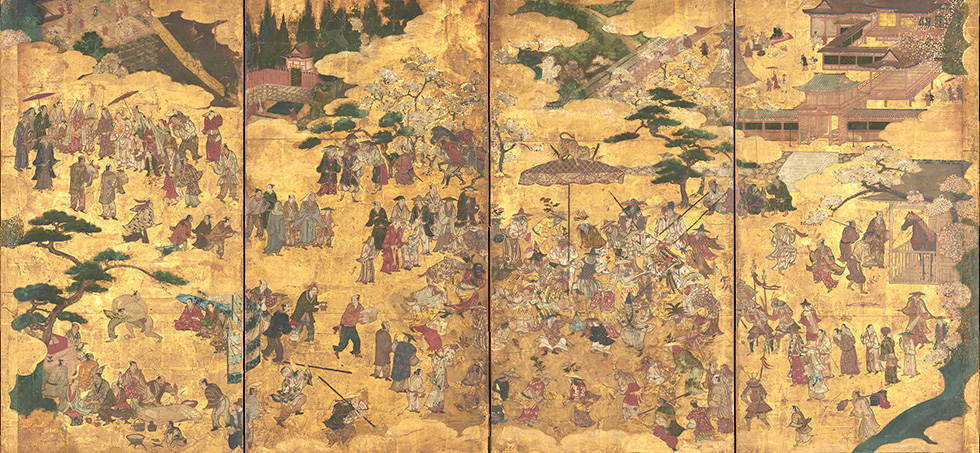
1 / 4 Image: Kyoto National Museum
- Dates
- Apr 20 – Jul 19, 2027
- Venue
- Kyoto National Museum (京都国立博物館) · Kyoto京都府京都市東山区茶屋町527
Getting there
From JR Kyoto Station, take city bus no. 206 or 208 from stop D2 to Hakubutsukan Sanjusangendo-mae (right at the stop); or take the Keihan line to Shichijo Station and walk east about 7 min
- Hours
- 09:30–17:00 · Closed: Mon
- Artists
- Kano Masanobu
- Kano Motonobu
- Kano Eitoku
- Kano Naizen
- Kano Tan'yu
- Kano Sansetsu
- Kano Naganobu
- Hanabusa Itcho
- Hashimoto Gaho
- Organized by
- Kyoto National Museum
- The Asahi Shimbun Company
- Kansai Telecasting Corporation
The calendar entry starts on opening day and covers the whole run, so you won't need to look the dates up again. Please check opening hours and closing days before your visit.
Knowledge cards
Kanō school狩野派The largest school of painting in Japan, active from the mid-Muromachi period through the Edo period, painters to the shogunate who joined Chinese-style ink painting with the color of Yamato-e.Read moreClose
01About
The Kanō school began in the mid-Muromachi period, when Kanō Masanobu became painter to the shogunate, and lasted to the end of the Edo period. Masanobu learned from Chinese Song and Yuan painting; his son Motonobu joined that to the decoration of Yamato-e and ran a workshop of many pupils. Their “Japanese–Chinese” style kept ink as its base and added strong color and gold. Motonobu's grandson Eitoku painted vast pictures for the castles of Oda Nobunaga and Toyotomi Hideyoshi. Under the Tokugawa, Tan'yū and his brothers settled in Edo; four houses became the shogun's official painters (okue-shi), with lesser houses and pupils ranked below them. Pupils learned by copying set models. Many painters of other schools, such as Ogata Kōrin, began by studying under a Kanō painter.
02In the gallery
Compare how much of the surface is filled. Large Momoyama-style Kanō pictures fill it with huge trees, while Tan'yū's compositions leave much of it empty.
Wall label terms in Japanese
- 漢画
- Kanga (Chinese-style painting)
- 和漢兼帯
- Wa-kan kentai (joining Japanese and Chinese styles)
- 障壁画
- Wall and screen painting (shōhekiga)
- 御用絵師
- Painter to the shogunate (goyō eshi)
03Notes
The Kanō school joined the brush of ink painting with the heavy color and gold of Yamato-e.
This time, at The Great Kano School: Kyoto National Museum 130th Anniversary Special Exhibition —
Do you see a surface filled to the edges, or one with wide empty space?
04Related
Folding screens (byōbu)屏風A folding partition of wooden frames covered with paper or silk, set up to block wind, divide a room, and carry pictures, often as a left–right pair.Read moreClose
01About
A byōbu is a wooden frame covered with paper or silk, joined in two, four, six, or eight panels so that it folds. The oldest record of one reaching Japan dates from 686: the Nihon Shoki lists screens among gifts from Silla. It blocks wind, divides a room, and decorates it, and from the Middle Ages screens were made as left–right pairs with related pictures. A pair of six-panel screens is a rokkyoku issō; a single one is an isseki. In the Muromachi period screens carried ink landscapes and flowers and birds; the Momoyama period added colorful genre scenes and city views, and the screen became a main format for large paintings. The Kanō school devised a gold-ground, colored style for flower-and-bird paintings, and Sōtatsu of the Rinpa school left many fine ones. Later came small pillow screens and, for tea gatherings, the furosaki screen.
02In the gallery
Look at the two halves of a pair one after the other, moving your eyes from one end to the other; what is drawn may change along the way.
Wall label terms in Japanese
- 屏風
- Folding screen (byōbu)
- 六曲一双
- Pair of six-panel screens (rokkyoku issō)
- 右隻・左隻
- Right and left screens (useki / saseki)
- 風炉先屏風
- Furosaki screen
03Notes
On gold-ground screens, the gold shimmers as you move, and the picture seems to move with you.
This time, at The Great Kano School: Kyoto National Museum 130th Anniversary Special Exhibition —
As your eyes go from one end of the picture to the other, what do you see change?


