Out of Town
Beyond Tokyo: Nara, Osaka, Kyoto 2026–27From autumn to spring, in the museums of Nara, Osaka, Kyoto, and farther away
Chosen by our editor and checked against each venue's official site. No paid listings. About this anthology


1 / 6 Image: Nara National Museum 北倉43 漆胡瓶
A gigaku mask from the Shōsōin, made for the part of a drunken foreign king.
A mask carved from paulownia wood, 39.2 centimeters tall. Its eyes are large, its nose high; it wears a tall cap, and its open mouth shows a row of teeth. It is the Gigaku Mask of Suikoō, the Drunken King, kept in the Shōsōin's South Repository. The last time it was shown at the Shōsōin Exhibition was 1964.
Gigaku was a masked drama brought from Baekje on the Korean peninsula, widely performed at temples in the Asuka and Nara periods. Suikoō plays a king of the "Ko" lands, drunk on wine; the Ko lands were the countries of West and Central Asia, Persia above all. The Nara National Museum says the piece showed the king holding a banquet with his attendants. The large eyes, high nose, and tall cap were modeled on what people then imagined of Western customs. The mask is carved from paulownia, a fairly light wood, whitened all over with gofun ground from shells, and then painted.
Two masks of the king's attendants, the Suikojū, are shown with it. One, also paulownia, has a slightly comic face and is shown here for the first time. The other is dry lacquer, its beard set with horsehair; it was made by Sōri no Uona, and an ink inscription on it gives the date of the Eye-Opening Ceremony of the Great Buddha at Tōdaiji in Tenpyō Shōhō 4 (752). Gigaku was later lost. How the plays were performed can now only be pieced together from scattered records; what remains are these masks.
This is the 78th Shōsōin Exhibition, in the eightieth year since the first. It shows 60 treasures, 11 of them for the first time: ivory go stones kept near Emperor Shōmu, the Lacquered Ewer made in lacquer after the shape of a Persian water jug, and the mummy of a marten that has long been called "the rainbow dragon." The drunken king's lips are red.
- Booking required

1 / 5 Image: Nakanoshima Museum of Art, Osaka 主視覺(展名・會期)
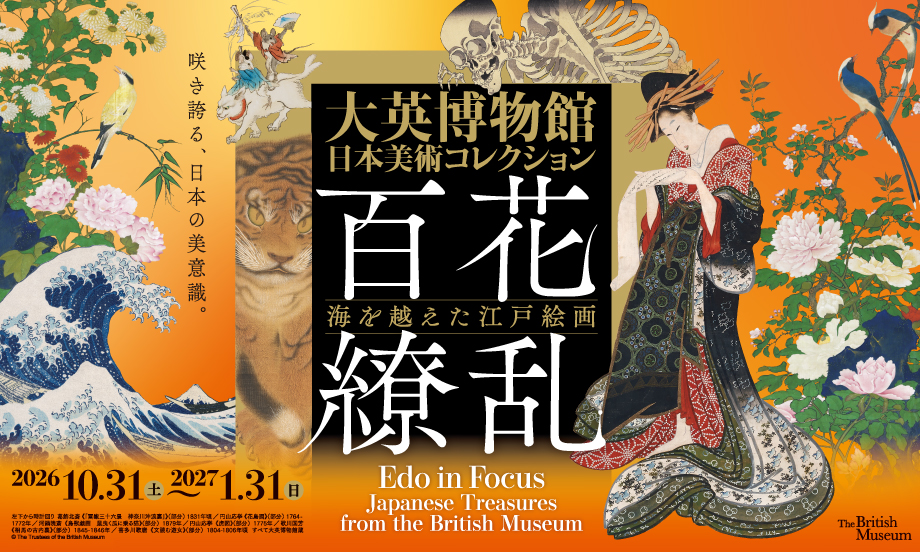
Edo painting from the British Museum, and Hokusai's drawings for a book that was never published.
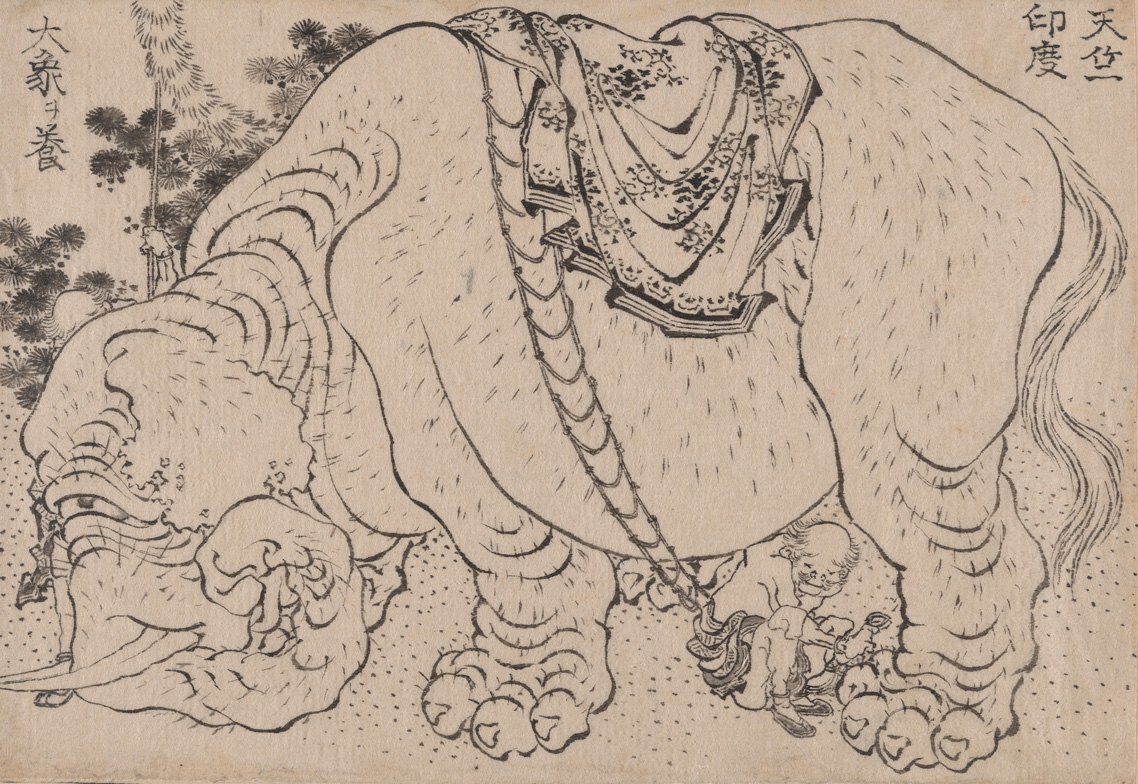
An elephant fills the whole sheet. A patterned cloth hangs over its back, and at its feet a very small man holds a rope. In the upper right is written "Tenjiku, India"; in the upper left, "Keeping a great elephant." It is one of the block-ready drawings Katsushika Hokusai made for The Great Picture Book of Everything, around 1820 to 1849.
A block-ready drawing, hanshita-e, is the original for a print. It was usually pasted face down on a woodblock, and the carver cut along its lines; once the block was cut, the drawing was carved away with the wood. The book was never published, so Hokusai's 103 drawings survived. For a long time no one knew where they were. In 2020 the British Museum bought all 103 at once. Eight of them are shown here, each returning from Britain to Japan for the first time.
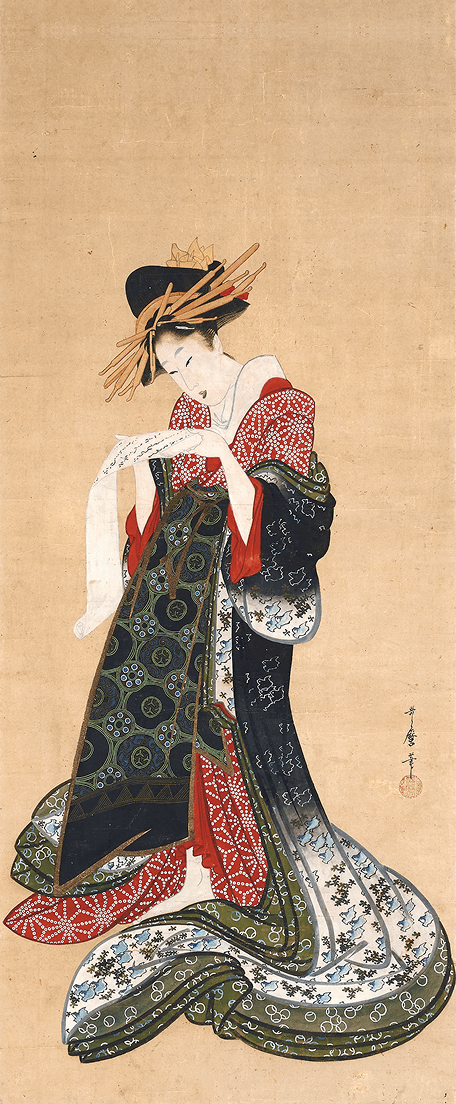
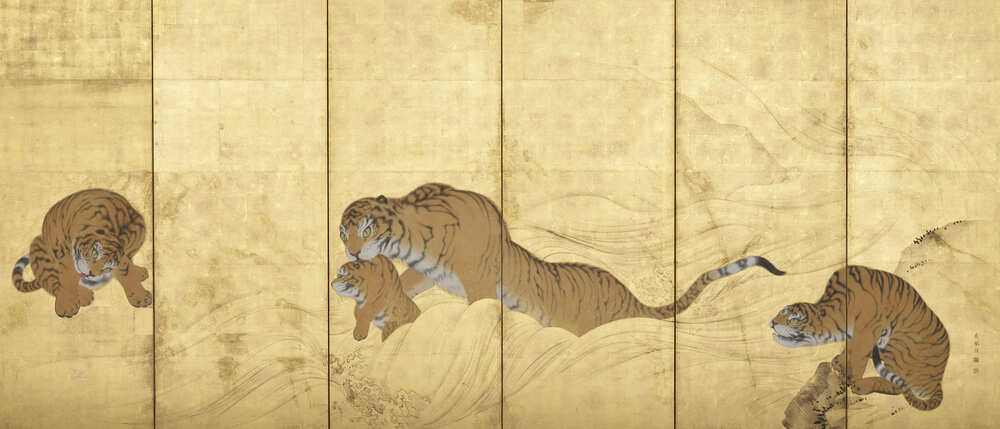
The British Museum holds about forty thousand works of Japanese art. This touring exhibition centers on Edo-period screens, hanging scrolls, and handscrolls, with more than a hundred prints by eight ukiyo-e artists from Suzuki Harunobu to Utagawa Kuniyoshi. Kitagawa Utamaro's painting Courtesan Reading a Letter (about 1804–1806) was found only in 2011. About fifty paintings by Utamaro's own hand are said to survive, and this is among the largest; it too is back in Japan for the first time.
The exhibition was shown first at the Tokyo Metropolitan Art Museum in Ueno from July to October; the Nakanoshima Museum of Art, Osaka, is its second venue. The Osaka showing marks out one work tied to the city: Yoshimura Shūzan's Screen of Osaka (1725–1776), deep blue waterways among golden clouds, crossed by bridge after bridge.
- Works change during the run


1 / 6 Image: Nagoya City Art Museum フィンセント・ファン・ゴッホ《跳ね橋》1888年 油彩、カンヴァス ヴァルラフ=リヒャルツ美術館・コルブー財団蔵
From Manet's bunch of asparagus to Van Gogh's drawbridge: the Impressionists of a museum in Cologne.
In 1880 Édouard Manet painted a bunch of white asparagus, tied with two strands of straw, tips tinged purple, lying on green leaves. He was already ill by then, and in his last years he painted mostly small still lifes like this one.
Bunch of Asparagus was priced at 800 francs; a collector paid 1,000. Manet then painted a small picture of a single stalk and sent it to him with a note: there was one missing from the bunch. That single asparagus is now in the Musée d'Orsay in Paris.
The Nagoya City Art Museum hangs the bunch in the exhibition's first chapter. In the second half of the nineteenth century, painters such as Manet, Courbet, and Corot turned their eyes to the lives of people around them, went into the forest, and painted nature as they saw it themselves. The exhibition begins with them and moves through the Barbizon School, Impressionism, Post-Impressionism, and Pointillism to the twentieth-century colorists Matisse and Bonnard. All 70 works, by 42 painters, come from the Wallraf-Richartz-Museum & Fondation Corboud in Cologne.
At its center is The Drawbridge, which Van Gogh painted in Arles, in the south of France, in 1888. It could be lent only because the Cologne museum is due to close for major renovation. Van Gogh's Farmhouse in Nuenen, painted in the Netherlands three years earlier, is also here. A wooden drawbridge spans a blue canal, and a figure with a black umbrella is crossing it. It is the first time the painting has been shown in Nagoya.


1 / 6 Image: Osaka City Museum of Fine Arts 主視覺(展名・會期)
Ming calligraphy from the He Chuangshi Foundation in Taipei, and how Ming calligraphers copied Wang Xizhi.
Wang Xizhi was a calligrapher of the Eastern Jin in the fourth century, later called the Sage of Calligraphy. None of his own brushwork survives; those who learned from him relied on copies traced and carved, generation after generation. For anyone studying calligraphy in China, copying Wang Xizhi was a road nearly everyone walked.
Dong Qichang's Discourse on Calligraphy and Copy of Wang Xizhi's Seventeenth Day Letters, in cursive script, dates from the 35th year of Wanli (1607). The Seventeenth Day Letters are a collection of Wang Xizhi's letters in cursive. In the one work, Dong copies the letters and also sets down his own views on calligraphy; the museum describes it as a work in which his own theory and his copy of Wang Xizhi stand side by side, flowing and refined.
Wang Duo's Copy of Wang Xizhi's Yishi Letter is from the seventeenth century. It is called a copy, but it does not follow the original. The museum calls it a free work of lianmiancao, "linked cursive," in which several characters are written in one unbroken run. The style was popular in the Ming, and calligraphy came to be as personal as the expression of feeling, each hand its own. Eight works by Wang Duo are shown.
All 82 works in this exhibition at the Osaka City Museum of Fine Arts are lent by the He Chuangshi Calligraphy Foundation in Taipei, and 72 of them are shown in Japan for the first time. They fall into two chapters: the flourishing cities of the mid and late Ming, and the turmoil of the late Ming and early Qing. In Edo-period Japan too, the karayō style, modeled on the hands of Wen Zhengming and Dong Qichang, was in fashion. The exhibition's main image is Fu Shan's Wild Writing After Drinking, in cursive, its strokes looping and tangling until the edges between one character and the next can hardly be seen.
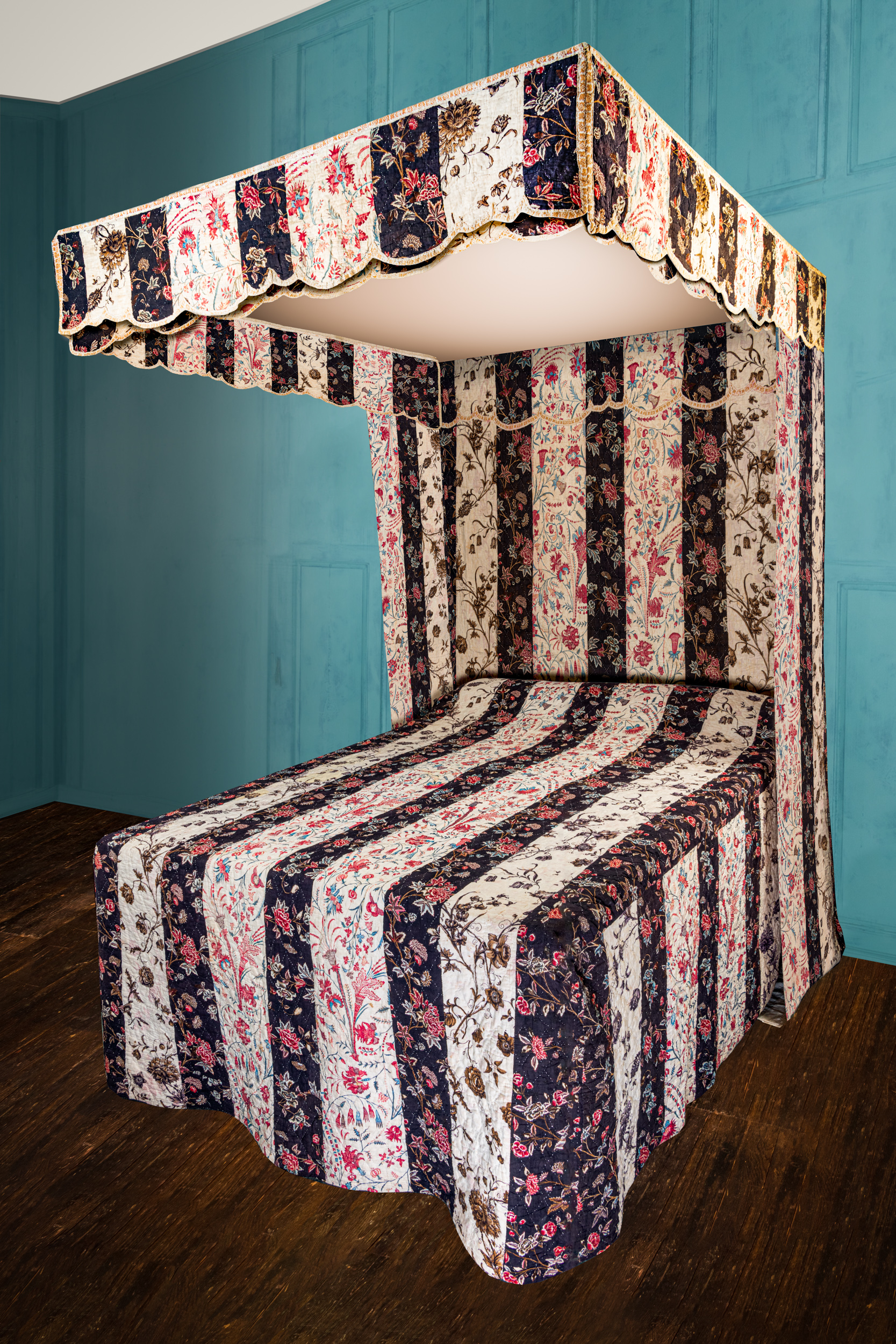
1 / 5 Image: Fukuoka City Museum of Art
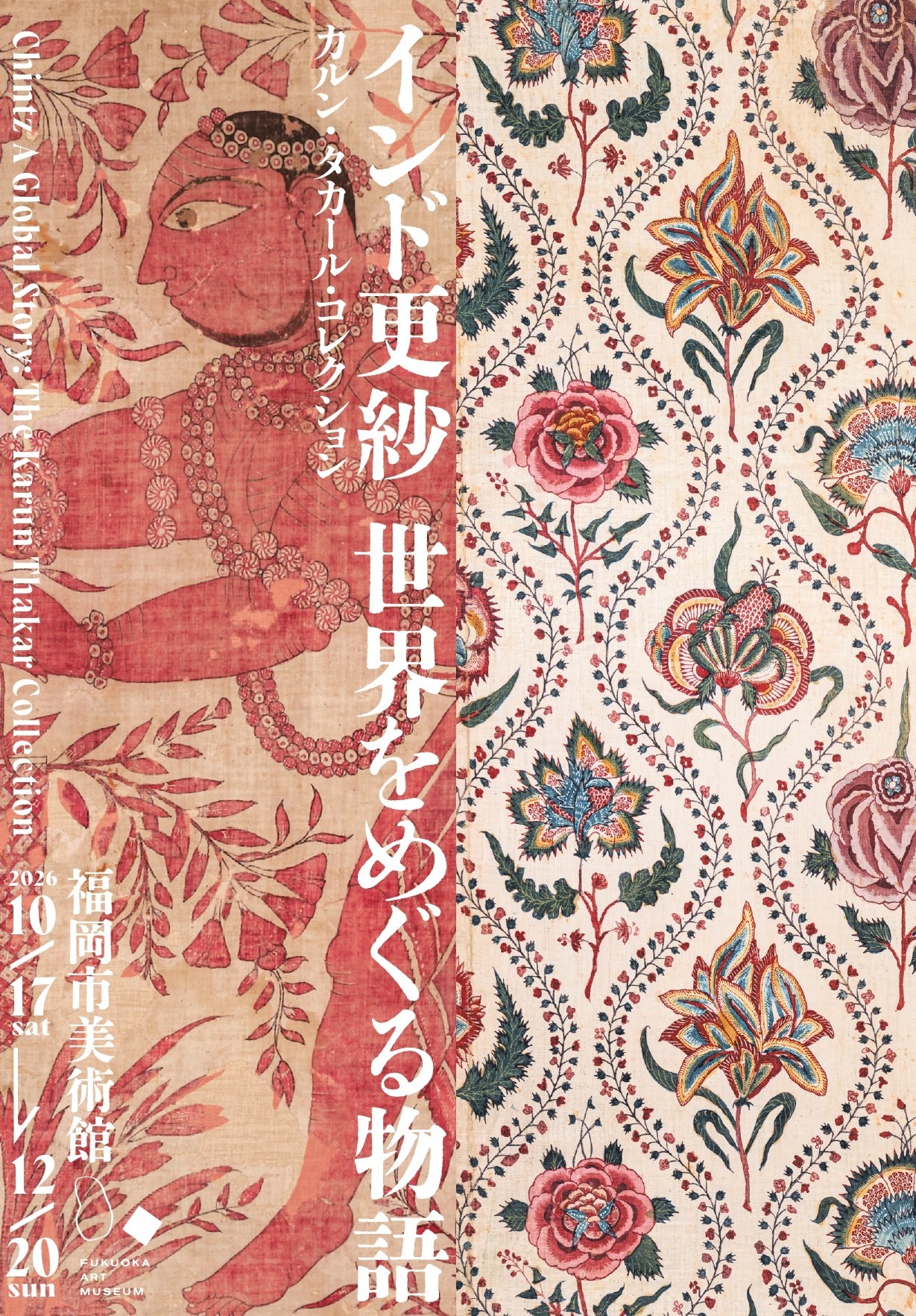
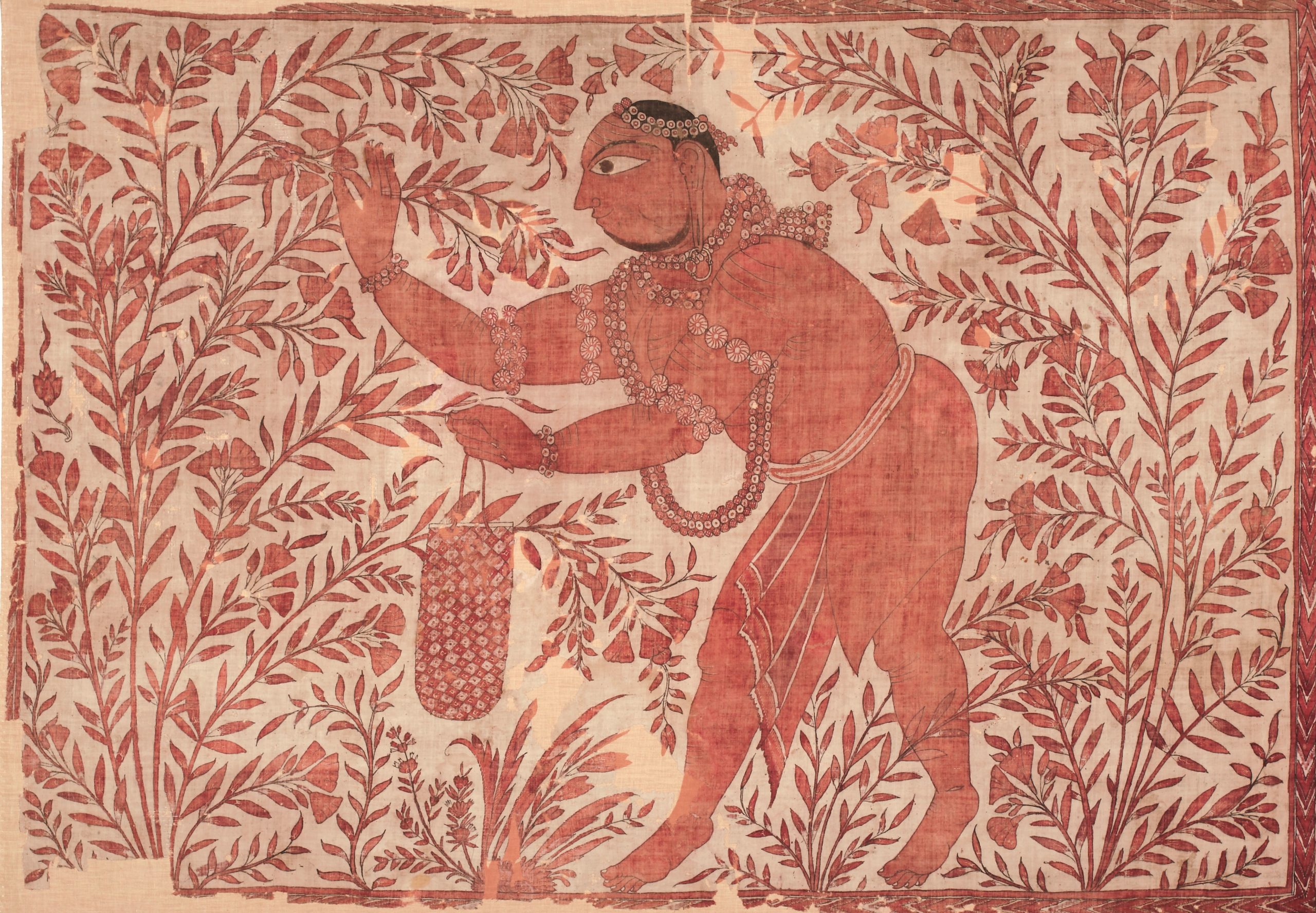
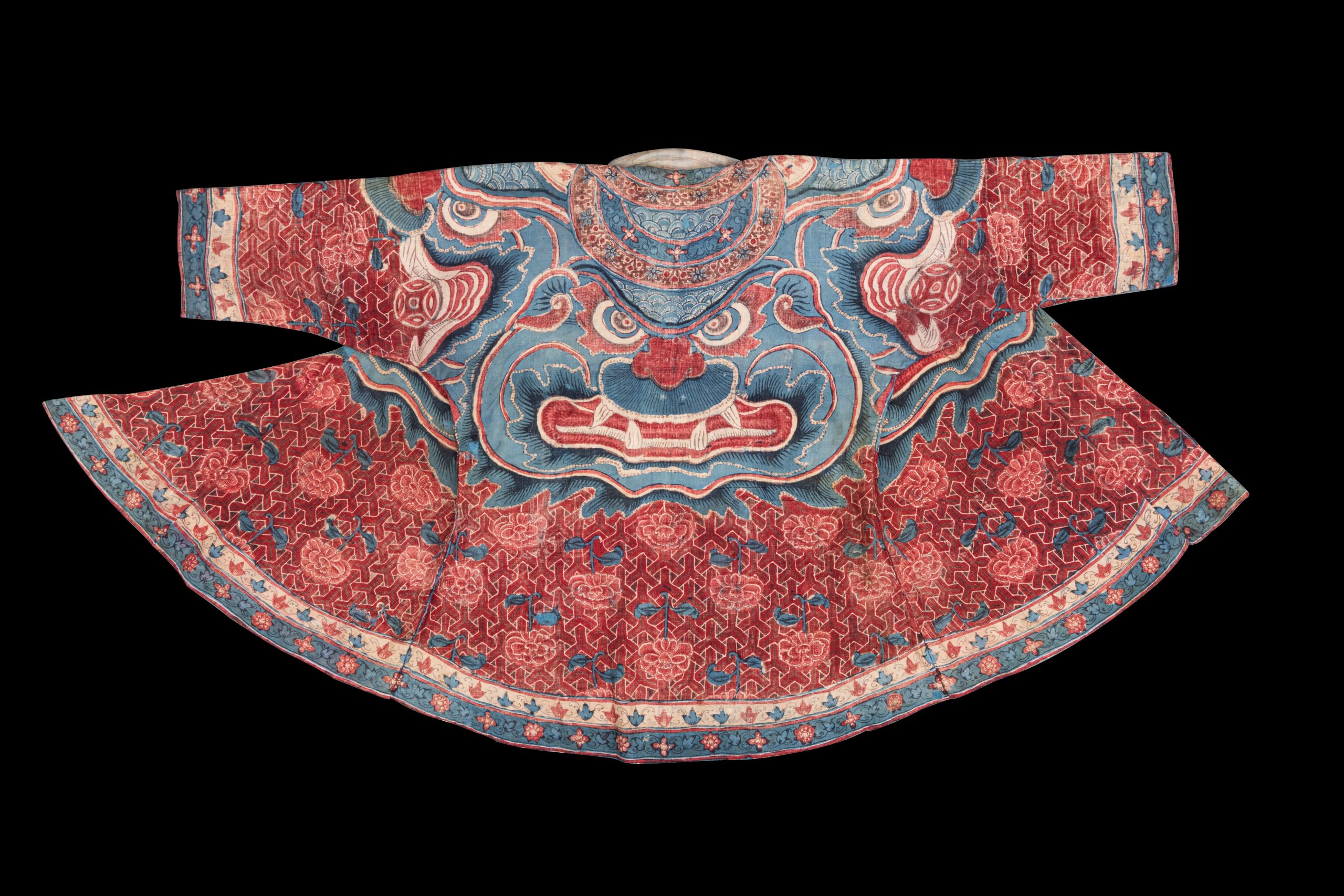
Indian chintz as it traveled to Europe, Southeast Asia, and Japan, and what it became in each place.
In Japan a small piece of Indian printed cotton might be sewn into a pouch for tea utensils, a shifuku, or made into a furoshiki wrapping cloth, a tobacco pouch, the mounting of a hanging scroll, or the edging of a tatami mat. Smaller scraps were pasted into sample books and kept. The collector Karun Thakar writes that Indian chintz was loved and treasured in Japan for generations, and that the earliest records go back to the early 1600s.
Indian chintz is a way of dyeing patterns into cotton with dyes such as madder and indigo, together with mordants and resists, and it is thought to have begun in India thousands of years ago. In Japan it is called sarasa; in English, chintz. Over centuries of trade it became a world commodity, and Indian craftsmen made refined designs to suit the buyers of each region.
Thakar was born in 1960 and grew up in Delhi helping at the tailor's shop his mother ran. His family moved to Britain in 1974, and in 1982 he began collecting folk art and textiles from Asia and Africa. His collection covers textiles from Japan, Indonesia, Sri Lanka, Thailand, and Europe from the fourteenth to the nineteenth century; he began collecting Japanese textiles about thirty years ago. In 2021 he set up, with the Victoria and Albert Museum in London, a fund supporting research into Asian and African textiles and dress.
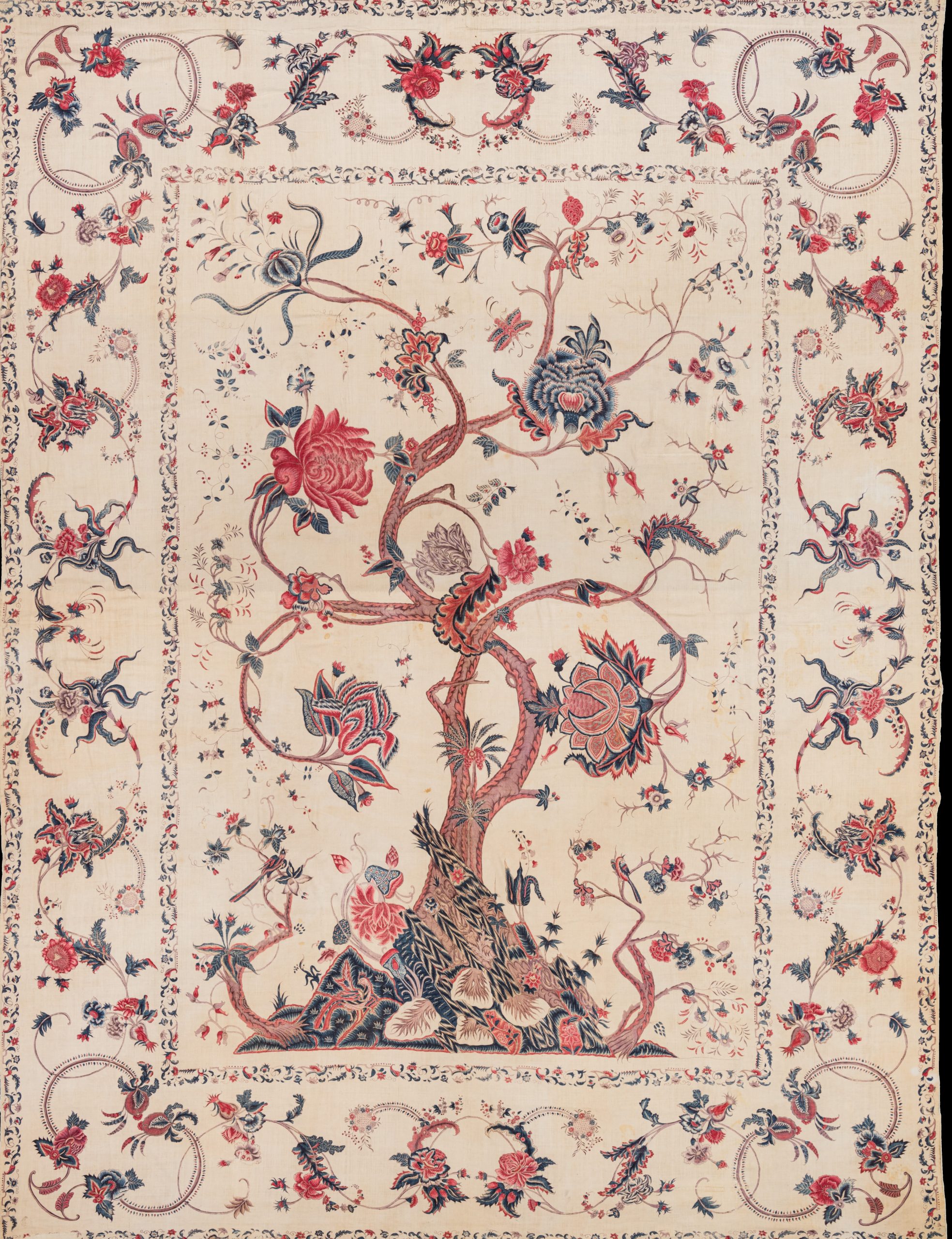
This touring exhibition, now at the Fukuoka Art Museum, is the first introduction of his collection in Japan. It follows Indian chintz to Europe, Southeast Asia, and Japan, and looks at how each place shared one sense of beauty and made something new of its own. There are ceremonial cloths of the seventeenth and eighteenth centuries, an eighteenth-century set of bed hangings, and a palampore of about 1740 to 1750: on a white ground, a single flowering tree.
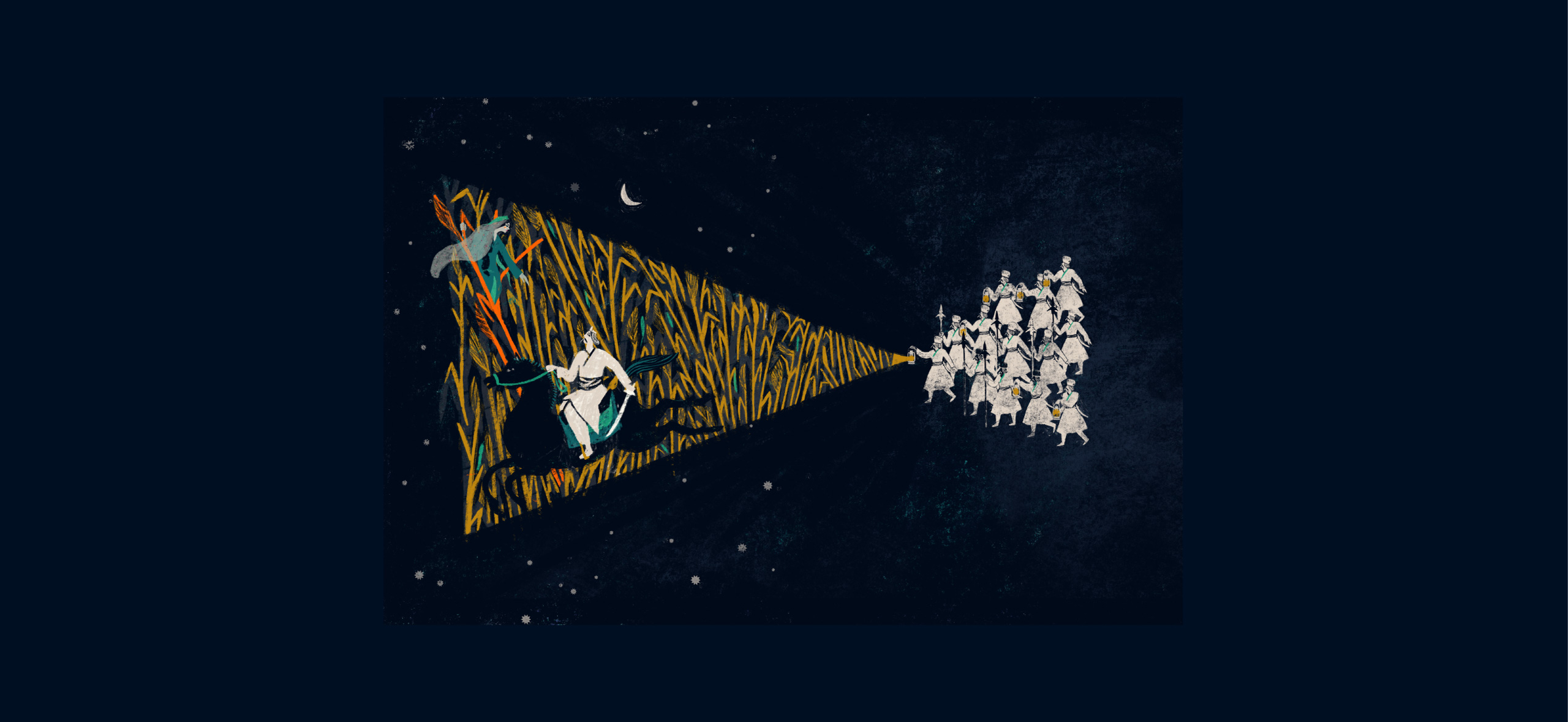
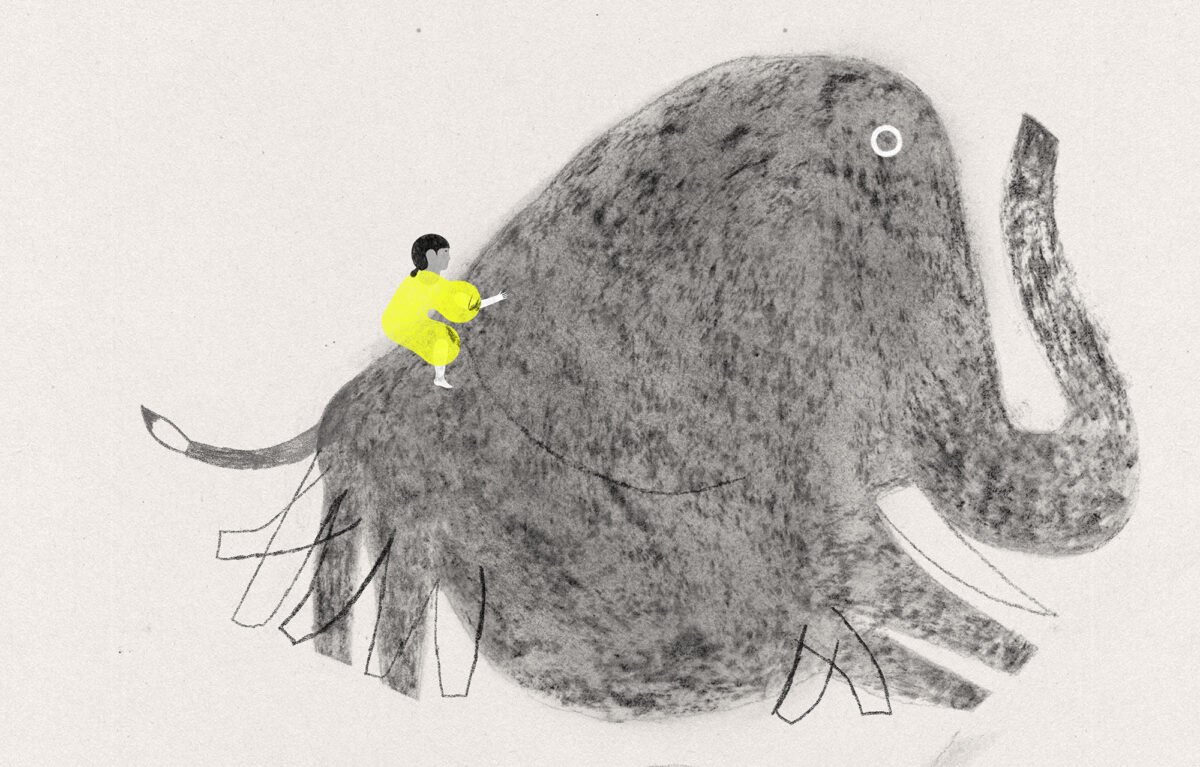
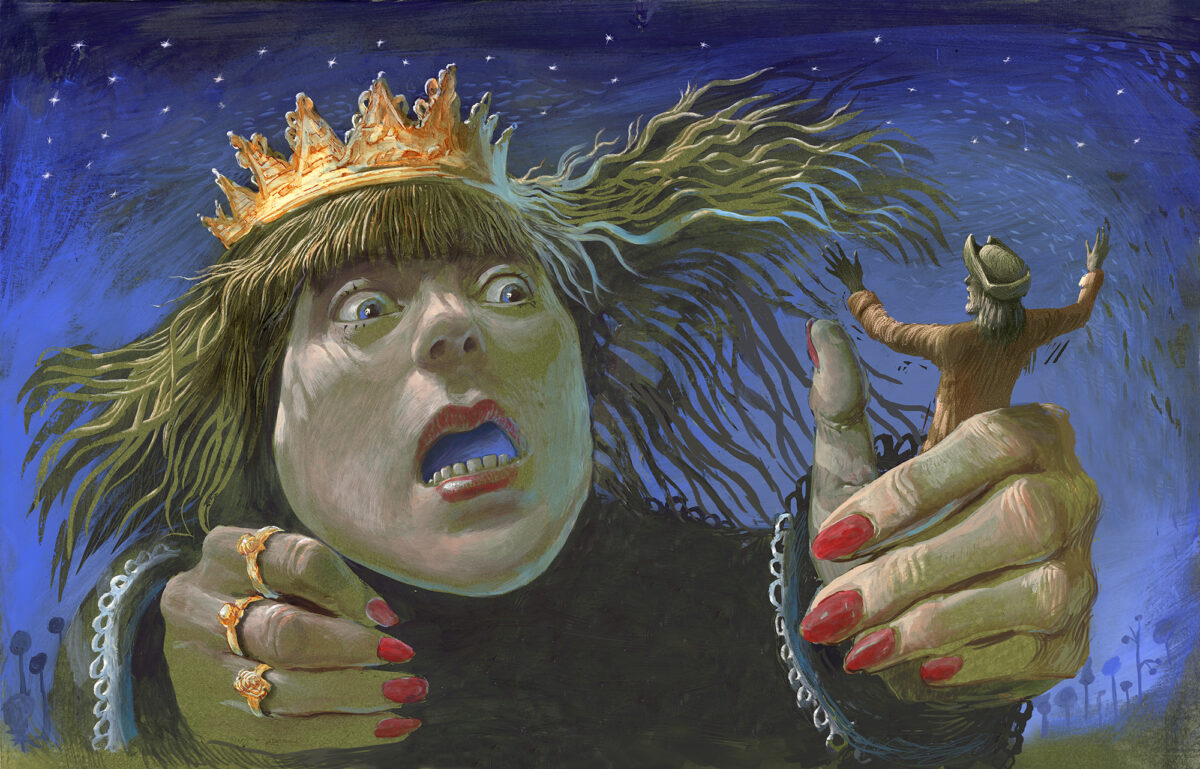
1 / 6 Image: Hiroshima City Museum of Contemporary Art
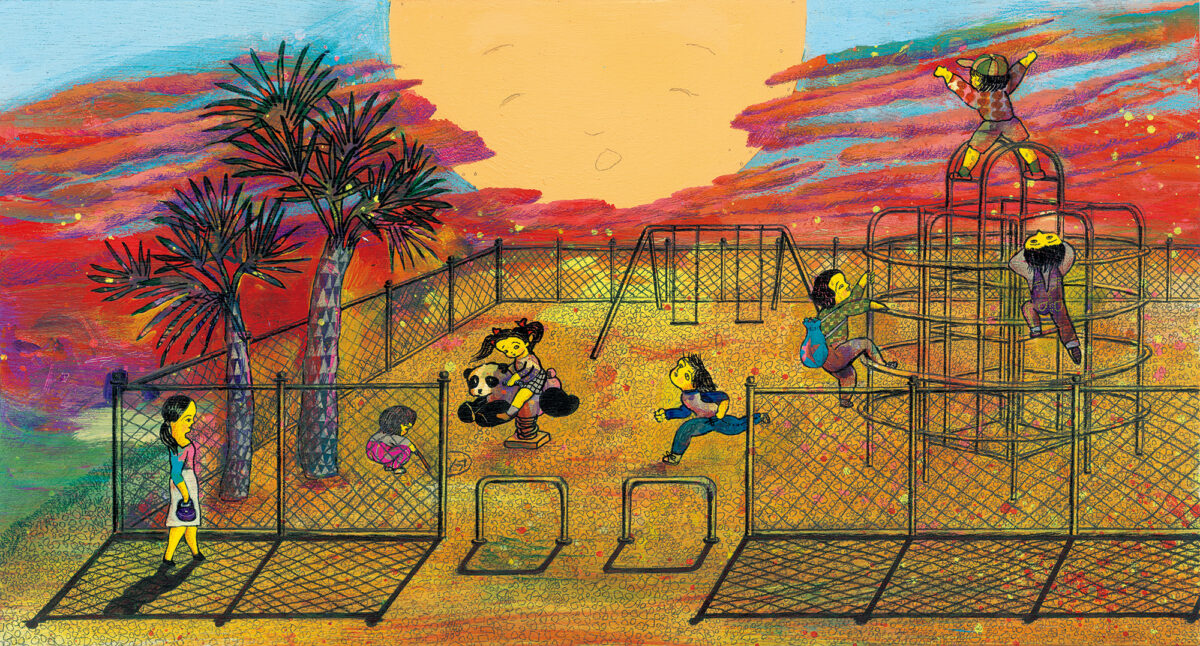
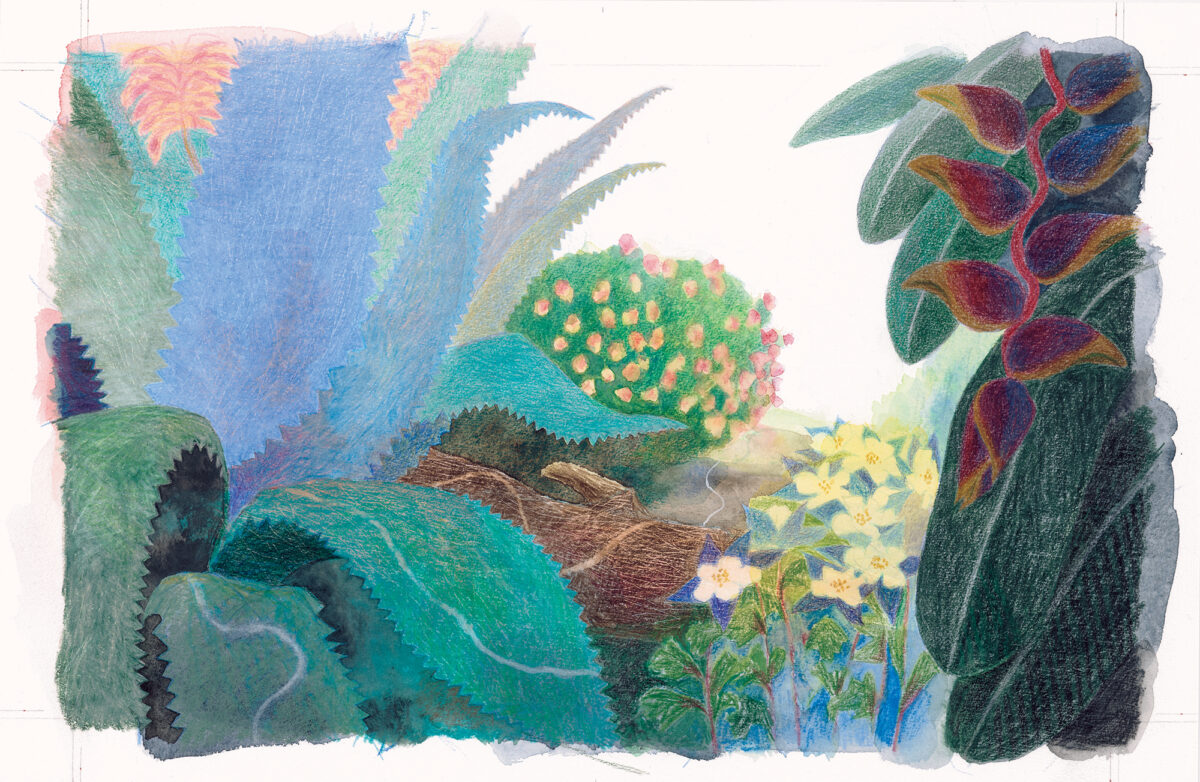
Prizewinners from the Biennial of Illustration Bratislava, and the ten picture-book artists who took part for Japan.
Every two years Bratislava, the capital of Slovakia, holds a competition for original picture-book illustration: the Biennial of Illustration Bratislava, or BIB, the largest of its kind in the world. The first was held in 1967, when the city was still in Czechoslovakia. The 2025 edition was the thirtieth.
It drew 383 picture books by 291 artists from 42 countries. What is judged is not the book but the original art inside it: the sheets an artist painted for a story, page by page.
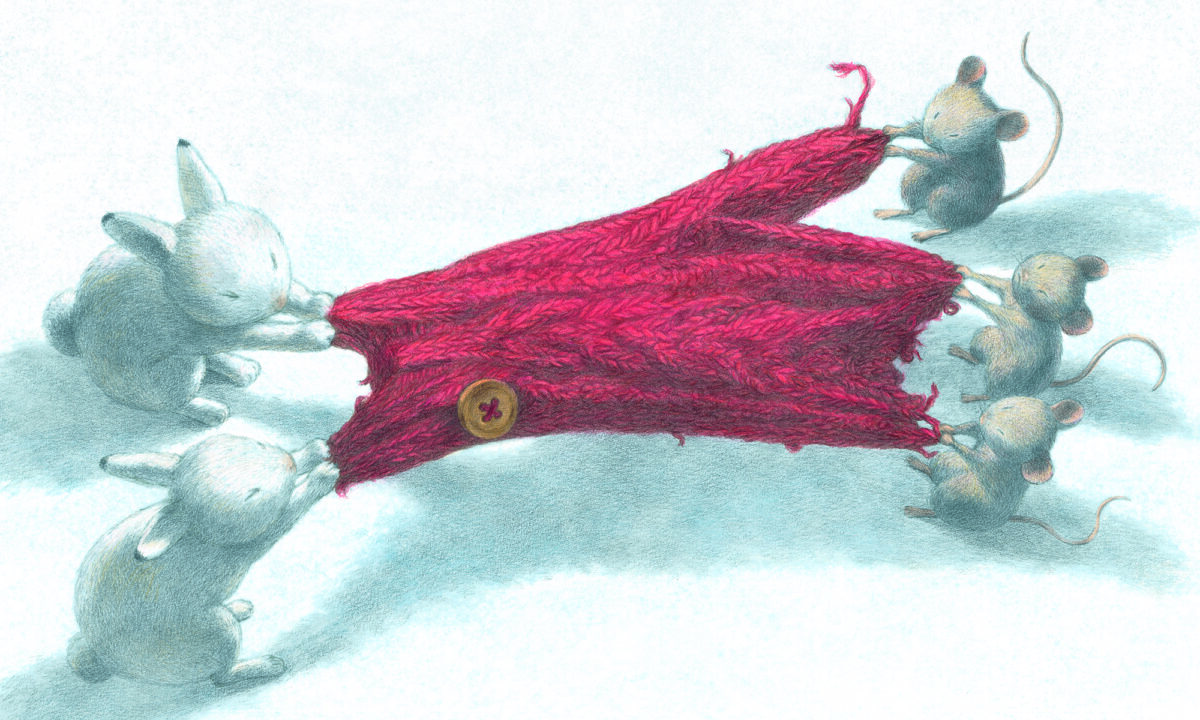
This exhibition at the Hiroshima City Museum of Contemporary Art is the Japanese tour of that edition. It shows the Grand Prix and other prizewinners, along with the books and original art of the ten artists and groups who took part for Japan, and related material. From Japan there are Chiaki Okada's The Red Mittens (2021), Nana Furiya's The Hasty Hummingbird (2023), and The Cabin Company's Melting into the Sunset (2023, Chihiro Art Museum). From other countries there are The Vulture's Daughter (2024), Animals in the Stone (2024), and a Gulliver's Travels (2023).
While the exhibition is on, the museum asks children in Hiroshima to act as judges and choose a work of their own, the Hiroshima Children's Jury Prize. The grown-up jury chose once in Bratislava; here the children choose again.

1 / 4 Image: Towada Art Center
Three films by Steve Bishop, on buildings and towns after people have gone.
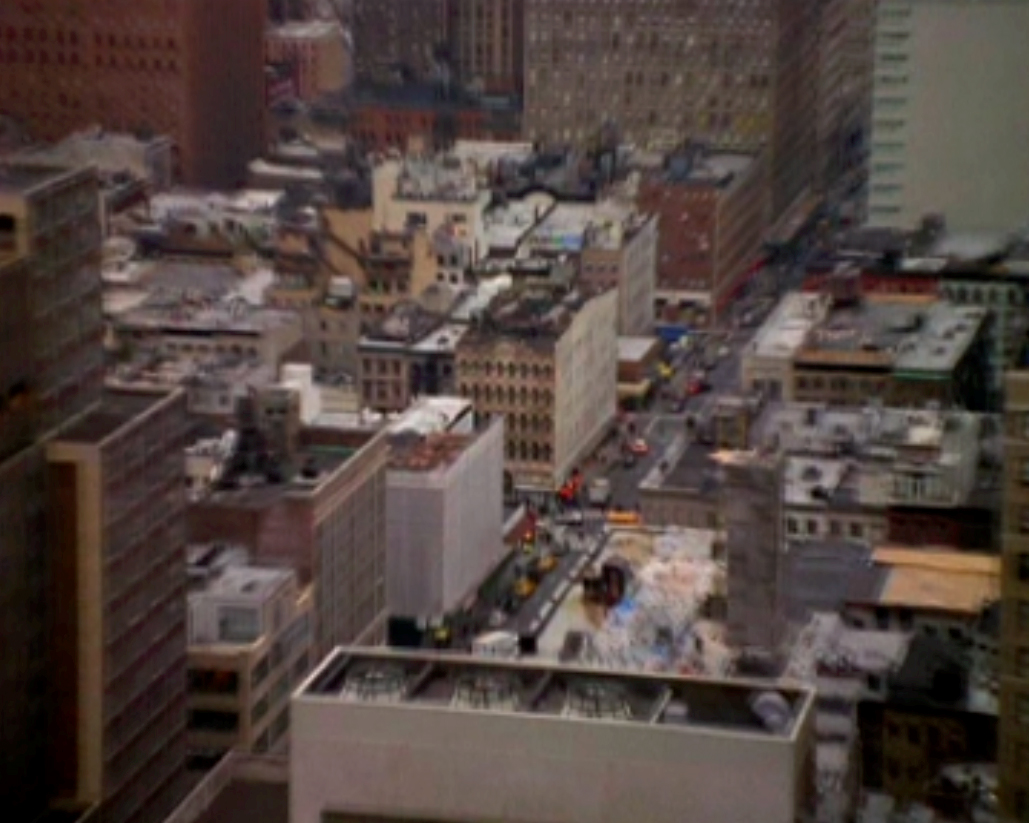
In the modern era Towada was home to an army remount depot, and horse breeding flourished until it became a "horse town." When the central ministries were reorganized in 2001, offices moved away and left many empty lots; as the population fell, more buildings stood with no one in them. With forestry in decline the hills went untended, bears and deer grew in number, and the Japanese serow, a special natural monument, has appeared in the streets of the town. The Towada Art Center writes that it was itself founded as one response to this hollowing out.
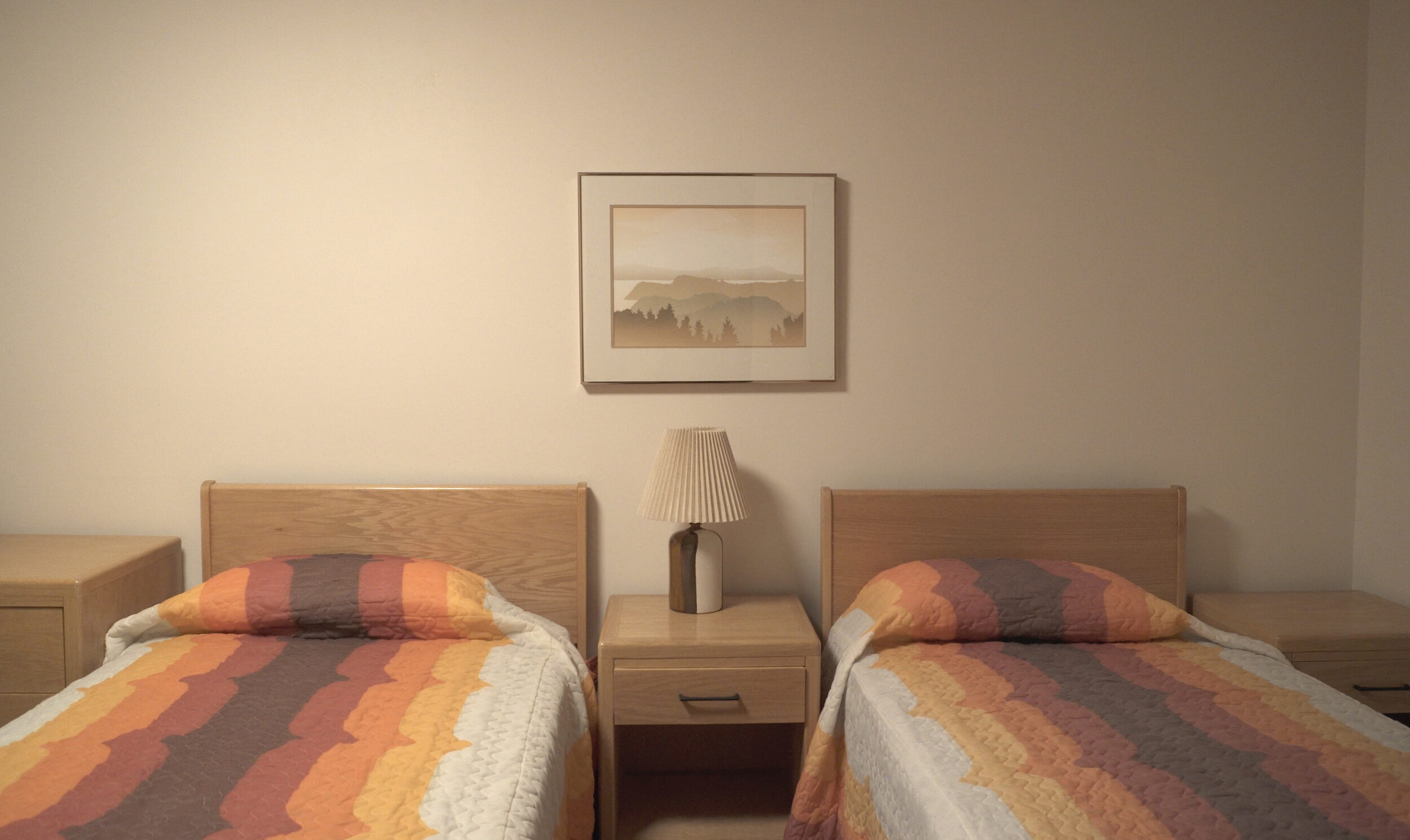
Here the museum presents a solo exhibition by Steve Bishop, built around three films about buildings. The Caretaker (2018) shows a small town in northern Canada: after the nearby mine closed, every resident left, yet the town is still kept up. Meanwhile... (2008) recomposes shots of a suburban street that were cut into a 1990s American sitcom.
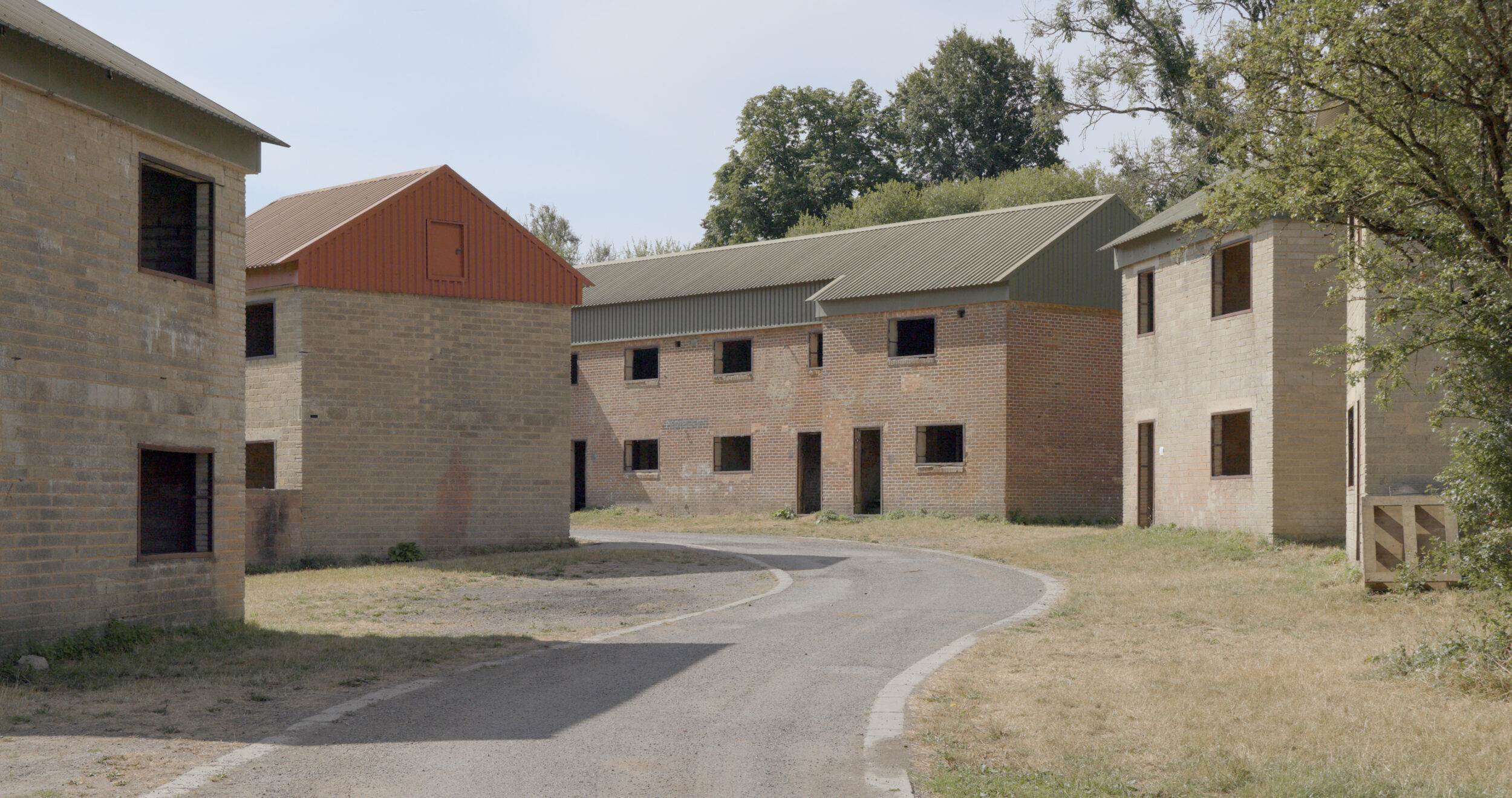
The third, Stolen From The People (2026), has its world premiere here. It was filmed in a former village in the south of England whose residents were all moved out by the military during the Second World War.
Bishop was born in Toronto in 1983, lives in London, and graduated from the sculpture department of the Royal College of Art in 2008. This is his first solo exhibition at a museum in Asia. The museum says the films and sound make a space to be immersed in; the exhibition asks what human activity means, and how people relate to the places they live.


1 / 4 Image: ポーラ美術館 X 展示風景:「あたらしい目—モネと21世紀のアート」ポーラ美術館、2026年、撮影:中川周
When Monet painted the Seine thawing in winter, his beloved wife Camille had only just died.
The Pola Museum of Art in Hakone owns nineteen oil paintings by Monet, from a work of 1872 with realist brushwork to one of 1908 in which light, colour and subject melt together: the largest Monet collection in Asia. To mark a hundred years since Monet's death and the museum's twenty-fifth anniversary, all nineteen are on show, set beside the work of eighteen contemporary artists and groups from Japan and abroad, not as art-historical comparisons but as conversations.
Sunset on the Seine, Winter (1880) shows Vétheuil in a hard winter, the frozen Seine beginning to thaw and a faint evening sun on the water. Beside it is work by Félix González-Torres, who used sweets and light bulbs to stand for the lives and bodies of the people he loved: a pile of sweets weighs the same as a lover or relative who has died, and visitors may take one away.
Here his blue sweets stand for the floating ice on the river, and a work made of light bulbs for the setting sun. By entirely different means, both artists look at the absence of someone they loved.
The title, New Eyes, comes from Cézanne, Monet's contemporary, who marvelled at Monet's eye, and it also means the eyes of today's artists.


1 / 2 Image: Kyoto City KYOCERA Museum of Art
The geometry Raphaël Zarka finds through skateboarding: steps, slopes, and curves.
Raphaël Zarka has a series called Riding Modern Art, made of black-and-white photographs found in skateboarding magazines: skaters doing tricks on modern sculptures in public space. The sculptures were meant to be stood before and looked at; to the skaters, they were terrain to ride.
For Zarka, skateboarding began as a personal passion. Moving through the city and its buildings on a board, he noticed the geometry in steps, slopes, curves, and structures, and read existing spaces again in unexpected ways. He has written three essays on the forms and spaces of skateboarding, and he looks for subjects in geometric forms that pass from the margins of art history into science and technology. He works like a researcher or an archaeologist, and calls what he makes "documentary sculpture."
Zarka was born in France in 1977, graduated from the École nationale supérieure des Beaux-Arts in Paris and from Winchester School of Art in Britain, and is based in Paris. He is working on a practice-based doctorate on the evolution of freestanding sundials in seventeenth-century Europe.
From April to July 2026 he stayed at the Villa Kujoyama in Kyoto for research and production. This exhibition at the Kyoto City KYOCERA Museum of Art is his first full solo show in Japan, with sculpture, photography, video, drawing, and text, earlier key works and new pieces made during his stay in Kyoto, tracing the way from finding a form, through research and thought, to the finished work. The museum also raises a question: whose public space is it, and how is it used?
If you have seen a good exhibition that isn't written up here yet, I would be glad to hear about it: hello@anthology-art.org
About this anthology: major exhibitions outside Tokyo, chosen by our editor, Yu, and updated as shows open and close. Every exhibition is checked against the venue's official site or announcement (as of Oct 23, 2026), and no listing is paid for. If dates or prices change, please refer to the venue's own announcement.
The Japanese original of each title and venue name is shown in gray below it.
A little more art in your life
Every month, we write a letter about exhibitions we love and why we recommend them. Subscribing is free, and you can cancel at any time.
We will use your email address only to send the newsletter. Privacy