Opens in 12 days#Media art
Feel the Sound
Japanese original:
Feel the Sound展
An immersive sound exhibition first shown at the Barbican Centre in London in 2025, now in Japan for the first time. It combines sound, vibration, music and technology so that visitors feel sound with the whole body, under the line "That sound reaches the body before the ear." Participants include Ryuichi Sakamoto, Daito Manabe, Miyu Hosoi and Ei Wada, entry is for one visit on a day of your choice during the run, and the audio guide is free.
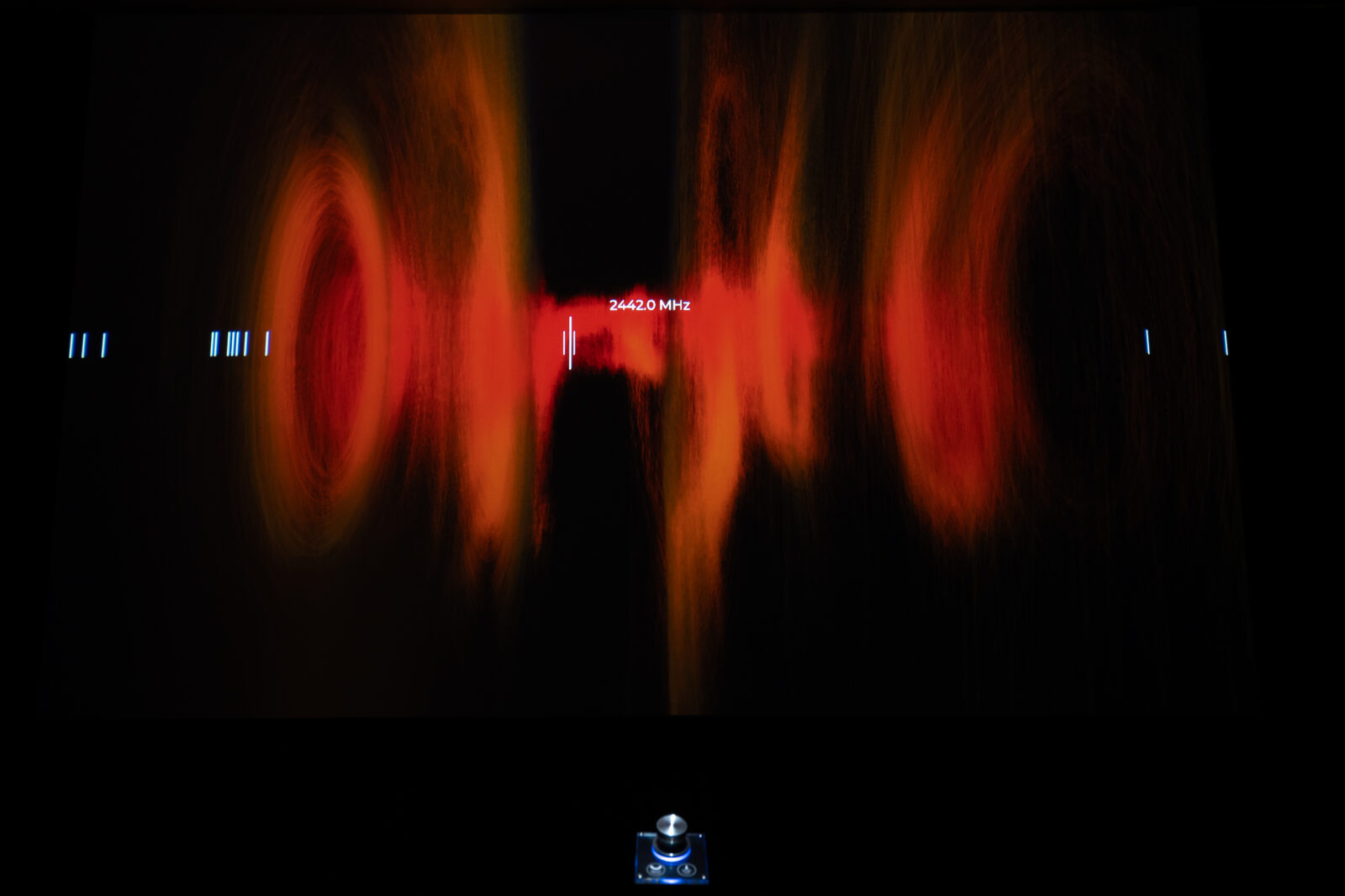
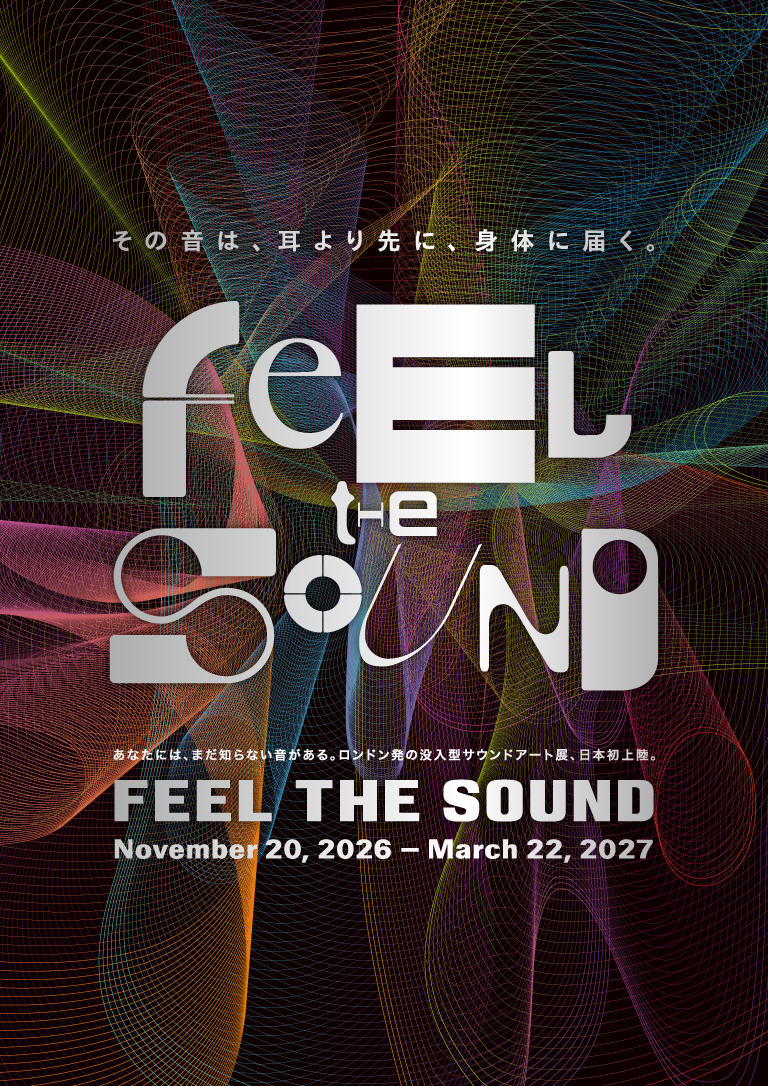
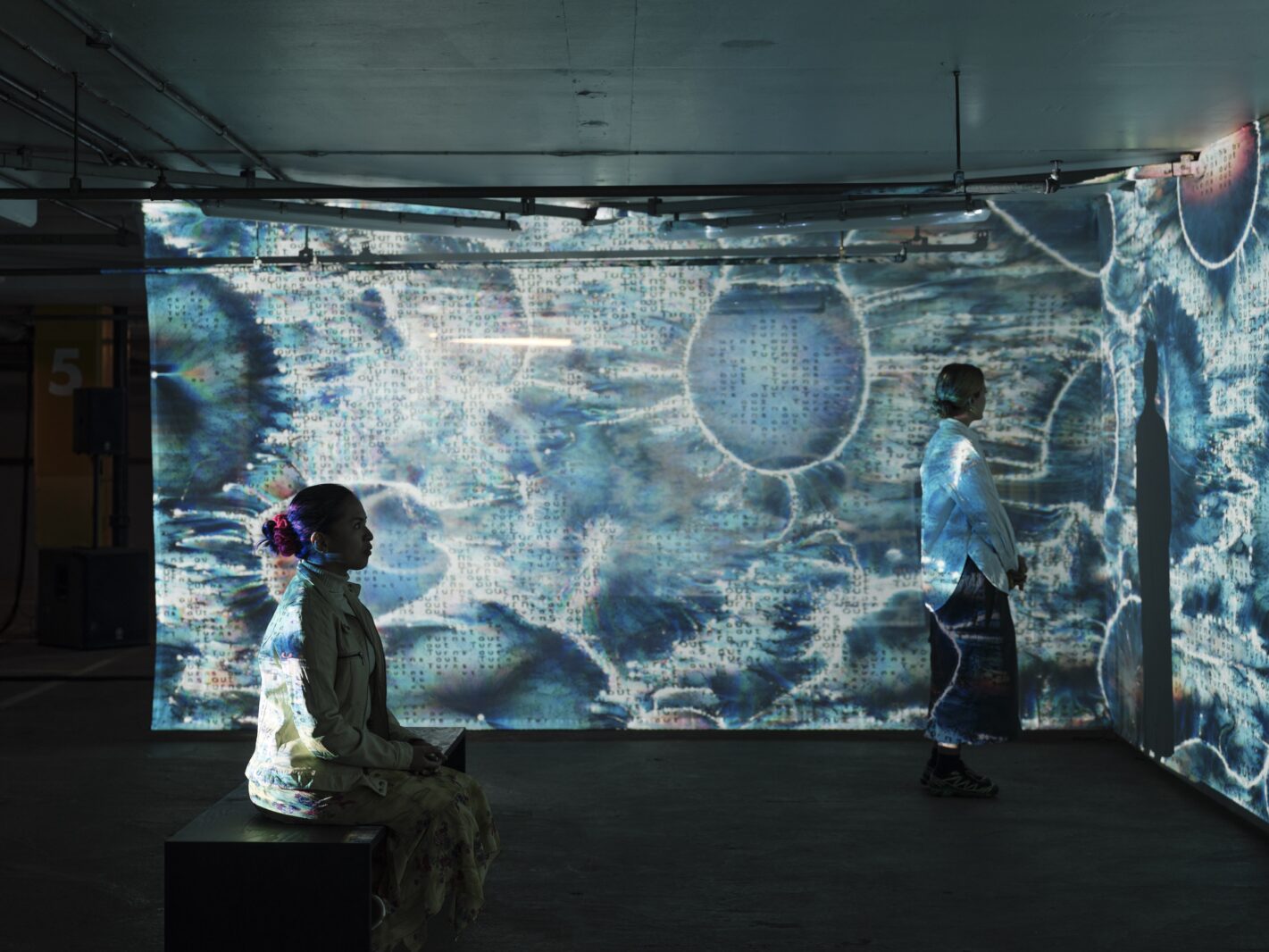
1 / 3 Image: MoN Takanawa: The Museum of Narratives Sensing Streams-invisible, inaudible: focused edition (2025), Ryuichi Sakamoto + Daito Manabe/坂本龍一 + 真鍋大度 ©Photo: TOMITA Ryohei / Photo Courtesy: NTT InterCommunication Center [ICC]
- Dates
- Nov 20, 2026 – Mar 22, 2027
- Venue
- MoN Takanawa: The Museum of Narratives · Minato
- Address
- 東京都港区高輪 TAKANAWA GATEWAY CITY内Directly connected to Takanawa Gateway Station (JR), about 6 min on foot from the north ticket gate; about 3 min from Exit A4, Sengakuji Station (Toei Asakusa Line)Open in Google Maps
- Hours
- 10:00–19:00
- Admission
- 一般 2,500円(前売 2,300円)
Visit planning
The calendar entry starts on the opening day and covers the whole run. Please check opening hours and closing days before your visit.
Nearby, after this one
Same venue · MoN Takanawa: The Museum of Narratives
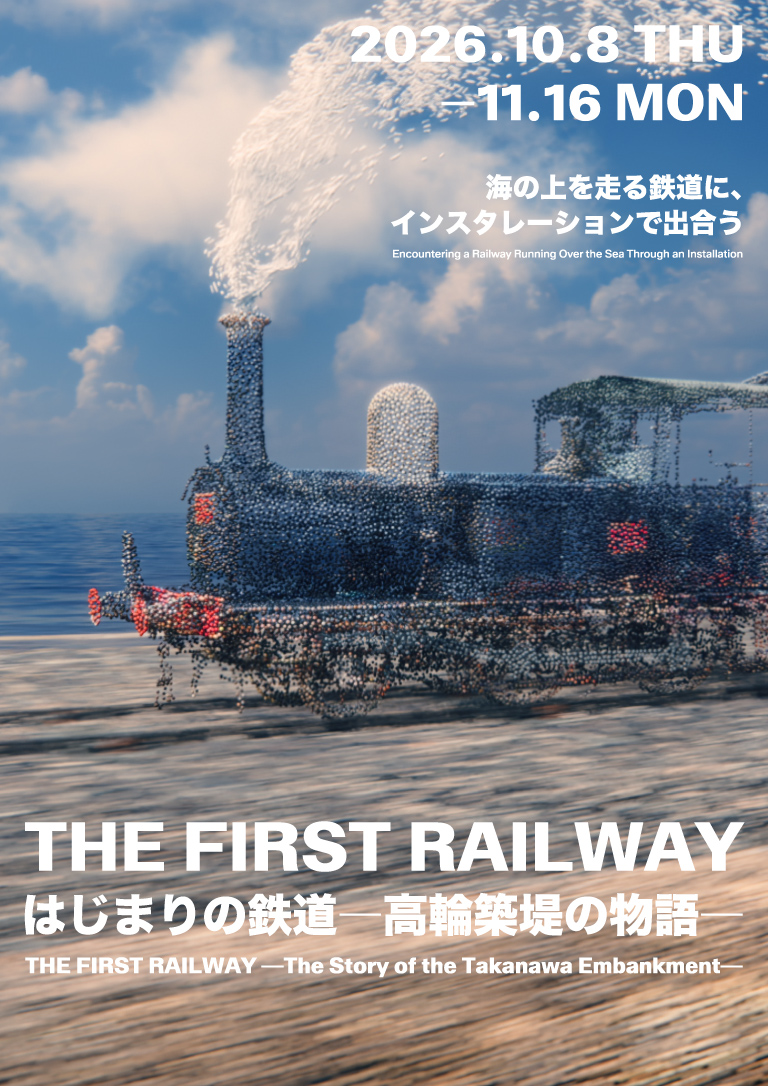
Related exhibitions
Same genre · Media art


Credits
- Artists
- Ryuichi Sakamoto, Daito Manabe, Miyu Hosoi, Ei Wada, Yuri Suzuki, Pate Ayukawa, Yuki Anai
- Organized by
- MoN Takanawa: The Museum of Narratives
- Co-organized by
- Barbican Centre
- In cooperation with
- British Council
Knowledge cards
Media art and video artメディアアートとビデオ・アートArt that takes electronic and digital media, such as television, video, computers, and sensors, as its material.Read moreClose
01About
In March 1963, Nam June Paik showed Exposition of Music – Electronic Television at Galerie Parnass in Wuppertal, West Germany, scattering television sets through the rooms and distorting their pictures with magnets; this is often taken as the starting point of media art. The works that followed take a few broad forms: single-channel video, shown on one screen with a fixed running time like a film; video installation, which arranges several monitors, projections, and objects in a space that visitors walk through; and interactive works that change in response to a visitor's movement, voice, or brain waves. Cathode-ray tube sets and other equipment are produced less and less and are hard to find even second-hand, so keeping such works alive means weighing repair against replacement; Paik himself allowed owners to make the technical changes needed to keep his works running.
02In the gallery
Read the medium line on the label. “72 monitors, 4-channel video” means 72 screens are showing four different videos: find the screens playing the same one and see how they are arranged. For a single-channel work, the label gives the running time; check it before deciding where to start watching.
Wall label terms in Japanese
- メディアアート
- Media art
- シングルチャンネル
- Single-channel video
- 映像○チャンネル
- Video, N channels (N different videos)
- ビデオ・インスタレーション
- Video installation
- インタラクティブ
- Interactive
- ブラウン管
- Cathode-ray tube (CRT)
03Notes
Media art ranges from single-screen video to video installations you walk into.
This time, at Feel the Sound —
Is a screen in the gallery a window to look into, or an object to walk around?
04Related
Installation ArtインスタレーションThree-dimensional work that does not sit on a wall or a pedestal but changes how a whole space feels, and that visitors walk into.Read moreClose
01About
Installations are often made for one particular site, and visitors move through them, so where you stand is part of the looking. Materials range from everyday objects and natural materials to video and sound, and a work may be permanent or taken down when the exhibition closes. As the name of an art form, “installation” is first recorded by the Oxford English Dictionary in 1969; in 1958 Allan Kaprow called the indoor spaces he transformed “Environments.” The events the Gutai Art Association staged in Japan from 1954 are counted among early installation art, and they influenced Kaprow. Some artists step inside their own installations: Aki Sasamoto builds spaces from string, tubes, household things and sound, then talks and moves within them, so that the work becomes an event that changes over time.
02In the gallery
Look from the entrance, from the middle and from a corner. Notice how the light, the sound, and the path you take change the work.
Wall label terms in Japanese
- インスタレーション
- Installation
- サイトスペシフィック
- Site-specific
- エンヴァイラメント(環境)
- Environment
- 具体美術協会
- Gutai Art Association
- パフォーマンス
- Performance
03Notes
Installations are mostly made for a particular place, and where you stand is part of the looking.
This time, at Feel the Sound —
After moving to a few spots, where do you think the work begins, and where does it end?