8 days left#Media art#History & heritage
THE FIRST RAILWAY: The Story of the Takanawa Embankment
Japanese original:
THE FIRST RAILWAY はじまりの鉄道 ―高輪築堤の物語―
The exhibition introduces Japan's first railway and the Takanawa Embankment that carried it across Tokyo Bay. Its centrepiece is a large projection, The Locomotive Running on the Sea, made from point-cloud data taken when the embankment was excavated, and the room also holds a replica of the embankment and stones and pine piles actually used in it. Narrated by Matsushige Yutaka and part of the THE FIRST RAILWAY PROJECT, it is free, with a related display on the ground floor of THE LINKPILLAR 2 in Takanawa Gateway City.
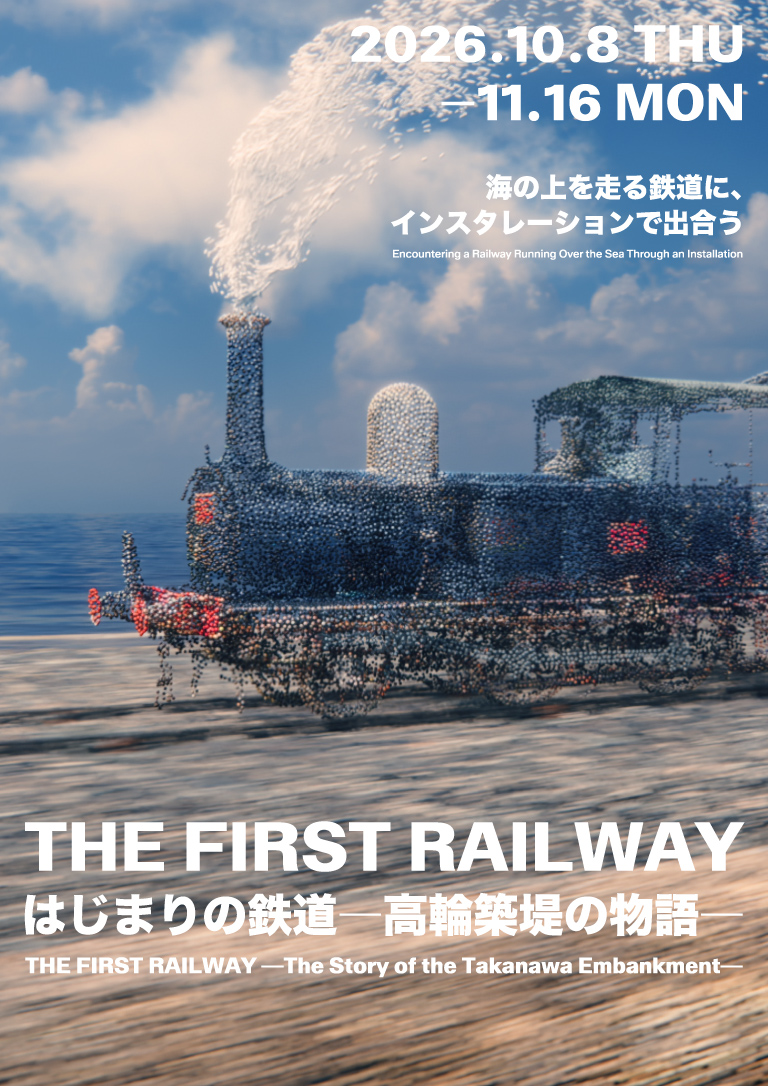
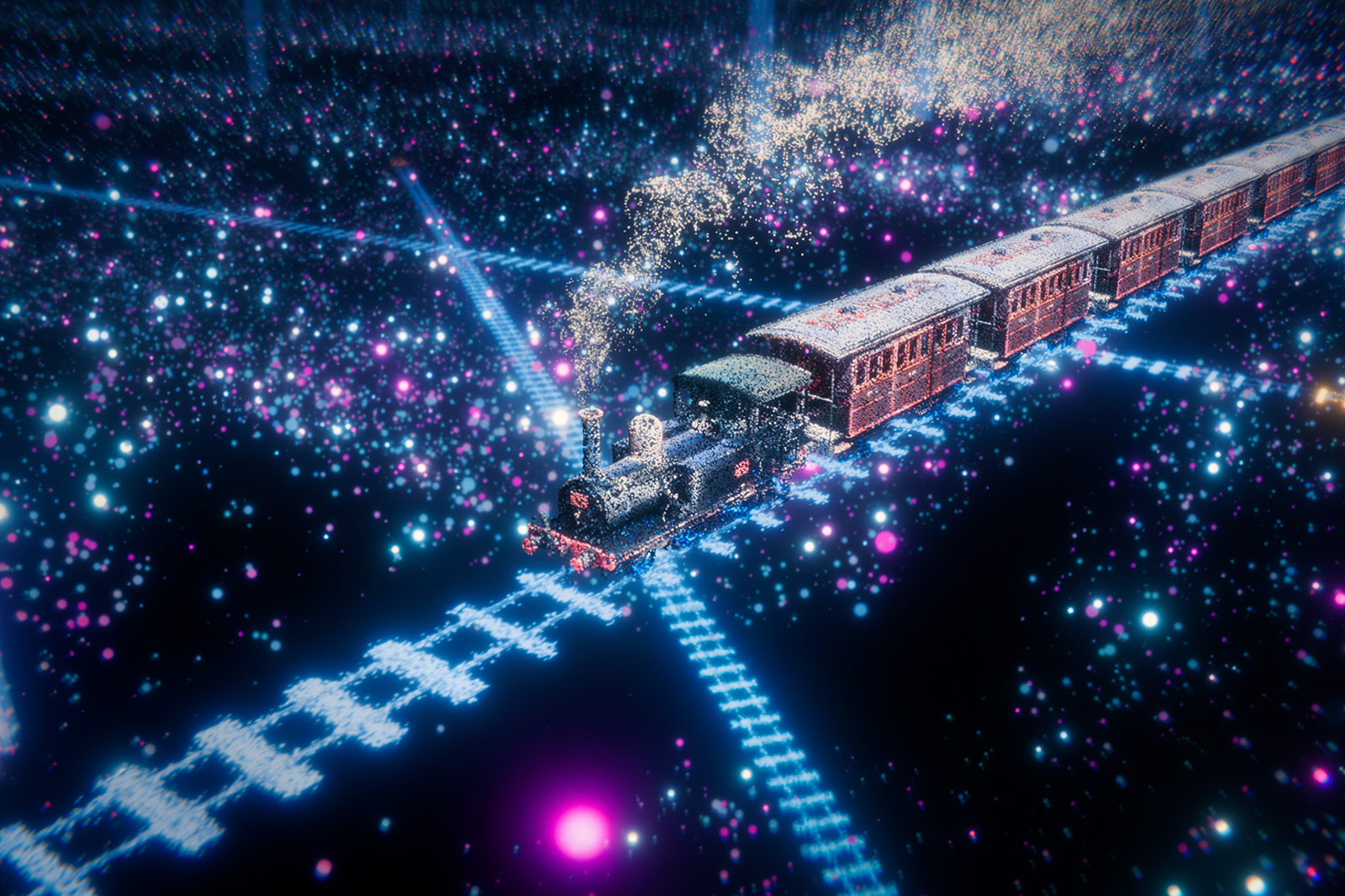
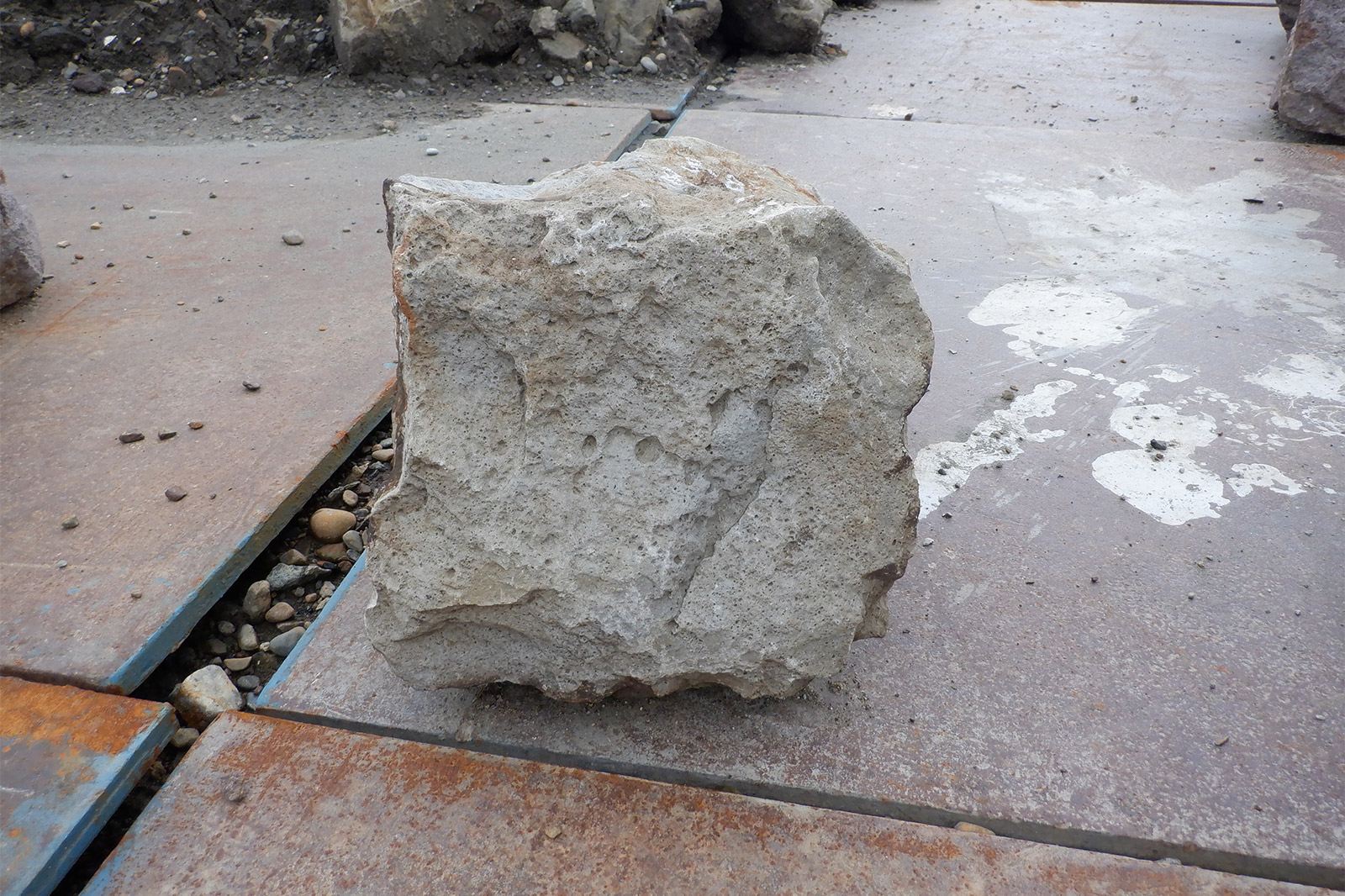
1 / 3 Image: MoN Takanawa: The Museum of Narratives
- Dates
- Oct 8 – Nov 16, 2026
- Venue
- MoN Takanawa: The Museum of Narratives · Minato
- Address
- 東京都港区高輪 TAKANAWA GATEWAY CITY内Directly connected to Takanawa Gateway Station (JR), about 6 min on foot from the north ticket gate; about 3 min from Exit A4, Sengakuji Station (Toei Asakusa Line)Open in Google Maps
- Hours
- 10:00–19:00
- Admission
- FreeOriginal: 無料
Visit planning
The calendar entry covers the whole run of the exhibition. Please check opening hours and closing days before your visit.
Nearby, after this one
Same venue · MoN Takanawa: The Museum of Narratives
Related exhibitions
Same genre · Media art / History & heritage


Credits
- Organized by
- MoN Takanawa: The Museum of Narratives
- In cooperation with
- 東日本旅客鐵道, 文化廳, 東京都教育委員會
- Performance
- 松重豊
Knowledge cards
Media art and video artメディアアートとビデオ・アートArt that takes electronic and digital media, such as television, video, computers, and sensors, as its material.Read moreClose
01About
In March 1963, Nam June Paik showed Exposition of Music – Electronic Television at Galerie Parnass in Wuppertal, West Germany, scattering television sets through the rooms and distorting their pictures with magnets; this is often taken as the starting point of media art. The works that followed take a few broad forms: single-channel video, shown on one screen with a fixed running time like a film; video installation, which arranges several monitors, projections, and objects in a space that visitors walk through; and interactive works that change in response to a visitor's movement, voice, or brain waves. Cathode-ray tube sets and other equipment are produced less and less and are hard to find even second-hand, so keeping such works alive means weighing repair against replacement; Paik himself allowed owners to make the technical changes needed to keep his works running.
02In the gallery
Read the medium line on the label. “72 monitors, 4-channel video” means 72 screens are showing four different videos: find the screens playing the same one and see how they are arranged. For a single-channel work, the label gives the running time; check it before deciding where to start watching.
Wall label terms in Japanese
- メディアアート
- Media art
- シングルチャンネル
- Single-channel video
- 映像○チャンネル
- Video, N channels (N different videos)
- ビデオ・インスタレーション
- Video installation
- インタラクティブ
- Interactive
- ブラウン管
- Cathode-ray tube (CRT)
03Notes
Media art ranges from single-screen video to video installations you walk into.
This time, at THE FIRST RAILWAY: The Story of the Takanawa Embankment —
Is a screen in the gallery a window to look into, or an object to walk around?