Opens in 100 days#Craft
KINTSUGI
Japanese original:
金継ぎ ーKINTSUGIー 展
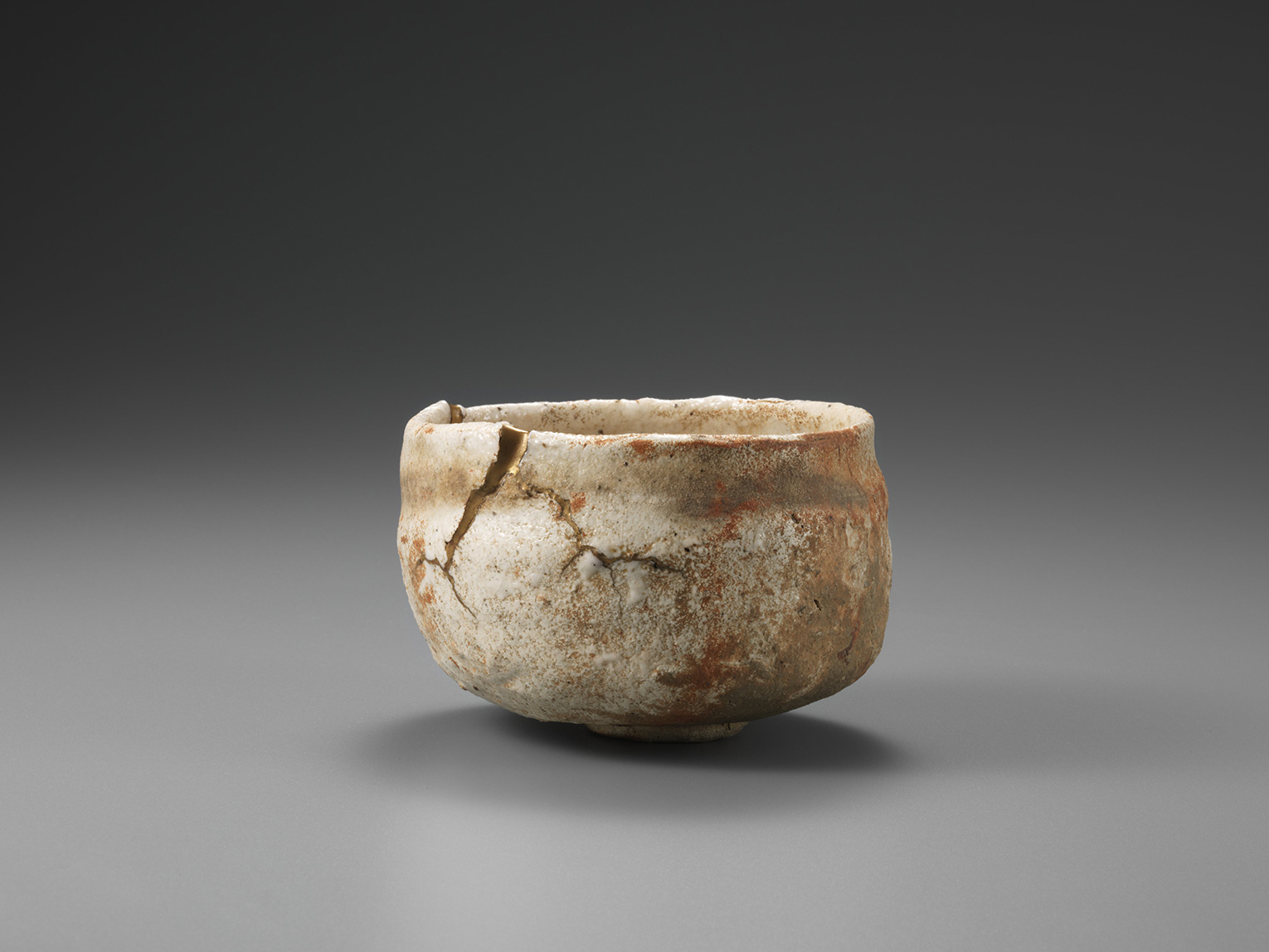
Kintsugi mends cracks and chips in ceramics and other wares with lacquer and then decorates the join with gold powder. The museum notes that this repair technique, practiced from the medieval period to today, rests on protecting and handing down objects and on finding beauty in imperfection. The exhibition traces its history and looks at an aesthetic of rebirth that produces new beauty and value.
- Dates
- Feb 26 – Jun 6, 2027
- Venue
- National Museum of Crafts (国立工芸館) · Ishikawa石川県金沢市出羽町3-2
Getting there
From the east exit (Kenrokuen exit) of JR Kanazawa Station, take a bus from stop 3 (about 12 min) to Hirosaka / 21st Century Museum and walk 7 min; or take a bus from stop 6 to Dewamachi and walk about 5 min
- Hours
- 09:30–17:30 · Closed: Mon
- Organized by
The calendar entry starts on opening day and covers the whole run, so you won't need to look the dates up again. Please check opening hours and closing days before your visit.
Knowledge cards
Kintsugi (gold repair)金継ぎA Japanese way of mending broken pottery: the pieces are joined with lacquer and the seam is dusted with gold.Read moreClose
01About
Kintsugi is a repair technique for pottery: cracks and chips are joined with urushi lacquer, and the seams are decorated with powdered gold, silver or platinum. The National Crafts Museum in Kanazawa describes it as a technique that has continued from the medieval period to the present, resting on the idea of protecting things and handing them on, and on seeing beauty in imperfection. It became closely associated with the vessels of the tea ceremony, such as tea bowls. One theory traces it to the late 15th century, when the shogun Ashikaga Yoshimasa is said to have sent a damaged Chinese tea bowl back to China for repair; it came back mended with metal staples, which may have led Japanese craftsmen to look for a more beautiful way to mend. The outlook is similar to wabi-sabi, the embrace of the flawed and the worn: breakage and repair are treated as part of an object’s history rather than something to disguise. Because lacquer hardens slowly, the mended piece rests in a humid chamber for anywhere from two days to two weeks.
02In the gallery
Run your eye along a gold seam: is it a thin line following a crack, or a wider patch where a piece was missing?
Wall label terms in Japanese
- 金継ぎ
- Kintsugi (golden joinery)
- 漆
- Urushi (lacquer)
- ひび
- Hibi (crack)
- 欠け
- Kake (chip)
03Notes
Kintsugi does not hide the repair: the seam is decorated with gold and left in view.
This time, at KINTSUGI —
Following a gold seam with your eyes, what do you imagine happened to the vessel at that spot?