32 days left#Craft
Commemorating the 140th Anniversary of His Birth: Textile Artist Yamaga Seika—Imagination Soaring Through the Sky
Japanese original:
生誕140年記念 染織家 山鹿清華─宙翔ぶイマジネーション
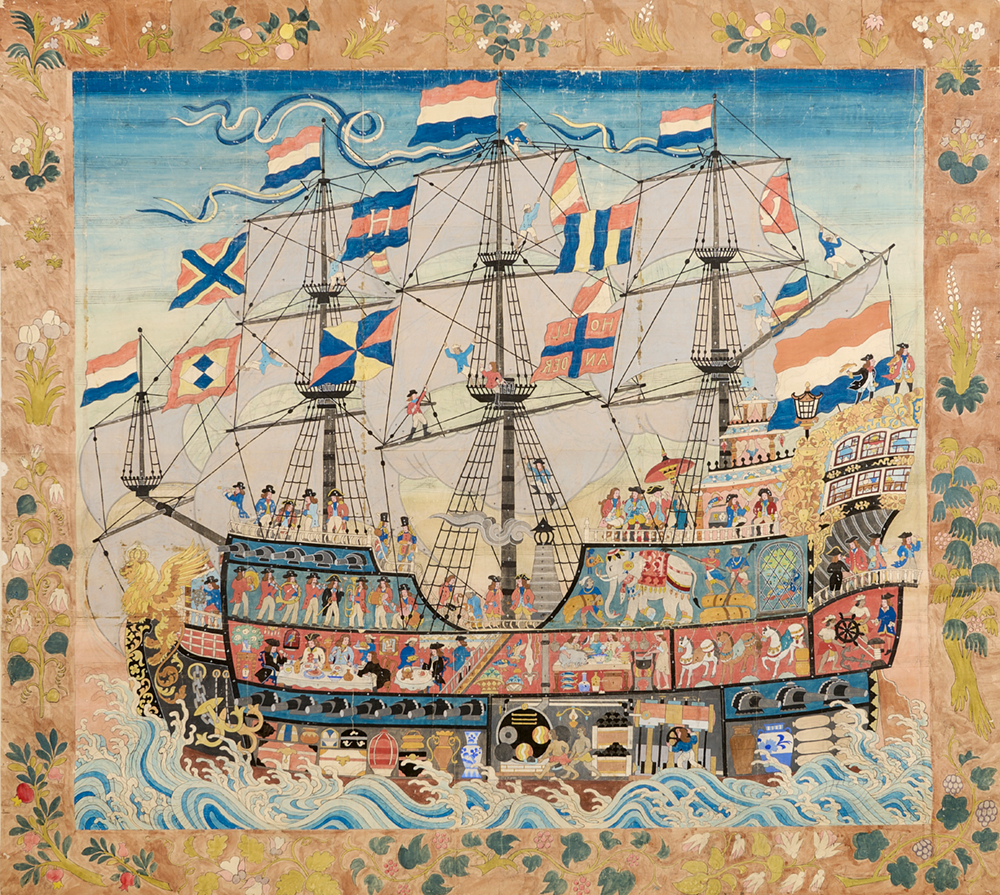
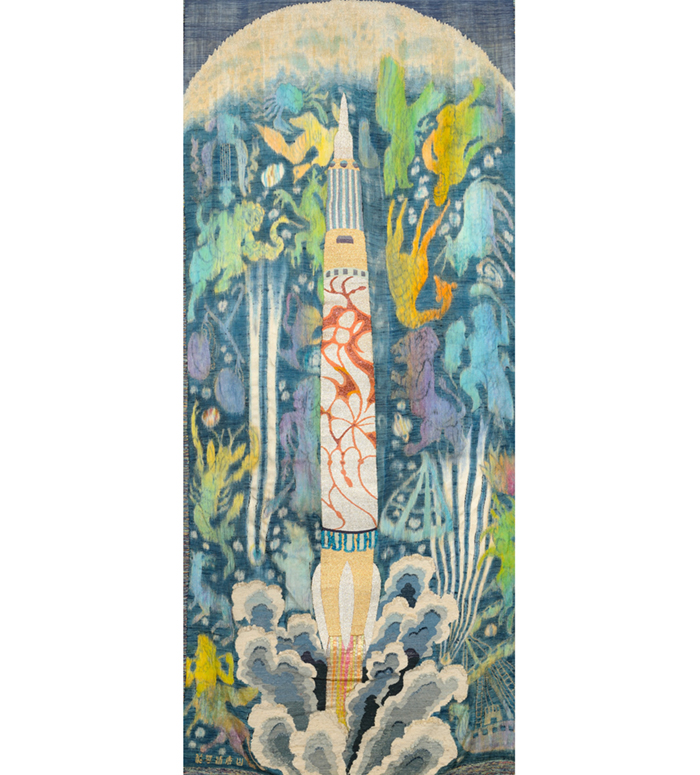
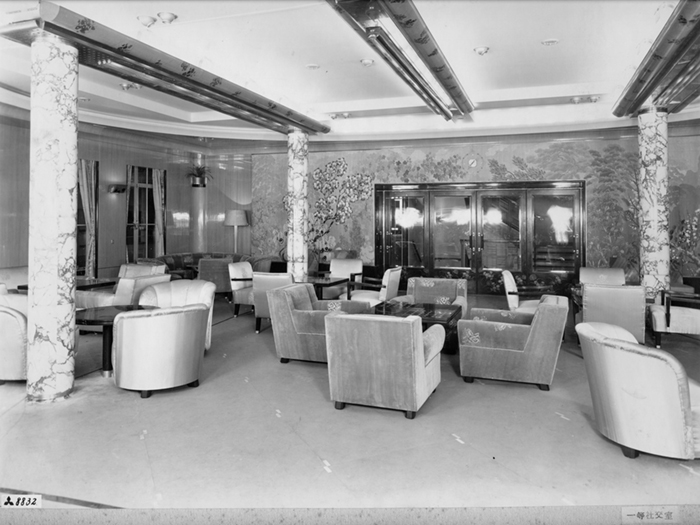
Yamaga Seika (1885–1981) was a Kyoto textile artist known for tezuri-nishiki, a method in which one artist handles the design, the choice of thread and the weaving. The exhibition covers her 1927 Teiten prize-winning Dutch Ship, her study with Kamisaka Sekka, unusual subjects such as rockets and Tokyo Tower, hangings for the Gion and Nagahama festivals, and interiors made with the architect Murano Tōgo. Works are lent mainly by the Kyoto City Museum of Art, with others from the Museum of Contemporary Art Tokyo and the National Museum of Modern Art, Kyoto.
Featured in: Kyoto Winter Exhibitions 2026–27
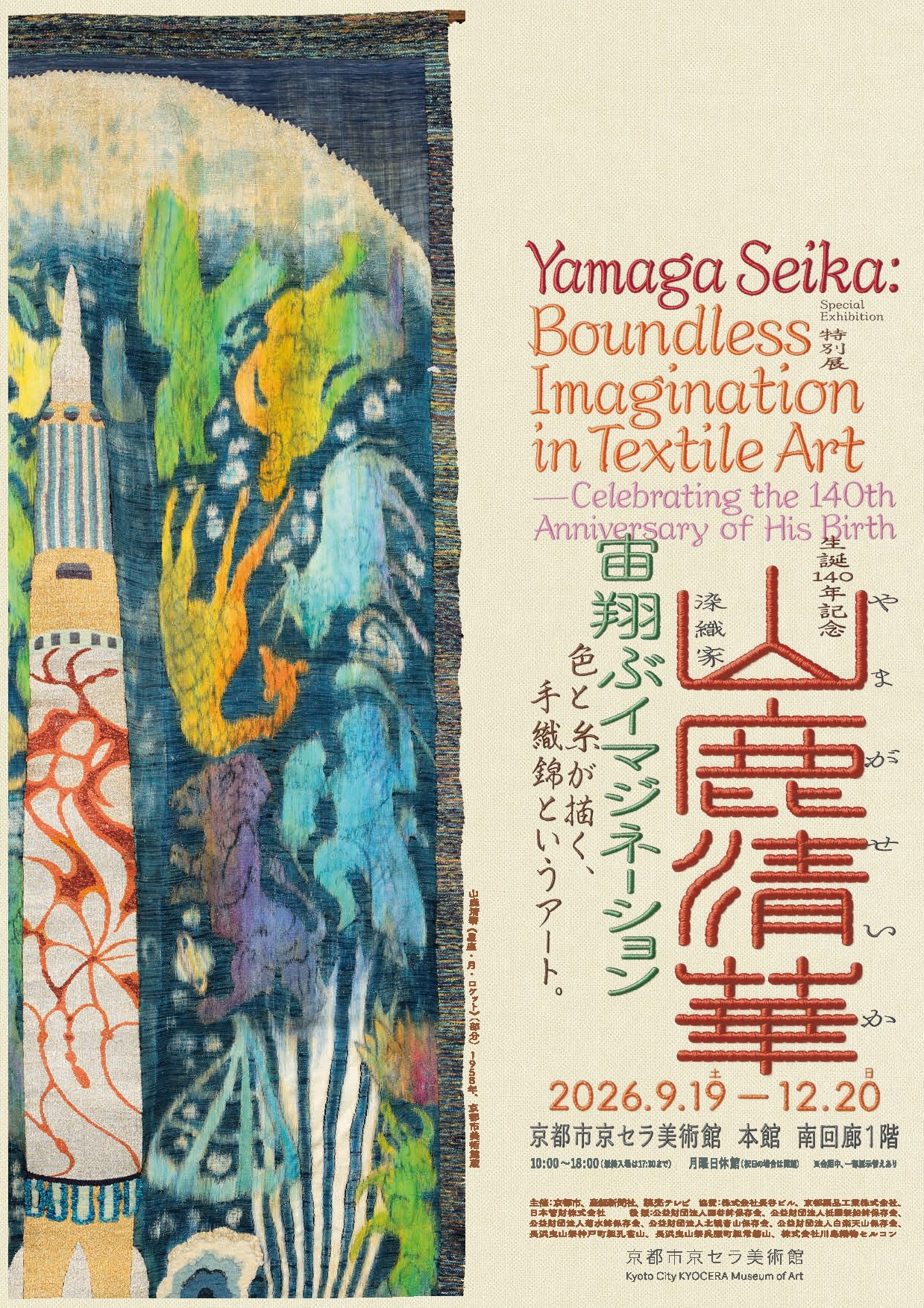
1 / 4 Image: Kyoto City KYOCERA Museum of Art
- Dates
- Sep 19 – Dec 20, 2026
- Venue
- Kyoto City KYOCERA Museum of Art (京都市京セラ美術館) · Kyoto京都府京都市左京区岡崎円勝寺町124
Getting there
8 min walk from Higashiyama Station (Kyoto Subway Tozai Line)
- Hours
- 10:00–18:00 · Closed: Mon
- Admission
- General ¥1,800Original: 一般 1,800円
- Artists
- Yamaga Seika
- Kamisaka Sekka
The calendar entry covers the whole run, so you won't need to look the dates up again. Please check opening hours and closing days before your visit.
Guided tours
Lecture 'Textile artist Yamaga Seika: creation that reflects the times': 29 Nov (Sun), 14:00–15:30 (check-in from 13:30) in the lecture room on basement level 1 of the main building, by 後藤結美子, a curator of this exhibition. 70 places, no reservation, first come; free with an admission ticket to the exhibition (usable before or after the talk, not necessarily the same day). Language is not stated.
- TalkNov 29 (Sun)Lecture 'Textile artist Yamaga Seika: creation that reflects the times': 29 Nov (Sun), 14:00–15:30 (check-in from 13:30) in the lecture room on basement level 1 of the main building, by 後藤結美子, a curator of this exhibition. 70 places, no reservation, first come; free with an admission ticket to the exhibition (usable before or after the talk, not necessarily the same day). Language is not stated.
- TourDec 13 (Sun)Gallery talk (13 Dec 2026): 14:00–15:00, meeting near the entrance of the 1st-floor south corridor of the main building (check-in from 13:30). Led by the exhibition's curators 後藤結美子, 矢橋佳音 and 陳鶯. 15 places, no reservation, first come; free, but an unused admission ticket to the exhibition is required. Language is not stated.
Source: 京都市京セラ美術館 講演会, 京都市京セラ美術館 ギャラリートーク. From the venue's and organizer's announcements. Schedules, languages and fees can change; please check the official site before your visit.
Organizers and partners
Organized by: Kyoto City KYOCERA Museum of Art, Kyoto City, The Sankei Shimbun, Yomiuri Telecasting Corporation
- Organized by
- Kyoto City KYOCERA Museum of Art
- Kyoto City
- The Sankei Shimbun
- Yomiuri Telecasting Corporation
- Loans from
- Geisodo Co., Ltd.
- Nagahama Hikiyama Festival, Gofukumachi-gumi Tokiwa-yama
Organizing this exhibition? Write to us to add or correct anything here: hello@anthology-art.org
Knowledge cards
Retrospective exhibitions回顧展A retrospective brings together work and records from across an artist's career so that a body of work can be seen in sequence and from more than one angle.Read moreClose
01About
A retrospective can place early and later works, different media, sketches, photographs or other records in relation to one another. The Tokyo Metropolitan Art Museum describes its Tada Minami exhibition as a large-scale retrospective that surveys about seventy years of work through paintings, sculptures, light works, architectural parts, photographs and sketches. The National Museum of Western Art describes its Turner exhibition as a retrospective arranged by themes and a loose chronology, with contemporary works placed beside Turner's. This makes comparison more useful than hunting for a single representative piece. When you visit one, move back and forth between periods and ask what each change of material or setting does to your view.
02In the gallery
Start with one early and one later work, then compare their material, scale, pace and surroundings.
03Notes
Compare changes across periods, materials and ways of working.
This time, at Textile Artist Yamaga Seika—Imagination Soaring Through the Sky —
What has changed, and what has stayed with the artist?
04Related
Dyed and woven patterns染めと織りA pattern on cloth comes either from colored threads woven in on the loom (weaving), or from dyeing or printing the finished cloth (dyeing).Read moreClose
01About
Plain dyeing covers the whole cloth in one color; printing puts color on certain parts only. Among the ways of dyeing a pattern is resist dyeing, where paste or wax keeps the dye off chosen areas: Okinawan bingata is dyed with a paper stencil and resist paste. In screen printing, color is pushed through a mesh, the stencil blocks it elsewhere, and one color is printed at a time, so a design in several colors needs several screens. A woven pattern is made on the loom: brocade weaves its design with an extra weft, so that it looks embroidered on; for ikat (kasuri in Japan), the yarns are resist-dyed in sections before weaving, and the slight blur along the pattern's edges is often prized.
02In the gallery
Look at the edges of the pattern. Printing pastes are thickened so the color does not spread beyond the design, which keeps printed edges clean; the soft blur at the edges of ikat comes from dyed yarns that do not line up exactly on the loom.
Wall label terms in Japanese
- 染め
- Dyeing
- 織り
- Weaving
- 捺染(プリント)
- Textile printing
- 防染
- Resist dyeing
- 紅型
- Bingata (Okinawan stencil dyeing)
- 絣
- Ikat (kasuri)
03Notes
A pattern on cloth is either woven in on the loom or dyed or printed on afterwards.
This time, at Textile Artist Yamaga Seika—Imagination Soaring Through the Sky —
Looking at the edges of the pattern, was it woven in, or added later?