78 days left
Shojo Manga Infinity: Moto Hagio, Ryoko Yamagishi, and Waki Yamato
Japanese original:
少女漫画・インフィニティ 萩尾望都×山岸凉子×大和和紀 三人展
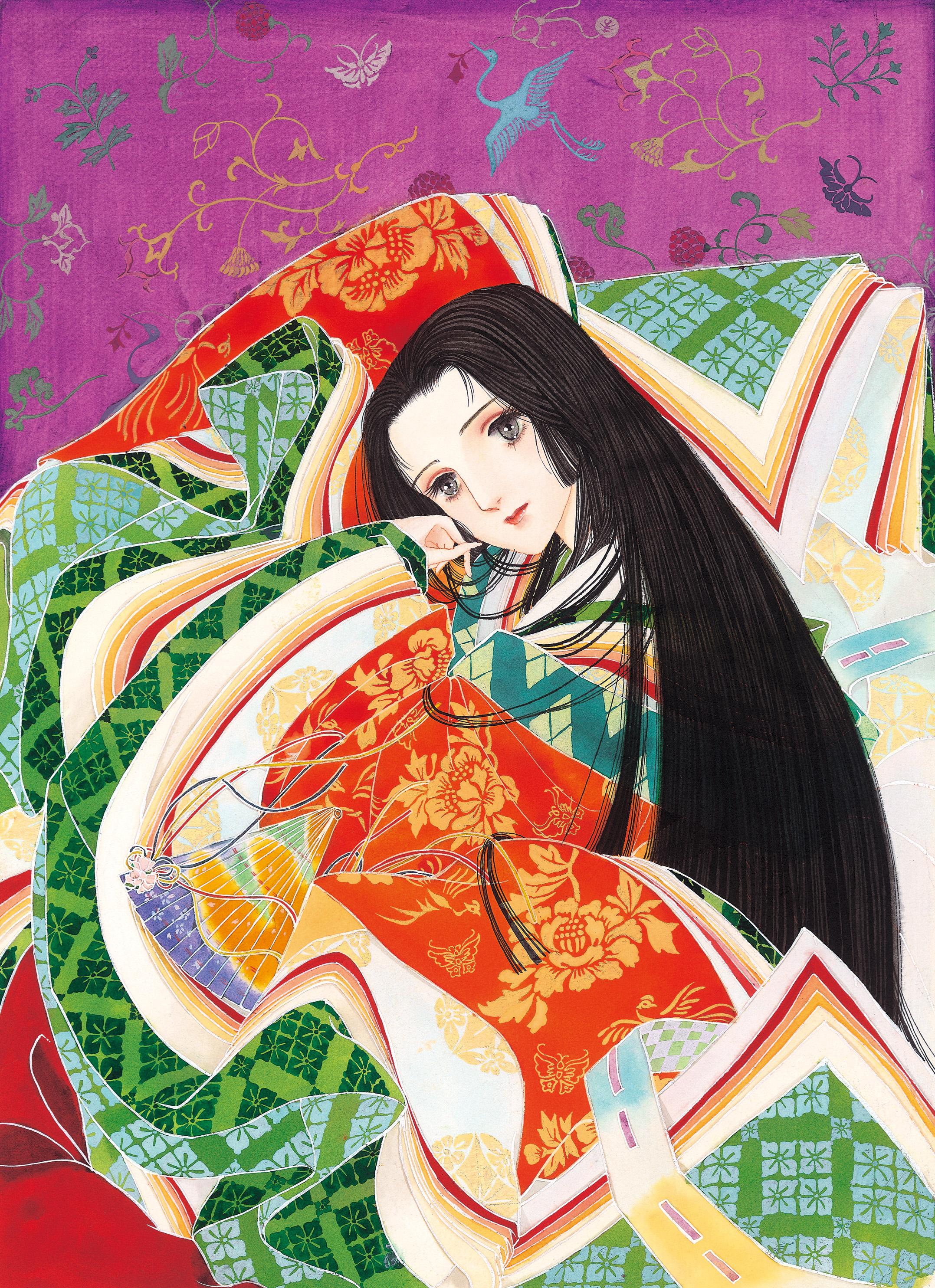
Moto Hagio, Ryoko Yamagishi, and Waki Yamato stood at the centre of the great leap forward in shōjo manga in the 1970s. For its 20th anniversary, the National Art Center, Tokyo traces their careers from their early debuts to the present through colour illustrations, original pages of memorable scenes, and rare materials; it is the first large-scale shōjo manga exhibition at a national art museum. Shown in two periods; closed on Tuesdays.
Featured in: Tokyo Anthology: November
1 / 6 Image: The National Art Center, Tokyo
- Dates
- Oct 28, 2026 – Feb 8, 2027
- Venue
- The National Art Center, Tokyo (国立新美術館) · Roppongi東京都港区六本木7-22-2
Getting there
Directly connected to Exit 6, Nogizaka Station (Tokyo Metro Chiyoda Line)
- Hours
- 10:00–18:00 · Closed: Tue
- Admission
- General ¥2,200Original: 一般 2,200円
- Artists
- Moto Hagio
- Ryoko Yamagishi
- Waki Yamato
- Curators
- Rei Yoshimura
The calendar entry covers the whole run, so you won't need to look the dates up again. Please check opening hours and closing days before your visit.
Tickets and booking
Tickets can be bought online. A booking link is included.
Klook partner link. Anthology earns a referral commission on purchases made through it.
Entry notes
Shown in two parts: October 28 to December 14, and December 16 to February 8, 2027; the colour works change between them. Closed on Tuesdays, and also on November 4 and from December 28 to January 5, 2027.
- Shown in two parts: October 28 to December 14, and December 16 to February 8, 2027; the colour works change between them. Closed on Tuesdays, and also on November 4 and from December 28 to January 5, 2027. (Source: 国立新美術館:少女漫画・インフィニティ, 2026)
From the organizer's announcements and press reports. Arrangements can change; please check the official site before your visit.
Organizers and partners
Organized by: The National Art Center, Tokyo
- Organized by
- Co-organized by
- The Mainichi Newspapers
- In cooperation with
- UWANOSORA Co., Ltd.
- Kodansha Ltd.
- SHOGAKUKAN Inc.
Organizing this exhibition? Write to us to add or correct anything here: hello@anthology-art.org
Written for this exhibition
Near the end of a painting, there is one place that is wrong, and I look at it for a long time without touching it.
Knowledge cards
Shōjo manga少女漫画A category of Japanese comics edited for adolescent girls and young women, traditionally published in its own manga magazines.Read moreClose
01About
Magazines such as Ribon, launched by Shueisha in 1955, carried the category. In the 1970s a new generation of artists, later called the Year 24 Group, changed it. The name refers to Shōwa 24, that is 1949, though only a few of those associated with the group were born that year. Their stories centred on the psychology and inner life of the characters, and widened the field to science fiction, fantasy, history, and horror. On the page they broke with the rows of rectangles then standard: panels overlap or lose their borders, and figures and backgrounds merge into one composition. Flowers, ribbons, fluttering dresses, and finely drawn eyes carry feelings, memories, and inner monologue.
02In the gallery
In front of a black-and-white original page, find a place where a panel has no border, or where panels overlap, and see how a figure or the background crosses from one to the next. Then read the page through in its reading order and notice how time flows across it.
Wall label terms in Japanese
- 少女漫画
- Shōjo manga
- 原画
- Original drawing
- コマ割り
- Panel layout
- 扉
- Title page (of a chapter)
- モノローグ
- Inner monologue
- 花の24年組
- Year 24 Group
03Notes
Shōjo manga broke up the neat grid of panels, let figures cross the frames, and used flowers and ribbons to carry feeling.
This time, at Shojo Manga Infinity: Moto Hagio, Ryoko Yamagishi, and Waki Yamato —
On a manga page, where does time seem to slow down for you?
04Related
Manga漫画Drawings in a light, simple style, usually playful, exaggerated or satirical; also a form that tells a story in sequential pictures, mostly with dialogue.Read moreClose
01About
It is hard to define manga in a phrase. Japan’s Nipponica encyclopedia treats the word as a catch-all for a field of pictures known under many labels, such as caricature, cartoon, gekiga and comic, and sorts today’s manga into two broad kinds: cartoons, which are single-picture manga, and comics, which tell a story in panels. The word itself once meant something looser. In Hokusai Manga (first volume, 1814) it was close to what we would now call a sketch, and it took hold among the public only in the early Shōwa era (the Shōwa era began in 1926). After the war, new manga magazines multiplied from 1946, and Tezuka Osamu’s children’s manga, which borrowed film techniques with an eye on animation, became popular and strongly shaped later manga. In the lending-library magazines of the 1950s, realistic story manga for young readers came to be called gekiga, and in 1959 the first weekly magazines for boys, Shōnen Sunday and Shōnen Magazine, were launched.
02In the gallery
Pick one page and read it in order, noticing which panels are big, which are small, and how that changes how long you stay on each scene.
Wall label terms in Japanese
- 漫画
- Manga
- コマ
- Panel
- コミック(ストーリー漫画)
- Comic (story manga)
- 劇画
- Gekiga
03Notes
Manga tells its story in pictures laid out in sequence, so look at how lines and panels carry time across the page.
This time, at Shojo Manga Infinity: Moto Hagio, Ryoko Yamagishi, and Waki Yamato —
On a page of manga, where does your eye land first, and where does it go next?
04Related
Nearby, after this one
Same venue · The National Art Center, Tokyo
Same neighborhood · Roppongi
Shows open on the same days as this one are listed first (regular closing days only).