The Japan Folk Crafts Museum
Japanese original:
日本民藝館
Founded in 1936 by Yanagi Soetsu, religious philosopher and leading voice of the mingei movement. Finding beauty in everyday objects made by anonymous craftspeople, he collected ceramics, textiles, lacquer and wood and bamboo work from across Japan, as well as crafts of Korea's Joseon dynasty. In 1926 Yanagi, Hamada Shoji, Kawai Kanjiro and Tomimoto Kenkichi jointly published a prospectus for a folk crafts museum, realized ten years later in Komaba.
- Area
- Shibuya Shoto & Komaba
- Address
- 東京都目黒区駒場4-3-33
- Getting there
- 7 min walk from the West Exit, Komaba-todaimae Station (Keio Inokashira Line)
- Hours
- 10:00–17:00
- Closed
- Mon
- Admission
- ¥1,500, ¥800 for university and high school students; free for junior high school students and younger
Regular closing days only. For public holidays, please check each venue's notices.
Directions and admission checked against the venue's website on Oct 20, 2026.
First visit
- Slippers are used inside to protect the building.
- Photography is allowed only in designated places, and ink pens such as ballpoint or fountain pens may not be used.
- The West Building (the former Yanagi Soetsu residence) is open only on the second and third Wednesdays and Saturdays of the month, 10:00–16:30 (last entry 16:00).
From the venue's visitor guidelines, checked on Nov 3, 2026.
On now and coming up
Exhibitions (Open now 1 · Opening soon 1)
The Japanese original of each title and venue name is shown in gray below it.

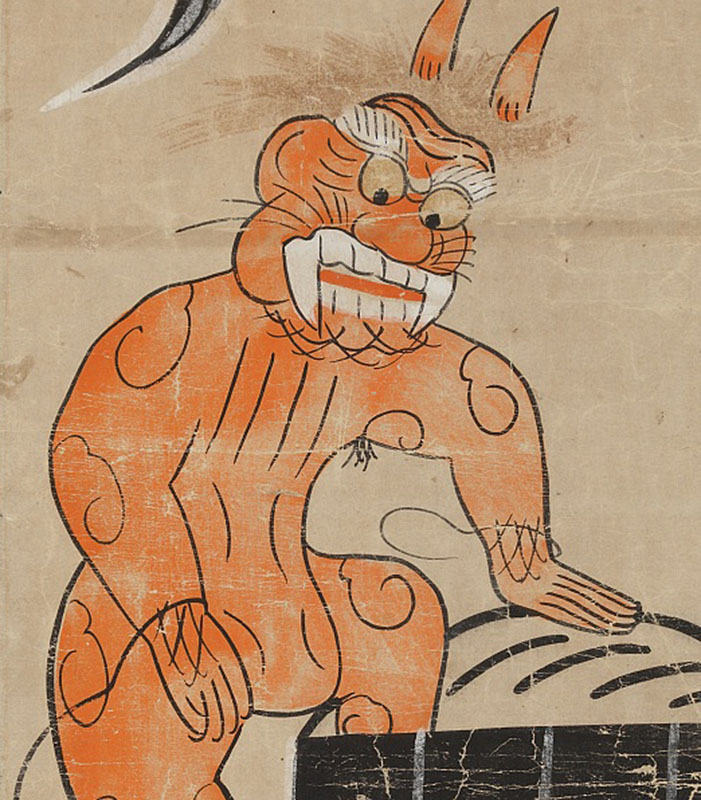
Past exhibitions
- Textiles of Ryukyu KingdomAug 22 – Nov 3, 2026
Related knowledge cards
- MingeiA word coined in 1925 by Yanagi Sōetsu and his friends for everyday things made by unnamed craftspeople, and for the movement that found beauty in them.
- Dyed and woven patternsA pattern on cloth comes either from colored threads woven in on the loom (weaving), or from dyeing or printing the finished cloth (dyeing).