SOMPO Museum of Art
Japanese original:
SOMPO美術館
Opened in 1976 as the Seiji Togo Museum on the 42nd floor of Yasuda Fire and Marine Insurance's Shinjuku headquarters, built on works and a collection given by the painter Togo Seiji. In 1987 the company bought Van Gogh's Sunflowers at auction for about 5.3 billion yen; it remains the museum's best-known work. In 2020 it was renamed the SOMPO Museum of Art and moved into a new building of its own beside the headquarters.
- Area
- Shinjuku & Hatsudai
- Address
- 東京都新宿区西新宿1-26-1
- Getting there
- 5 min walk from the West Exit, JR Shinjuku Station
- Hours
- 10:00–18:00
- Closed
- Mon
- Admission
- Prices vary by exhibition; free for high school students and younger (junior and senior high school students should show a student ID); the museum shop can be visited free of charge
Regular closing days only. For public holidays, please check each venue's notices.
Directions and admission checked against the venue's website on Oct 20, 2026.
First visit
- Photography is generally not allowed on the gallery floors; exhibitions that allow it say so on their pages.
- No food or drink on the gallery floors, including gum and sweets; keep bottles in your bag.
- Only pencils; no colored or mechanical pencils.
From the venue's visitor guidelines, checked on Oct 21, 2026.
Guided tours
School groups can visit by sending a FAX application at least 5 days before the visit; accompanying teachers are free, and visitors in high school or younger are admitted free.
- GroupsSchool groups can visit by sending a FAX application at least 5 days before the visit; accompanying teachers are free, and visitors in high school or younger are admitted free.
Source: SOMPO美術館 教育普及. From the venue's and organizer's announcements. Schedules, languages and fees can change; please check the official site before your visit.
On now and coming up
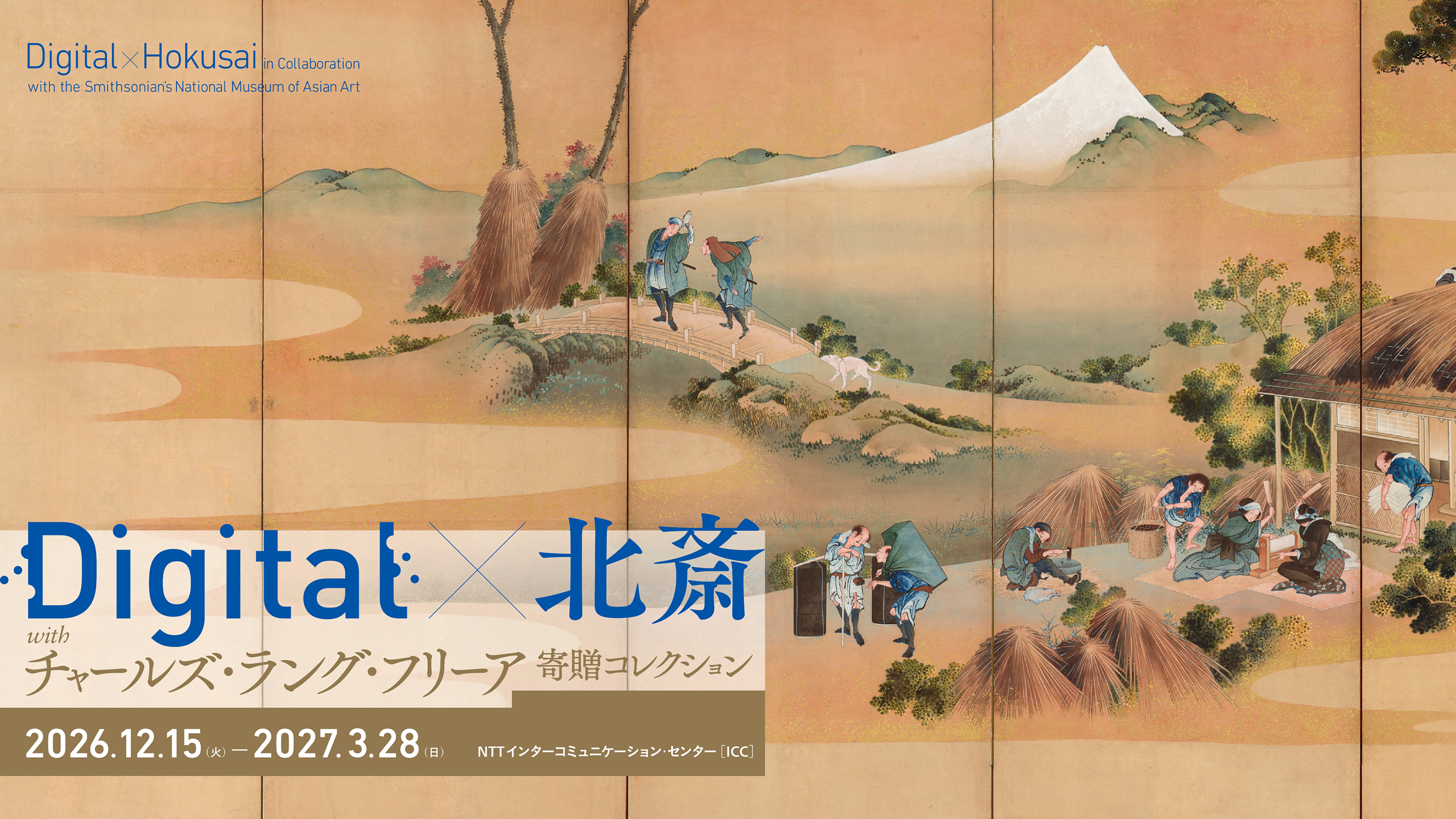
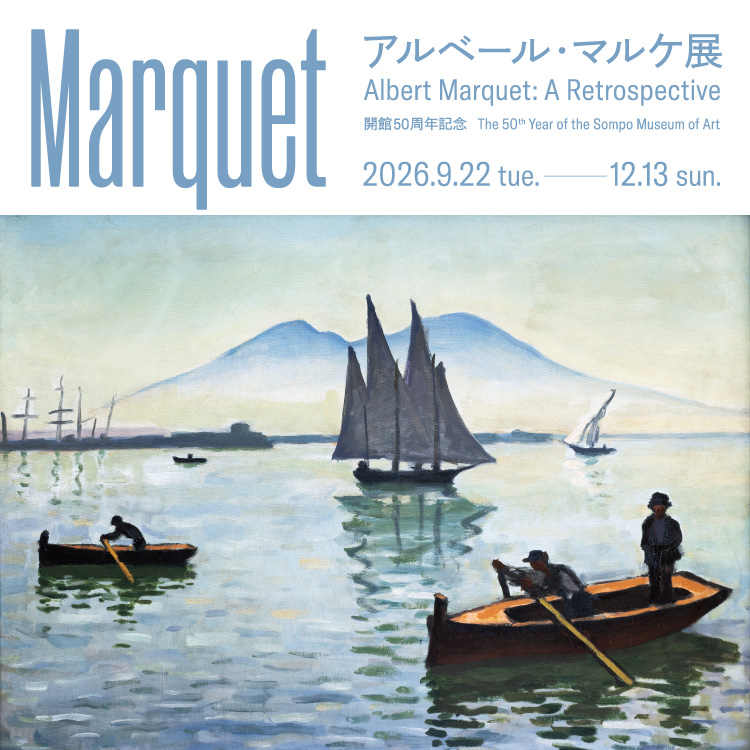
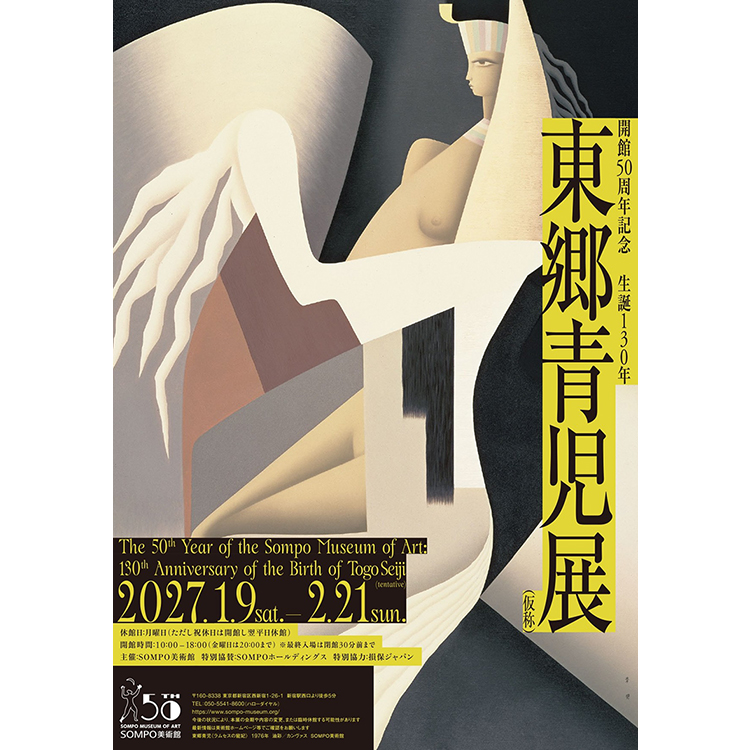
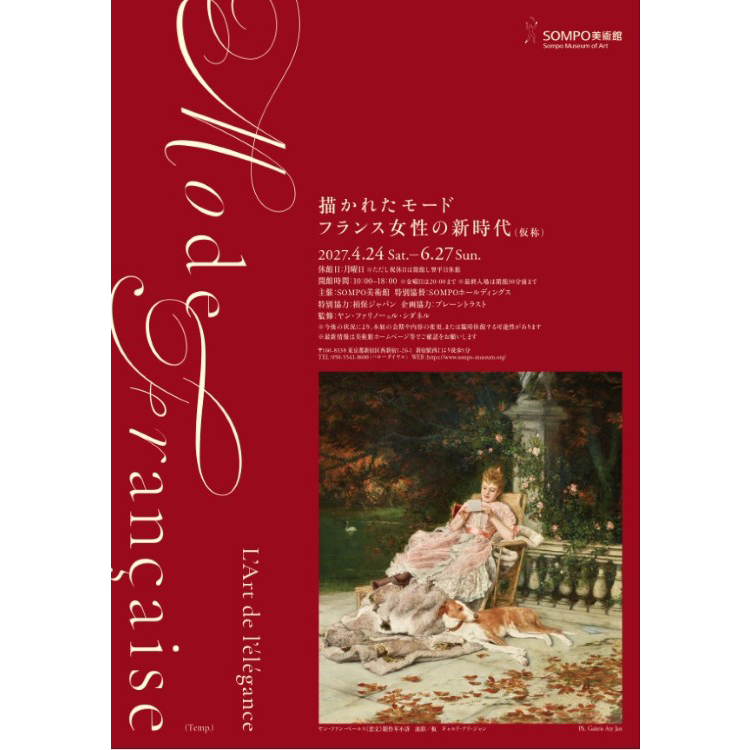
Exhibitions (Open now 1 · Opening soon 2)
The Japanese original of each title and venue name is shown in gray below it.
Related knowledge cards
- YōgaOil painting brought to Japan from Europe from the 1870s, also called Western painting, and the work Japanese painters made in it.
- JaponismeThe wave, in the late nineteenth century, in which Japanese prints and crafts reached Europe and Western artists learned from their composition and color.
- FauvismA way of painting that arose in France at the start of the 20th century, using strong pure colors and free brushwork instead of the colors the eye sees.
- Illustration (sashie)Pictures made for printed matter such as books, magazines, newspapers, and sheet music; in Japan they were called sashie, and the word “illustration” came into use from the late 1950s.
- Women's fashion silhouettesThe outline of women's dress changed greatly from one period to the next, and the waistline and the spread of the skirt show the change.
- Retrospective exhibitionsA retrospective brings together work and records from across an artist's career so that a body of work can be seen in sequence and from more than one angle.