56 days left#Painting
Park Seo-Bo & Huong Dodinh: Emptiness Fullness
Korean original:
박서보와 흐엉 도딘 : 비움 그 충만
The opening exhibition of the Park Seo-Bo Museum sets Park Seo-Bo (1931–2023) beside Huong Dodinh (b. 1945), who was born in Vietnam and has worked in France, in 42 paintings. Park drew lines again and again over surfaces layered with hanji (Korean mulberry paper); Dodinh builds up dozens of coats of mineral pigment. The show begins in the second basement with works by both from the 1990s and ends on the third floor with their white paintings.
Featured in: Seoul Anthology: December · Seoul Winter Exhibitions 2026–27
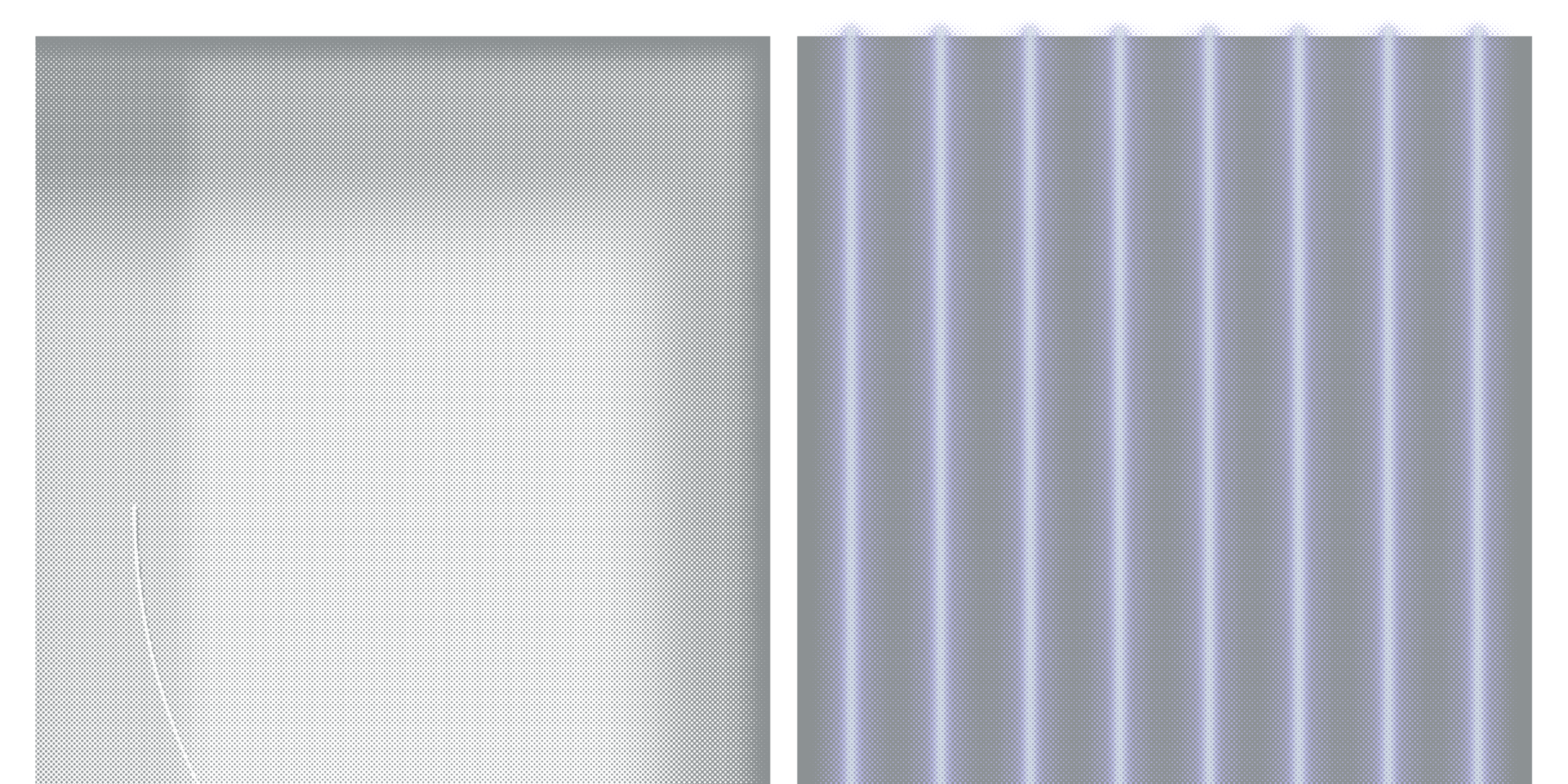
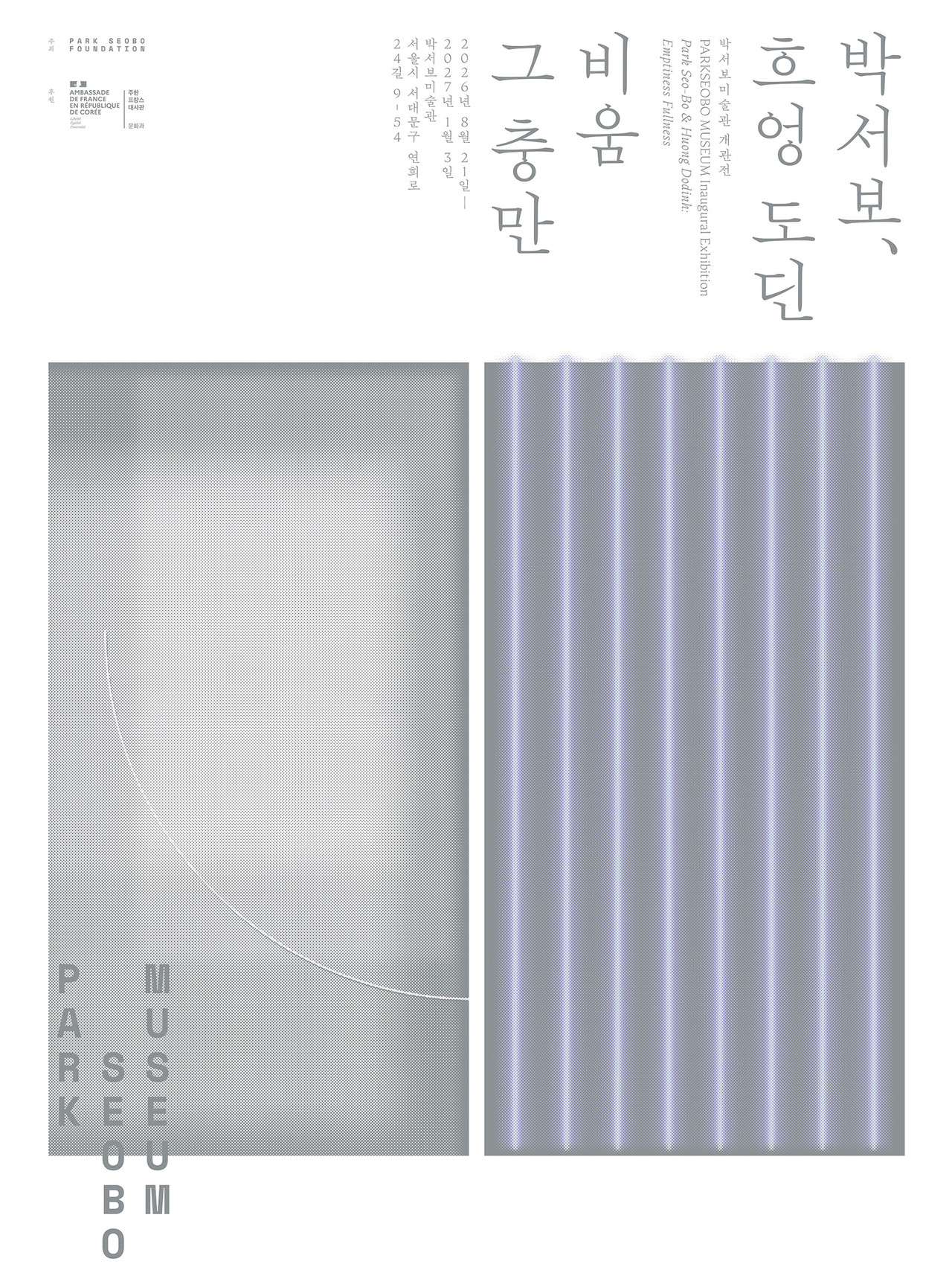
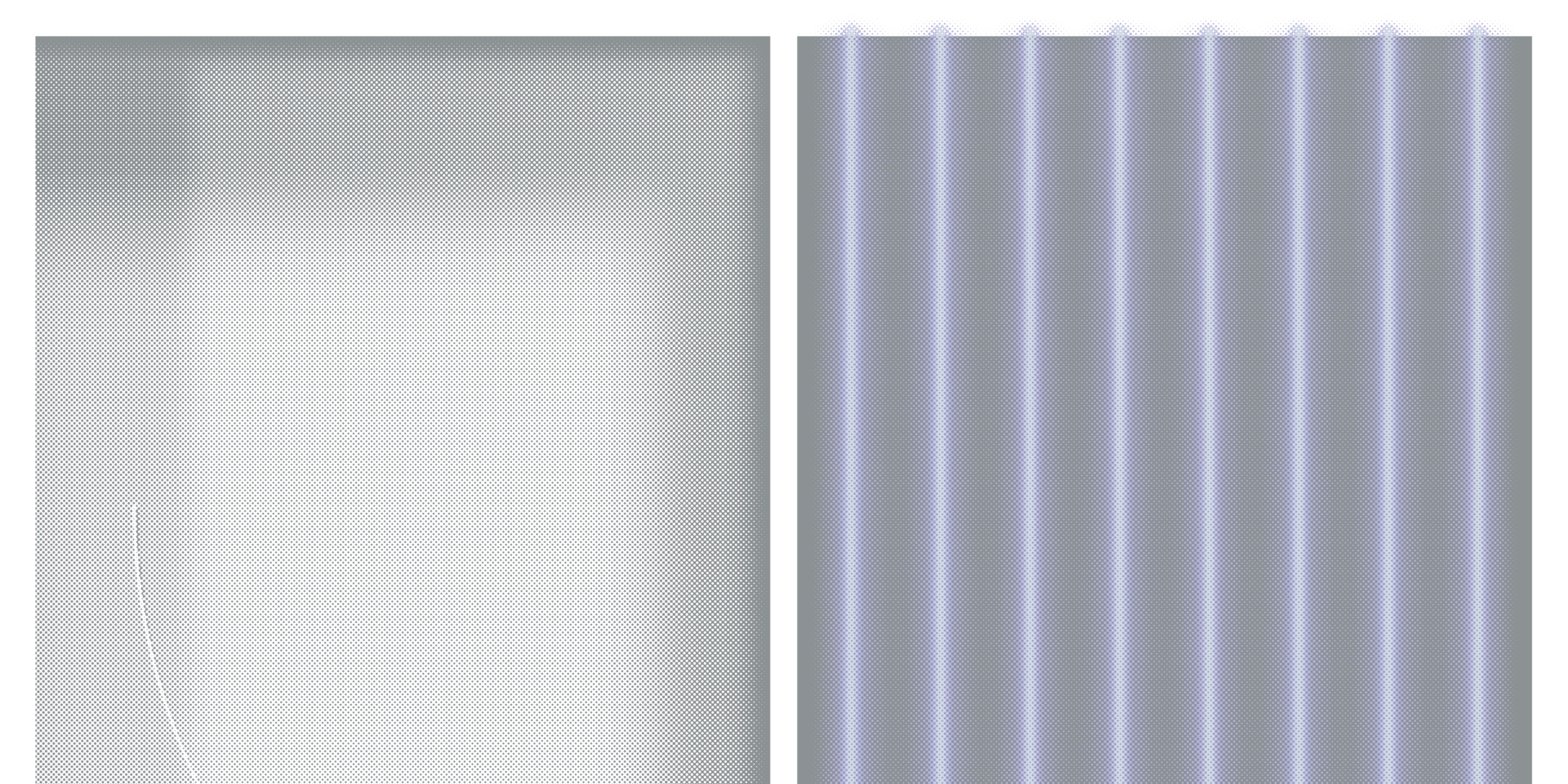
1 / 3 Image: Park Seo-Bo Museum
- Dates
- Aug 21, 2026 – Jan 3, 2027
- Venue
- Park Seo-Bo Museum (박서보미술관) · Seodaemun
- Address
- 서울특별시 서대문구 연희로24길 9-54Open in Naver MapOpen in Google Maps
- Admission
- ₩5,000Original: 5,000원
Visit planning
The calendar entry covers the whole run of the exhibition. Please check opening hours and closing days before your visit.
Guided tours
Park Seo-Bo Museum runs daily docent tours (도슨트 투어): Tuesday to Friday at 14:00 and 16:00, Saturday and Sunday at 12:00, 14:00 and 16:00. Walk-ins are welcome.
- TourPark Seo-Bo Museum runs daily docent tours (도슨트 투어): Tuesday to Friday at 14:00 and 16:00, Saturday and Sunday at 12:00, 14:00 and 16:00. Walk-ins are welcome.
Source: 박서보미술관. From the venue's and organizer's announcements. Schedules, languages and fees can change; please check the official site before your visit.
Related exhibitions
Same genre · Painting


Credits
- Artists
- 박서보, 흐엉 도딘
Knowledge cards
Écriture〈묘법〉Park Seo-bo's series from the late 1960s to his last years, built from repeated lines.Read moreClose
01About
In 1967 Park Seo-bo watched his three-year-old son struggling to write within the squares of a practice sheet, and the idea began there. Early Écriture paintings are pencil lines drawn over and over into wet oil paint; from the 1980s he used hanji, laying damp paper on the canvas and pushing it into ridges with his hands and tools; from the 2000s the works turned to vivid color, known as Color Écriture. The materials changed across the three periods, while the repeated gesture stayed at the heart of the work.
02In the gallery
First tell which period the work in front of you belongs to: pencil lines, ridges of hanji, or vivid color.
Wall label terms in Korean
- 묘법
- Écriture
- 색채 묘법
- Color Écriture
- 한지
- Hanji
03Notes
Across its three periods Myobeop changes materials, but never the repeated gesture.
This time, at Park Seo-Bo & Huong Dodinh: Emptiness Fullness —
When one gesture is repeated a thousand times, what do you feel is left?
04Related
Dansaekhwa단색화Abstract painting that emerged in Korea from the 1970s, marked by a single tone and repeated making.Read moreClose
01About
These paintings depict no particular subject; what matters is how they are made. One action is repeated, and the traces it leaves become the work. Park Seo-bo's Écriture began with pencil lines drawn again and again into wet paint, and from the 1980s pushed ridges into damp hanji; Yun Hyong-keun let thinned paint seep slowly into linen and called it “Heaven and Earth.” The name Dansaekhwa was only proposed in 2000, as a way to group these works together.
02In the gallery
Look closely at the surface first, then step back and take in the whole field of color.
Wall label terms in Korean
03Notes
Dansaekhwa depicts no objects; what it shows is the trace of a gesture made again and again.
This time, at Park Seo-Bo & Huong Dodinh: Emptiness Fullness —
Up close, what traces of repetition can you see?
04Related
Other cards (1)Hide other cards
Hanji한지Traditional Korean paper made from the inner bark of the paper mulberry; its long fibers make it soft yet strong.Read moreClose
01About
In winter, one-year-old branches of paper mulberry are cut and steamed, and the inner bark is stripped off, boiled in lye from plant ash, bleached in the sun, and beaten into fiber; the paper is then lifted from water again and again on a bamboo screen. No chemical bleach is used, and the long fibers interlock, so the paper is soft yet hard to tear, and can take in water, be crumpled, and be layered. From the 1980s Park Seo-bo laid hanji on canvas and, while it was wet, pushed it into ridges with his hands and tools, giving Écriture its look from that decade on. Kim Tschang-yeul also painted water drops on hanji; in damp France, he said, the pulp was slow to dry, so most of this work was made in the studio he built in Pyeongchang-dong, Seoul, in 1988.
02In the gallery
Stand to the side of a work on hanji and look at the paper's surface: its fibers and ridges, such as the marks in Écriture where wet hanji was pushed aside and left to dry.
Wall label terms in Korean
- 한지
- Hanji
- 닥나무
- Paper mulberry
- 묘법
- Écriture
03Notes
Hanji's long fibres make it soft yet strong: it can soak up water, crumple, and be layered.
This time, at Park Seo-Bo & Huong Dodinh: Emptiness Fullness —
In the work, is the paper a material, or the picture itself?