58 days left#Painting
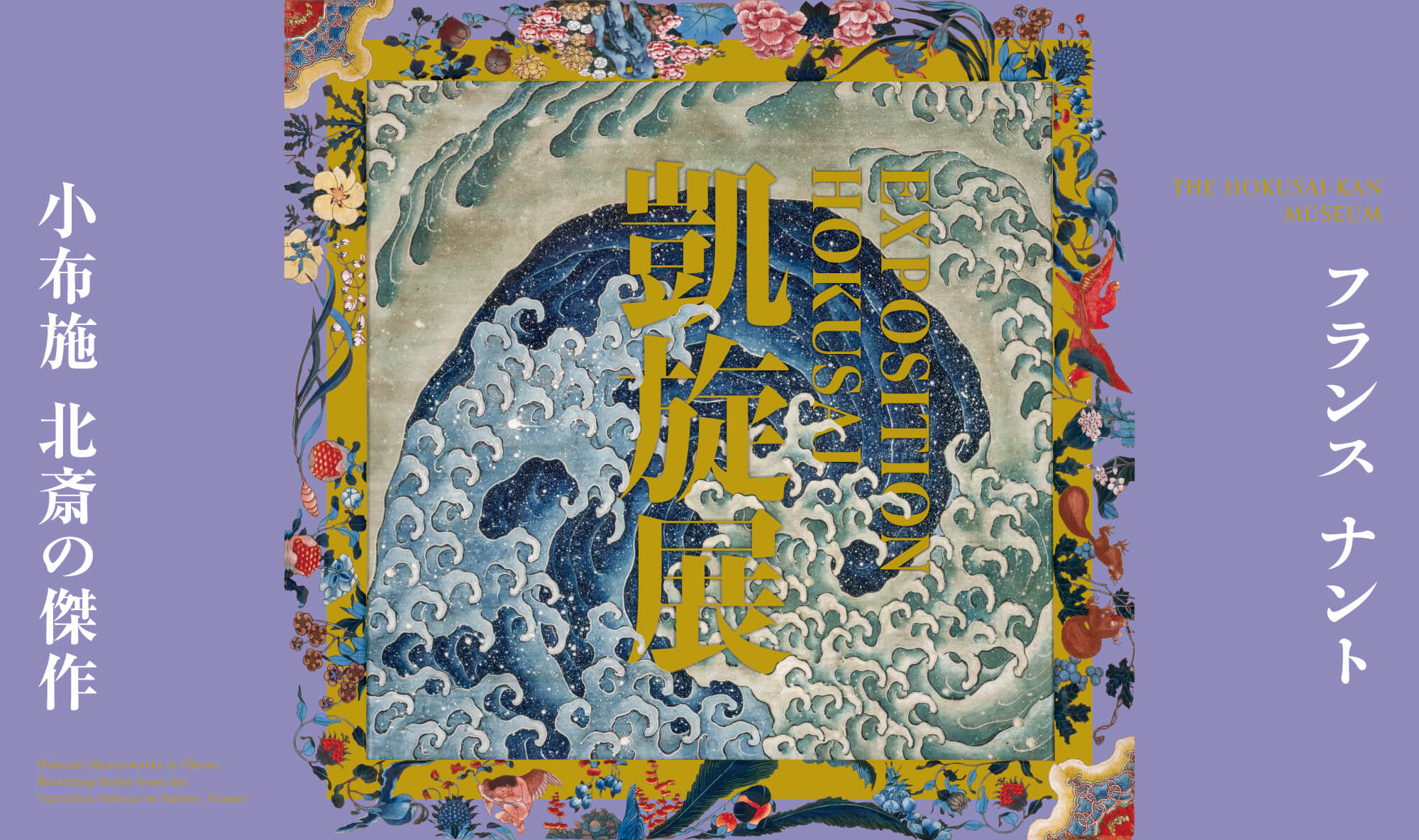
Homecoming of EXPOSITION HOKUSAI from Nantes, France: Masterpieces of Hokusai in Obuse
Japanese original:
フランス ナント『EXPOSITION HOKUSAI』凱旋展 小布施 北斎の傑作
EXPOSITION HOKUSAI, held in 2025 at the Castle of the Dukes of Brittany in Nantes, France, drew about 150,000 visitors according to the museum, and now returns to Obuse with about 160 works from the Hokusai-kan collection. It shows woodblock prints such as Thirty-Six Views of Mount Fuji, Remarkable Views of Bridges in Various Provinces and A Tour of Waterfalls in the Provinces, early actor prints and surimono, and hand-painted works including Woman with Umbrella under a Willow and Dragon over Mount Fuji, with a section on Nantes and the collections of its history museum. First half to 6 December, second half from 9 December; on 7–8 December only the festival float room is open.
Featured in: Exhibitions Beyond Tokyo 2026–27
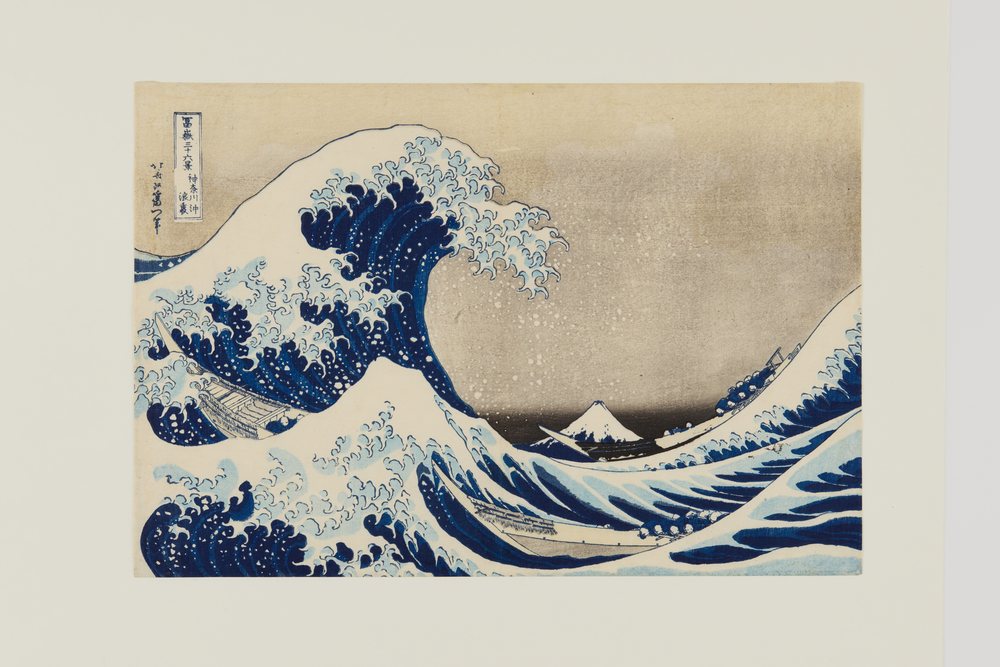
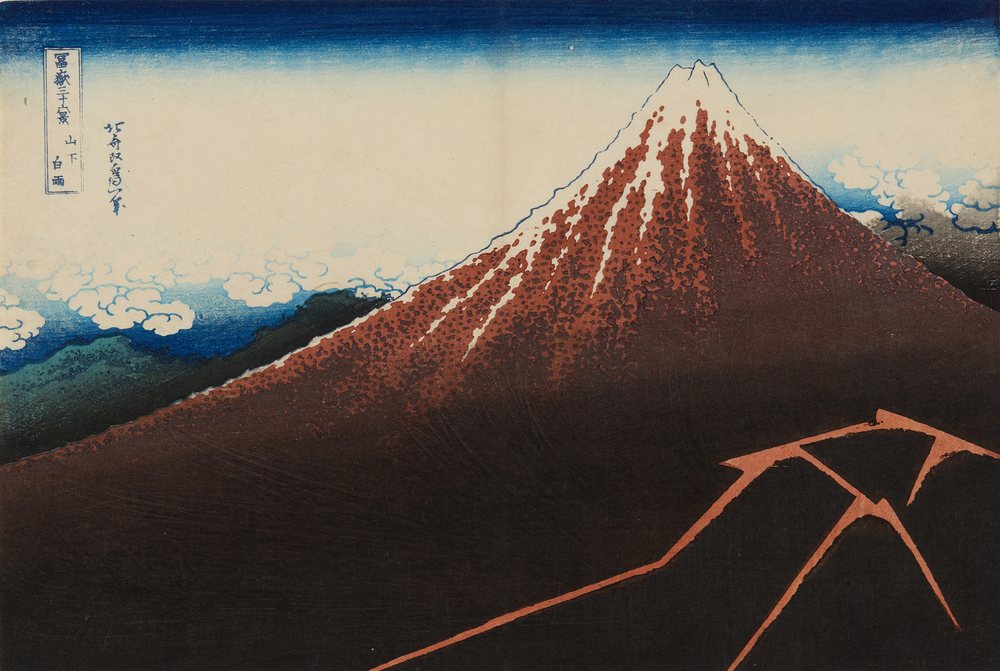
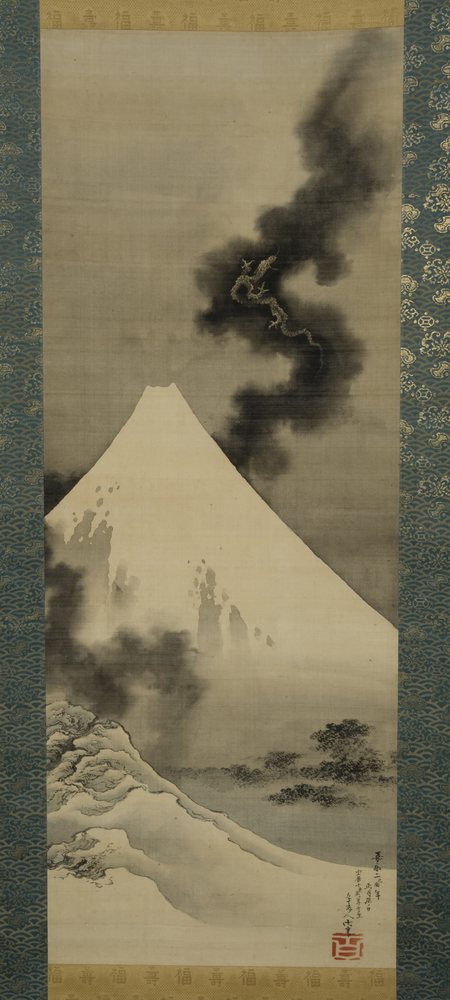
1 / 4 Image: 北斎館
- Dates
- Oct 24, 2026 – Jan 17, 2027
- Venue
- Hokusai Museum (北斎館) · Nagano長野県上高井郡小布施町大字小布施485
Getting there
From the Zenkoji exit of JR Nagano Station, take the Nagano Electric Railway (about 20 min by limited express, 30 min by local) to Obuse Station, then walk about 12 minutes; by car, about 8 minutes from the Obuse PA Smart IC on the Joshinetsu Expressway
- Hours
- 09:00–17:00
- Admission
- General ¥1,200Original: 一般 1,200円
- Artists
- Curators
- Arai Miyuki
- Organized by
The calendar entry covers the whole run, so you won't need to look the dates up again. Please check opening hours and closing days before your visit.
Entry notes
Open 9:00–17:00 with last entry at 16:30. Admission is ¥1,200 for adults, ¥500 for high school and university students and ¥300 for elementary and junior high school students. A parking lot next to the museum charges ¥200 for the first hour and ¥100 per hour after that for standard cars.
- Open 9:00–17:00 with last entry at 16:30. Admission is ¥1,200 for adults, ¥500 for high school and university students and ¥300 for elementary and junior high school students. A parking lot next to the museum charges ¥200 for the first hour and ¥100 per hour after that for standard cars. (Source: 小布施 北斎館:企画展, 2026)
From the organizer's announcements and press reports. Arrangements can change; please check the official site before your visit.
Guided tours
Curator gallery talks: Saturday 14 Nov and Sunday 22 Nov 2026, each from 14:00, about one hour; meet in the corridor in front of the Video Hall inside the exhibition. Free with admission; no reservation needed. Language and capacity are not stated.
- TourCurator gallery talks: Saturday 14 Nov and Sunday 22 Nov 2026, each from 14:00, about one hour; meet in the corridor in front of the Video Hall inside the exhibition. Free with admission; no reservation needed. Language and capacity are not stated.
- TalkDec 20 (Sun)Curator mini-lecture 'How EXPOSITION HOKUSAI Came About': Sunday, 20 Dec 2026, 14:00–16:00, by 荒井美礼 (curator of this exhibition), in the second-floor meeting room. ¥500 per person (exhibition admission included); elementary school age and up, with a guardian for elementary pupils; 20 places; applications open from 14 Nov 10:00. Language not stated.
Source: 北斎館 ギャラリートーク, 北斎館 ミニ講演会. From the venue's and organizer's announcements. Schedules, languages and fees can change; please check the official site before your visit.
Knowledge cards
Woodblock prints木版画A print made from a carved block of wood: what is cut away stays blank, and only the raised surface takes the ink and prints.Read moreClose
01About
A woodblock print is a relief print: the image is cut into a block of wood, the parts meant to print are left level with the surface, and the rest is removed. The cut-away areas carry no ink. The raised surface is inked, and the paper laid on it is pressed or rubbed, often with a hand tool called a baren. Traditional Japanese prints are cut on cherry wood and printed with water-based inks, where Western woodcut typically uses oil-based ones. Early Japanese prints were mostly monochrome, in black ink only. Colour came by cutting one block for each colour and lining the blocks up with registration marks called kentō, as in ukiyo-e prints. From the late Meiji period, artists who carved and printed their own blocks began to make what are called creative prints.
02In the gallery
Look closely at where black meets white and find the lines the knife left. Then step back and see how the black areas and the blank paper build the whole picture.
Wall label terms in Japanese
- 凸版
- Relief printing
- 馬連(ばれん)
- Baren
- 見当
- Registration mark
- 創作版画
- Creative prints
03Notes
A woodblock print is read through what the knife left behind: cut-away places stay white, raised places carry the ink.
This time, at Homecoming of EXPOSITION HOKUSAI from Nantes, France: Masterpieces of Hokusai in Obuse —
Is the thin line you are looking at a white line the knife cut, or a black line left standing?
04Related
Ukiyo-e浮世絵Pictures of the life of the day, popular in Japan from the 17th to the 19th century; most are woodblock prints.Read moreClose
01About
“Ukiyo” means the floating world, the world of the present. Subjects include beautiful women, kabuki actors, sumo wrestlers, scenes from history, and famous places; around the 1830s Katsushika Hokusai and Utagawa Hiroshige made landscape a genre of its own. A few are paintings by the artist's own hand, but most are prints, made by four people in turn: the publisher paid, the designer drew, the carver cut the blocks, and the printer printed. Early prints used black ink alone; around 1765, exchanging calendar prints in many colors became a fashion, publishers then sold such prints as nishiki-e, “brocade pictures,” and full-color printing spread.
02In the gallery
In front of a print, find an edge where two colors meet. Each color has its own block; the printer lines the paper up with the registration marks cut into the block and prints from light colors to dark, one over another.
Wall label terms in Japanese
- 浮世絵
- Ukiyo-e
- 錦絵
- Nishiki-e (full-color print)
- 肉筆画
- Painting (by the artist's hand)
- 見当
- Registration mark
03Notes
Ukiyo-e landscapes often tell the season with mist, rain, snow, and moonlight.
This time, at Homecoming of EXPOSITION HOKUSAI from Nantes, France: Masterpieces of Hokusai in Obuse —
Where in the picture do you feel the season, or the hour?


