Opens in 117 days#Painting
Hayami Gyoshu: A Nihonga Innovator
Japanese original:
斬新!速水御舟
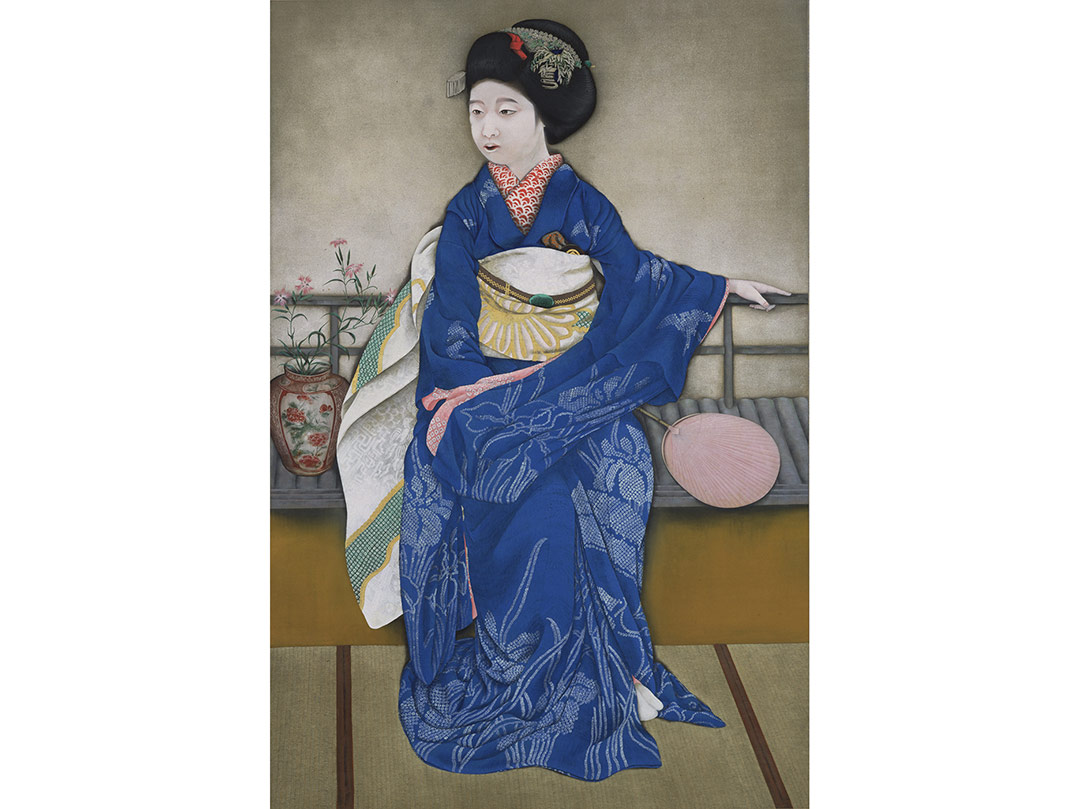
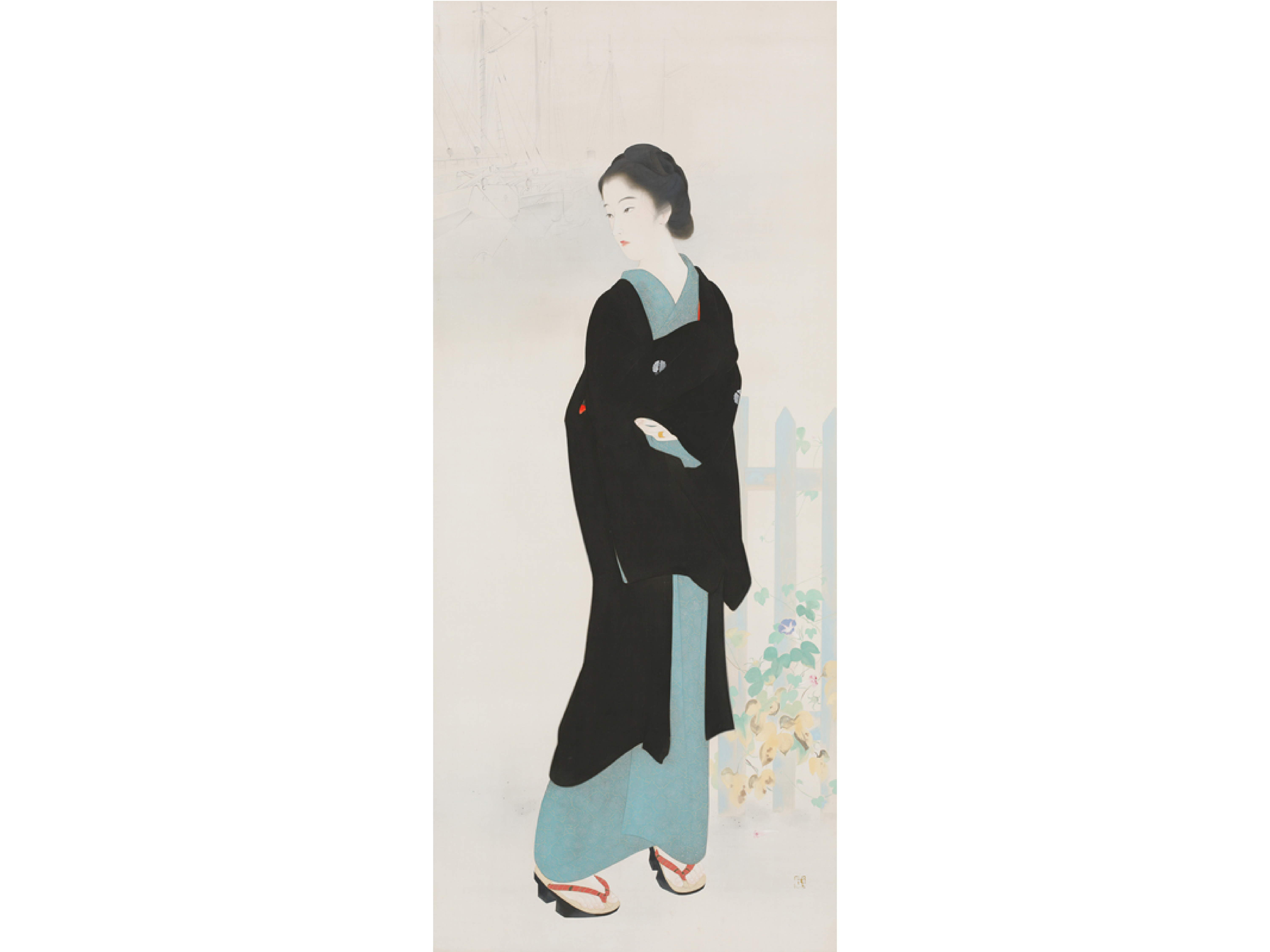
Hayami Gyoshū (1894–1935), a Nihonga painter of the Taishō and early Shōwa eras, cannot be summed up by a single work: his meticulous realism overturned the conventions of Japanese painting, and Maiko of Kyoto (1920) even drew criticism; later, turning avant-garde, he tried to express truth without looking at his subject. Having spent years organising his diaries, letters, and reference materials, the National Museum of Modern Art, Tokyo gathers about 100 works from across Japan to reread his boldness in four chapters.
- Dates
- Mar 19 – May 9, 2027
- Venue
- The National Museum of Modern Art, Tokyo (東京国立近代美術館) · Takebashi & Kitanomaru Park東京都千代田区北の丸公園3-1
Getting there
3 min walk from Exit 1b, Takebashi Station (Tokyo Metro Tozai Line)
- Hours
- 10:00–17:00 · Closed: Mon
The calendar entry starts on opening day and covers the whole run, so you won't need to look the dates up again. Please check opening hours and closing days before your visit.
Entry notes
The exhibition runs from 19 March to 9 May 2027 in the first-floor Special Exhibition Gallery of the National Museum of Modern Art, Tokyo. Open 10:00–17:00 (until 20:00 on Fridays and Saturdays), with entry until 30 minutes before closing. Closed on Mondays, except that it opens on 22 March, 29 March and 3 May, and it is also closed on 23 March and 6 May. The official page had not published ticket prices or sales details as of the check date.
- The exhibition runs from 19 March to 9 May 2027 in the first-floor Special Exhibition Gallery of the National Museum of Modern Art, Tokyo. Open 10:00–17:00 (until 20:00 on Fridays and Saturdays), with entry until 30 minutes before closing. Closed on Mondays, except that it opens on 22 March, 29 March and 3 May, and it is also closed on 23 March and 6 May. The official page had not published ticket prices or sales details as of the check date. (Source: 東京国立近代美術館:斬新!速水御舟, 2026)
From the organizer's announcements and press reports. Arrangements can change; please check the official site before your visit.
Knowledge cards
Nihonga日本画A name that arose in the Meiji era to set Japanese painting apart from oil painting from Europe; it is mostly painted with mineral pigments, ink, and animal glue on silk or Japanese paper.Read moreClose
01About
When oil painting arrived from Europe in the 1870s it was called Western painting, or yōga; the painting Japan already had came to be called nihonga. The word first appeared in 1882, as the translation of “Japanese painting” in Ernest Fenollosa's lecture The True Theory of Art. The Tokyo Fine Arts School, opened in 1889, taught only nihonga and no Western painting. Its main pigments are grains of crushed minerals, which do not stick on their own and are mixed with animal glue; it is mostly painted on silk or Japanese paper. The Yamatane Museum of Art, opened in 1966, was the first museum in Japan devoted to nihonga.
02In the gallery
Look at the surface from an angle: the coarser the mineral grains, the darker and more vivid the color; the finer, the paler and whiter.
Wall label terms in Japanese
- 日本画
- Nihonga
- 岩絵具
- Mineral pigment
- 膠
- Animal glue
- 絹本
- On silk
03Notes
Nihonga uses pigments ground from minerals, and the size of the grain changes how deep a colour looks.
This time, at Hayami Gyoshu: A Nihonga Innovator —
Does the same color look the same in different parts of the picture?
04Related
Nearby, after this one
Same venue · The National Museum of Modern Art, Tokyo
Same neighborhood · Takebashi & Kitanomaru Park
Shows open on the same days as this one are listed first (regular closing days only).