Mitsui Memorial Museum
Japanese original:
三井記念美術館
A private museum of heirlooms of the Mitsui family, run by the Mitsui Bunko and opened in 2005 on the seventh floor of the Mitsui Main Building in Nihonbashi, an Important Cultural Property. Its roughly 4,000 objects are strong in tea utensils and include six National Treasures, among them Maruyama Okyo's Pine Trees in Snow, painted for the Mitsui family, and the Shino tea bowl Unohanagaki.
- Address
- 東京都中央区日本橋室町2-1-1 三井本館7階
- Getting there
- 1 min walk from Exit A7, Mitsukoshimae Station (Tokyo Metro Ginza Line)
- Hours
- 10:00–17:00
- Closed
- Mon
- Admission
- Prices vary by exhibition; free for junior high school students and younger
Regular closing days only. For public holidays, please check each venue's notices.
Directions and admission checked against the venue's website on Oct 20, 2026.
First visit
- Audio recording, photos and video are not allowed in the galleries (some exhibitions open certain works or rooms to photography).
- Only pencils may be used for writing, and copying or sketching in the galleries is not allowed except at the museum's own events.
- The galleries are kept at a constant temperature to protect the works and can feel cold, so bring a jacket.
From the venue's visitor guidelines, checked on Nov 3, 2026.
On now and coming up
Exhibitions (Open now 1 · Opening soon 2)
The Japanese original of each title and venue name is shown in gray below it.
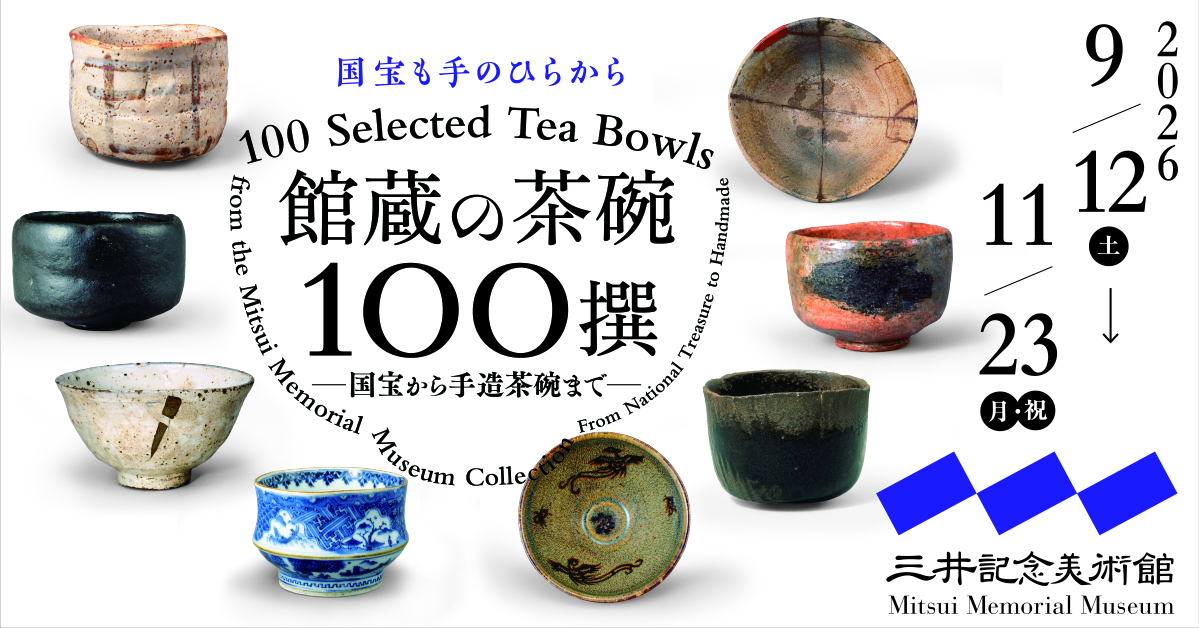
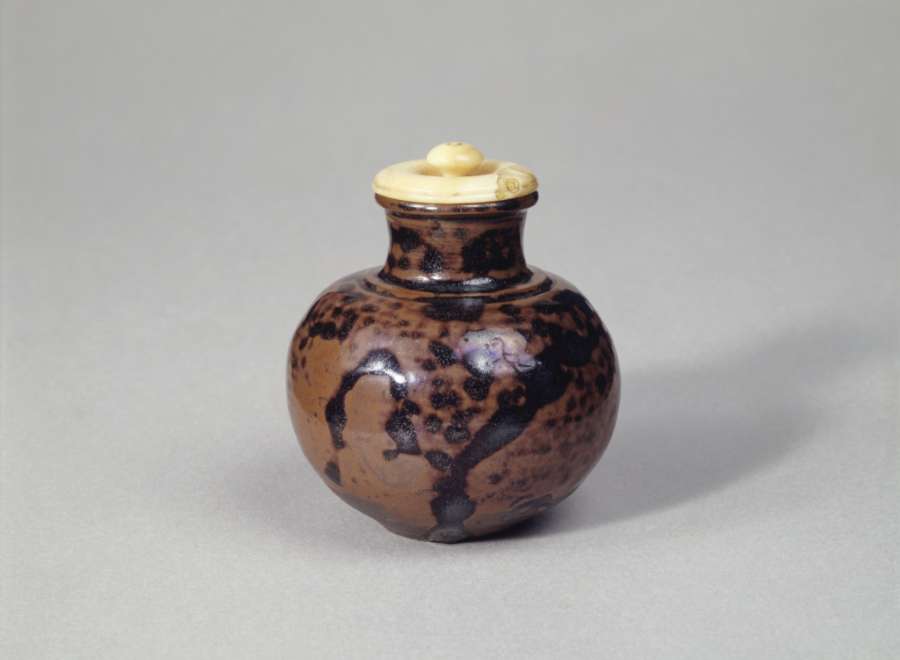
Related knowledge cards
- Tea bowlThe bowl in which powdered tea is whisked and drunk in the tea ceremony; by origin it is called karamono (Chinese), kōraimono (Korean), or wamono (Japanese).
- National Treasures and Important Cultural PropertiesJapan designates important tangible cultural properties as Important Cultural Properties, and selects especially valuable ones among them as National Treasures.
- Maruyama–Shijō schoolA school of painting begun in mid-Edo Kyoto by Maruyama Ōkyo and Goshun; it valued sketching from life and led on to the nihonga of modern Kyoto.
- Hina dollsDolls displayed for the Doll Festival on 3 March; most represent the wedding of a male and a female doll, with costumes and furnishings in the style of the court nobility.
- Chanoyu (tea ceremony)The Japanese practice of whisking powdered green tea for guests, in which the room, the utensils, and the host's care all belong to the occasion.
- Mei: the name of a tea utensilA name given to one especially fine utensil such as a tea bowl or tea caddy; in a work's title it follows the word mei (銘).