Ends tomorrow#Craft
100 Selected Tea Bowls from the Mitsui Memorial Museum Collection: From National Treasure to Handmade
Japanese original:
館蔵の茶碗100撰 ―国宝から手造茶碗まで―
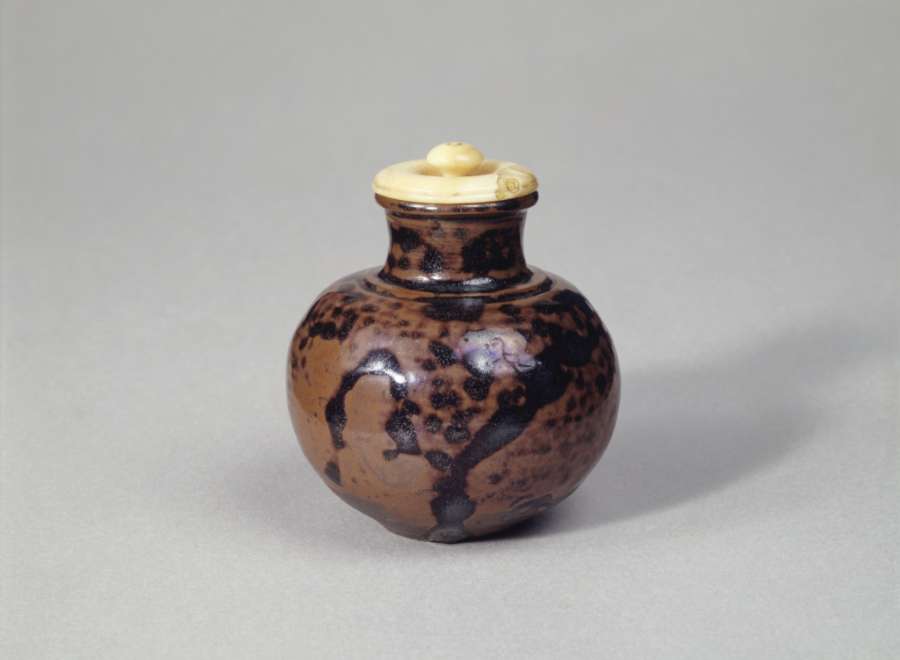
The Mitsui family collected tea bowls for more than three centuries, from the Edo to the Shōwa period, and over 200 of them are now at the Mitsui Memorial Museum. This show selects 100, including all five Important Cultural Properties in the collection: a Southern Song Jizhou-ware tortoiseshell bowl (Ran tenmoku), the Miyoshi kohiki bowl, Chōjirō's black Raku bowl Shunkan, Dōnyū's red Raku bowl Nue, and the black Raku bowl Amagumo made by Hon'ami Kōetsu's own hand. The museum last showed its tea bowls in 1995.
1 / 4 Image: Mitsui Memorial Museum
- Dates
- Sep 12 – Nov 23, 2026
- Venue
- Mitsui Memorial Museum (三井記念美術館) · Chuo東京都中央区日本橋室町2-1-1 三井本館7階
Getting there
1 min walk from Exit A7, Mitsukoshimae Station (Tokyo Metro Ginza Line)
- Hours
- 10:00–17:00 · Closed: Mon
- Admission
- General ¥1,200Original: 一般 1,200円
- Organized by
The calendar entry covers the whole run, so you won't need to look the dates up again. Please check opening hours and closing days before your visit.
Booking
No booking needed.
No booking needed.
From the venue's announcements, checked Nov 20, 2026. Slots and availability can change; please check the official page before you book. Source: 三井記念美術館 公式
Entry notes
No reservation is needed to enter; to avoid crowding in the galleries, entry may be restricted.
- No reservation is needed to enter; to avoid crowding in the galleries, entry may be restricted. (Source: 三井記念美術館, 2026)
From the organizer's announcements and press reports. Arrangements can change; please check the official site before your visit.
Guided tours
Audio guide: rental ¥800, Japanese only, narrated by voice actor 保村真. How and where to borrow it is not stated on the page.
- Audio guideAudio guide: rental ¥800, Japanese only, narrated by voice actor 保村真. How and where to borrow it is not stated on the page.
Source: 三井記念美術館 展覧会ページ. From the venue's and organizer's announcements. Schedules, languages and fees can change; please check the official site before your visit.
Knowledge cards
Chanoyu (tea ceremony)茶の湯The Japanese practice of whisking powdered green tea for guests, in which the room, the utensils, and the host's care all belong to the occasion.Read moreClose
01About
Drinking powdered tea came to Japan from Song-dynasty China. Around the 12th century, Zen monks who studied there learned the new way of drinking tea, and it spread among Zen temples and samurai families, who showed their standing by furnishing the tea room with fine Chinese objects called karamono. In the Muromachi period, Murata Jukō turned to Japanese-made utensils too and found beauty in what is lacking; Takeno Jōō simplified this further into “wabi tea,” and the tea room became a small, farmhouse-like space. In the 16th century Sen no Rikyū perfected wabi tea, setting Chinese works beside humble everyday utensils, and tea spread to townspeople. The seven rules handed down as Rikyū's words are plain: make the tea so that it tastes good, lay the charcoal so that the water boils, cool in summer and warm in winter, flowers as they are in the field. For the bowl, see tea bowls; for the taste behind wabi, wabi-sabi.
02In the gallery
Read the name (mei) on a tea utensil's label. Many are named for a scene or story someone saw in the glaze or shape of the piece.
Wall label terms in Japanese
- 茶の湯
- Chanoyu (tea ceremony)
- わび茶
- Wabi tea
- 唐物
- Karamono (Chinese import)
- 銘
- Mei (name given to a utensil)
- 利休七則
- Rikyū's seven rules
03Notes
In chanoyu the season is expressed through choices: words hung in the alcove in summer, warm sweets in winter.
This time, at 100 Selected Tea Bowls from the Mitsui Memorial Museum Collection: From National Treasure to Handmade —
Which thing in front of you makes you feel a season?
04Related
Mei: the name of a tea utensil銘(茶道具の名前)A name given to one especially fine utensil such as a tea bowl or tea caddy; in a work's title it follows the word mei (銘).Read moreClose
01About
Among tea utensils such as the tea bowl, some carry a name of their own beyond a type such as “black Raku tea bowl”; this name is called mei (銘). In an exhibition's work titles it appears as Black Raku Tea Bowl, Mei Shunkan: the type, then the word mei and the name. Dictionaries describe a mei as a particular name given to an especially fine utensil, tea, sake and the like. Mitsui Memorial Museum's 100 Selected Tea Bowls from the Museum's Collection includes the National Treasure Shino Tea Bowl, Mei Unohanagaki, and the Important Cultural Properties Black Raku Tea Bowl, Mei Shunkan, Red Raku Tea Bowl, Mei Nue, and Black Raku Tea Bowl, Mei Amagumo; Large Ido Tea Bowl, Mei Shumi, also lists a “second mei, Jūmonji”, so one piece can have two names. The Birth of Karamono at Sen-oku Hakukokan, Tokyo, has Bunrin Tea Caddy, Mei Wakakusa, Celadon Tea Bowl with Flower-Shaped Rim, Mei Bakōhan, and Small Ido Tea Bowl, Mei Rokujizō. Writing on the box that holds a piece, giving its name and the maker's signature, is called hakogaki; the museum says the hakogaki and the small shikishi card inscribed with a waka, both of Unohanagaki, are by Katagiri Sekishū.
02In the gallery
Read the name after the word mei in the work's title, then compare it with the bowl's colour and shape.
Wall label terms in Japanese
- 銘
- Mei (given name)
- 箱書
- Hakogaki (box inscription)
- 別銘
- Betsumei (second name)
- 茶入
- Chaire (tea caddy)
- 茶碗
- Tea bowl
03Notes
In tea, a fine utensil may be told apart from others by a name of its own, its mei.
This time, at 100 Selected Tea Bowls from the Mitsui Memorial Museum Collection: From National Treasure to Handmade —
If you named a tea bowl in a few words after its shape or colour, what would you call it?
04Related
Other cards (2)Hide other cards
Tea bowl茶碗The bowl in which powdered tea is whisked and drunk in the tea ceremony; by origin it is called karamono (Chinese), kōraimono (Korean), or wamono (Japanese).Read moreClose
01About
Tea bowls are thought to have reached Japan from China together with tea. In the Muromachi period, tenmoku bowls imported from Song China were treasured by tea masters; such continental objects used for and around tea were called karamono, and those singled out by the taste of the time came to be valued as meibutsu, “famous objects.” Later, everyday bowls of Joseon Korea were chosen by Japanese tea masters, put to use as tea bowls, and treasured; Ido bowls are one example. Japanese-made wamono include Raku, Hagi, Karatsu, Shino, and Oribe, and enthusiasts have a saying: “first Raku, second Hagi, third Karatsu.”
02In the gallery
Look at the bowl's outline from the side first, then at the inside and the foot ring underneath.
Wall label terms in Japanese
- 唐物
- Karamono (Chinese import)
- 天目
- Tenmoku
- 井戸茶碗
- Ido bowl
- 楽茶碗
- Raku bowl
03Notes
Some prized tea bowls began as everyday Korean bowls, chosen by Japanese tea masters.
This time, at 100 Selected Tea Bowls from the Mitsui Memorial Museum Collection: From National Treasure to Handmade —
Is a tea bowl made to be looked at, or to be used? What tells you?
04Related
National Treasures and Important Cultural Properties国宝と重要文化財Japan designates important tangible cultural properties as Important Cultural Properties, and selects especially valuable ones among them as National Treasures.Read moreClose
01About
The Agency for Cultural Affairs says that Japan designates important tangible cultural properties as Important Cultural Properties under the Law for the Protection of Cultural Properties, and designates those with exceptional value from the perspective of world culture as National Treasures. Tangible cultural properties include buildings, paintings, sculpture, crafts, calligraphy, books, historical documents, archaeological materials and historical materials; tangible cultural properties other than buildings are grouped as fine and applied arts. When you see either term, read the level first, then return to the work's date, materials, artist field and display; the designation is not the whole description of the work.
02In the gallery
After reading the designation, bring your eyes back to the work and its display conditions.
Wall label terms in Japanese
- 重要文化財
- Important Cultural Property
- 国宝
- National Treasure
- 有形文化財
- Tangible Cultural Property
03Notes
Notice the designation level before looking closer at the work.
This time, at 100 Selected Tea Bowls from the Mitsui Memorial Museum Collection: From National Treasure to Handmade —
In front of a designated work, which side of it do you notice first?