126 days left
Mariko Mori: All That Shines
Japanese original:
森万里子:燦燦
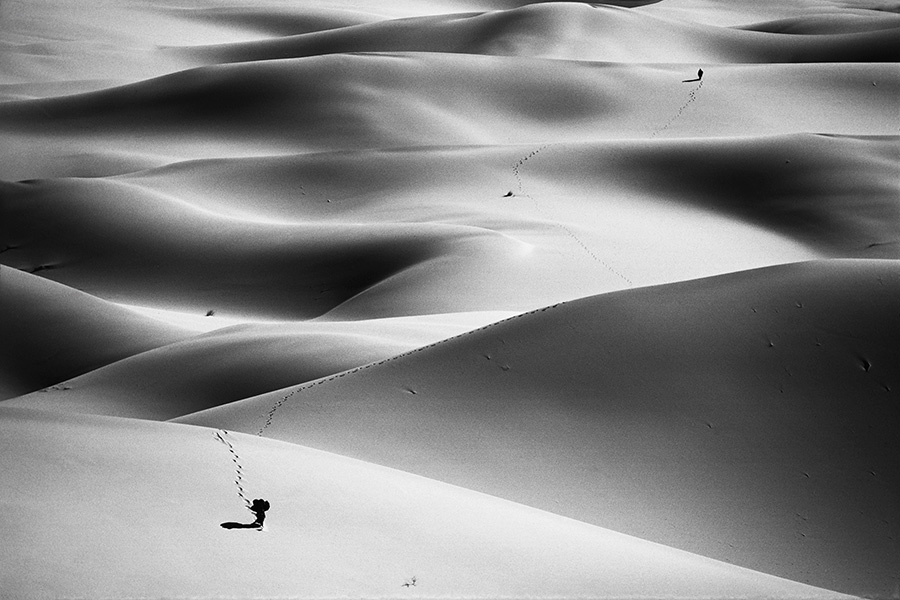
Mariko Mori's first major solo exhibition in Japan in 24 years, since Pureland at the Museum of Contemporary Art Tokyo in 2002, presents about 40 works from more than thirty years, in cooperation with the Solomon R. Guggenheim Foundation. She came to prominence in the mid-1990s with the Cyborg series, a pioneering use of computer graphics, then, influenced by Buddhist ideas of life, death, and the cosmos, developed large interactive installations around the core idea of Oneness. Places inside the brainwave-interface pod of Wave UFO are limited.
Featured in: Tokyo Anthology: December · Tokyo Anthology: November · Tokyo Winter Exhibitions 2026–27
1 / 3 Image: Mori Art Museum
- Dates
- Oct 31, 2026 – Mar 28, 2027
- Venue
- Mori Art Museum (森美術館) · Roppongi東京都港区六本木6-10-1 六本木ヒルズ森タワー53階
Getting there
3 min walk via the concourse from Exit 1C, Roppongi Station (Tokyo Metro Hibiya Line)
- Hours
- 10:00–22:00
- Admission
- General ¥2,800 (weekdays)Original: 一般 2,800円(平日)
The calendar entry covers the whole run, so you won't need to look the dates up again. Please check opening hours and closing days before your visit.
Booking
Booking recommended.
Booking recommended; tickets are also sold at the door.
Klook partner link. Anthology earns a referral commission on purchases made through it.
From the venue's announcements, checked Nov 12, 2026. Slots and availability can change; please check the official page before you book. Source: 森美術館:事前予約制(日時指定券)、空きがあれば当日入館可
Entry notes
Entry is by timed ticket, sold on online ticket sites; if slots remain on the day, tickets are sold at the counter. Open only until 17:00 on Tuesdays. Places to go inside Wave UFO are limited.
- Entry is by timed ticket, sold on online ticket sites; if slots remain on the day, tickets are sold at the counter. Open only until 17:00 on Tuesdays. Places to go inside Wave UFO are limited. (Source: 森美術館:森万里子:燦燦, 2026)
From the organizer's announcements and press reports. Arrangements can change; please check the official site before your visit.
Guided tours
An AI audio guide by artlas is free: scan the QR code at the venue and use it in your phone's browser, no app needed. It supports more than 20 languages including Japanese, English and Chinese; AI Q&A is free for up to 10 uses per visitor.
- Audio guideAn AI audio guide by artlas is free: scan the QR code at the venue and use it in your phone's browser, no app needed. It supports more than 20 languages including Japanese, English and Chinese; AI Q&A is free for up to 10 uses per visitor.
Source: 森美術館 音声ガイド. From the venue's and organizer's announcements. Schedules, languages and fees can change; please check the official site before your visit.
Organizers and partners
Organized by: Mori Art Museum
- Organized by
- Planning
- アレクサンドラ・モンロー
- 片岡真実
Organizing this exhibition? Write to us to add or correct anything here: hello@anthology-art.org
Knowledge cards
Media art and video artメディアアートとビデオ・アートArt that takes electronic and digital media, such as television, video, computers, and sensors, as its material.Read moreClose
01About
In March 1963, Nam June Paik showed Exposition of Music – Electronic Television at Galerie Parnass in Wuppertal, West Germany, scattering television sets through the rooms and distorting their pictures with magnets; this is often taken as the starting point of media art. The works that followed take a few broad forms: single-channel video, shown on one screen with a fixed running time like a film; video installation, which arranges several monitors, projections, and objects in a space that visitors walk through; and interactive works that change in response to a visitor's movement, voice, or brain waves. Cathode-ray tube sets and other equipment are produced less and less and are hard to find even second-hand, so keeping such works alive means weighing repair against replacement; Paik himself allowed owners to make the technical changes needed to keep his works running.
02In the gallery
Read the medium line on the label. “72 monitors, 4-channel video” means 72 screens are showing four different videos: find the screens playing the same one and see how they are arranged. For a single-channel work, the label gives the running time; check it before deciding where to start watching.
Wall label terms in Japanese
- メディアアート
- Media art
- シングルチャンネル
- Single-channel video
- 映像○チャンネル
- Video, N channels (N different videos)
- ビデオ・インスタレーション
- Video installation
- インタラクティブ
- Interactive
- ブラウン管
- Cathode-ray tube (CRT)
03Notes
Media art ranges from single-screen video to video installations you walk into.
This time, at Mariko Mori: All That Shines —
Is a screen in the gallery a window to look into, or an object to walk around?
04Related
Nearby, after this one
Same venue · Mori Art Museum

Same neighborhood · Roppongi
Shows open on the same days as this one are listed first (regular closing days only).