Opens in 27 days#Craft
Special Exhibition: Carved Lacquer
Japanese original:
企画展 彫る漆
Carved lacquer is made by cutting designs into built-up layers of lacquer. This exhibition gathers works made by carving — carved red lacquer, Kamakura-bori, incised gold, chinkin, tianqi and kinma — techniques that arose across the lacquer cultures of East and Southeast Asia. Japan long prized such pieces as imported Chinese lacquerware and holds a notable collection of them, yet it is seldom seen together; the show draws mainly on the Nezu Museum's own holdings and arranges them technique by technique.
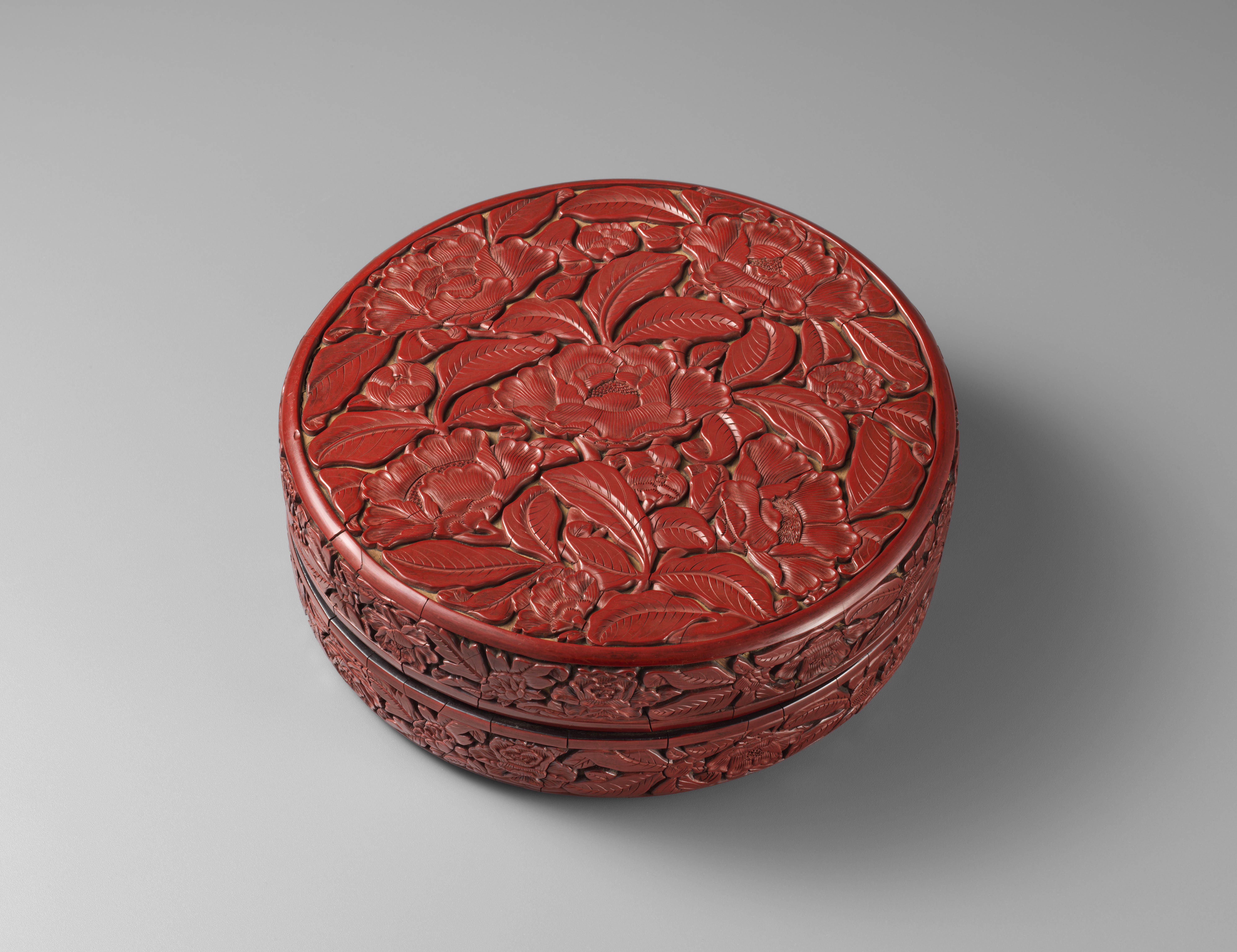
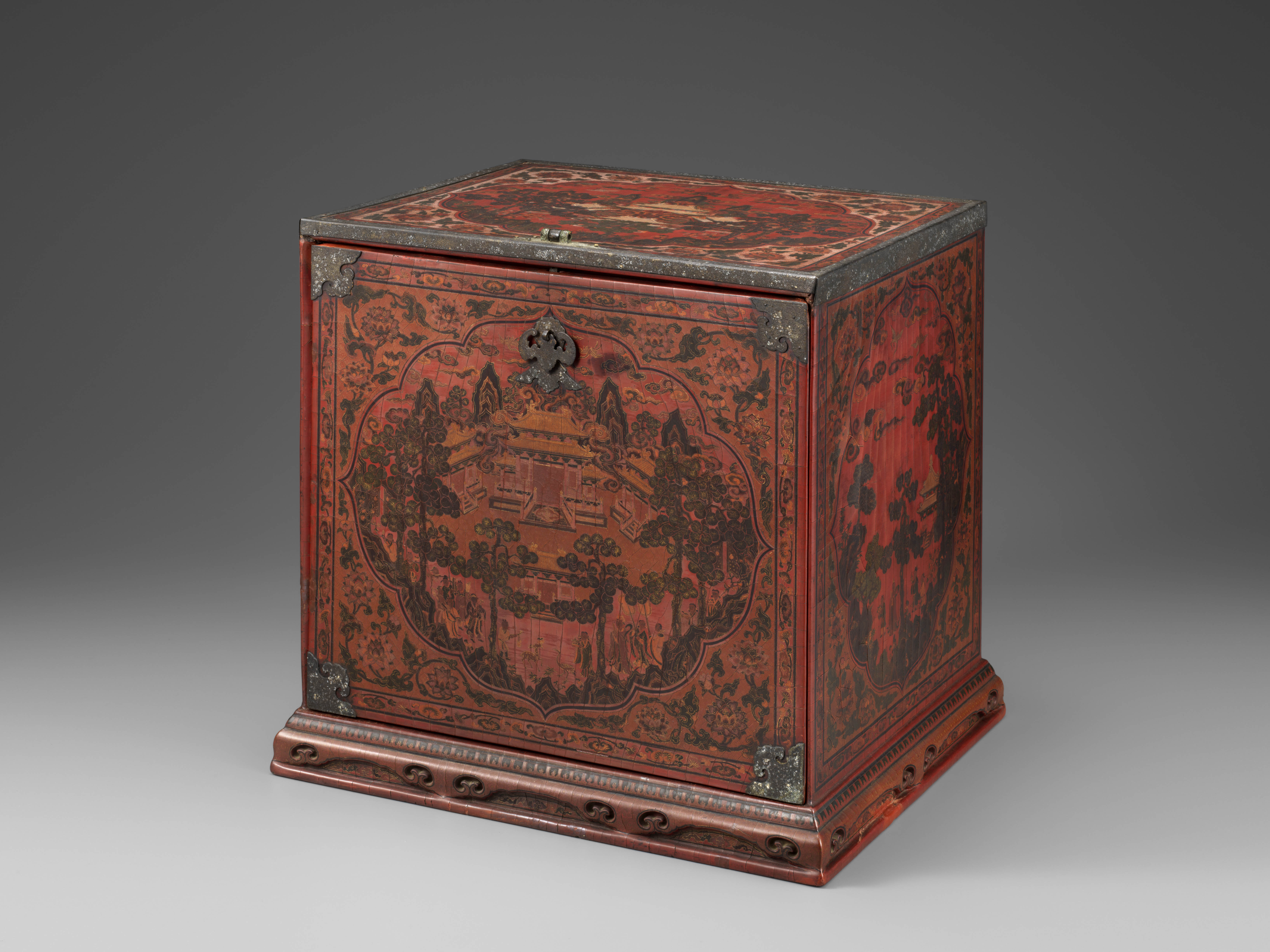
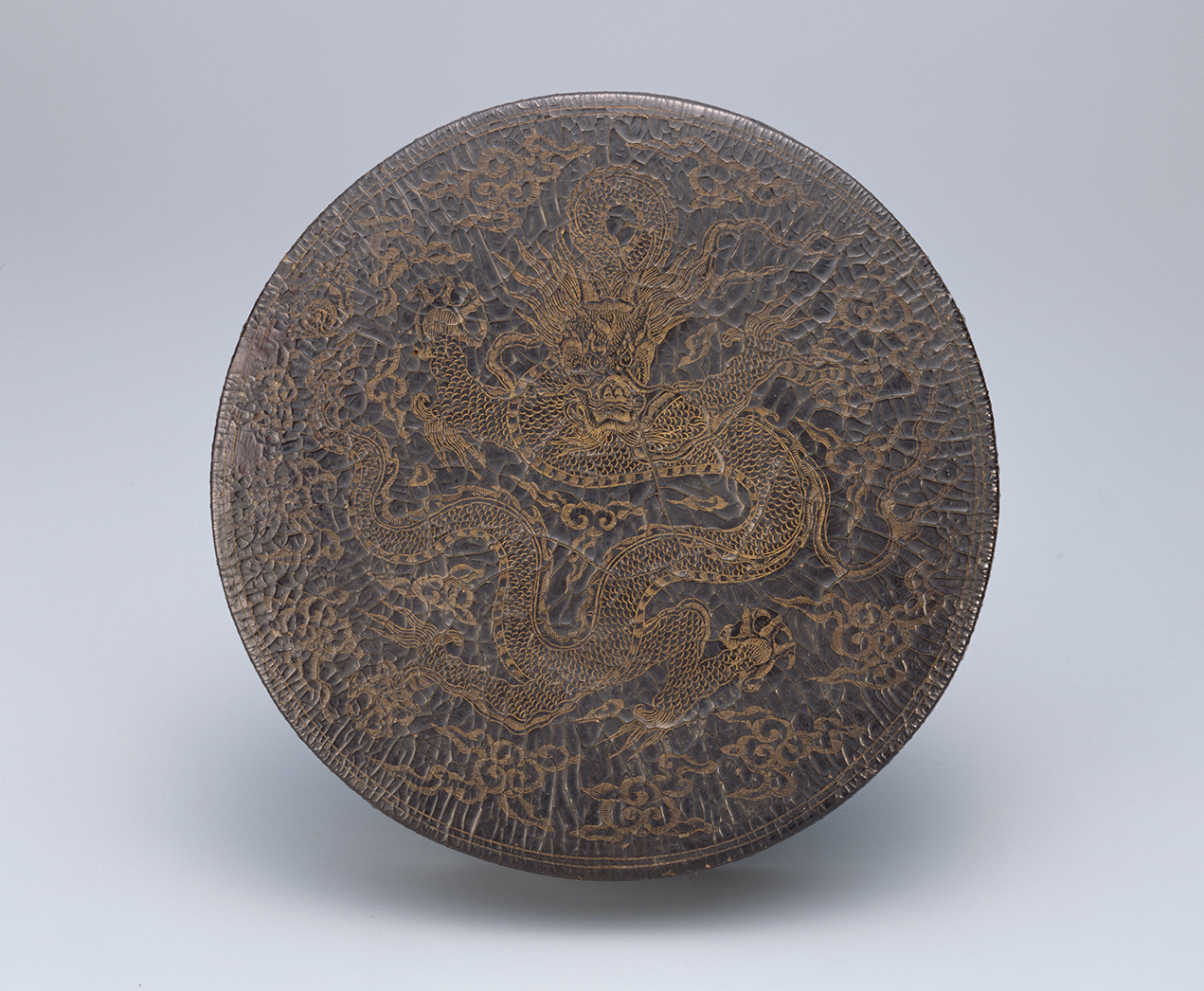
1 / 4 Image: Nezu Museum 椿堆朱合子 木胎漆塗 中国・明時代 永楽年間(1403~24) 根津美術館蔵
- Dates
- Dec 5, 2026 – Jan 17, 2027
- Venue
- Nezu Museum (根津美術館) · Harajuku & Aoyama
- Address
- 東京都港区南青山6-5-18 min walk from Exit A5, Omotesando Station (Tokyo Metro)Open in Google Maps
- Hours
- 10:00–17:00Closed: Mon
- Admission
- General ¥1,600 (at the door)Original: 一般 1,600円(当日)
Visit planning
The calendar entry starts on the opening day and covers the whole run. Please check opening hours and closing days before your visit.
Nearby, after this one
Same venue · Nezu Museum

Same neighborhood · Harajuku & Aoyama
Shows open on the same days as this one are listed first (regular closing days only).

Related exhibitions
Same genre · Craft


Credits
- Loans from
- Nezu Museum, Suntory Museum of Art
Knowledge cards
Carved lacquer彫る漆(彫漆・沈金など)Lacquerware decorated by cutting into it with a blade, either through thick layers of lacquer or into the lacquered surface.Read moreClose
01About
Carved lacquer covers several techniques in which the decoration is cut with a blade. In chōshitsu, lacquer is applied in many layers and the thick layer is carved into a relief pattern; it is said to have begun in the Tang dynasty, was practised in earnest from the Southern Song, and was made in the Yuan, Ming and Qing dynasties. Red lacquer carved this way is called tihong in China and tsuishu in Japan, and black lacquer is tsuikoku. Sōkin (Chinese qiangjin) cuts fine lines into the lacquer with a blade and presses gold leaf into the grooves; it flourished from the Song to the Ming dynasty. Brought to Japan in large numbers, it began to be made there too and is called chinkin, which today is practised mostly in Japan, with Wajima in Ishikawa and Aizu in Fukushima among its centres. In tenshitsu, a pattern is cut into the surface, the cut is filled with lacquer of a different colour, and the whole is ground flat. Kamakura-bori (chōmoku saishitsu) carves the pattern into the wood first and then applies lacquer; it is described as having been influenced by Chinese carved lacquer. The Nezu Museum notes that these techniques arose across the lacquer-using cultures of East and Southeast Asia, and that in Japan many such pieces were prized as imported karamono lacquerware.
02In the gallery
Look at where the blade went in: a raised pattern cut out of thick lacquer, or a fine line, perhaps with gold in it, cut into the surface.
Wall label terms in Japanese
- 彫漆
- Chōshitsu (carved lacquer)
- 堆朱
- Tsuishu (carved red lacquer)
- 鎗金・沈金
- Sōkin / Chinkin (inlaid gold lines)
- 填漆
- Tenshitsu (filled lacquer)
- 鎌倉彫(彫木彩漆)
- Kamakura-bori
03Notes
Carved lacquer is made by cutting a pattern into the lacquer itself.
This time, at Carved Lacquer —
Does the pattern stand up from the surface, or sink into it as fine lines? Which do you see first?