Nezu Museum
Japanese original:
根津美術館
A private museum opened in 1941, when the eldest son of Nezu Kaichiro I, founder of the Nezu zaibatsu, a "railway king" and tea master, turned the family residence into a museum for his father's collection of Japanese and East Asian art. Its roughly 7,400 objects, including seven National Treasures, range from Buddhist painting and ink painting to tea utensils and ancient Chinese bronzes. A new gallery building by Kuma Kengo opened in 2009, and the Japanese garden is open to visitors.
- Area
- Harajuku & Aoyama
- Address
- 東京都港区南青山6-5-1
- Getting there
- 8 min walk from Exit A5, Omotesando Station (Tokyo Metro)
- Hours
- 10:00–17:00
- Closed
- Mon
- Admission
- Prices vary by exhibition (about ¥1,400–1,800); free for high school students and younger
Regular closing days only. For public holidays, please check each venue's notices.
Directions and admission checked against the venue's website on Oct 20, 2026.
First visit
- Admission is by online timed reservation; tickets are sold at the desk only when slots remain, for ¥200 more.
- Photography is not allowed in the galleries.
- The garden is open to every visitor with a ticket; it has slopes, steps, and a pond, so watch your step.
From the venue's visitor guidelines, checked on Oct 21, 2026.
On now and coming up
Exhibitions (Open now 1 · Opening soon 3)
The Japanese original of each title and venue name is shown in gray below it.
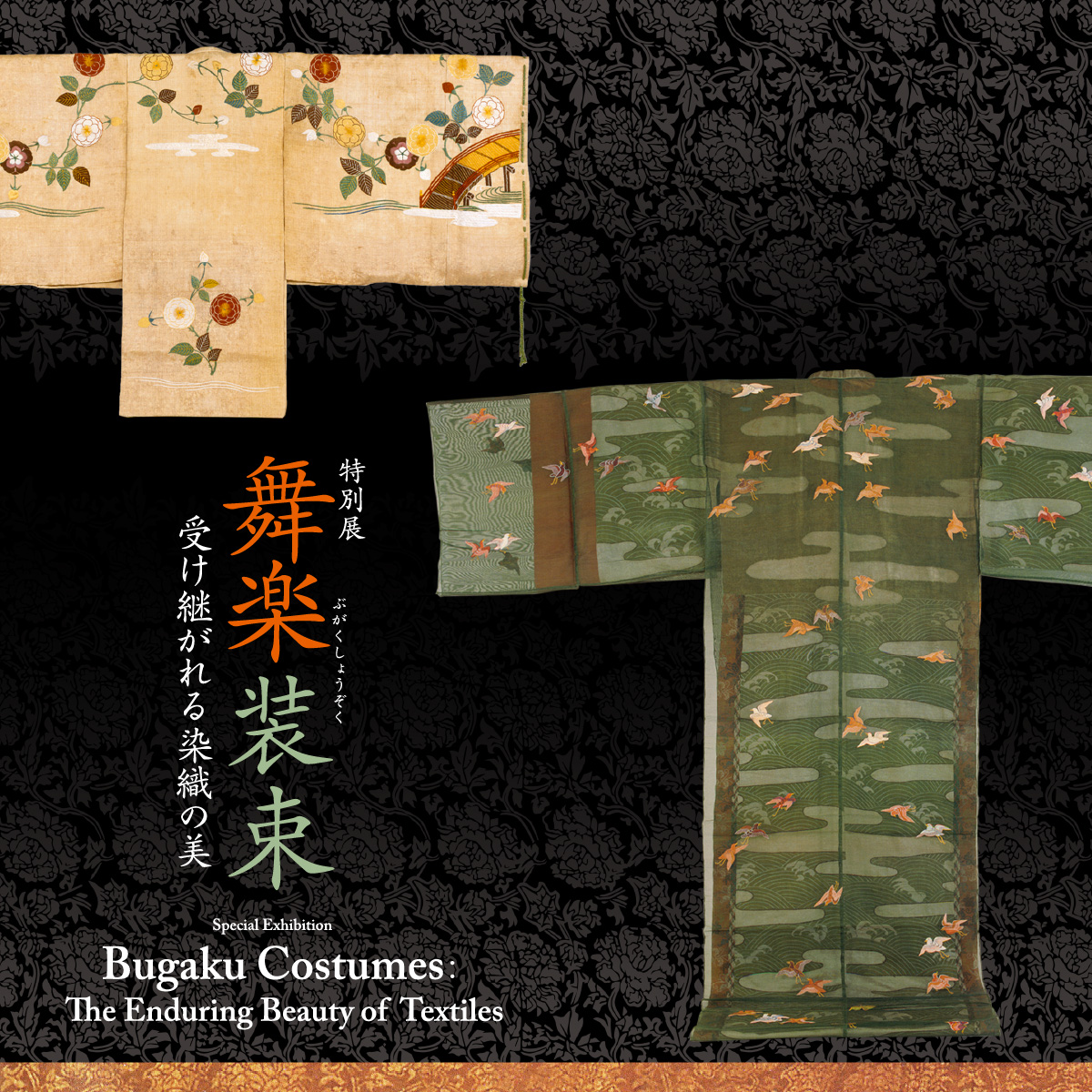
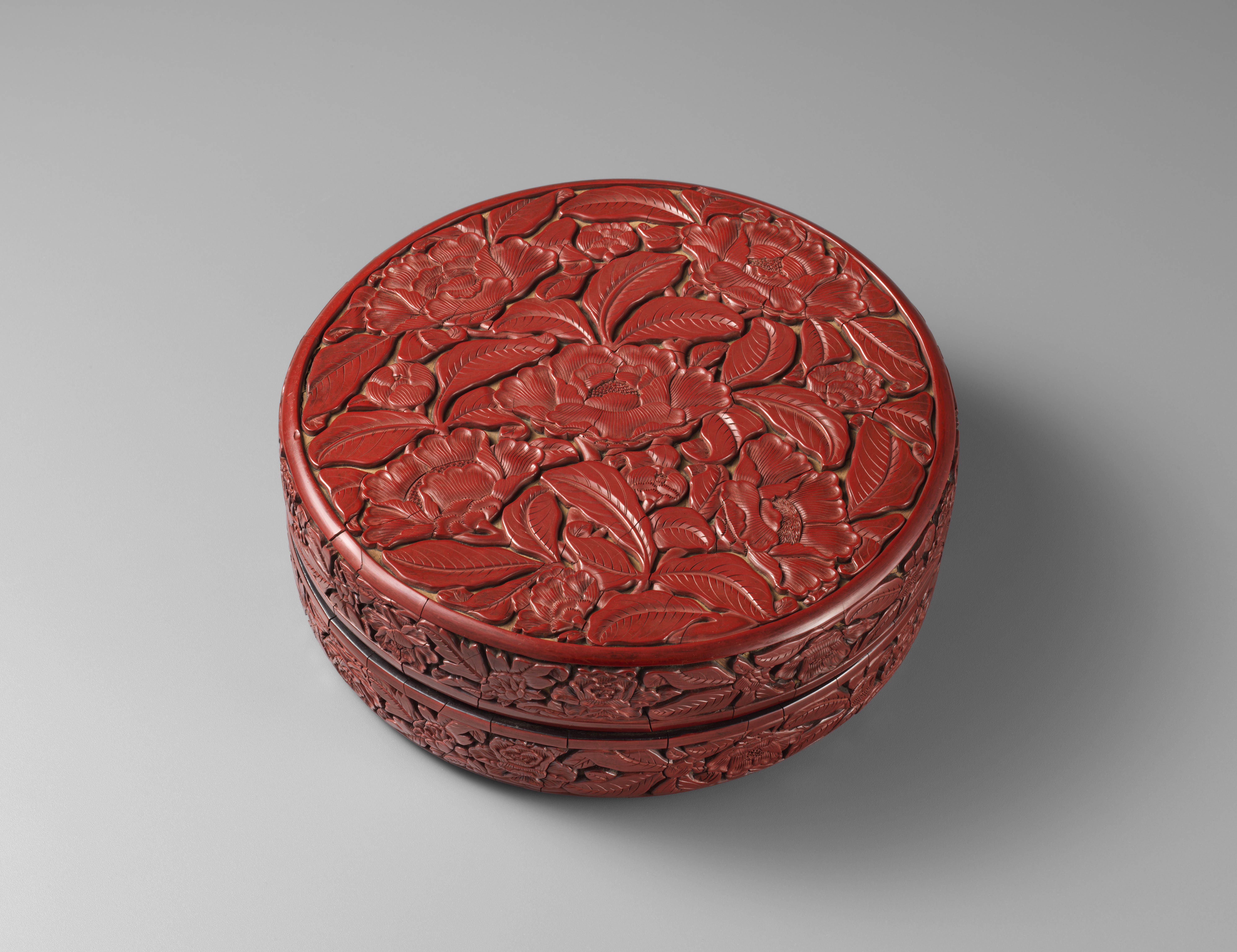
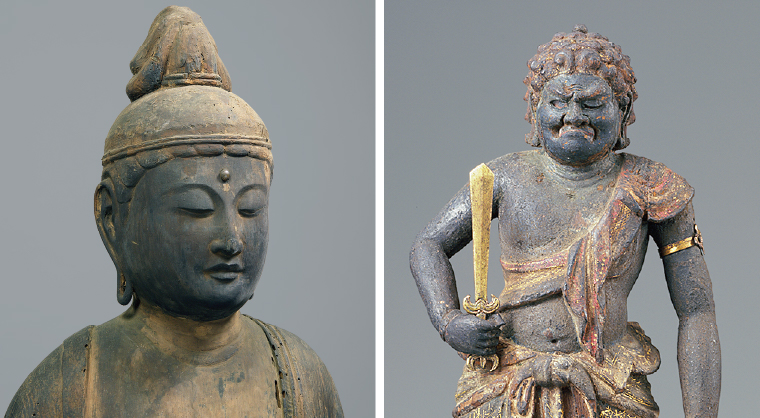
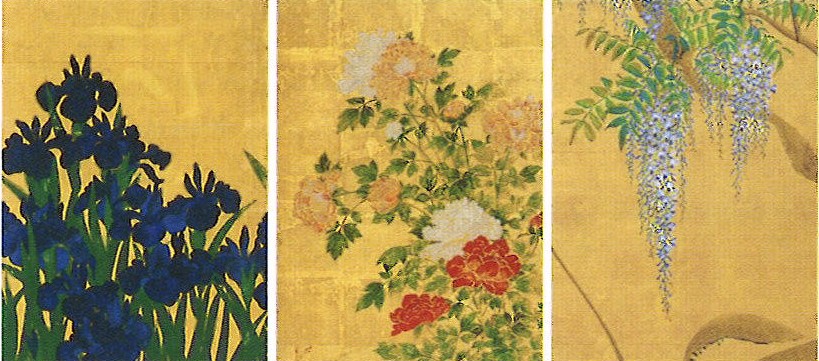
Past exhibitions
Related knowledge cards
- Dyed and woven patternsA pattern on cloth comes either from colored threads woven in on the loom (weaving), or from dyeing or printing the finished cloth (dyeing).
- Carved lacquerLacquerware decorated by cutting into it with a blade, either through thick layers of lacquer or into the lacquered surface.
- Folding screens (byōbu)A folding partition of wooden frames covered with paper or silk, set up to block wind, divide a room, and carry pictures, often as a left–right pair.
- Rinpa schoolA decorative school of Edo-period painting and craft, begun by Tawaraya Sōtatsu and Hon'ami Kōetsu, completed by Ogata Kōrin, and handed on by admiration across generations rather than by family.
- Buddhist statues (butsuzō)Images of the figures venerated in Buddhism, usually meaning statues in the round. The word first meant images of a Buddha (nyorai) but commonly covers bodhisattvas, wisdom kings and devas too: four classes in all.
- “Den” (attributed to) and silk or paperOn labels for Japanese classical art, den marks a maker known only by tradition, and shihon and kenpon say whether the work is on paper or silk.
- Left and right (sahō and uhō)Bugaku pieces are sorted by origin into a left side and a right side, and the costume colours follow: red for the Chinese-derived left, blue for the right, which comes from the Korean peninsula.


