77 days left#History & heritage#Painting
Beauty Through the Ages: Treasures of the Imperial Collections
Japanese original:
皇室の至宝―美いづるところ
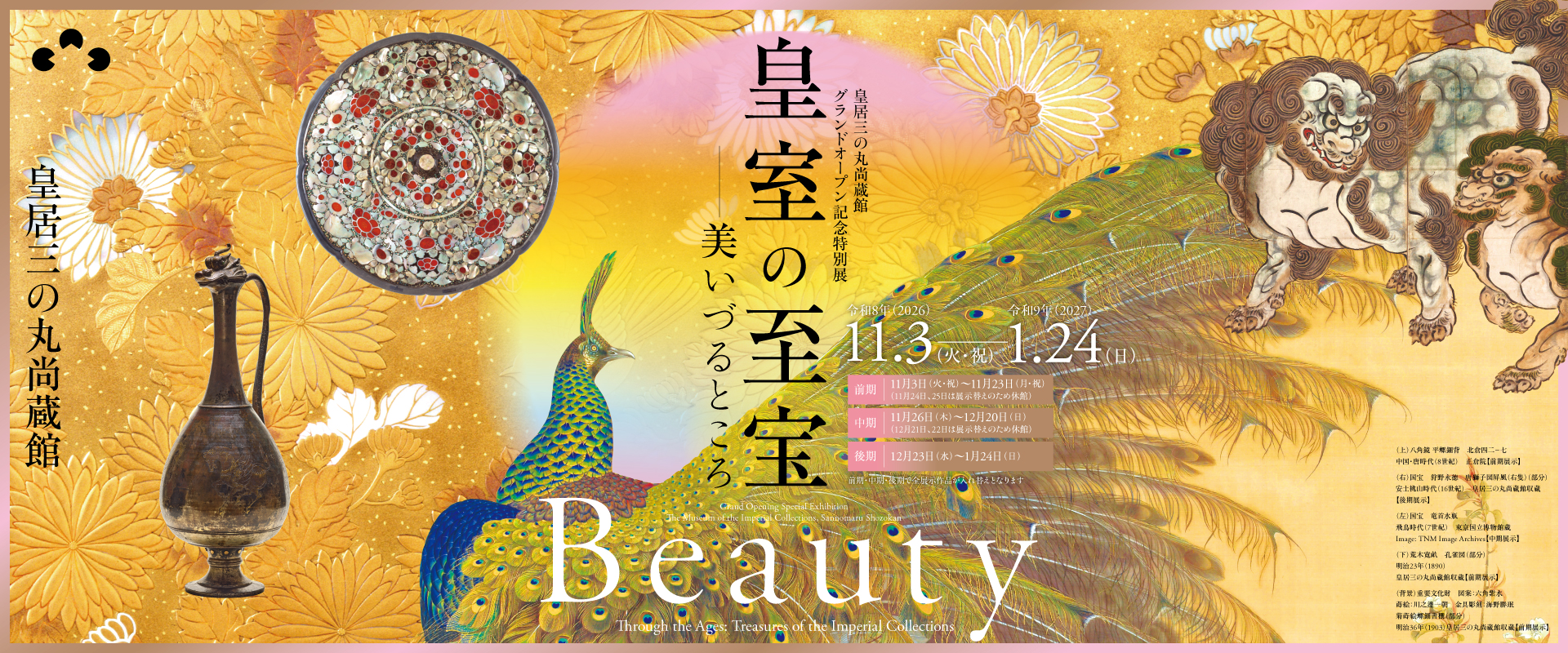
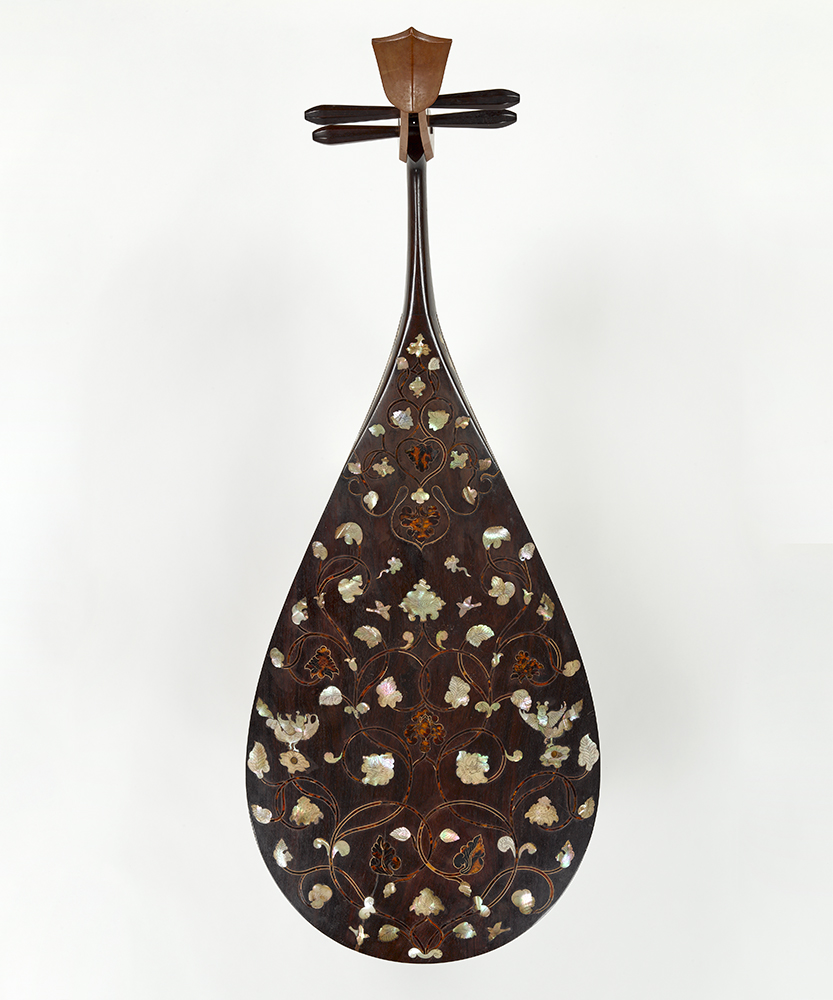
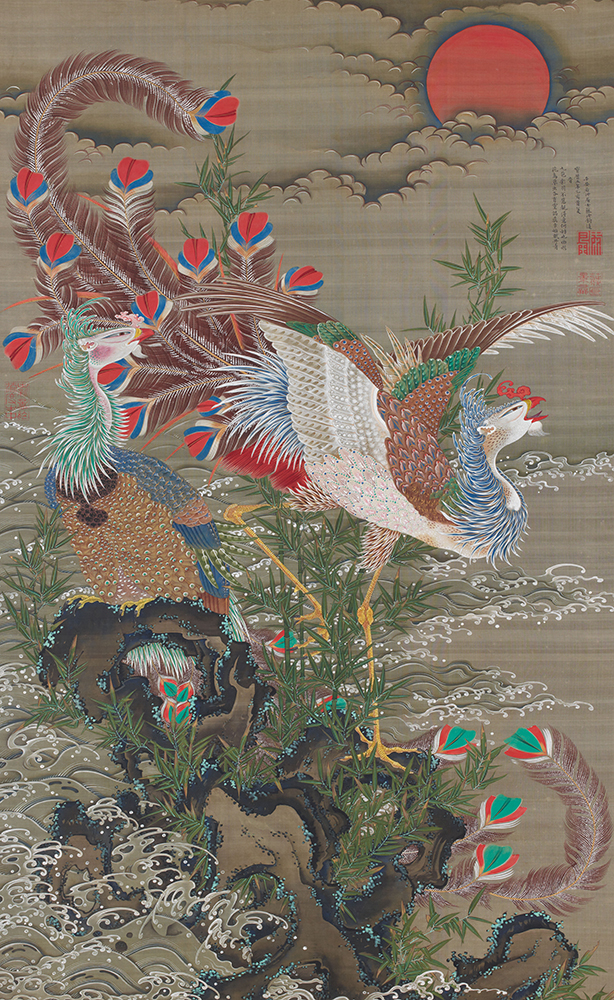
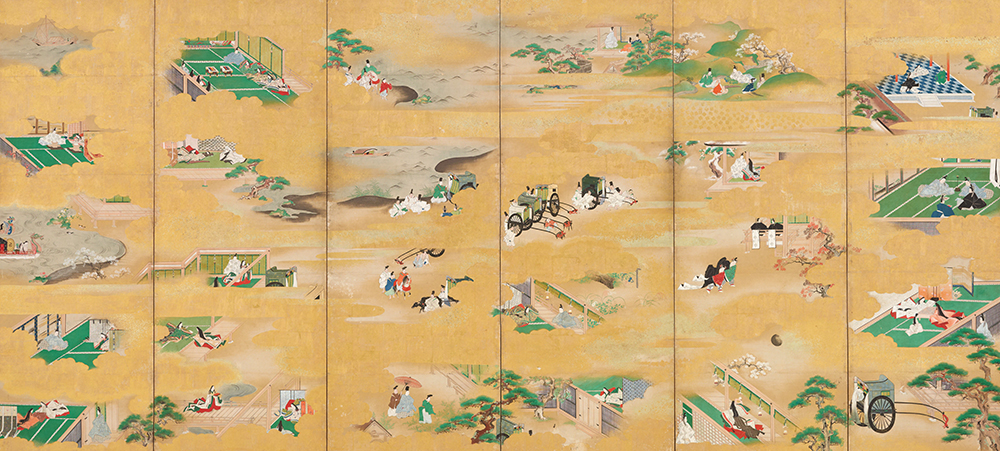
The first special exhibition of the Sannomaru Shozokan's grand opening in November 2026 puts the museum's own National Treasures and Important Cultural Properties beside Shosoin treasures and the Horyuji treasures tied to Prince Shotoku, with Shosoin items shown inside the Imperial Palace grounds for the first time. This year marks 100 years since the start of the Showa era, so modern works given to the imperial family in the Meiji, Taisho and Showa periods are also shown. It runs in three periods, with every work replaced each time, and uses timed entry, so a time slot must be booked in advance.
- Dates
- Nov 3, 2026 – Jan 24, 2027
- Venue
- The Museum of the Imperial Collections, Sannomaru Shozokan (皇居三の丸尚蔵館) · Takebashi & Kitanomaru Park
- Address
- 東京都千代田区千代田1-8 皇居東御苑内Enter by Otemon Gate: about 5 min on foot from Exit C13a, Otemachi Station, then about 100 m inside; enter by Hirakawamon Gate: about 10 min from Exit 1a, Takebashi StationOpen in Google Maps
- Hours
- 09:30–17:00Closed: Mon
- Admission
- General ¥2,500Original: 一般 2,500円
Visit planning
The calendar entry covers the whole run of the exhibition. Please check opening hours and closing days before your visit.
Nearby, after this one
Same venue · The Museum of the Imperial Collections, Sannomaru Shozokan
Same neighborhood · Takebashi & Kitanomaru Park
Shows open on the same days as this one are listed first (regular closing days only).
Related exhibitions
Same genre · History & heritage / Painting


Credits
- Artists
- Ito Jakuchu, Kano Tan'yu, Kano Eitoku, Yokoyama Taikan, Tomioka Tessai
- Organized by
- The Museum of the Imperial Collections, Sannomaru Shozokan, 讀賣新聞社, NHK
- In cooperation with
- 宮內廳, 文化廳
Knowledge cards
Shōsōin treasures正倉院宝物About 9,000 treasures from the Nara period kept in the Shōsōin, the storehouse of Tōdai-ji in Nara, centred on things Emperor Shōmu loved in his lifetime.Read moreClose
01About
In 756, on the forty-ninth day after the death of the retired Emperor Shōmu, Empress Dowager Kōmyō offered about 650 of his favourite belongings and 60 kinds of medicine to the Great Buddha of Tōdai-ji; that gift began the Shōsōin collection, and its inventories survive with it. The raised wooden storehouse, its walls of timbers stacked crosswise in the azekura style, was designated a National Treasure in 1997. The treasures include painting, calligraphy, metalwork, lacquer, glass, musical instruments, masks and ancient medicines, as well as documents recording life in the Nara period. Many designs come from Persia and western Asia, which is why the Shōsōin is called the eastern end of the Silk Road; recent research, though, finds about 95 percent were made in Japan in a foreign taste. The Imperial Household Agency looks after them, and the main chance to see them is the Shōsōin Exhibition at the Nara National Museum each autumn, held since 1946 with sixty to seventy carefully chosen pieces.
02In the gallery
Look closely at one pattern, a bird, a flower, or a figure, and ask where it came from: does it look Chinese, Persian, or already Japanese?
Wall label terms in Japanese
- 正倉院
- Shōsōin
- 校倉造
- Azekura log storehouse
- 東大寺献物帳
- Inventory of Tōdai-ji offerings
- 正倉院展
- Shōsōin Exhibition
- 漆工
- Lacquer
03Notes
Many Shōsōin designs come from West Asia, yet most of the objects were made in Japan.
This time, at Beauty Through the Ages: Treasures of the Imperial Collections —
Among the Shōsōin objects, which do you think were used every day, and which only once, for a ceremony?