Opens in 92 days#Craft
140th Anniversary of the Birth of Textile Artist Seika Yamaga
Japanese original:
生誕140年 染織家 山鹿清華
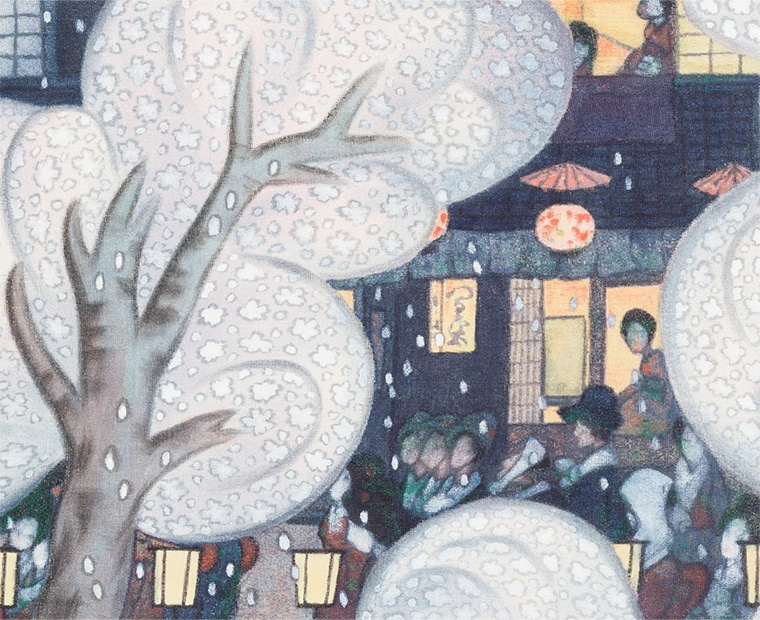
Seika Yamaga (1885–1981) was born in Kyoto and began studying Japanese painting and design as a teenager, later becoming a pupil of Sekka Kamisaka. In his "hand-woven brocade" he did every step himself, from the design and choice of thread to the weaving, with motifs ranging from traditional patterns to rockets and locomotives, bringing fresh air to Nishijin weaving. This is his first retrospective in 40 years, from 20 February to 11 April 2027.

- Dates
- Feb 20 – Apr 11, 2027
- Venue
- Tokyo Station Gallery (東京ステーションギャラリー) · Marunouchi & Kyobashi (Tokyo Station)東京都千代田区丸の内1-9-1 JR東京駅 丸の内北口改札前
Getting there
Right outside the Marunouchi North Exit ticket gates, JR Tokyo Station
- Hours
- 10:00–18:00 · Closed: Mon
- Artists
The calendar entry starts on opening day and covers the whole run, so you won't need to look the dates up again. Please check opening hours and closing days before your visit.
Entry notes
Tokyo Station Gallery is open 10:00–18:00, until 20:00 on Fridays, with entry until 30 minutes before closing. It is normally closed on Mondays (the next weekday when a Monday is a holiday, but open on Mondays in an exhibition's final week and during Golden Week, Obon and Silver Week), over the year-end and New Year period, and between exhibitions. Admission and how to buy tickets differ by exhibition and are given on each exhibition's detail page; this show's detail page has not been published yet.
- Tokyo Station Gallery is open 10:00–18:00, until 20:00 on Fridays, with entry until 30 minutes before closing. It is normally closed on Mondays (the next weekday when a Monday is a holiday, but open on Mondays in an exhibition's final week and during Golden Week, Obon and Silver Week), over the year-end and New Year period, and between exhibitions. Admission and how to buy tickets differ by exhibition and are given on each exhibition's detail page; this show's detail page has not been published yet. (Source: 東京ステーションギャラリー:開館時間・料金, 2026)
From the organizer's announcements and press reports. Arrangements can change; please check the official site before your visit.
Knowledge cards
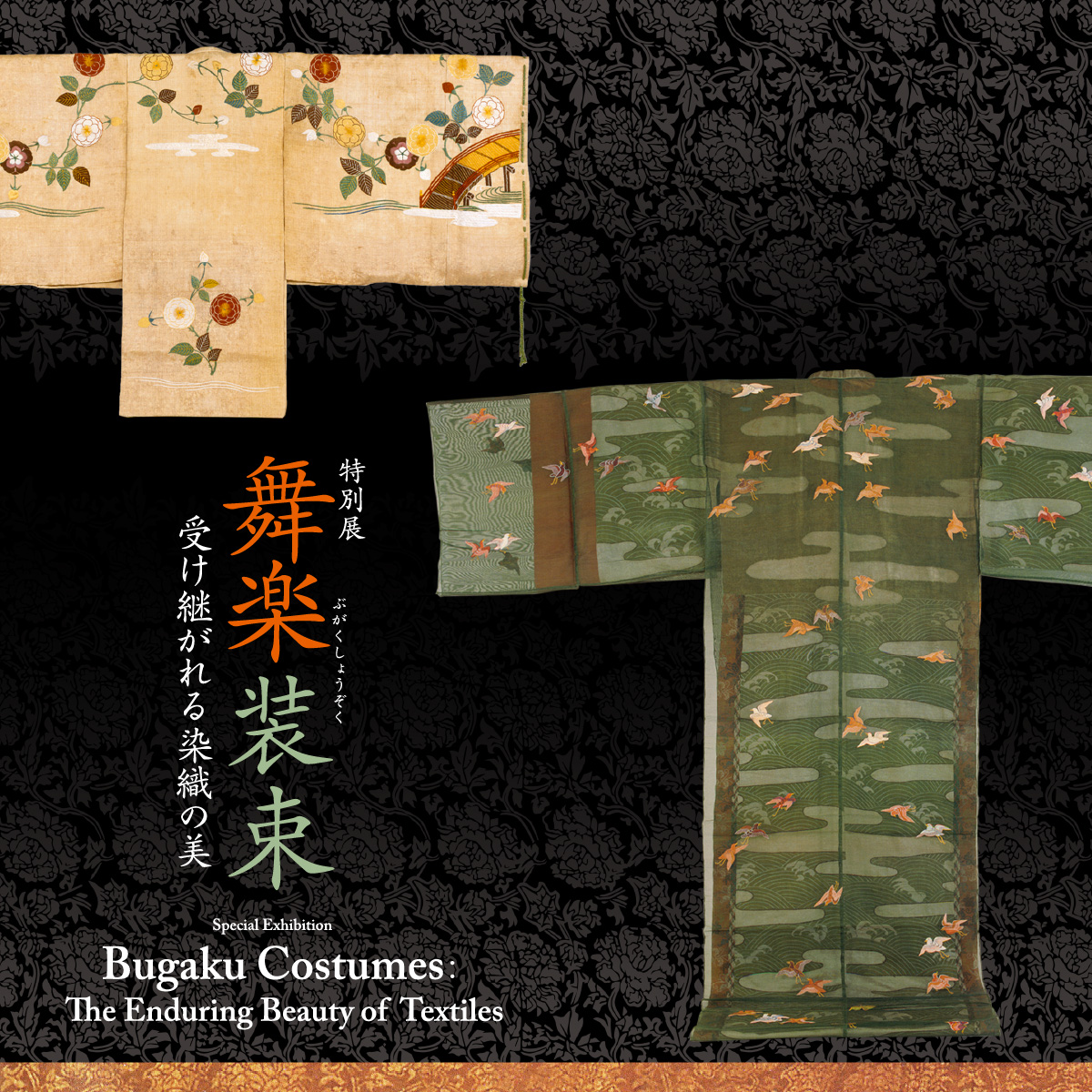
Dyed and woven patterns染めと織りA pattern on cloth comes either from colored threads woven in on the loom (weaving), or from dyeing or printing the finished cloth (dyeing).Read moreClose
01About
Plain dyeing covers the whole cloth in one color; printing puts color on certain parts only. Among the ways of dyeing a pattern is resist dyeing, where paste or wax keeps the dye off chosen areas: Okinawan bingata is dyed with a paper stencil and resist paste. In screen printing, color is pushed through a mesh, the stencil blocks it elsewhere, and one color is printed at a time, so a design in several colors needs several screens. A woven pattern is made on the loom: brocade weaves its design with an extra weft, so that it looks embroidered on; for ikat (kasuri in Japan), the yarns are resist-dyed in sections before weaving, and the slight blur along the pattern's edges is often prized.
02In the gallery
Look at the edges of the pattern. Printing pastes are thickened so the color does not spread beyond the design, which keeps printed edges clean; the soft blur at the edges of ikat comes from dyed yarns that do not line up exactly on the loom.
Wall label terms in Japanese
- 染め
- Dyeing
- 織り
- Weaving
- 捺染(プリント)
- Textile printing
- 防染
- Resist dyeing
- 紅型
- Bingata (Okinawan stencil dyeing)
- 絣
- Ikat (kasuri)
03Notes
A pattern on cloth is either woven in on the loom or dyed or printed on afterwards.
This time, at 140th Anniversary of the Birth of Textile Artist Seika Yamaga —
Looking at the edges of the pattern, was it woven in, or added later?
04Related
Nearby, after this one
Same venue · Tokyo Station Gallery
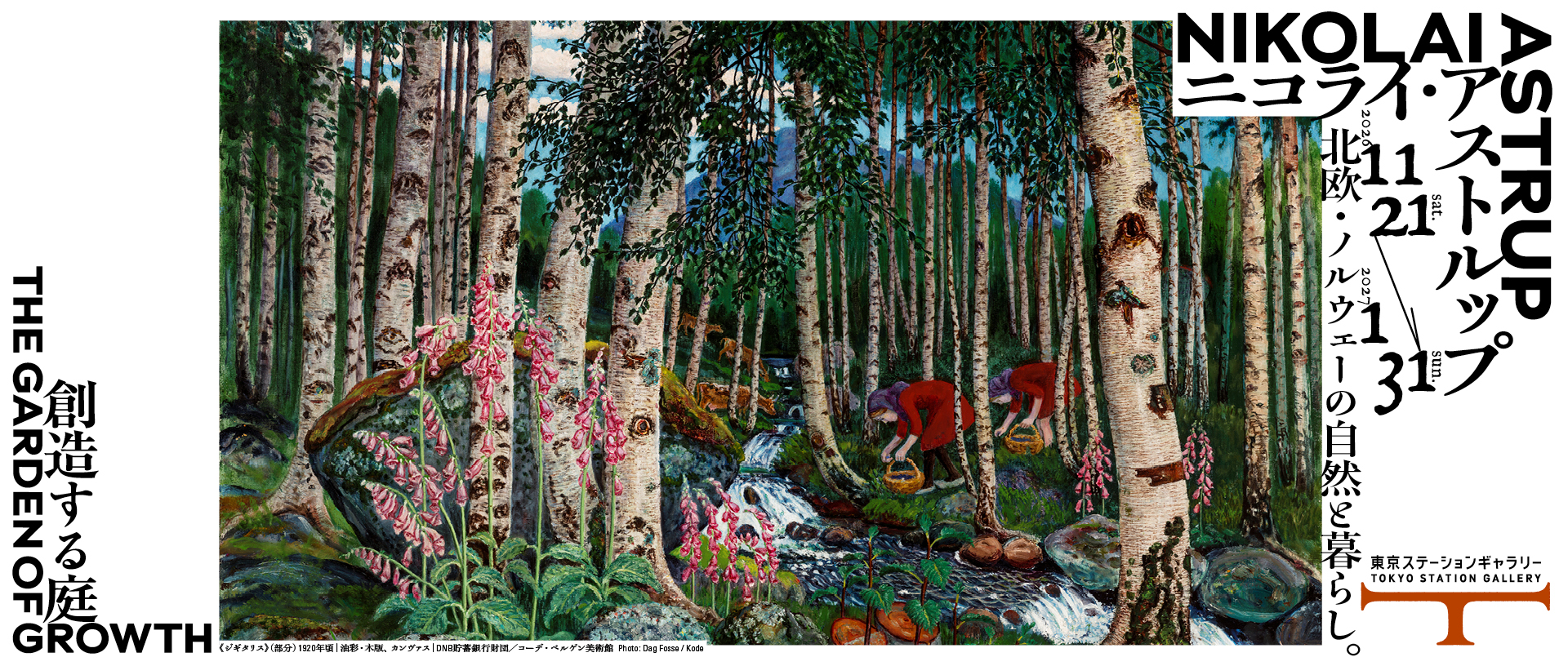
Same neighborhood · Marunouchi & Kyobashi (Tokyo Station)
Shows open on the same days as this one are listed first (regular closing days only).