95 days left#Painting
Collection Exhibition: "She Who Crosses the Sea" / Highlights
Japanese original:
コレクション展 海をこえてゆく彼女/ハイライト
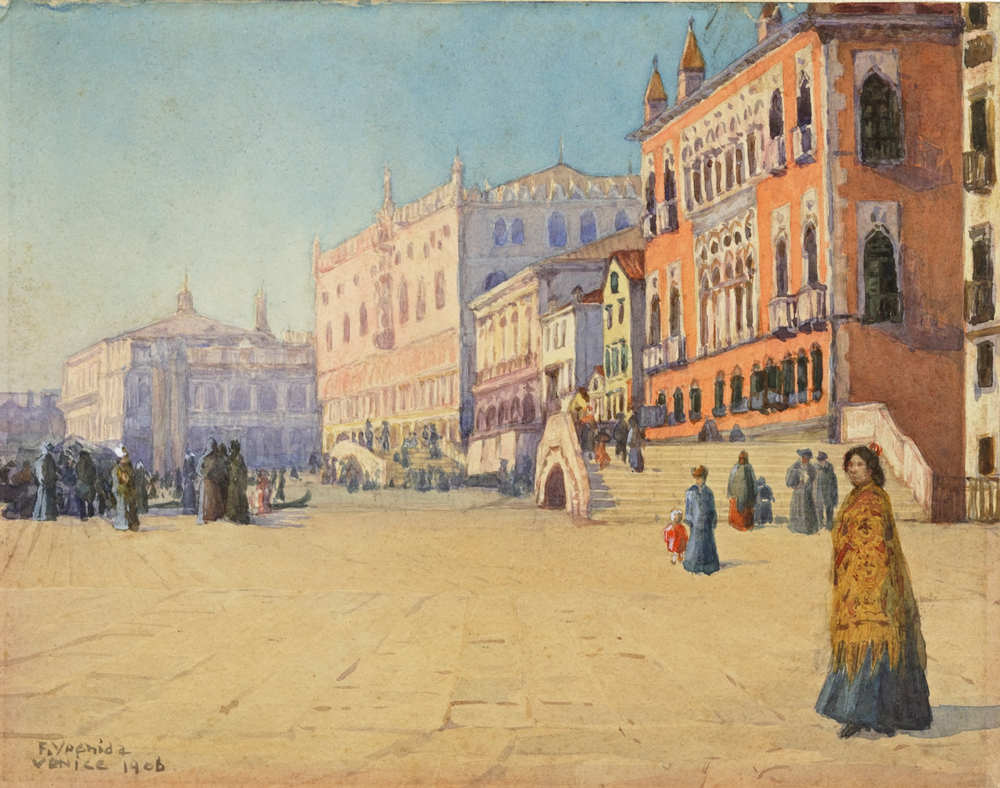
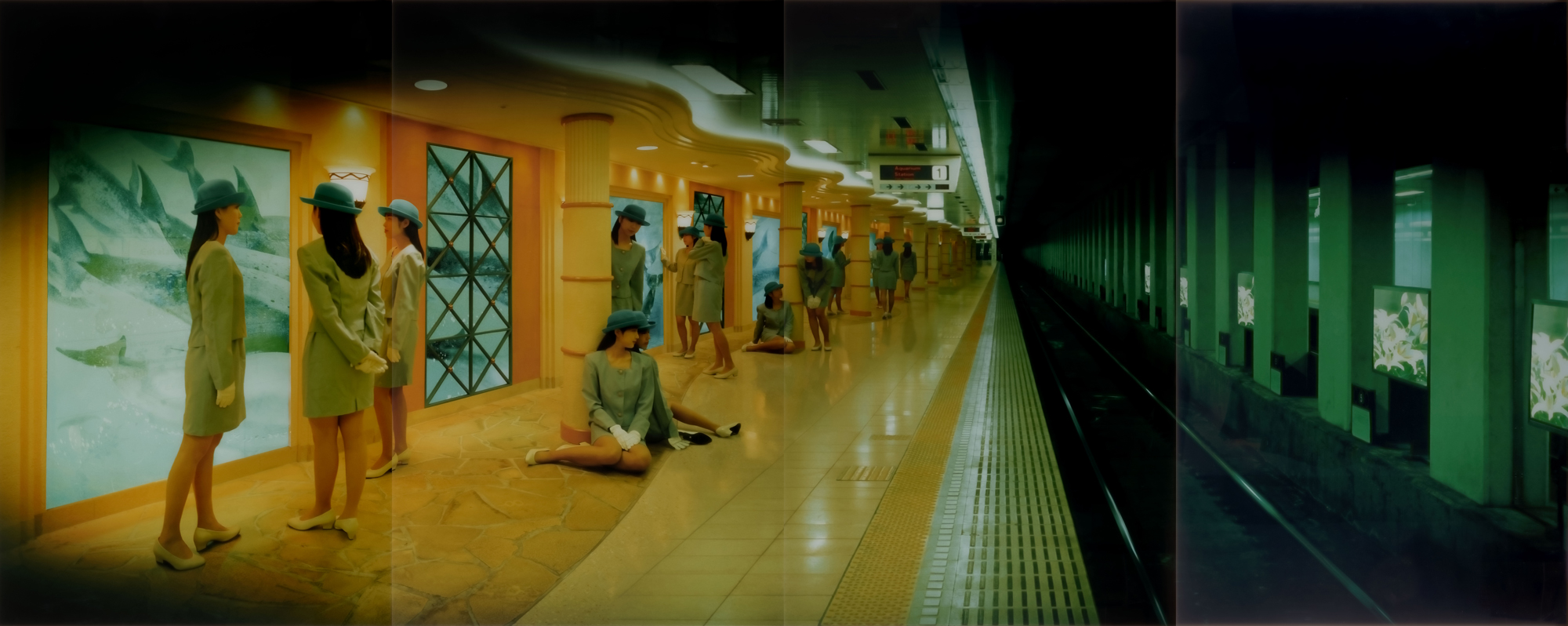
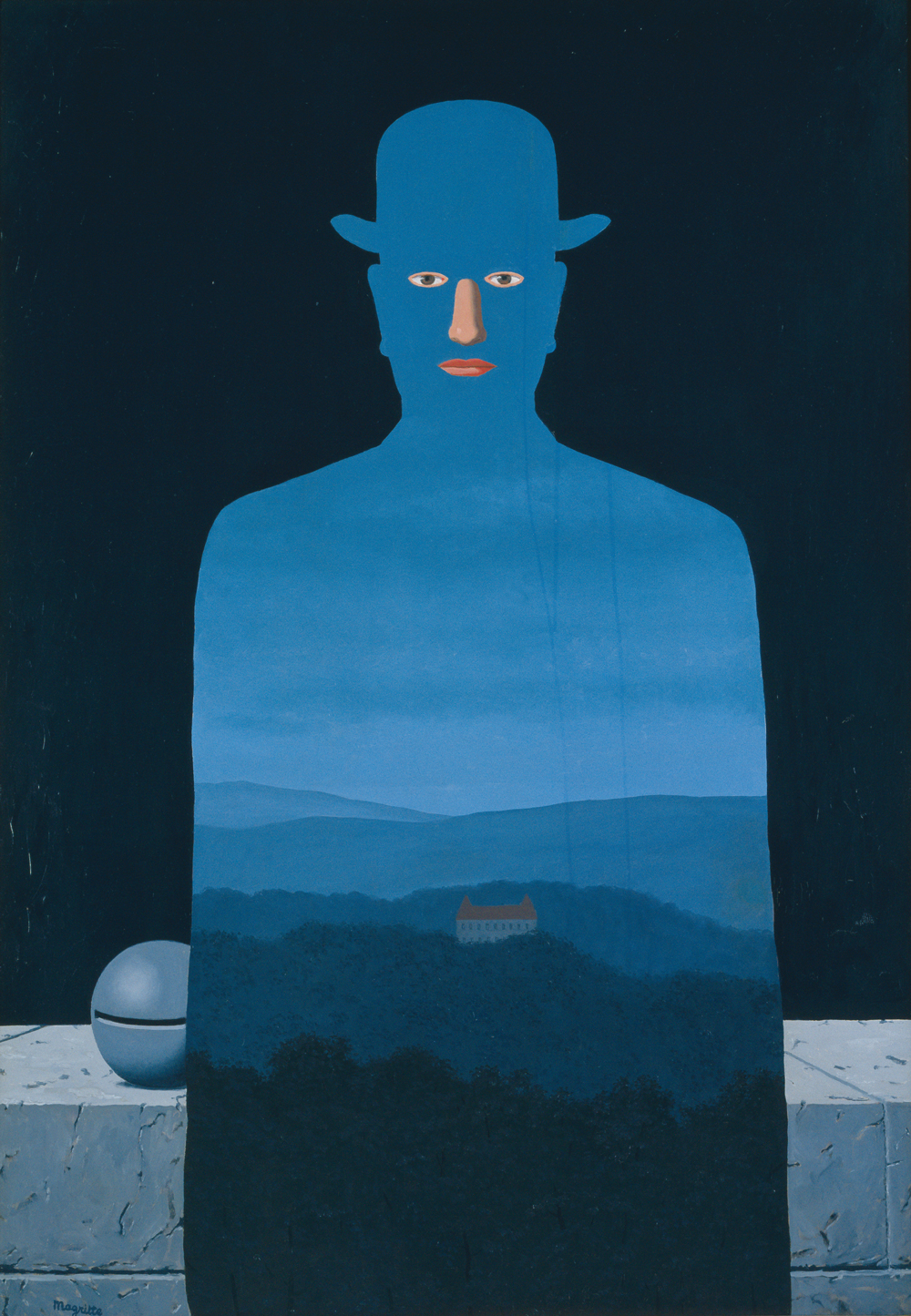
The Yokohama Museum of Art's collection show centres on a featured section, "She Who Crosses the Sea", about women who worked across national borders from the twentieth century onward. It begins with three painters from the first generation of Japanese women to meet overseas culture, and their ties to family, then widens to women artists from the West and from Asia, Japan included. A highlight corner adds signature works such as those by Dalí and Magritte.
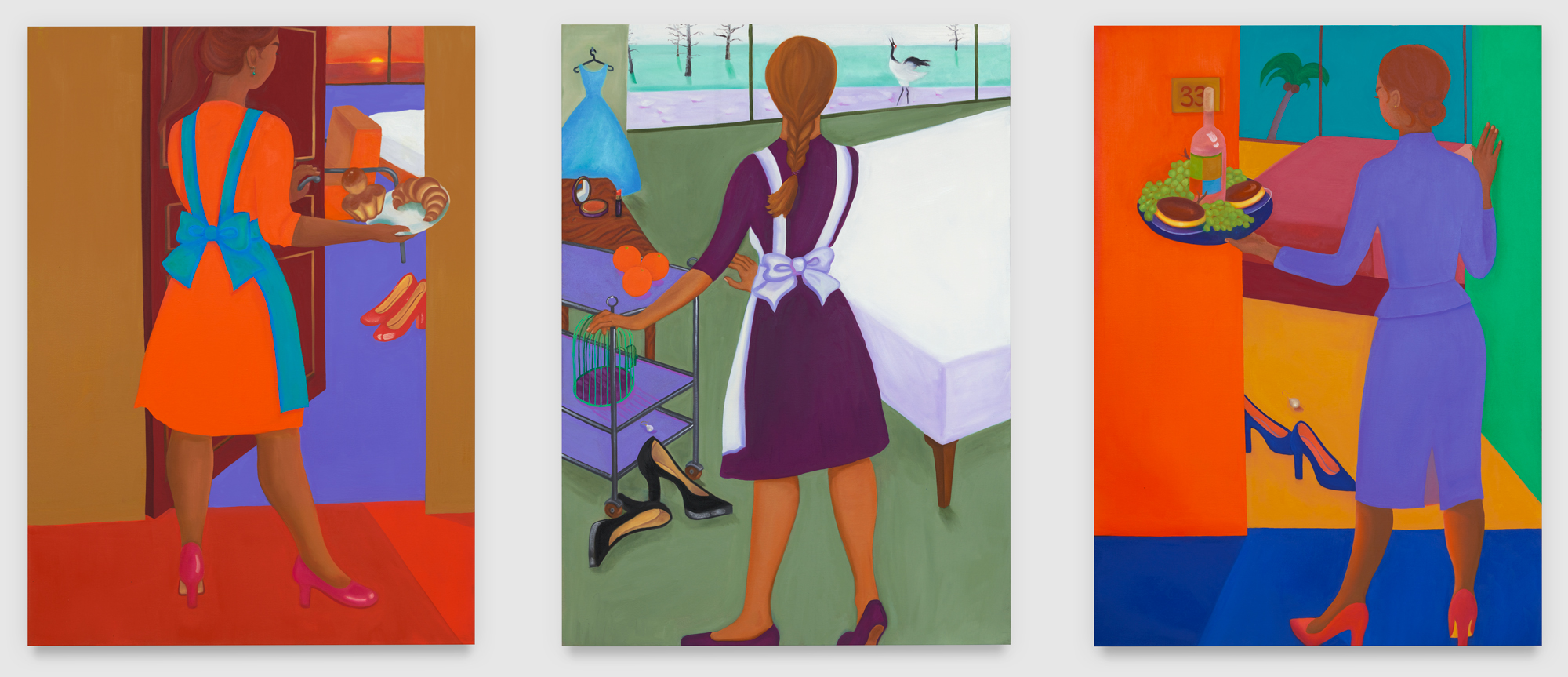
1 / 4 Image: Yokohama Museum of Art マリア・ファーラ《ルームサービス》 2021年 油彩、麻(3点組) 各180.0×130.0cm 寄託作品 ©Maria Farrar/ Courtesy Ota Fine Arts
- Dates
- Aug 1, 2026 – Feb 11, 2027
- Venue
- Yokohama Museum of Art (横浜美術館) · Yokohama
- Address
- 神奈川県横浜市西区みなとみらい3-4-13 min walk from Exit 3, Minatomirai Station (Minatomirai Line), through MARK IS Minatomirai; 10 min from JR Sakuragicho StationOpen in Google Maps
- Hours
- 10:00–18:00Closed: Thu
- Admission
- General ¥500Original: 一般 500円
Visit planning
The calendar entry covers the whole run of the exhibition. Please check opening hours and closing days before your visit.
Nearby, after this one
Same venue · Yokohama Museum of Art
Related exhibitions
Same genre · Painting

Credits
- Artists
- Goseda Hōryū, Goseda Yoshimatsu, Watanabe Yūka, Okamura Masako, Yoshida Hiroshi, Yoshida Fujio
All artists →Show less
Goseda Hōryū, Goseda Yoshimatsu, Watanabe Yūka, Okamura Masako, Yoshida Hiroshi, Yoshida Fujio, Yoshida Tōshi, Yoshida Hodaka, Yoshida Chizuko, 吉田亞世美, Helen Hyde, Bertha Lum, Emma Bormann, Maria Farrar, Iwami Reika, Enomoto Kazuko, Okuyama Tamie, Katsura Yuki, Kita Kumiko, Kawakubo Rei, Konishi Mana, Kobayashi Donge, Shimada Shizu, Tatsuno Toeko, 丹阿彌丹波子, Tomiyama Taeko, Fukuda Miran, Fukushima Hideko, Emi Kinuko, Kusama Yayoi, Tanaka Atsuko, Ishiuchi Miyako, Yanagi Miwa, Tabaimo, Shiota Chiharu, Salvador Dalí, René Magritte, Meret Oppenheim, Pablo Picasso, Nara Yoshitomo
- Organized by
- Yokohama Museum of Art
Knowledge cards
Surrealismシュルレアリスム(超現実主義)A movement that tried to question reality itself through images that surface in dreams and the unconscious; it began in earnest in Paris in 1924 with André Breton's manifesto.Read moreClose
01About
In the Manifesto of Surrealism, Breton defined surrealism as “pure psychic automatism,” the dictation of thought in the absence of any control exercised by reason. It began as a literary movement led by poets, and painters such as Max Ernst, René Magritte, and Salvador Dalí and photographers such as Man Ray joined it. Collage, frottage, and decalcomania, which court chance, were also attempts to keep the conscious mind out and let the unconscious appear. A line from Lautréamont, “the chance meeting of a sewing machine and an umbrella on a dissecting table,” is often given as an example of dépaysement, the strangeness and wonder born when things meet out of place. Some painters, like Joan Miró and André Masson, improvised forms from automatism; others, like Magritte and Dalí, painted images that came from dreams in relatively realistic space. In Japan surrealism flowered first in poetry in the late 1920s and spread to art in the 1930s, with painters such as Koga Harue and Fukuzawa Ichirō. It was suppressed under the wartime regime, and in 1941 Fukuzawa and the poet Takiguchi Shūzō were arrested on suspicion of violating the Peace Preservation Law. In Taiwan under Japanese rule, the poets' group Le Moulin (Fengche Poetry Society) tried to introduce surrealism in the 1930s, but realism dominated the literary world of the time and the attempt was not widely accepted.
02In the gallery
Look at the things in the picture one by one and find something that would not normally be there. Is it painted like a scene from a dream, or does it grow out of improvised lines and shapes?
Wall label terms in Japanese
- シュルレアリスム(超現実主義)
- Surrealism
- オートマティスム
- Automatism
- デペイズマン
- Dépaysement
- コラージュ
- Collage
- デカルコマニー
- Decalcomania
- 風車詩社
- Le Moulin (Fengche Poetry Society)
03Notes
Surrealism puts things where they don't belong, to unsettle and surprise.
This time, at Collection Exhibition: "She Who Crosses the Sea" / Highlights —
Look at each thing in turn. Where do things meet that could never meet?
04Related
Permanent and special exhibitions平常展と特別展A permanent display shows a museum's own collection; a special exhibition runs for set dates.Read moreClose
01About
Museums collect and exhibit heritage (the ICOM definition); showing what the museum itself holds is the job of the permanent display, or collection exhibition. At the Kyoto National Museum, for example, the collection exhibitions present works the museum owns and works on long-term loan. Special exhibitions run for set dates. The Kyoto National Museum describes its special exhibitions as large-scale loan shows that typically use almost all of the galleries in one wing, and its collection galleries may be partly or fully cleared during them. Tickets differ by museum. For the Tokyo National Museum's special exhibition on Daitoku-ji (14 October to 6 December 2026), the ticket also admits you to the museum's collection exhibition (heijō-ten) on the day of your visit (except 30 November, when the collection galleries are closed); the Kyoto National Museum does not sell a separate collection ticket while a special exhibition is on.
02In the gallery
See the collection and the special exhibition on the same day and compare how the works are set out.
Wall label terms in Japanese
- 平常展(東博コレクション展)
- Permanent display (collection exhibition)
- 特別展
- Special exhibition
03Notes
A permanent display centres on the collection; a special exhibition has its own dates and ticket.
This time, at Collection Exhibition: "She Who Crosses the Sea" / Highlights —
How do the galleries of the collection and of the special exhibition feel different?