Opens in 7 days#Painting
Kōshirō Onchi and the Artists of Creative Printmaking
Japanese original:
恩地孝四郎と創作版画の作家たち
Sōsaku-hanga, the 'creative print' movement of the early 20th century, asked a single artist to draw, carve and print each work, instead of dividing the job as traditional woodblock production did. The show follows Onchi Kōshirō (1891–1955), active at the front of the movement from the Taishō era to after the war, with Tanaka Kyōkichi, Yamamoto Kanae, Yorozu Tetsugorō, Komai Tetsurō and others, in about 40 works that include posthumous reprints. Free, in the permanent exhibition room.
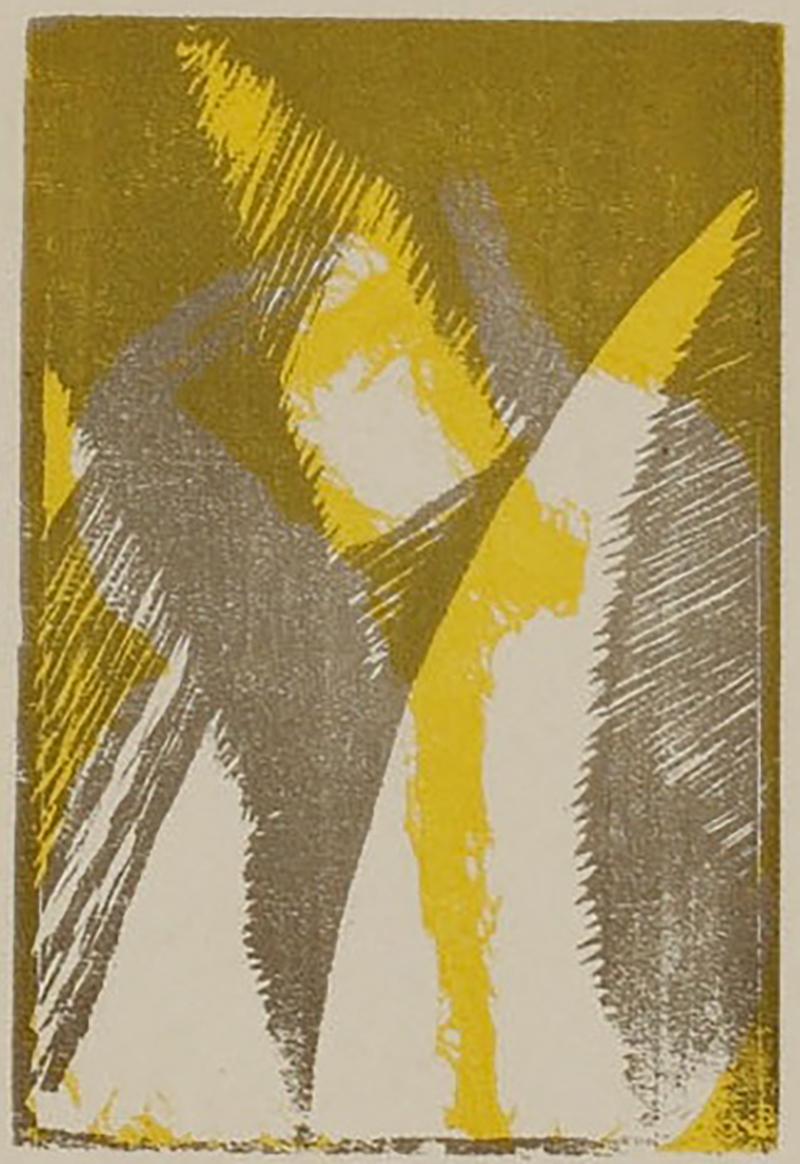
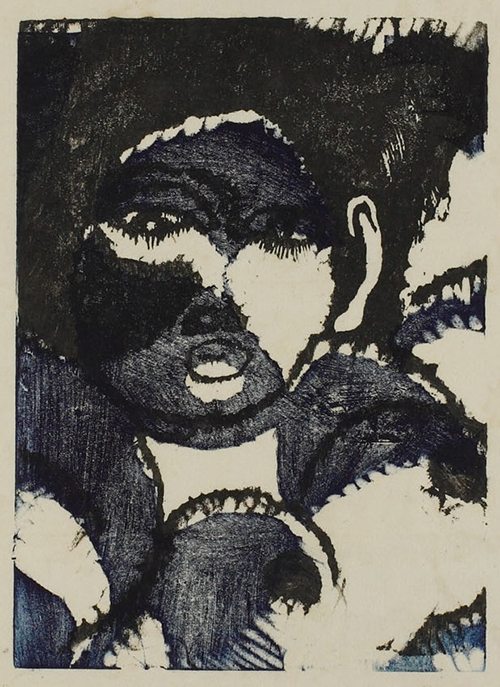
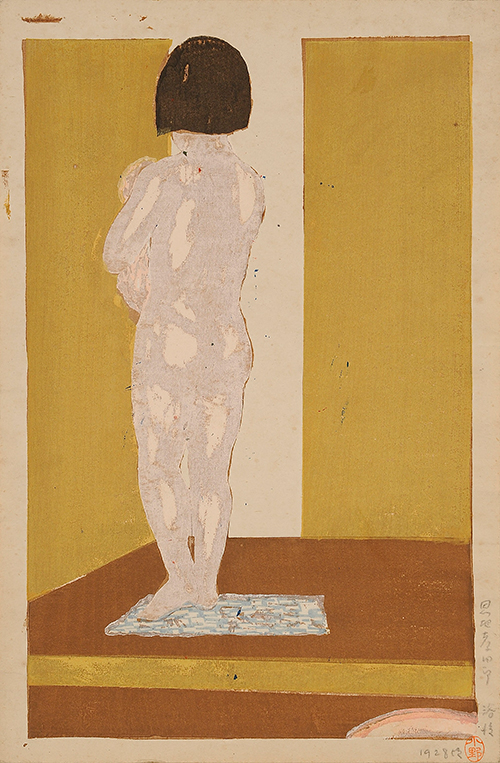
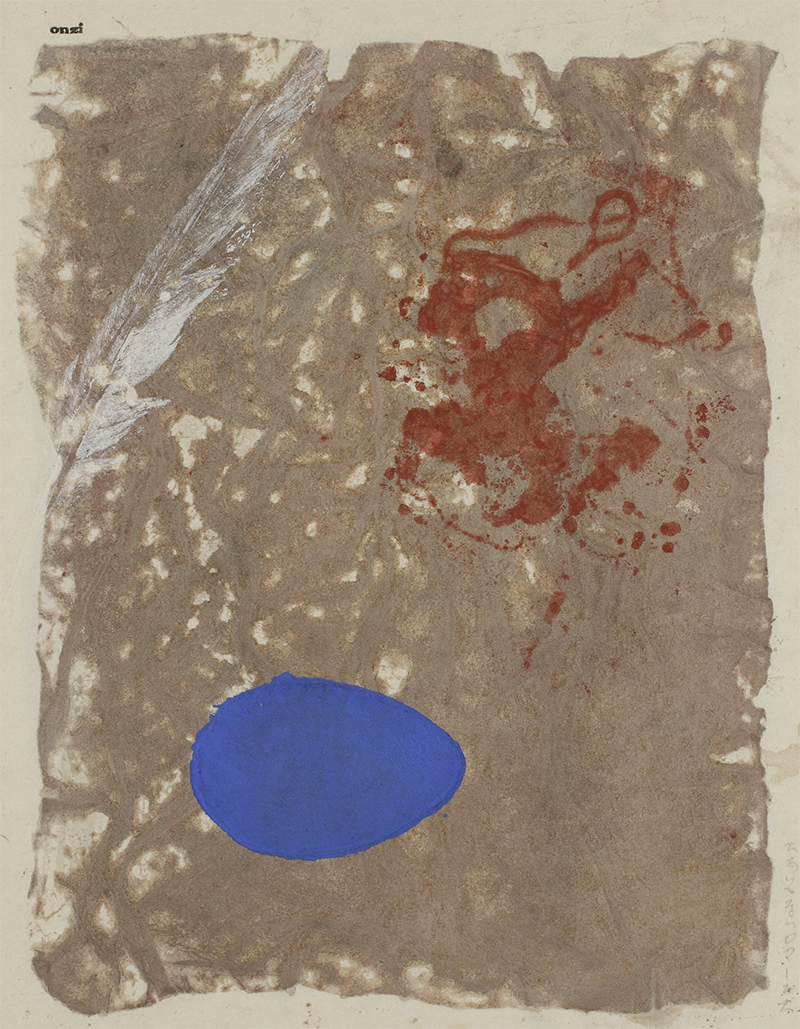
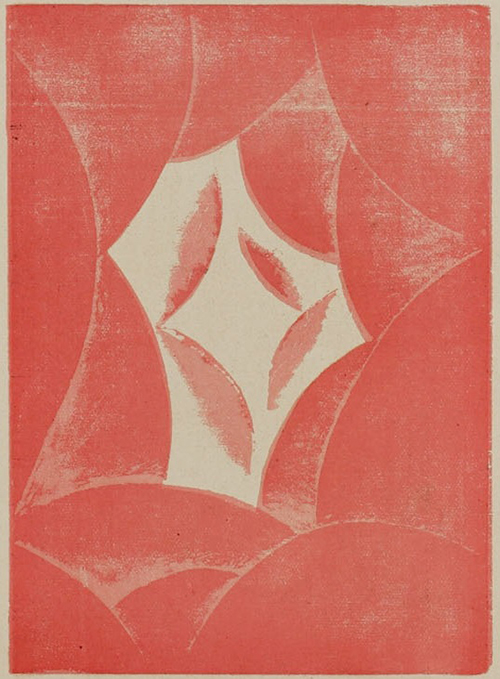
1 / 5 Image: 町田市立国際版画美術館 公式サイト 恩地孝四郎《愚人願求》(『月映』Ⅲ)1914年、木版、当館蔵
- Dates
- Nov 27, 2026 – Feb 23, 2027
- Venue
- Machida City Museum of International Print Art (町田市立国際版画美術館) · 町田市東京都町田市原町田4-28-1
Getting there
12–15 min on foot from Machida Station (Odakyu Line, JR Yokohama Line); or take a bus from Machida Bus Center to Haramachida 4-chome, then walk about 5 min
- Hours
- 10:00–17:00 · Closed: Mon
- Admission
- FreeOriginal: 無料
- Artists
- Koshiro Onchi
- Kazuma Oda
- Kanae Yamamoto
- Tetsugoro Yorozu
- 香山小鳥
- Kyokichi Tanaka
- Junichiro Sekino
- Tetsuro Komai
- Organized by
The calendar entry starts on opening day and covers the whole run, so you won't need to look the dates up again. Please check opening hours and closing days before your visit.
Knowledge cards
Creative prints (sōsaku-hanga)創作版画An early twentieth-century Japanese movement that treated a print as the artist’s own expression, not a means of reproduction.Read moreClose
01About
In the early twentieth century, Japanese artists began to treat a print not as a reproduction technique but as a way to show their own individuality. Until then, the nishiki-e colour prints of ukiyo-e had been made by division of labour among a designer, a carver and a printer. Creative prints instead set out the principle of “self-drawn, self-carved, self-printed”: one artist draws the design, cuts the block and prints it. Yamamoto Kanae’s small print Fisherman (1904) is regarded as the movement’s landmark. In 1914 Onchi Kōshirō, Tanaka Kyōkichi and Fujimori Shizuo published the journal Tsukuhae. In the early years the rule was not strict, and some works were carved or printed by other hands. A Japanese Creative Print Association was founded in 1918 and became the Japan Print Association in 1931.
02In the gallery
Look for the marks of one hand: the thickness of lines, the cut marks, and how dark or pale the printed colour is.
Wall label terms in Japanese
- 自画・自彫・自摺
- Self-drawn, self-carved, self-printed
- 新版画
- Shin-hanga (new prints)
03Notes
Creative prints value one person drawing, carving and printing the image.
This time, at Kōshirō Onchi and the Artists of Creative Printmaking —
Do the lines and the colour areas you are looking at feel as if one hand made them?
04Related
Woodblock prints木版画A print made from a carved block of wood: what is cut away stays blank, and only the raised surface takes the ink and prints.Read moreClose
01About
A woodblock print is a relief print: the image is cut into a block of wood, the parts meant to print are left level with the surface, and the rest is removed. The cut-away areas carry no ink. The raised surface is inked, and the paper laid on it is pressed or rubbed, often with a hand tool called a baren. Traditional Japanese prints are cut on cherry wood and printed with water-based inks, where Western woodcut typically uses oil-based ones. Early Japanese prints were mostly monochrome, in black ink only. Colour came by cutting one block for each colour and lining the blocks up with registration marks called kentō, as in ukiyo-e prints. From the late Meiji period, artists who carved and printed their own blocks began to make what are called creative prints.
02In the gallery
Look closely at where black meets white and find the lines the knife left. Then step back and see how the black areas and the blank paper build the whole picture.
Wall label terms in Japanese
- 凸版
- Relief printing
- 馬連(ばれん)
- Baren
- 見当
- Registration mark
- 創作版画
- Creative prints
03Notes
A woodblock print is read through what the knife left behind: cut-away places stay white, raised places carry the ink.
This time, at Kōshirō Onchi and the Artists of Creative Printmaking —
Is the thin line you are looking at a white line the knife cut, or a black line left standing?


