Opens in 172 days
The World Is Made of Play: Art, Children, and Society
Japanese original:
世界はあそびでできている:アート・子ども・社会
Through contemporary art, the exhibition looks at play, which arises from curiosity and the urge to explore. It includes works that prompt spontaneous play, immersive installations that challenge perception, social projects and participatory pieces. It also traces practices since the 1950s in which artists drew on children's flexible thinking to question the values and systems of art. Children take part as co-creators, not only as viewers. On the 53rd floor, 29 April to 23 September 2027.
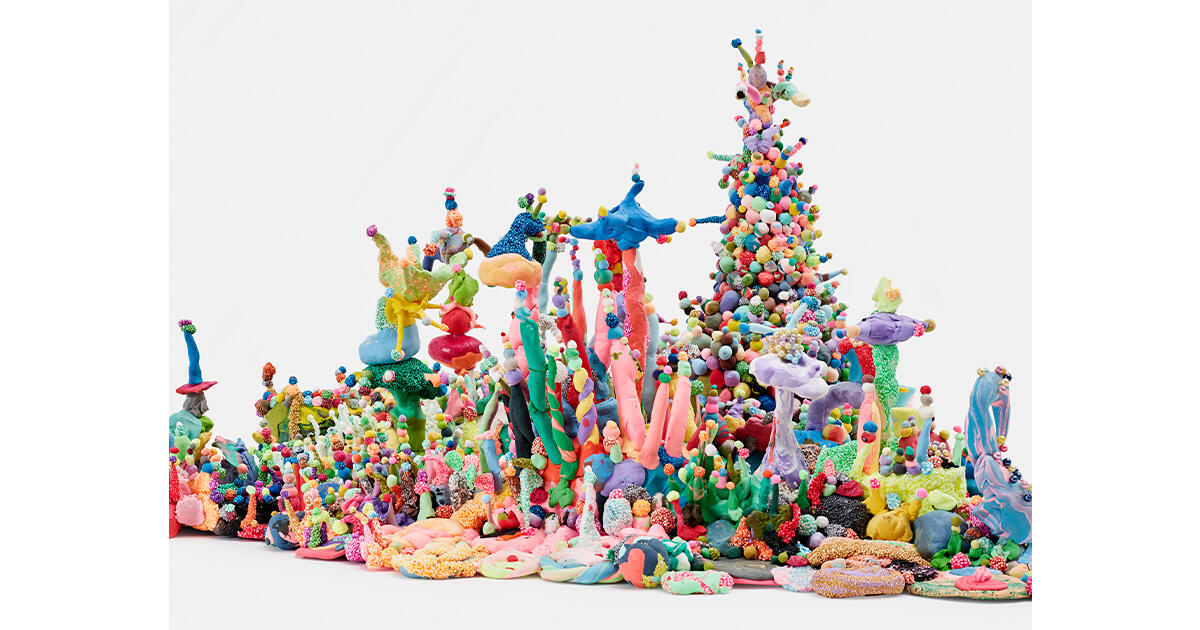
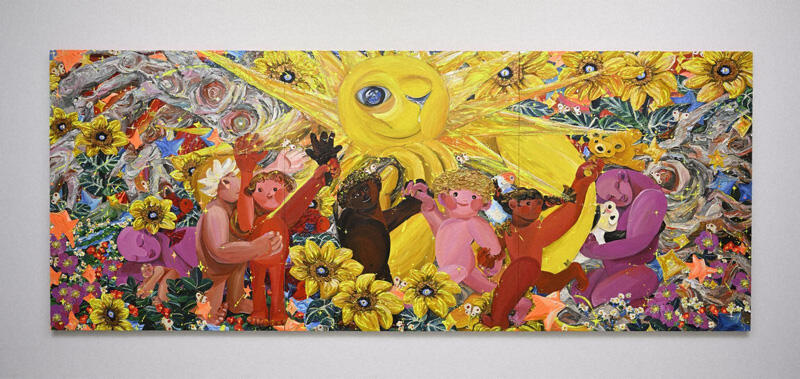
1 / 2 Image: Mori Art Museum ソ・アミ、ソ・オミ、ソ・ドホ 《アートランド》 2016年- 粘土、再生プラスチック、ポリカーボネート製の土台 サイズ可変 Courtesy: Lehmann Maupin, New York, London and Seoul; Victoria Miro 撮影:Prudence Cuming Associates ※参考図版
- Dates
- Apr 29 – Sep 23, 2027
- Venue
- Mori Art Museum (森美術館) · Roppongi
- Address
- 東京都港区六本木6-10-1 六本木ヒルズ森タワー53階3 min walk via the concourse from Exit 1C, Roppongi Station (Tokyo Metro Hibiya Line)Open in Google Maps
- Hours
- 10:00–22:00
Visit planning
The calendar entry starts on the opening day and covers the whole run. Please check opening hours and closing days before your visit.
Nearby, after this one
Same venue · Mori Art Museum

Same neighborhood · Roppongi
Shows open on the same days as this one are listed first (regular closing days only).

Credits
- Artists
- Monster Chetwynd, Kondo Aki, Sasaoka Yuriko, Suh Do Ho
- Organized by
- Mori Art Museum
- Planning
- , ,
Knowledge cards
Participatory art参加型アートArt that brings the audience directly into the making of the work, so that visitors become part of what happens.Read moreClose
01About
Participatory art directly engages the audience in the creative process, so that they become participants in the event. The artist is seen as a collaborator and co-producer of the situation with the audience, and such situations can often have an unclear beginning or end. Its origins lie in the Futurist and Dada performances of the early twentieth century, which were designed to provoke, scandalise and agitate the public. In the late 1950s Allan Kaprow devised performances called happenings. The name first appeared in the title of his 1959 work 18 Happenings in 6 Parts, staged at the Reuben Gallery in New York; happenings typically took place in an environment or installation made inside the gallery and included an element of spectator participation. Among contemporary artists, Monster Chetwynd relies entirely on willing participants to create her performances.
02In the gallery
Look near the work for a sign or instruction showing how to take part, whether by touching, entering, or joining, and watch how other visitors' movements become part of it.
Wall label terms in Japanese
- 参加型アート
- Participatory art
- ハプニング
- Happening
- 未来派
- Futurism
- ダダ
- Dada
03Notes
In participatory art, the artist and the audience make a situation together.
This time, at The World Is Made of Play: Art, Children, and Society —
Where in the space are you invited to touch, step in, or join?
04Related
Installation ArtインスタレーションThree-dimensional work that does not sit on a wall or a pedestal but changes how a whole space feels, and that visitors walk into.Read moreClose
01About
Installations are often made for one particular site, and visitors move through them, so where you stand is part of the looking. Materials range from everyday objects and natural materials to video and sound, and a work may be permanent or taken down when the exhibition closes. As the name of an art form, “installation” is first recorded by the Oxford English Dictionary in 1969; in 1958 Allan Kaprow called the indoor spaces he transformed “Environments.” The events the Gutai Art Association staged in Japan from 1954 are counted among early installation art, and they influenced Kaprow. Some artists step inside their own installations: Aki Sasamoto builds spaces from string, tubes, household things and sound, then talks and moves within them, so that the work becomes an event that changes over time.
02In the gallery
Look from the entrance, from the middle and from a corner. Notice how the light, the sound, and the path you take change the work.
Wall label terms in Japanese
- インスタレーション
- Installation
- サイトスペシフィック
- Site-specific
- エンヴァイラメント(環境)
- Environment
- 具体美術協会
- Gutai Art Association
- パフォーマンス
- Performance
03Notes
Installations are mostly made for a particular place, and where you stand is part of the looking.
This time, at The World Is Made of Play: Art, Children, and Society —
After moving to a few spots, where do you think the work begins, and where does it end?